The BBC spent almost £500,000 fighting an unfair dismissal claim after reportedly being offered the chance to settle for a tenth of that sum, it has emerged.
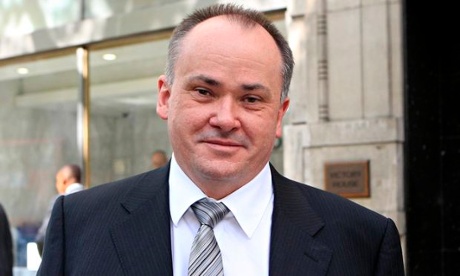
The employment tribunal case was brought last August by its former chief technology officer John Linwood, who was lost his job in 2013 over his part in the disastrous £100m Digital Media Initiative. Linwood won his claim and, days later, his lawyer told the Sunday Times that he had tried to settle for £50,000.
This week, in response to a freedom of information request, the BBC admitted that its legal fees and VAT in relation to the case totalled £498,000. That sum did not include damages paid to Linwood, which were reported to be nearly £80,000.
A spokesman said on Thursday the BBC had sought to settle the case “without having to incur the legal costs of a tribunal, but we were not successful”. The BBC refused to discuss Linwood’s compensation in its response to the freedom of information request.
Finding unanimously in Linwood’s favour last year, the employment tribunal criticised the BBC’s “wholly inadequate” disciplinary procedures.
The former chief technology officer claimed he had been made the “fall guy” for the failure of the DMI, which was scrapped in May 2013 by the BBC’s director general Tony Hall.
The BBC’s layer claimed Linwood bore the responsibility for a “massive waste of public funds” over the ambitious project, which was supposed to make the broadcaster “tapeless” and which one BBC executive compared to “boiling the ocean”.
Linwood was guilty of a “quite shameful flight from responsibility”, Daniel Stilitz QC, for the BBC, told the tribunal.
But evidence was presented to the tribunal that suggested that BBC executives had made a decision to remove Linwood “one way or another” before the closure of DMI was announced.
The tribunal said the decision to see Linwood depart was taken at a meeting on 13 May 2013, although the minutes did not mention the former chief technology officer by name. His departure was subsequently discussed by executives as a foregone conclusion in emails, the tribunal heard.
More than a week after the meeting, the closure of DMI was announced. Linwood refused to resign and his suspension was announced internally that same day.
The tribunal found the BBC’s processes to be “profoundly substantively and procedurally flawed” and that its treatment of Linwood was not the action of a “reasonable employer”. At times, the BBC was found to have shown an “apparently cavalier disregard for any of the accepted norms of a fair disciplinary process”.
One of the BBC’s human resources executives did not read important documents related to Linwood’s case and “appeared to regard the detail and the documents as a tiresome and unduly time-consuming distraction from the task in hand”.