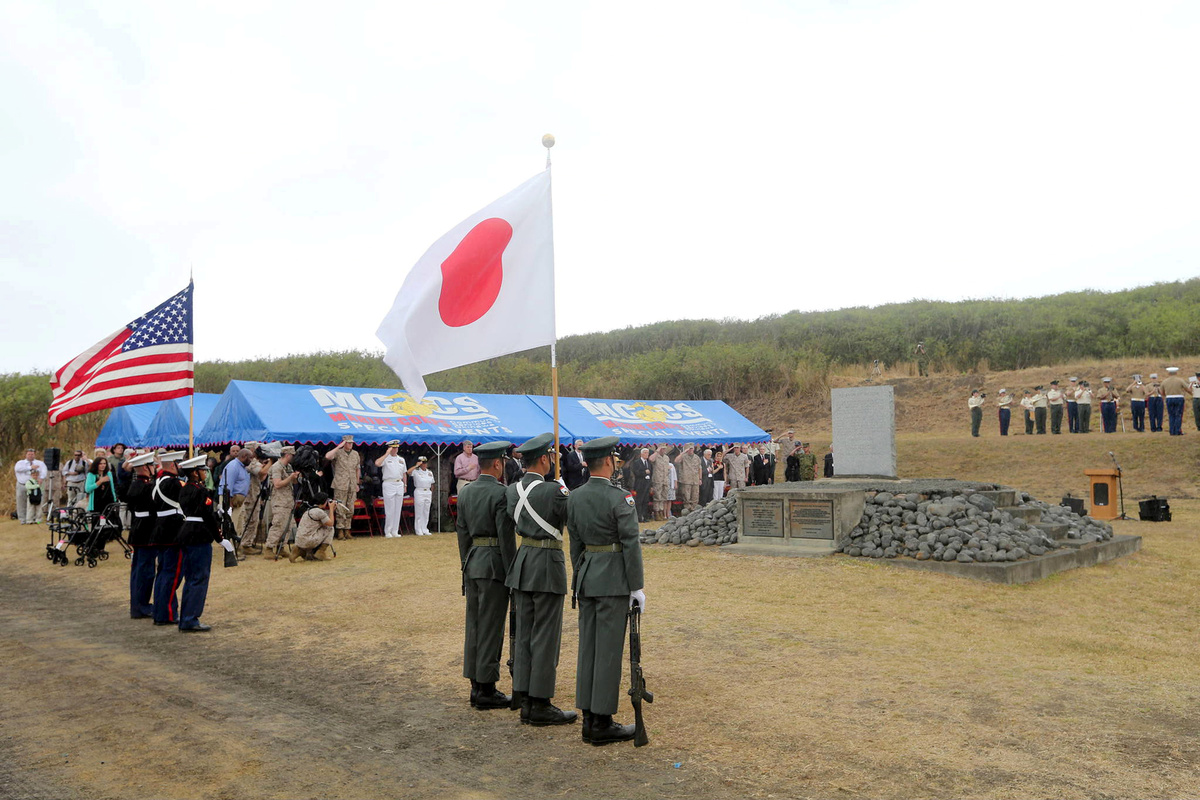
FILE PHOTO: The flags of U.S. and Japan are hoisted as participants attend a memorial service jointly held by Japan and the United States to mark the 70th anniversary of one of World War II's bloodiest and most symbolic battles on the remote island of Iwo Jima, which is now officially called Iwo To in Japan, south of Tokyo March 21, 2015. REUTERS/Pool/File Photo
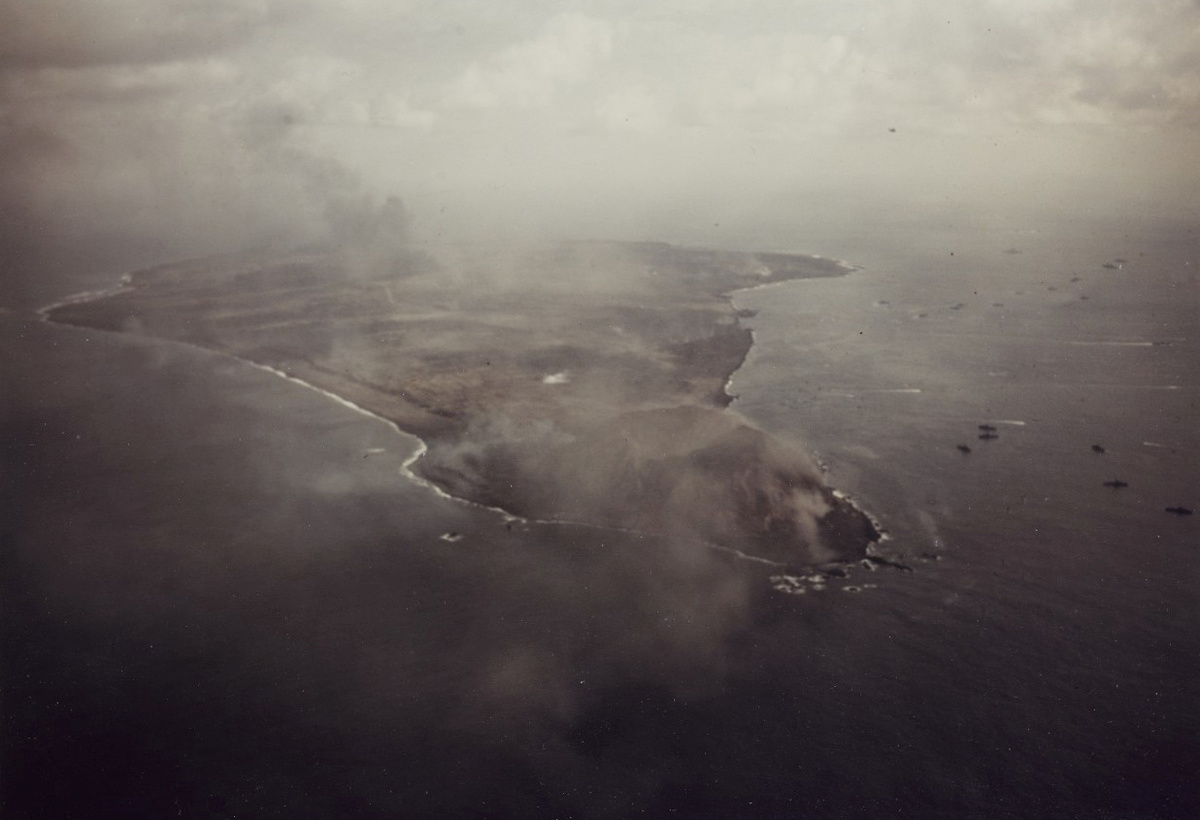
This month marks the 75th anniversary of the start of the Battle of Iwo Jima, which saw some of the bloodiest fighting of World War Two take place on a small Japanese island 1,200 km (745 miles) south of Tokyo.
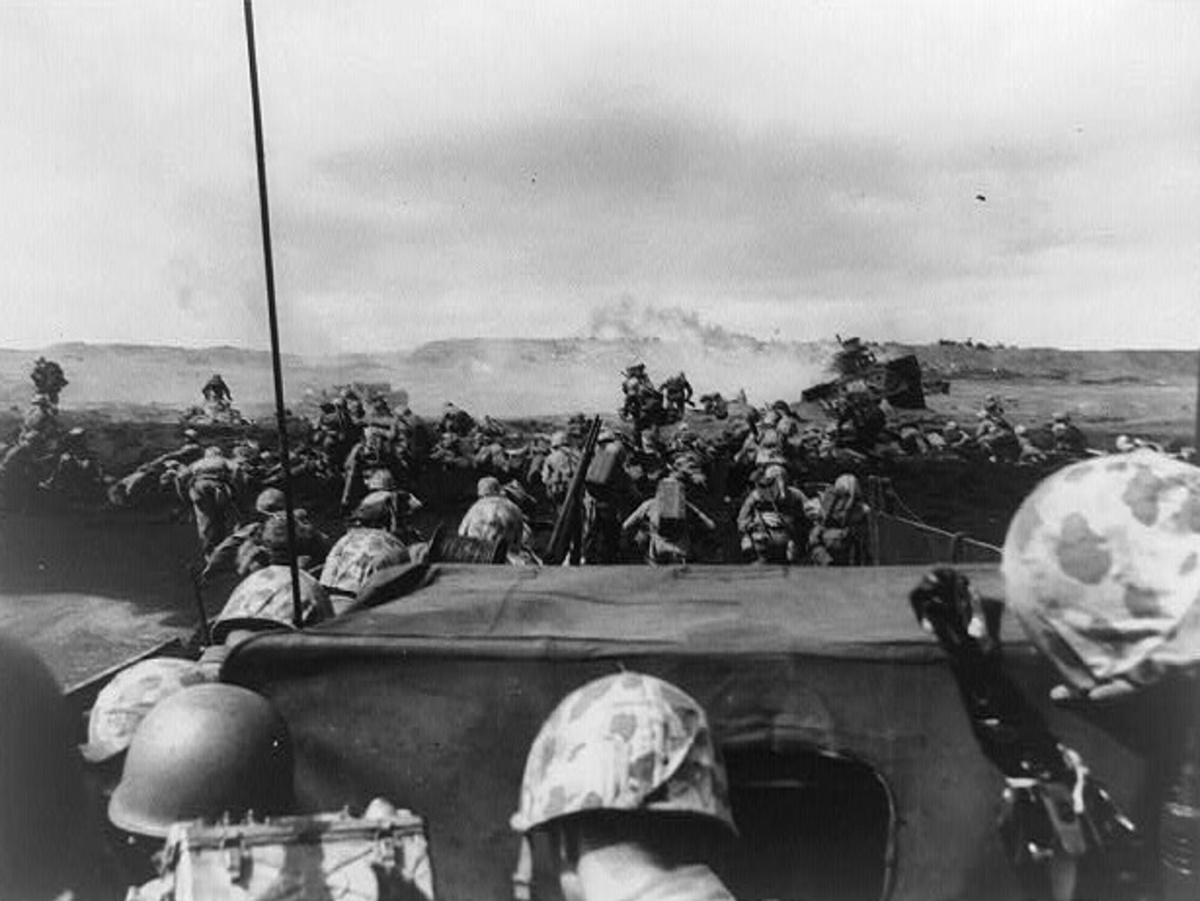
Iwo Jima was the first native Japanese soil to be invaded during the Allied advance. Located halfway between Tokyo and Guam, it was regarded as a strategic outpost. Close to 7,000 U.S. Marines and nearly all of the 21,000 Japanese defenders of the island died during the 36-day battle.
The Japanese troops held the heavily fortified island for more than a month, supported by a network of bunkers and tunnels and hidden artillery positions.
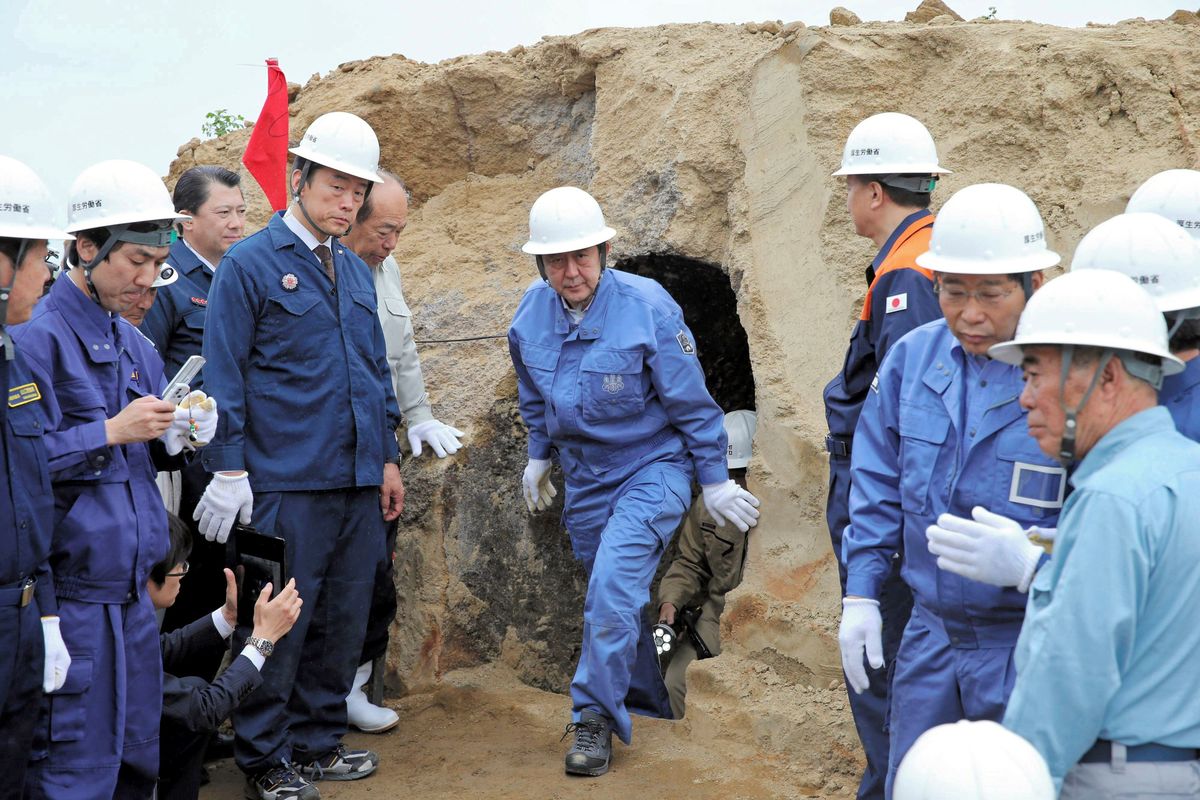
FILE PHOTO: Japanese Prime Minister Shinzo Abe (C) inspects what is believed to be a dugout made by Japanese soldiers during World War II as he visits the remote island of Iwo Jima, which is now officially called Ioto in Japan, south of Tokyo, April 14, 2013. REUTERS/Teruo Kashiyama/Pool
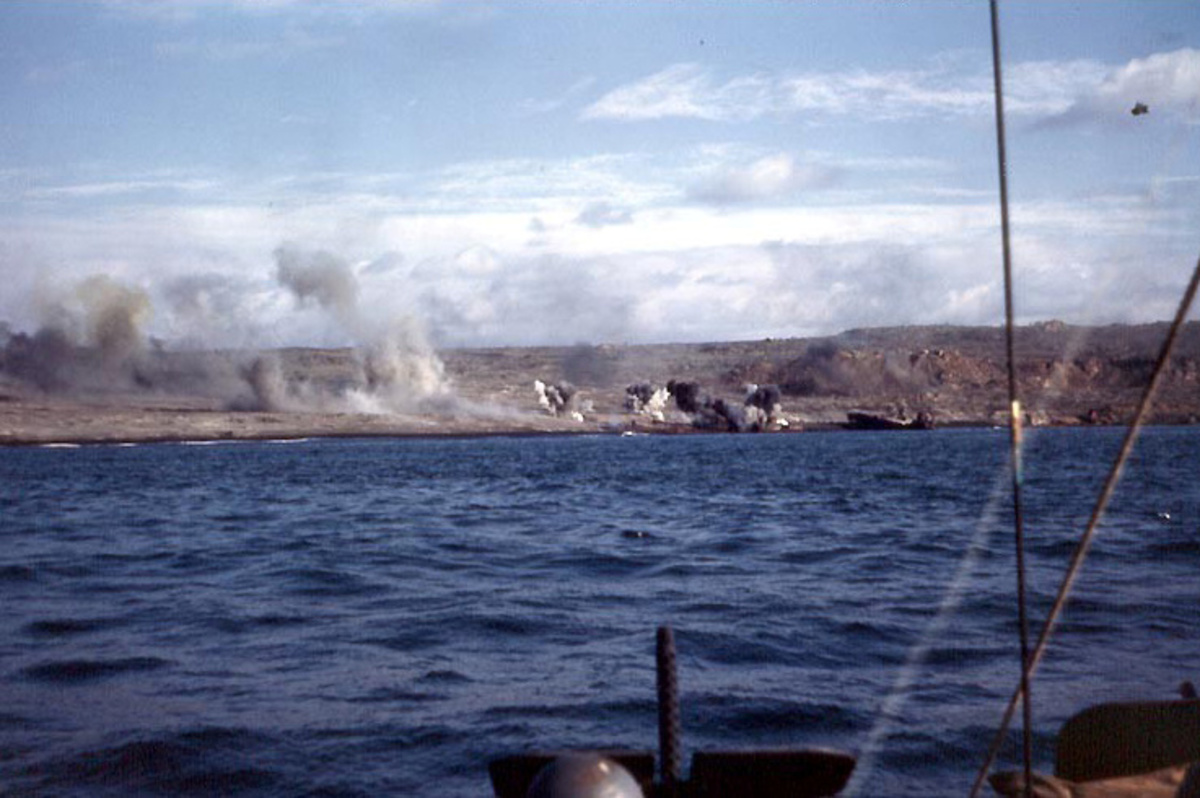
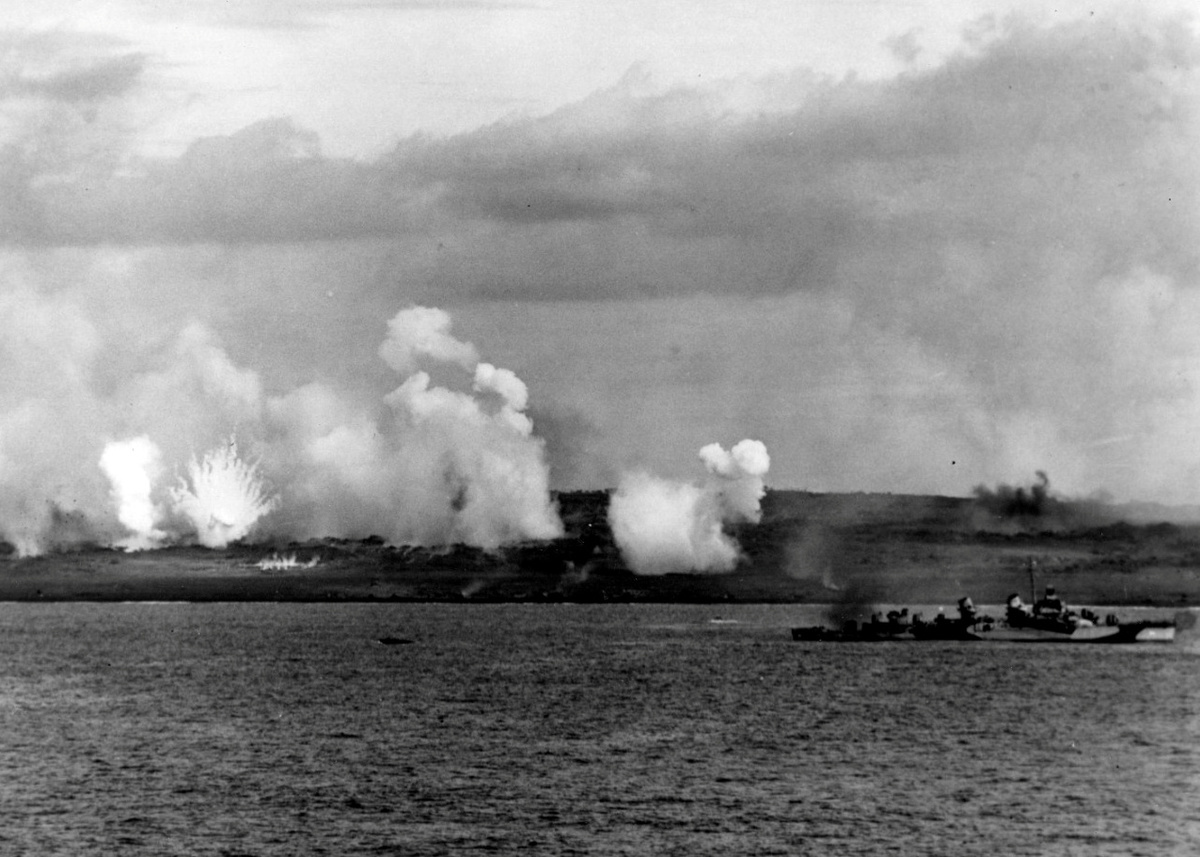
From Feb. 19, 1945, over 500 warships and 1,000 warplanes from the U.S. navy and army pounded Iwo Jima so heavily that the shelling and bombing changed the shape of the island's highest point, Mount Suribachi, located at its southern tip.
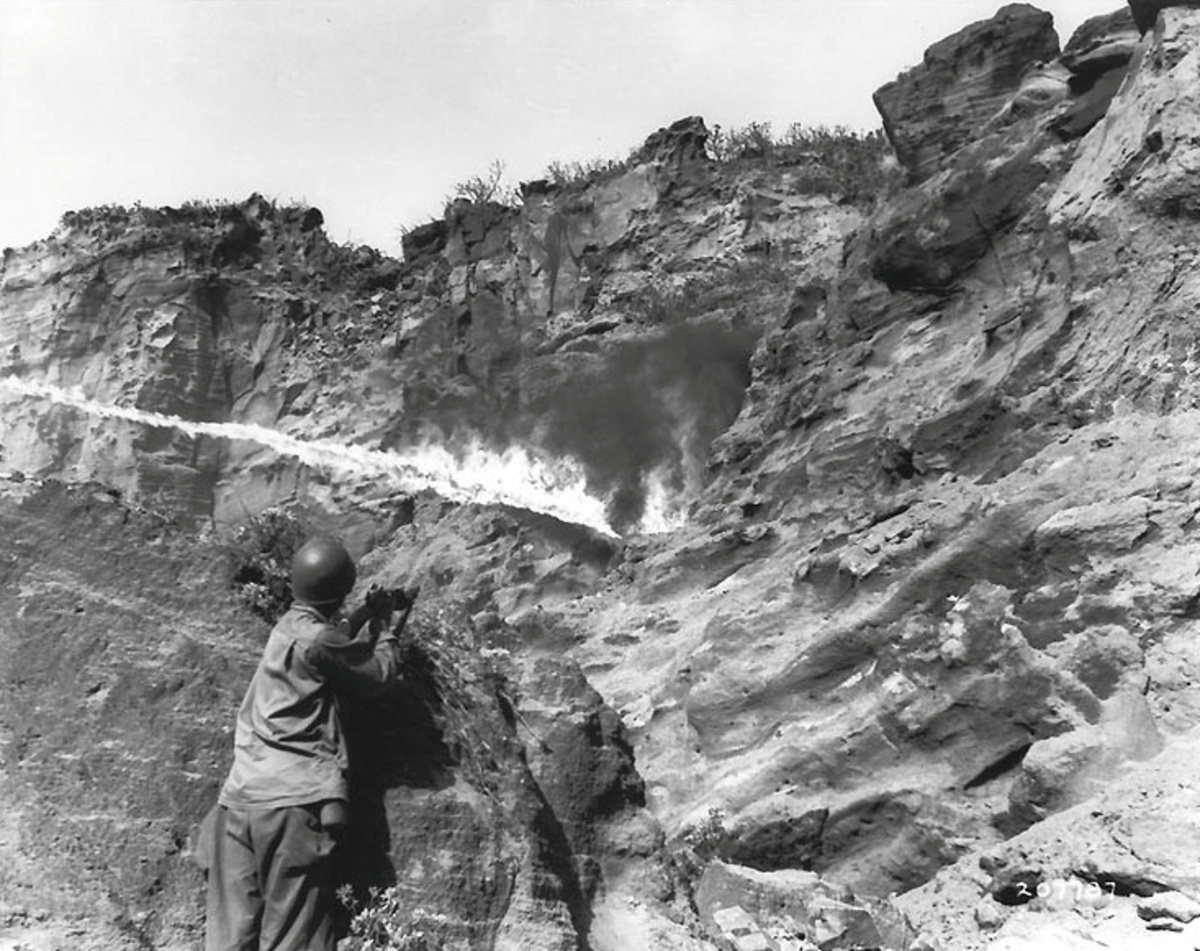
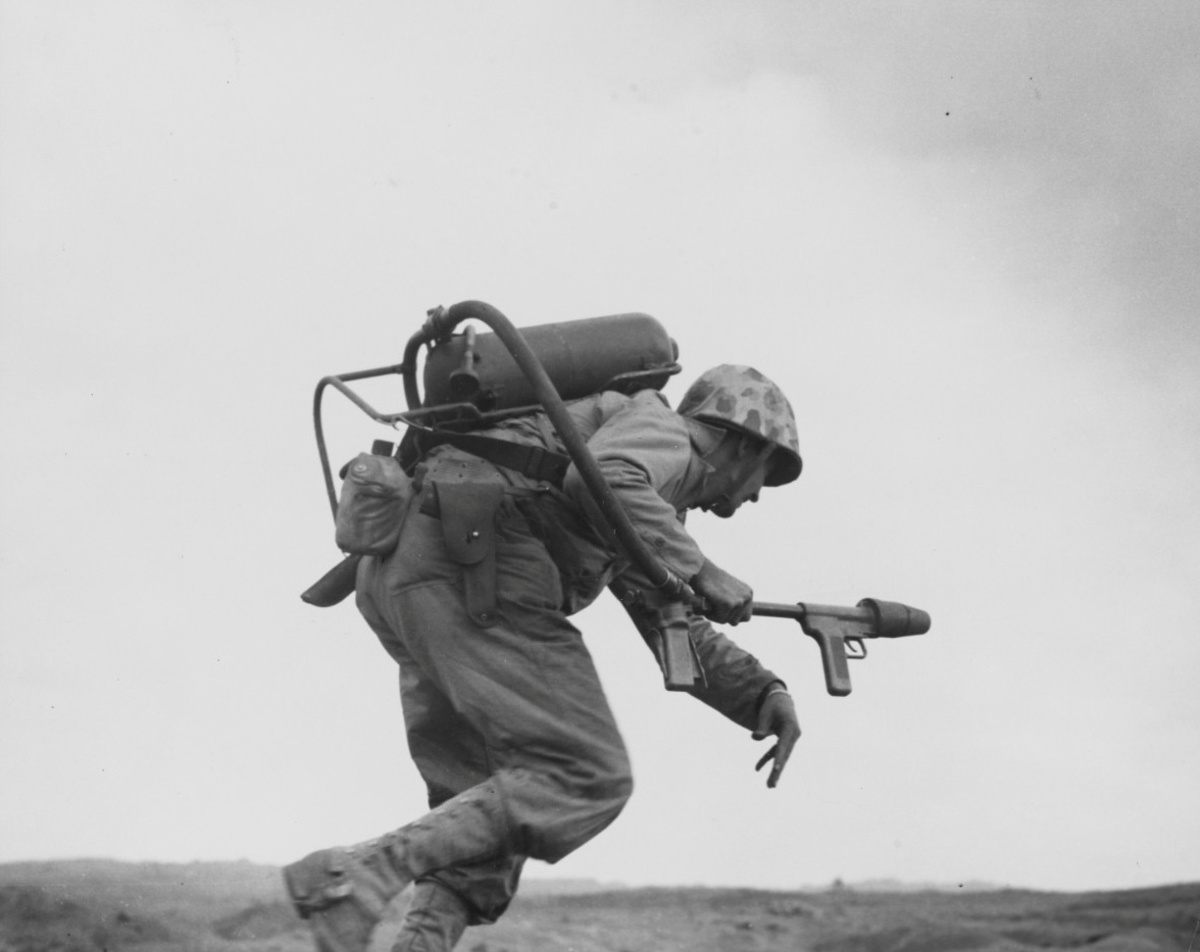
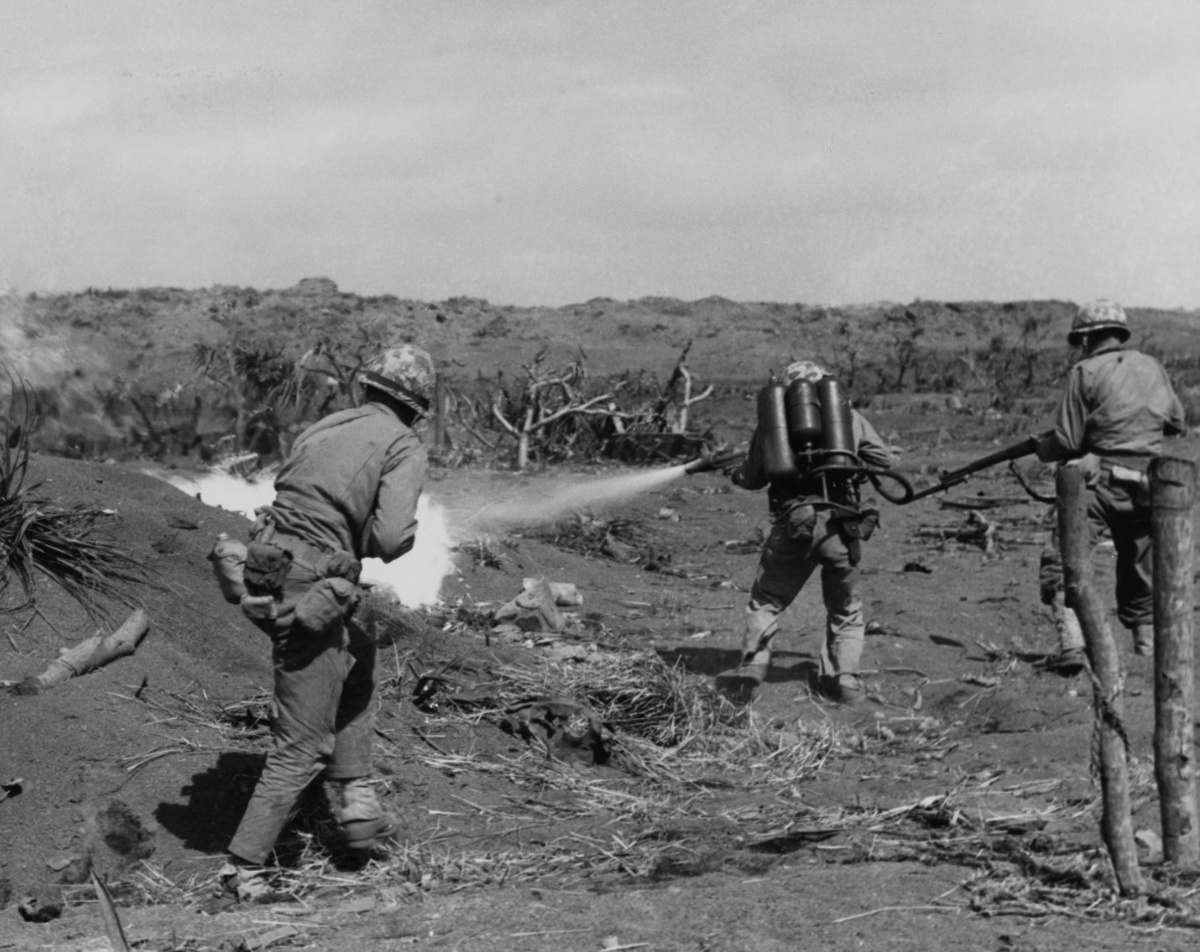
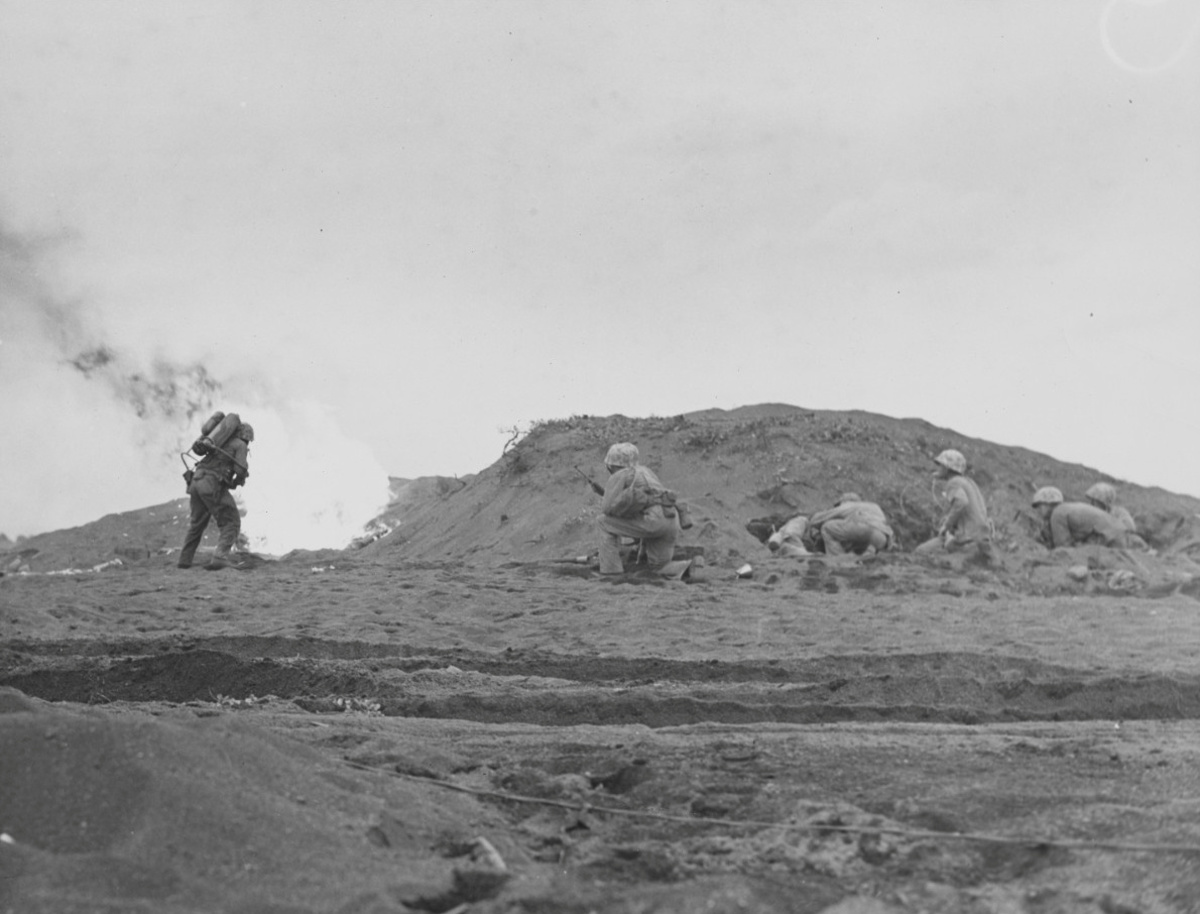
White phosphorus was used in the pre-invasion bombardment and U.S. troops wielded flame-throwers during the battle.
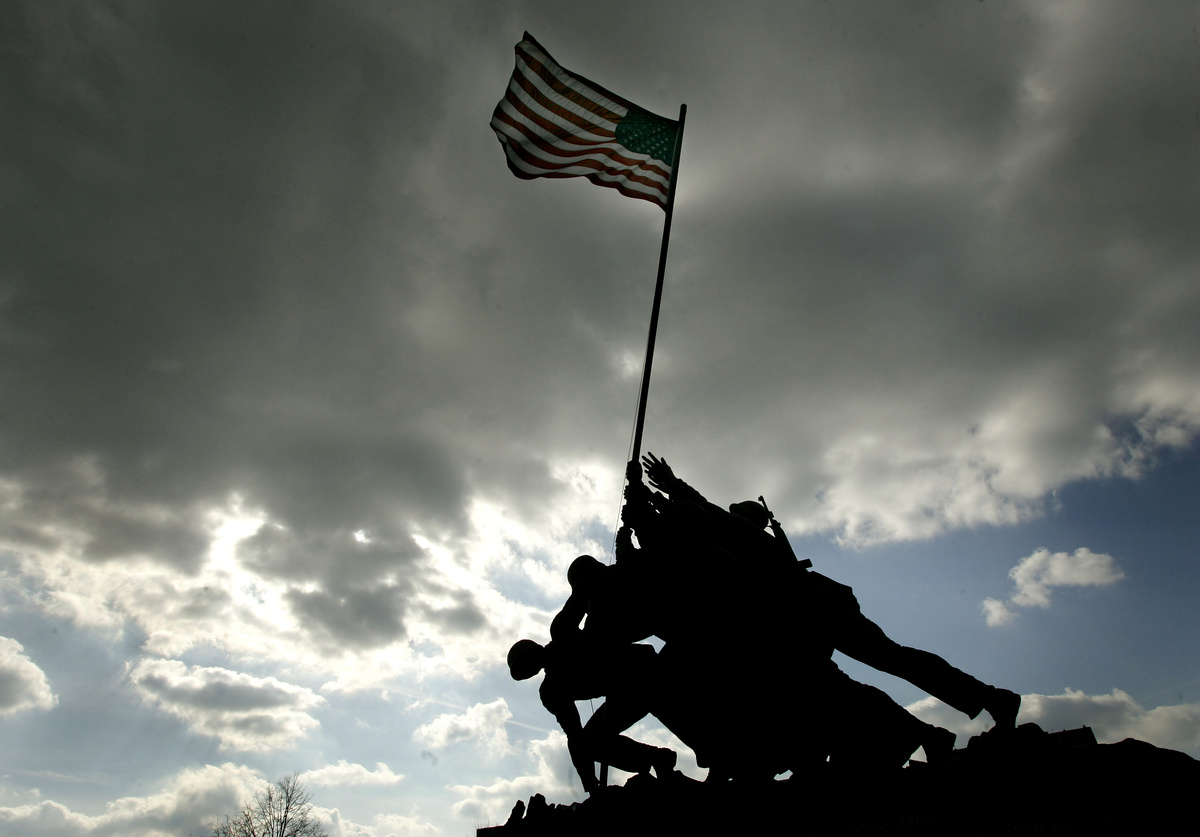
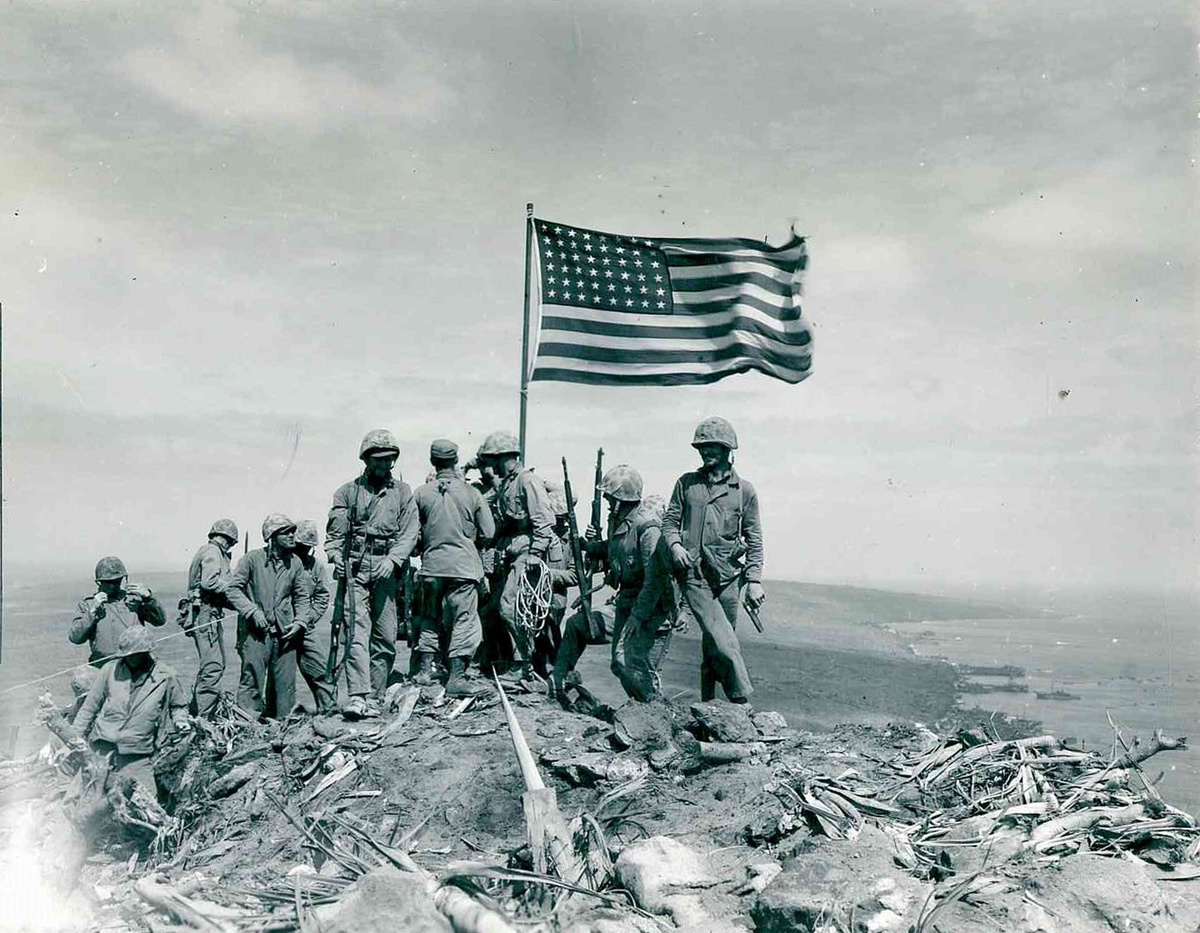
Mount Suribachi was captured on Feb. 23. A photograph of six U.S. marines raising a U.S. flag on the mountain, the second flag-raising that day, was taken by Associated Press photographer Joe Rosenthal and won the Pulitzer Prize for Photography that year. It later formed the subject for the Marine Corps War Memorial in Arlington, Virginia.
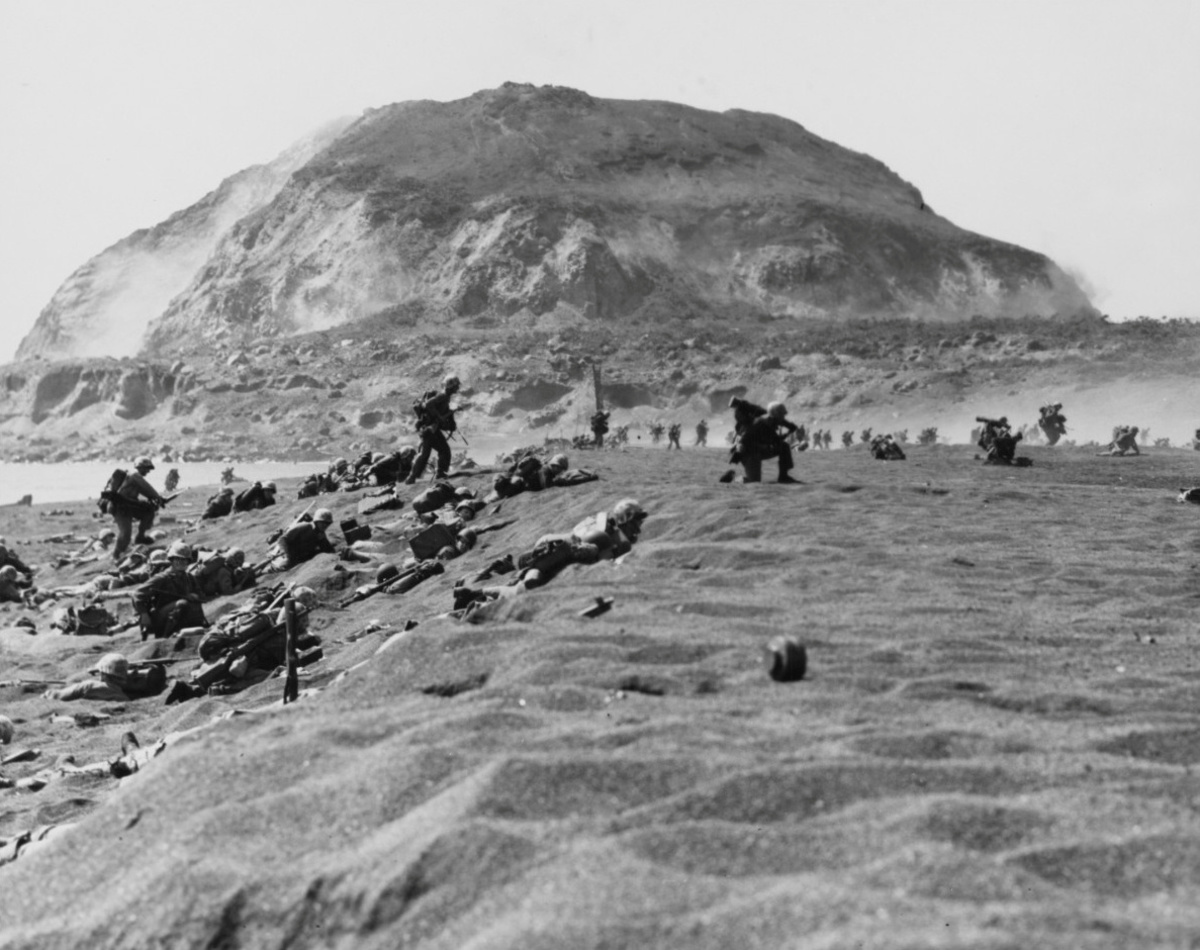
U.S. Marines with the Fifth Division move inland off the landing beach after coming ashore on Iwo Jima, February 19, 1945. Mount Suribachi is in the background. Courtesy U.S. Naval History and Heritage/U.S Marine Corps Photograph/Bob Campbell/Handout via REUTERS
Iwo Jima reverted from U.S. to Japanese rule in 1968 and since then has housed about 400 Japanese navy and air force personnel who operate a landing strip. The runway is also used for night-landing practice by a Japan-based U.S. aircraft carrier.
Joint U.S.-Japan memorial services to mark the anniversary of the battle are held every year. In 1994, then Japanese Emperor Akihito and Empress Michiko attended the service, the first time a Japanese emperor had visited the island.
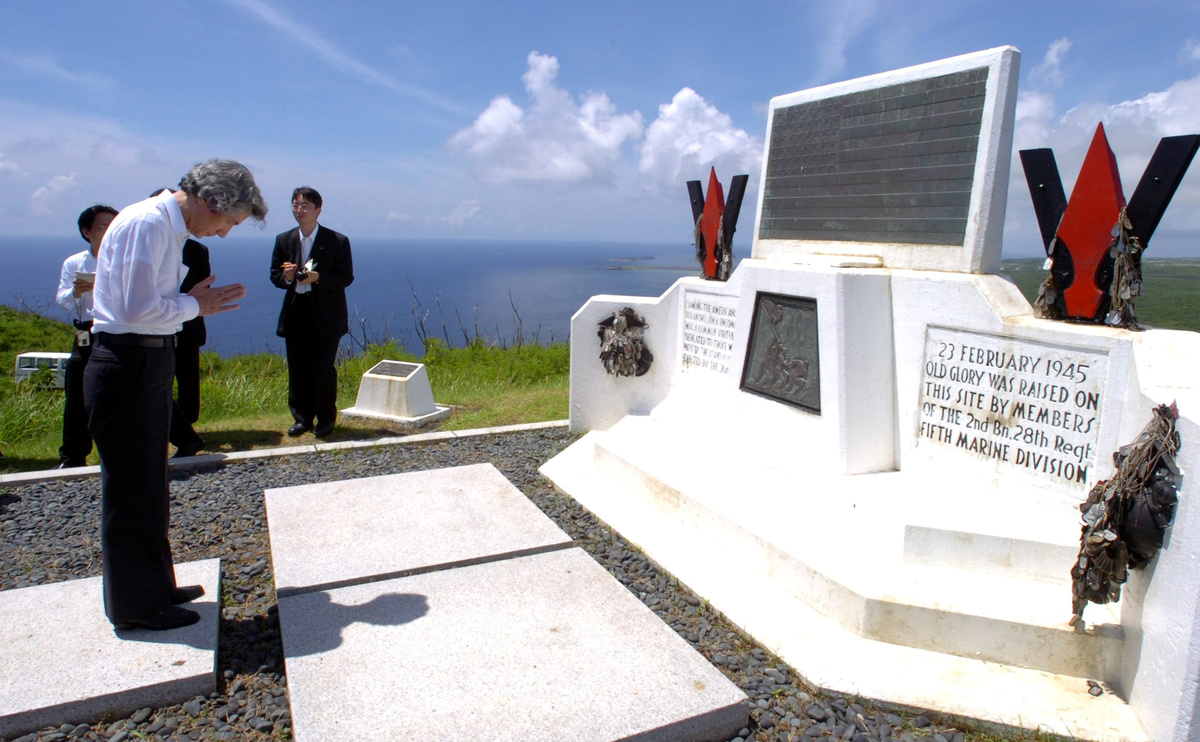
Japanese Prime Minister Junichiro Koizumi became the first Japanese prime minister to attend the ceremonies in 2005.
FILE PHOTO: Japan's Prime Minister Junichiro Koizumi pays tribute to those who died in World War Two during a ceremony in Iwo Jima, south of Tokyo, June 19, 2005. REUTERS/Shuzo Shikano/Pool/File Photo
(Reporting by Hideto Sakai and Akiko Okamoto; Editing by Karishma Singh and Richard Pullin)
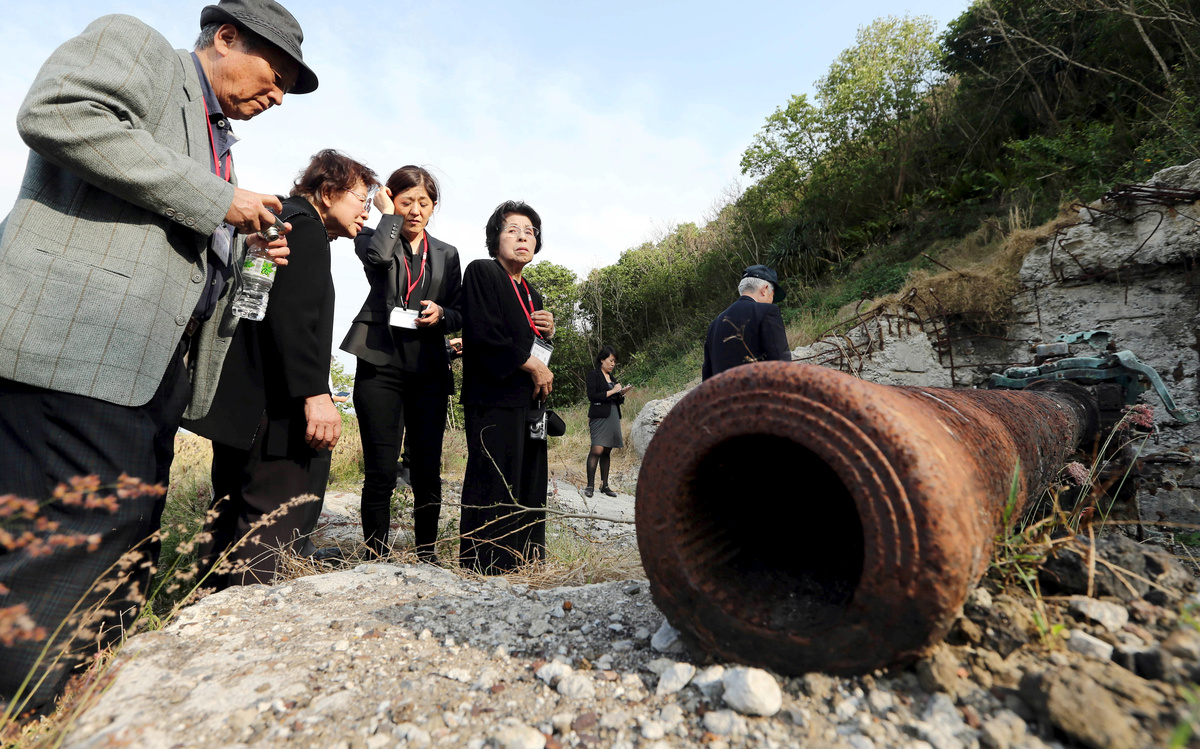
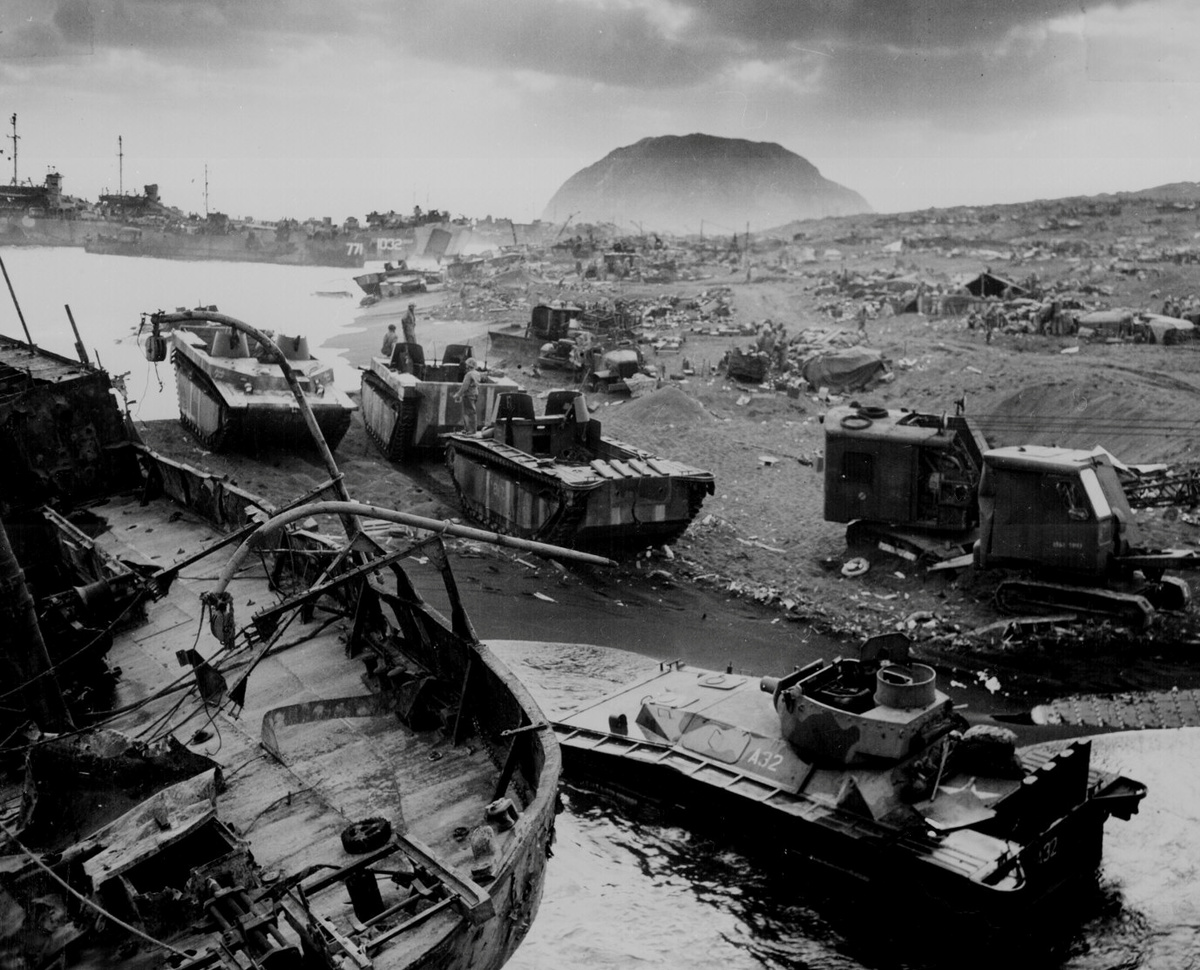
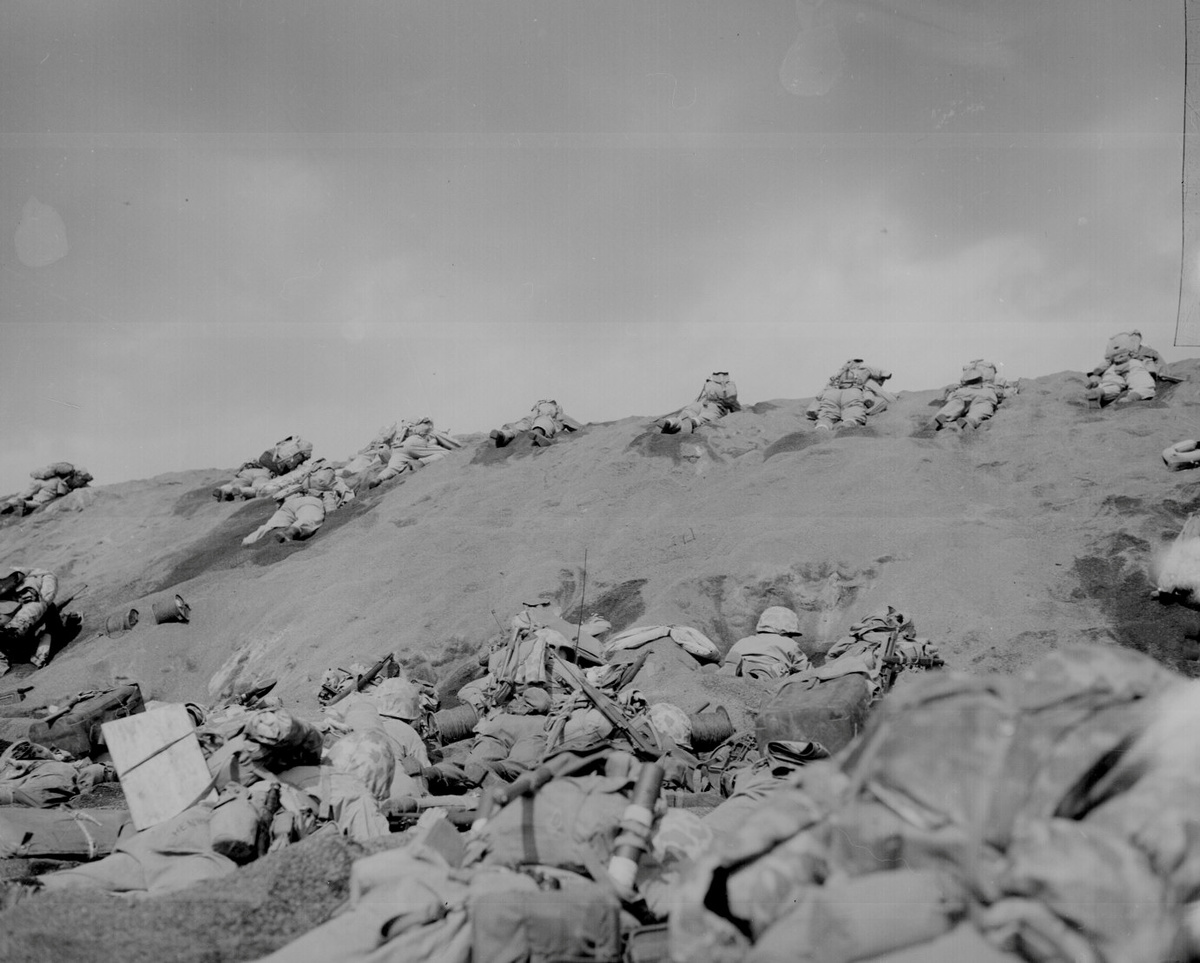
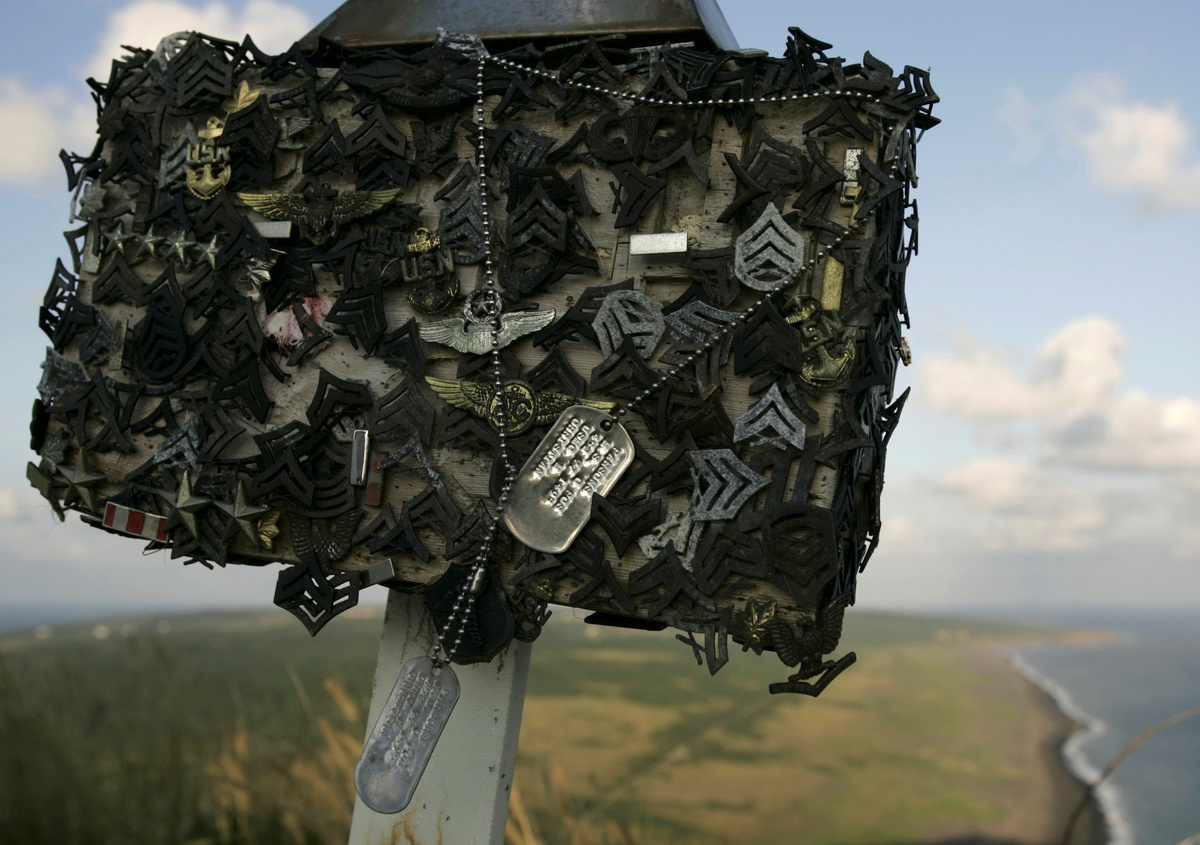
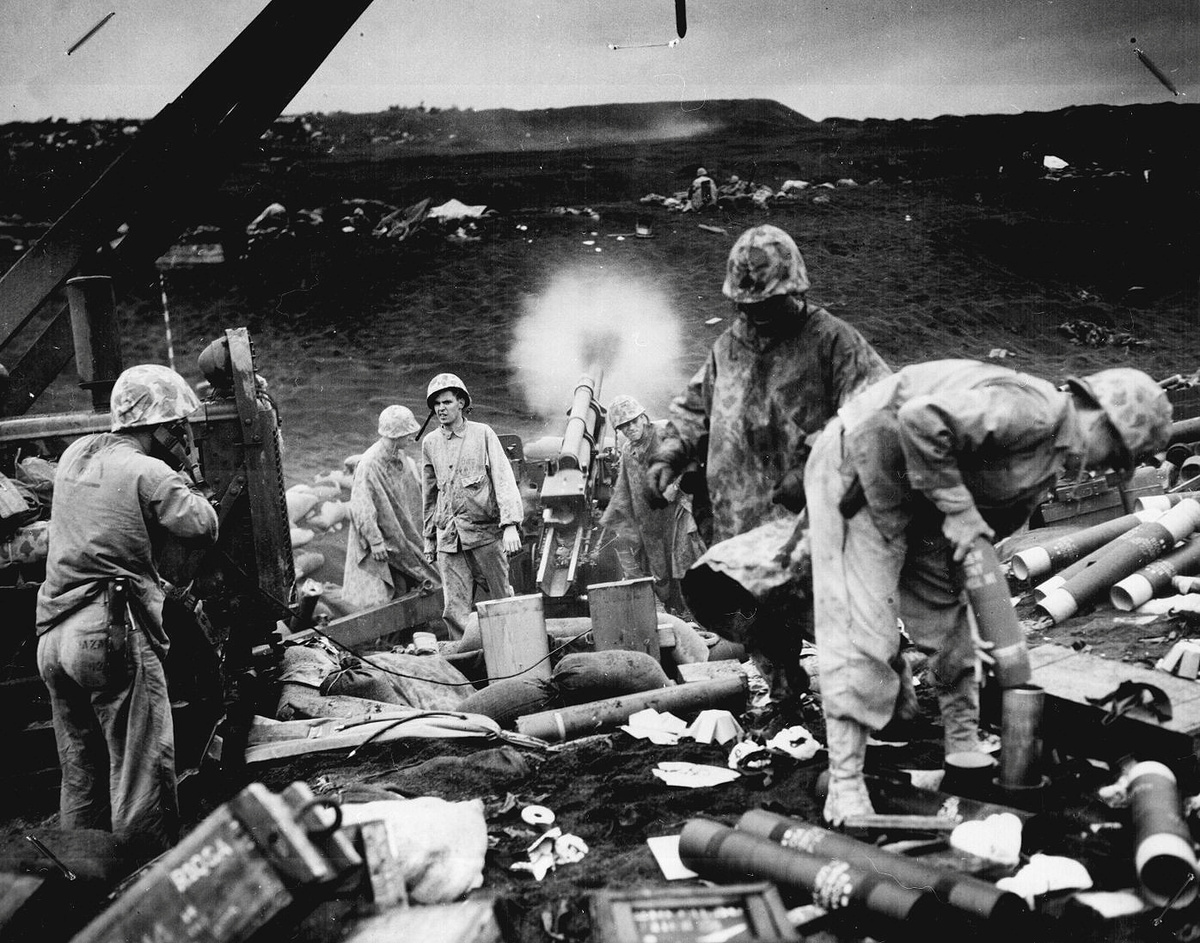
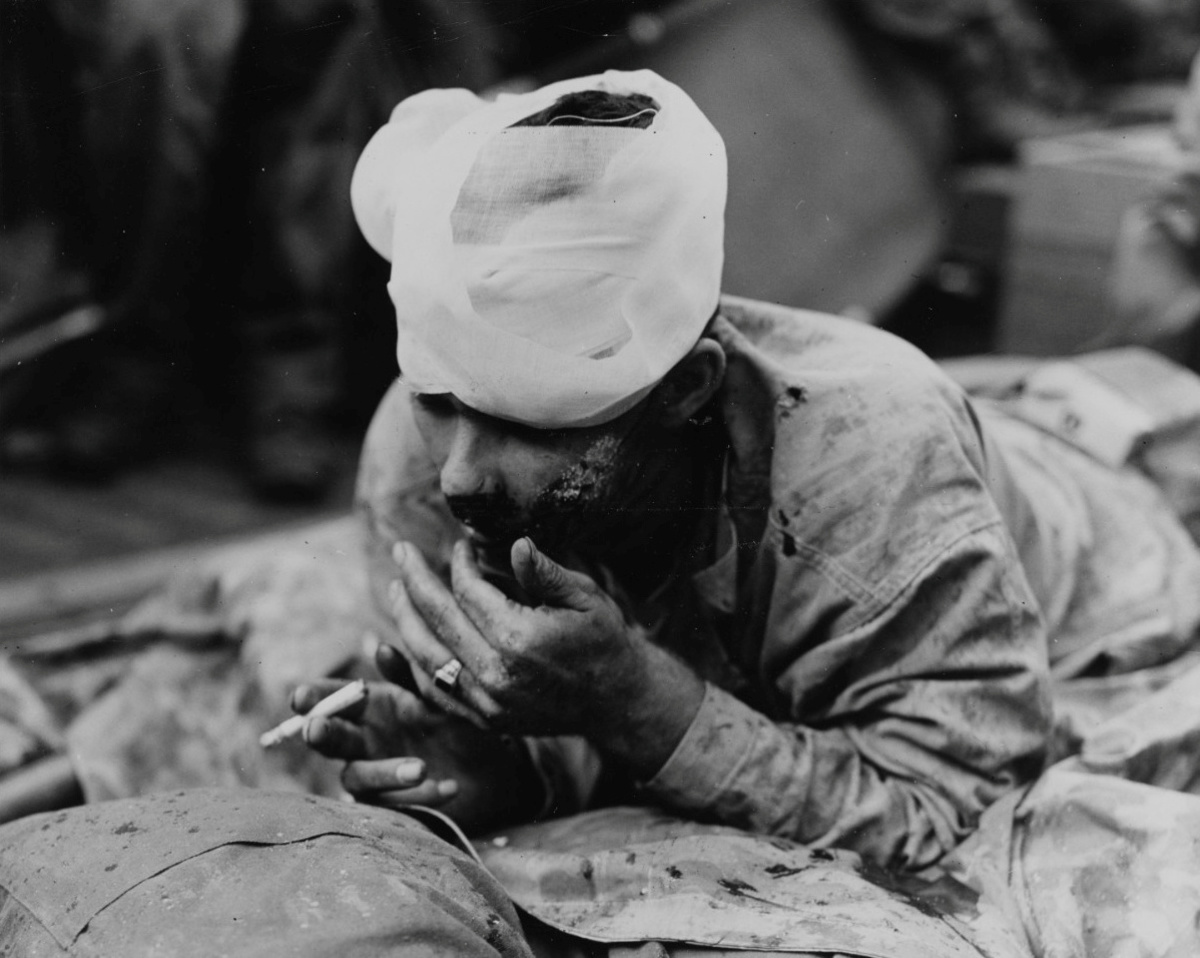
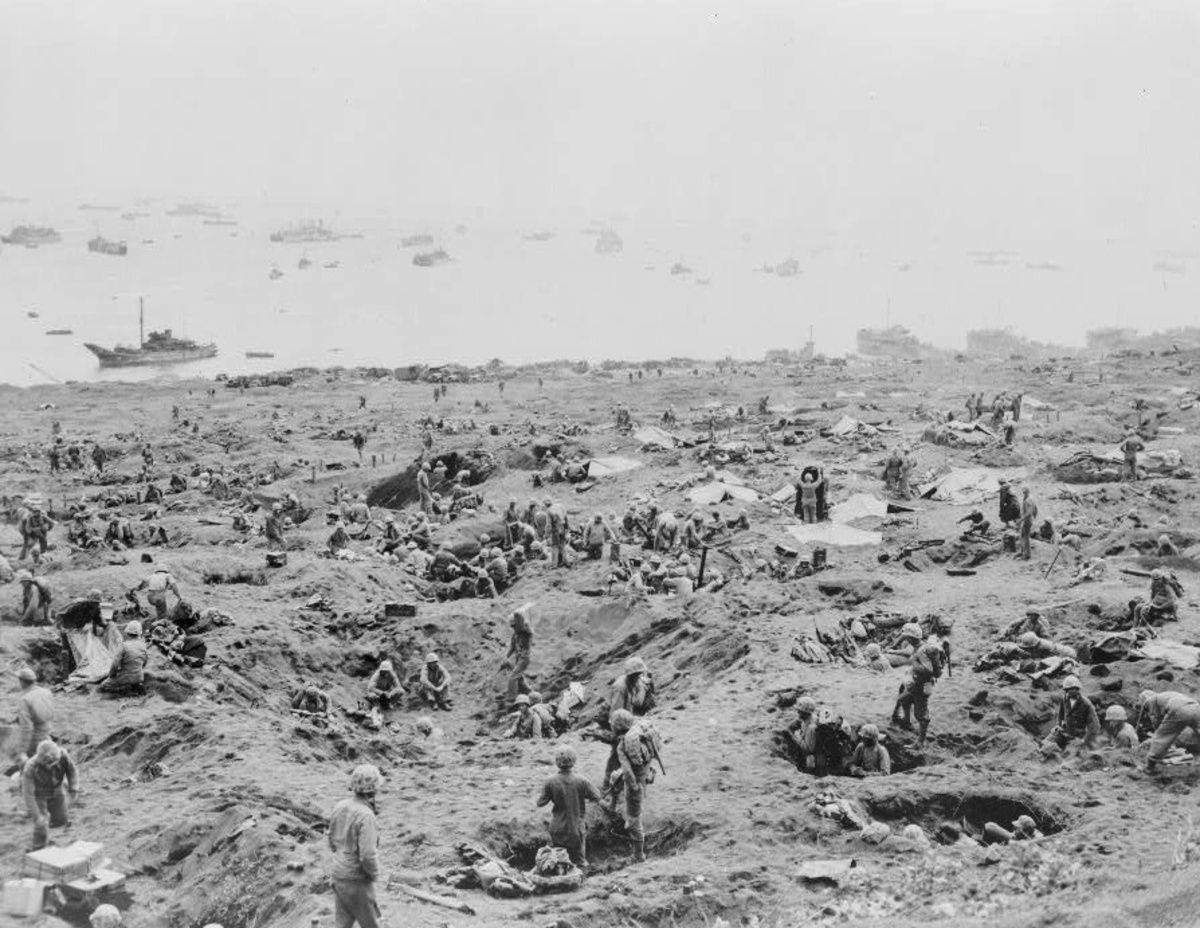
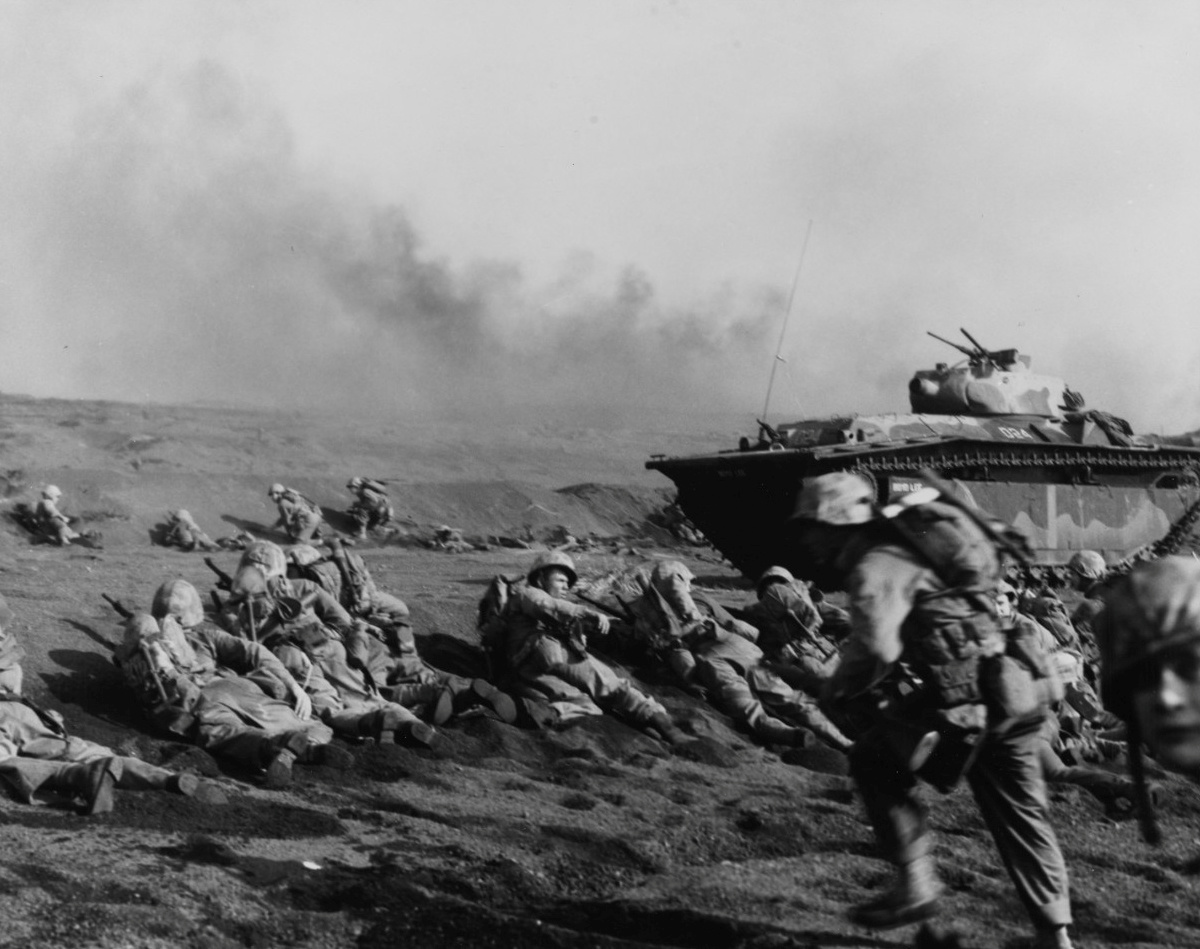
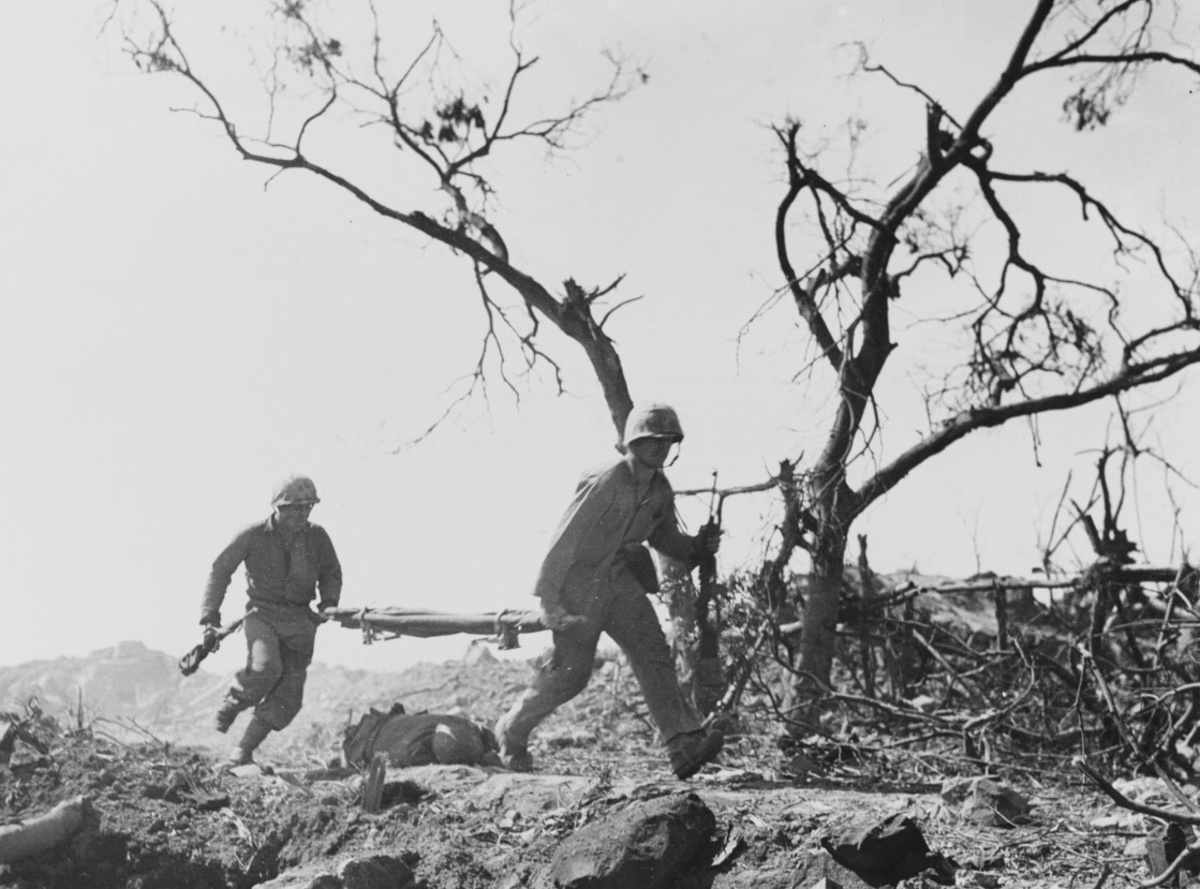
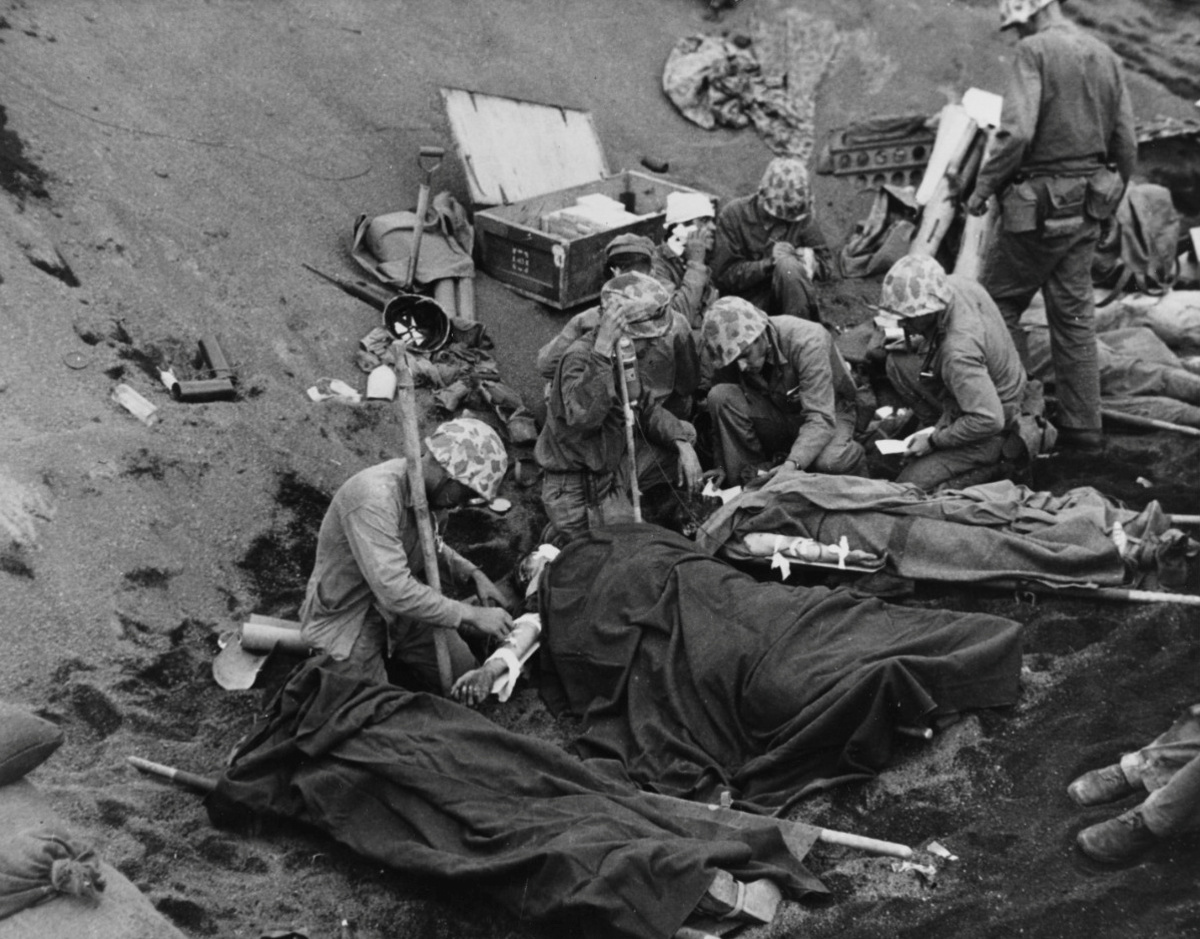
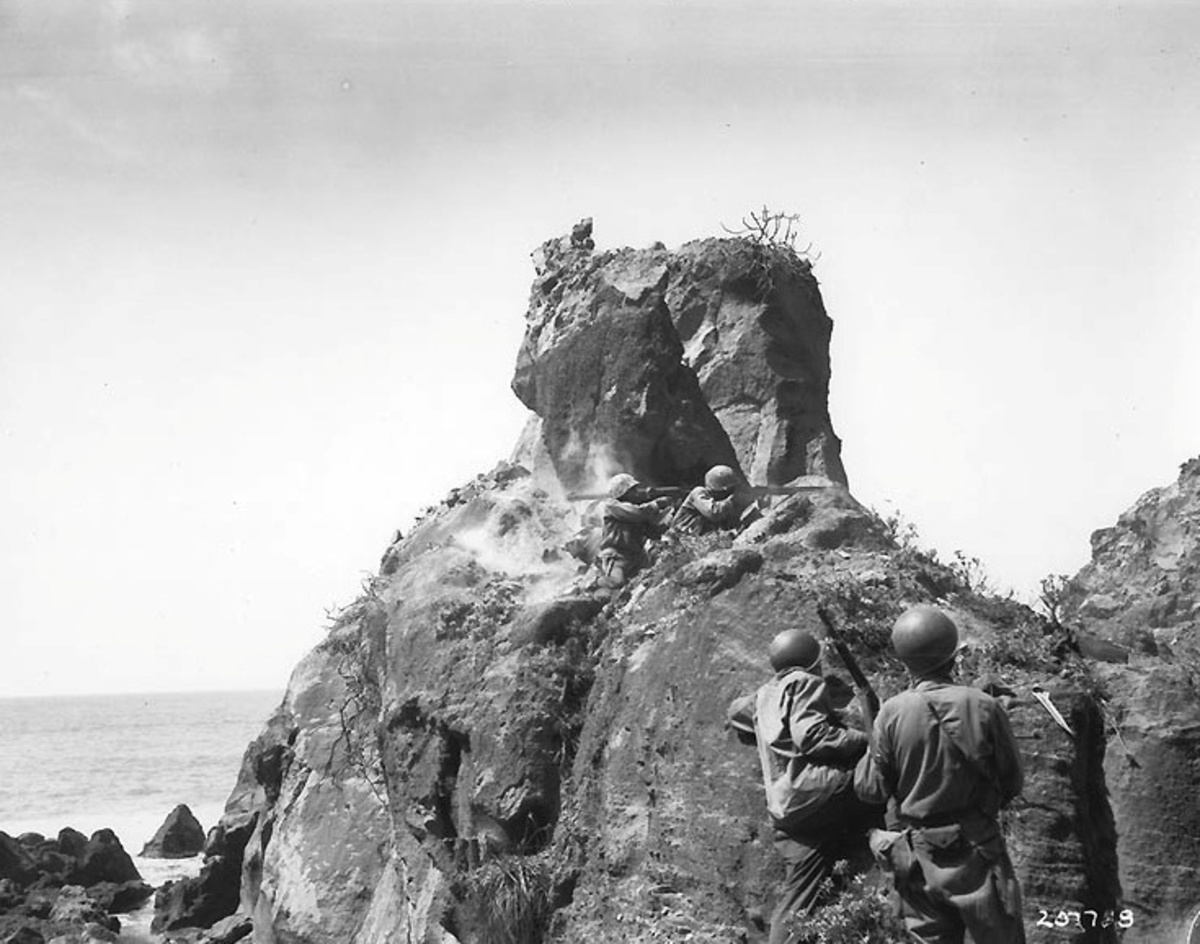
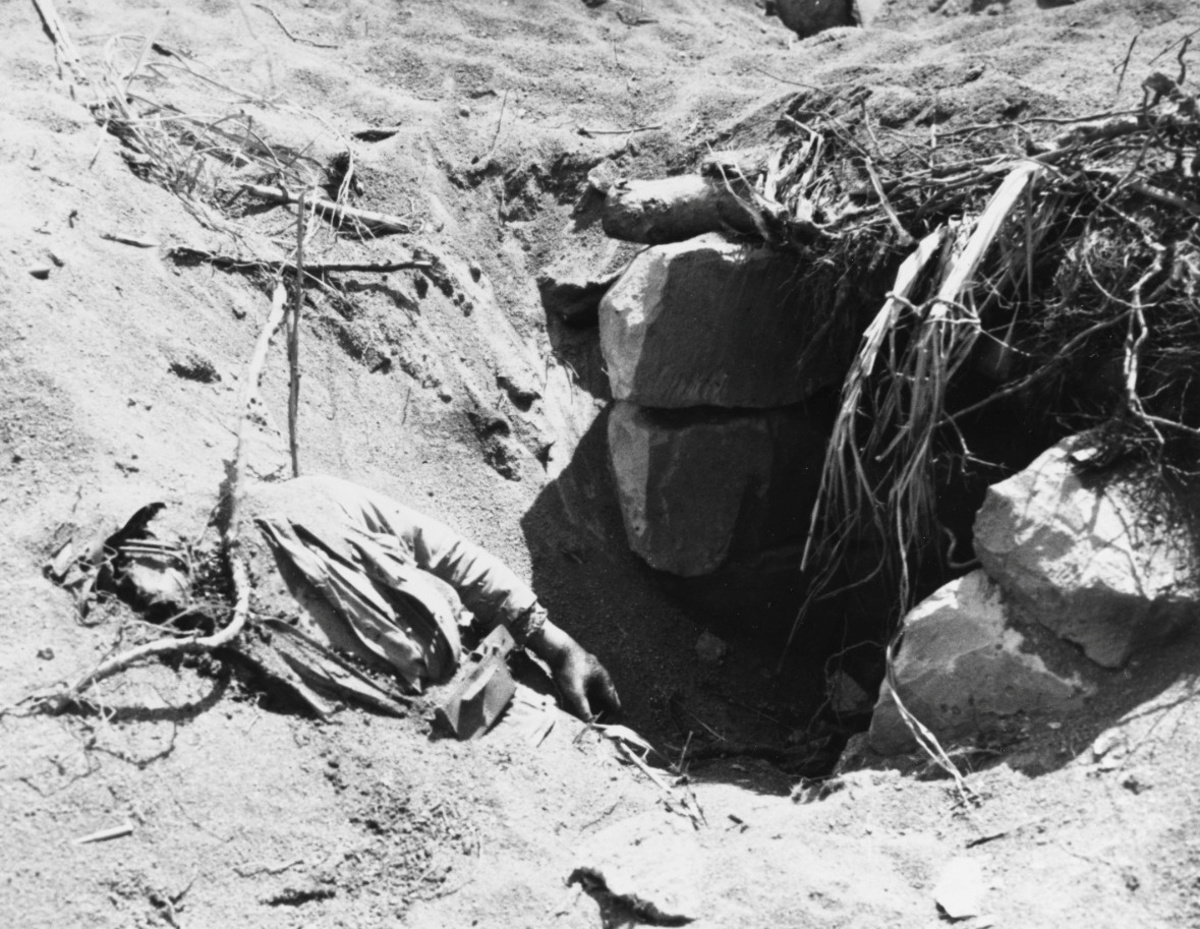
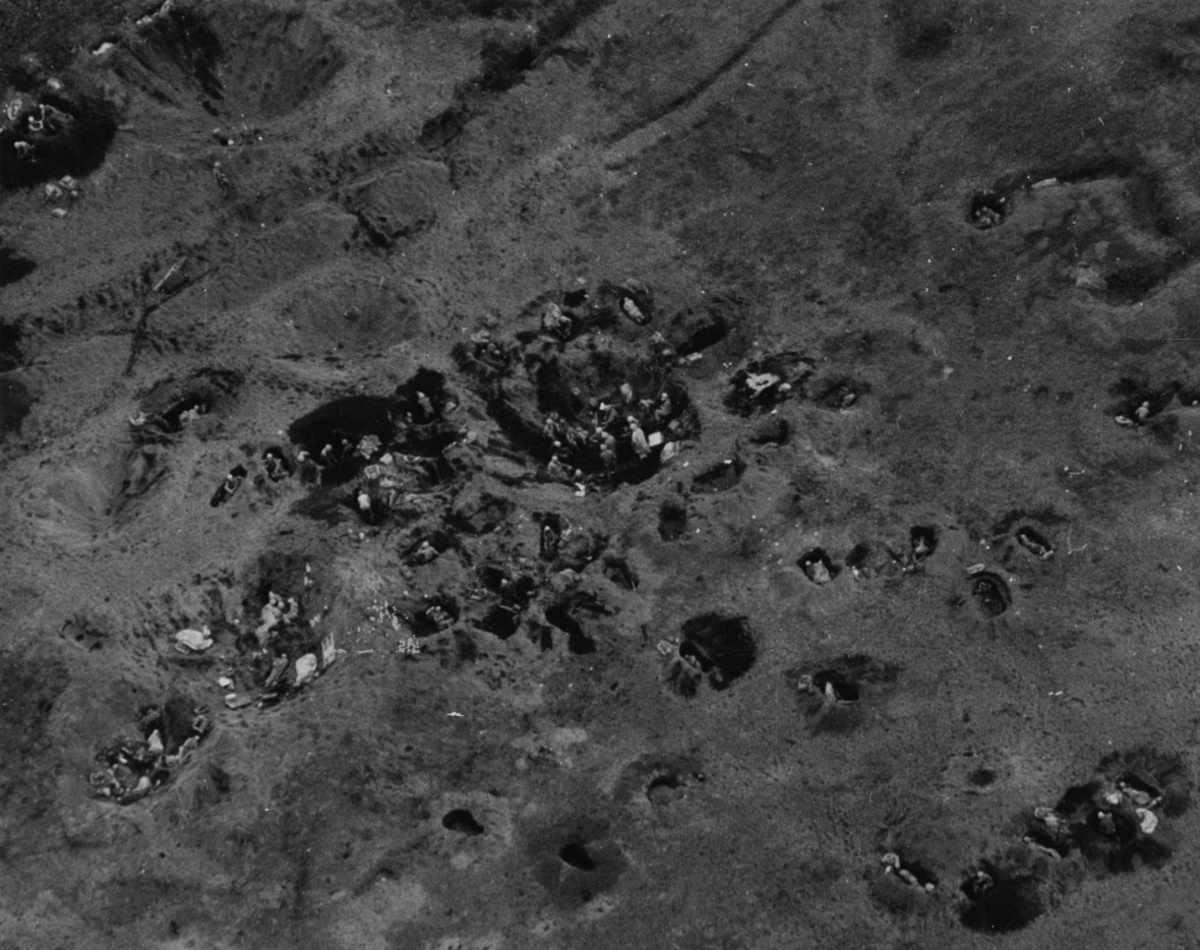
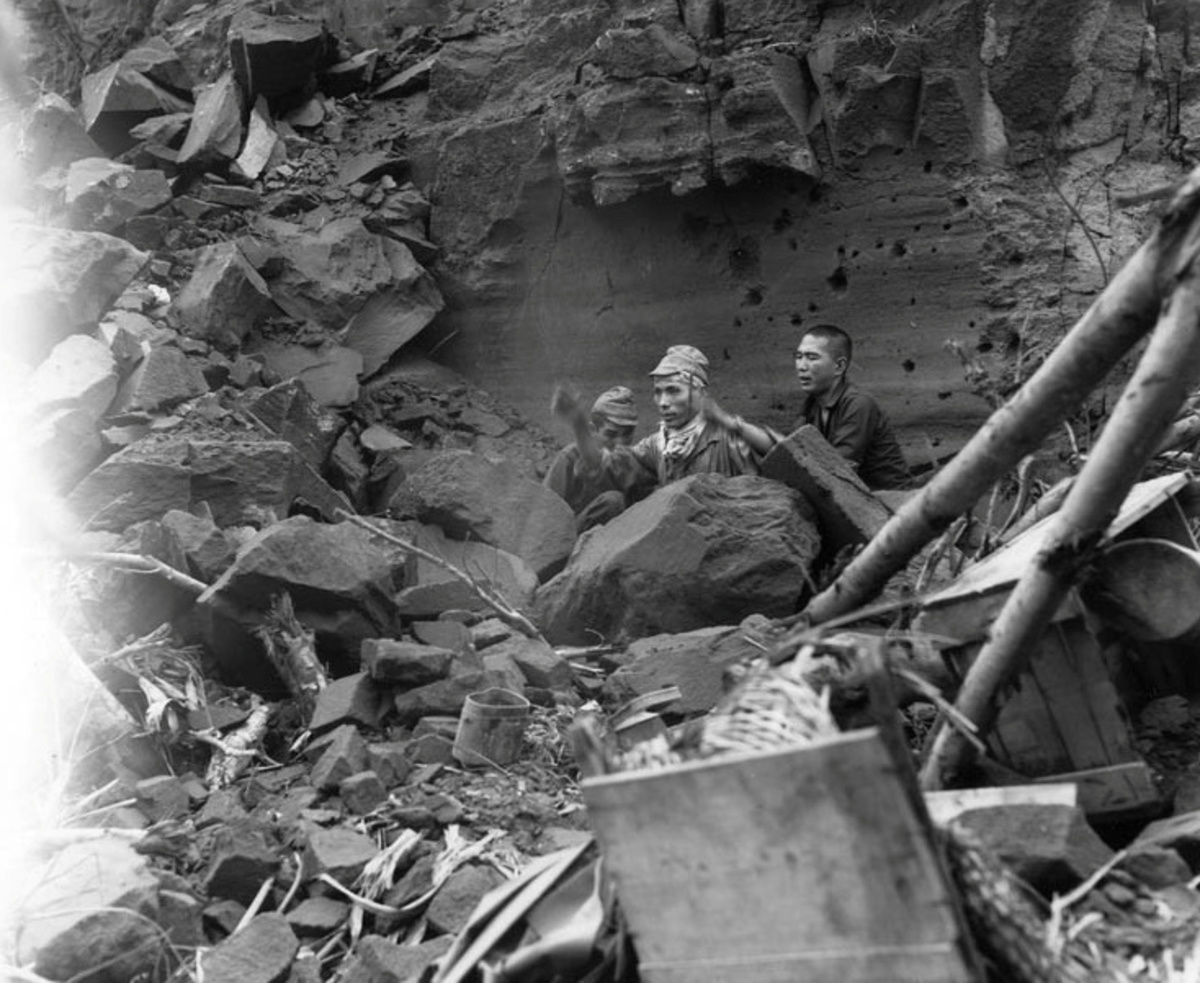
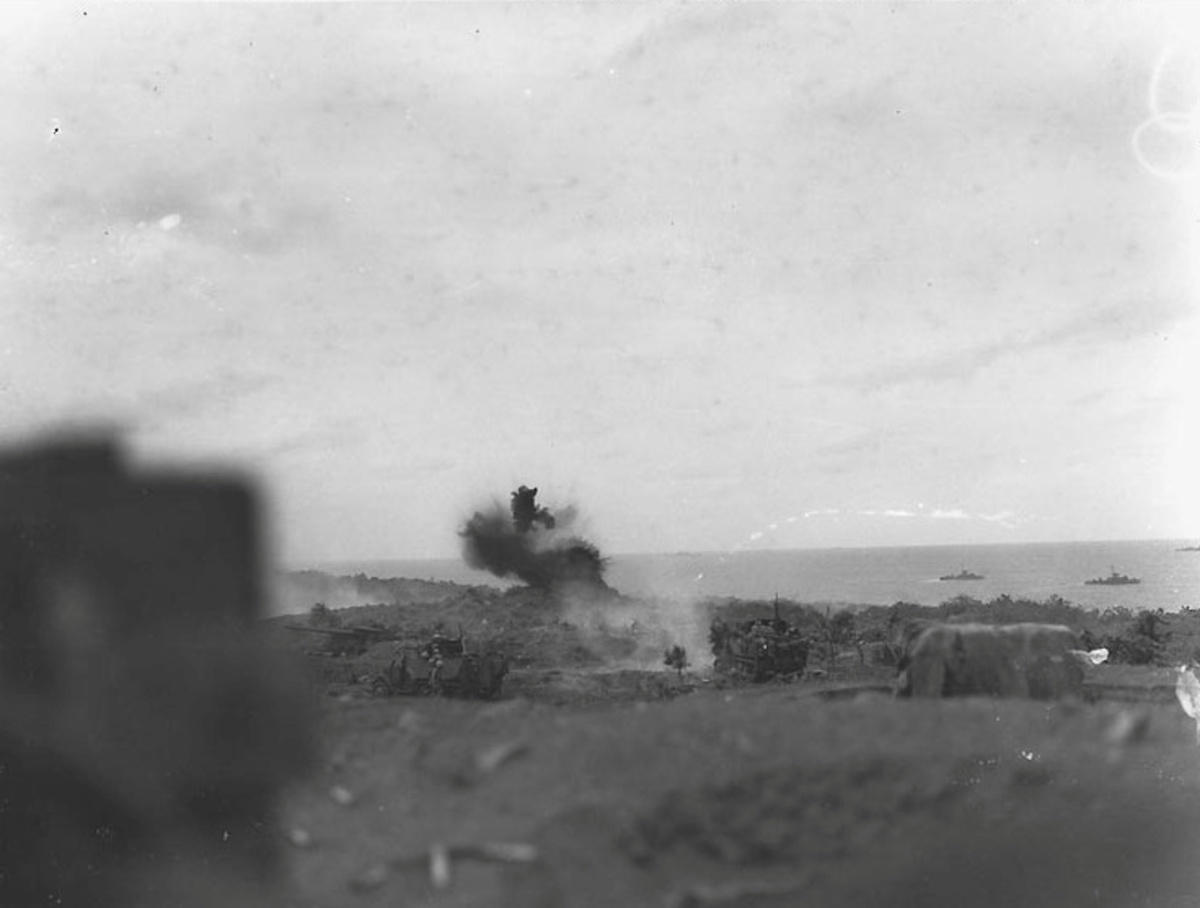
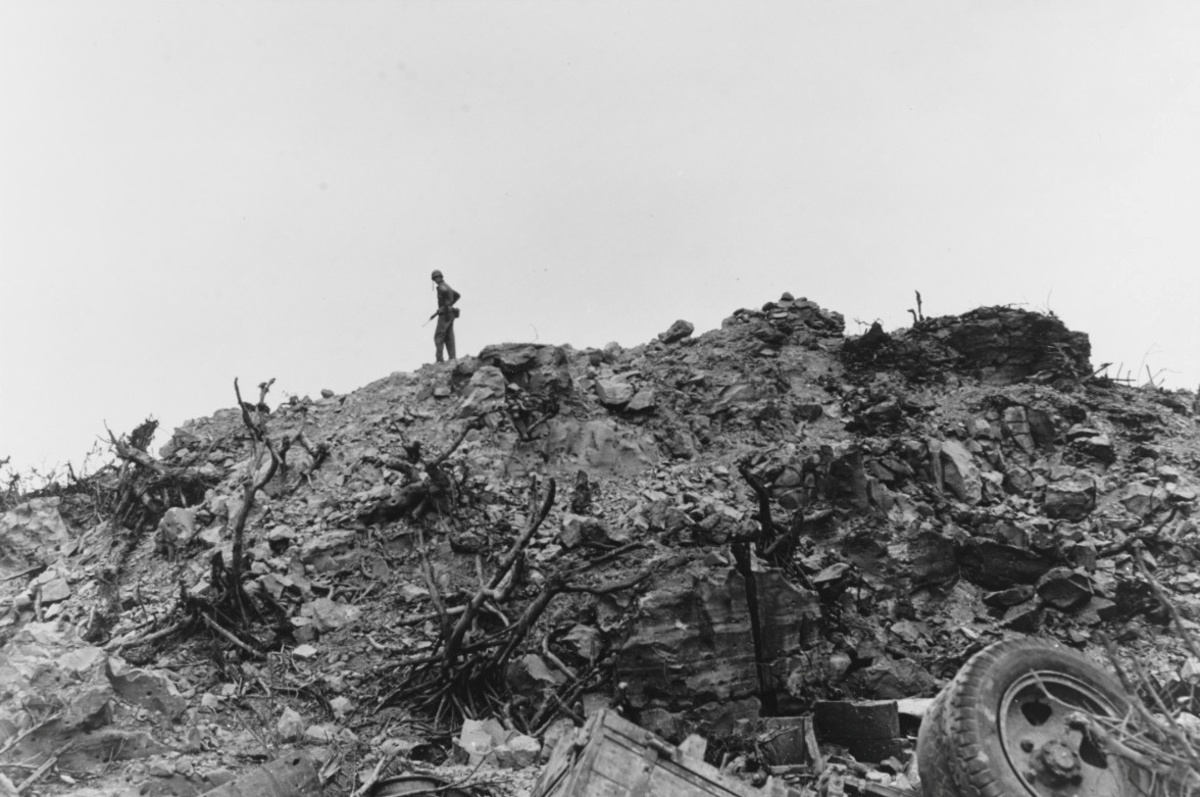
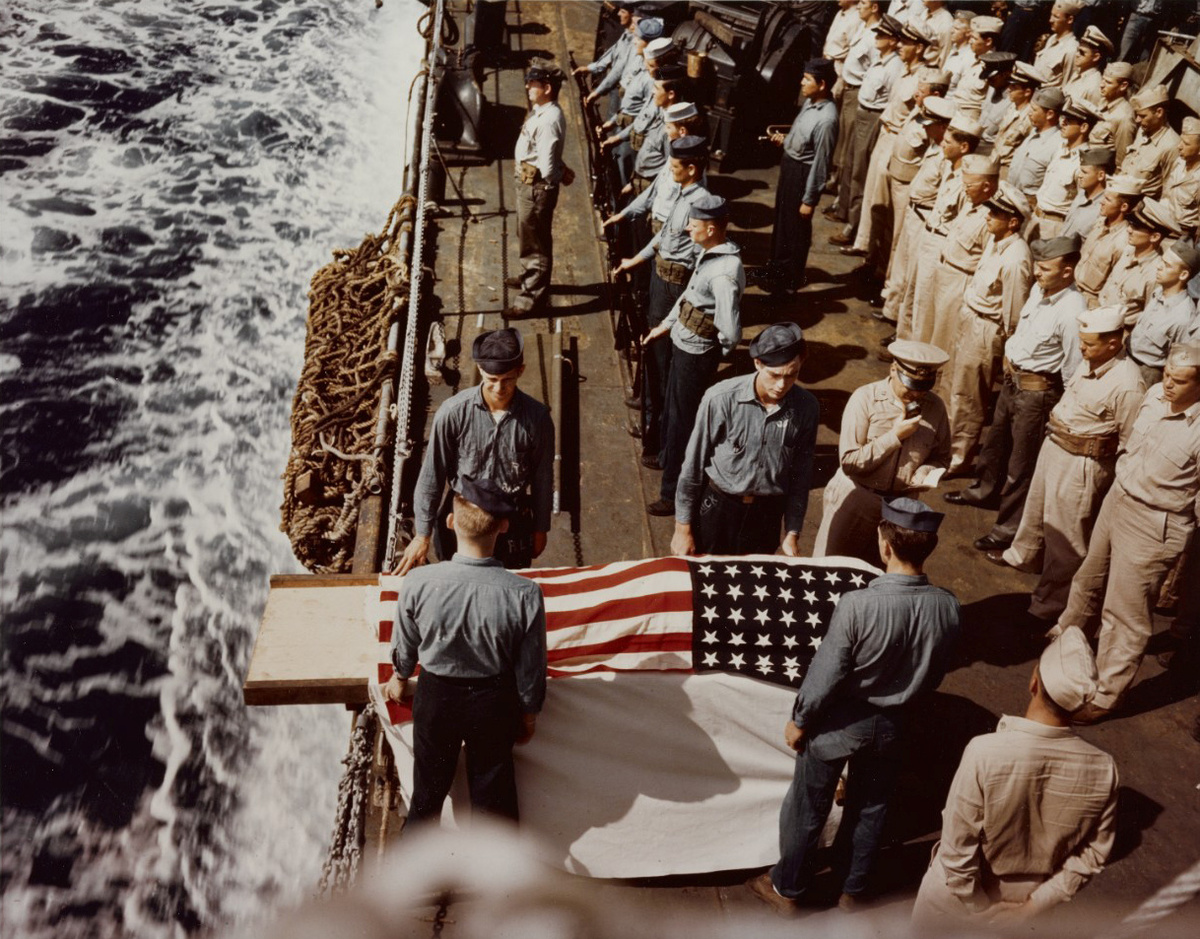
FILE PHOTO: The Iwo Jima memorial is shown under cloudy skies in Arlington, Virginia, overlooking Washington, D.C. February 23, 2005. REUTERS/Jason Reed/File PhotoFILE PHOTO: Family members of soldiers who died in the Battle of Iwo Jima, one of World War II's bloodiest and most symbolic battles, walk around a battery on the remote island of Iwo Jima, which is now officially called Iwo To in Japan, south of Tokyo, March 21, 2015, to mark the 70th anniversary of the battle. REUTERS/Pool/File Photo Wrecked U.S. Marine vehicles litter an Iwo Jima beach, 1945. Courtesy U.S. National Archives/U.S. Navy Petty Officer 3rd Class Robert M. Warren/Handout via REUTERS Explosions rock the Iwo Jima shore during the pre-landing bombardment, February 19, 1945. Photograph taken onboard a USS Sanborn (APA-193) landing craft. Courtesy U.S. Naval History and Heritage Command/Lieutenant Commander Howard W. Whalen/Handout via REUTERS White phosphorus rounds burst ashore during the pre-invasion bombardment of the island of Iwo Jima, February 17, 1945. Courtesy U.S. National Archives/U.S. Navy Photograph/Handout via REUTERS U.S. Marines with the 5th Division inch their way up a slope on Red Beach No. 1 toward Mount Suribachi on Iwo Jima, February 19, 1945. Courtesy U.S. National Archives/Handout via REUTERS FILE PHOTO: Dogtags and pins placed by United States soldiers decorate a signboard at the United States Marine Corps Landing Memorial on top of Mount Suribachi, Iwo-Jima December 13, 2006, the site of a fierce battle between Japanese and United States forces for control of airfields on the island during World War II. REUTERS/Michael Caronna/File PhotoU.S. Marines with the Fourth Division fire on enemy positions from the black sands of an Iwo Jima beach, February 1945. Courtesy U.S. National Archives/Handout via REUTERS A flame thrower in use against Japanese forces holding out in caves along Iwo Jima's coastal cliffs, as the U.S. Army conducts mopping up operations, April 8, 1945. Courtesy U.S. National Archives/U.S. Army Signal Corps Collection/Handout via REUTERS A U.S. Marine injured in the first wave assault at Iwo Jima rests on a bed of life preservers aboard a Coast Guard LCVP, February 19, 1945. Courtesy U.S. Naval History and Heritage Command/U.S. Coast Guard Photograph/Handout via REUTERS U.S. Marines covering the beach area at the southeast edge of Motoyama Airfield on Iwo Jima, 1945. Courtesy U.S. National Archives/U.S. Marine Corps Photograph/Sgt. P. Scheer/Handout via REUTERS U.S. Marines of the Second Battalion, Seventh Regiment, wait to move inland on Iwo Jima soon after going ashore, February 19, 1945. An LVT(A)-5 amphibious tractor is in the background. Taken by a Fifth Marine Division photographer. Courtesy U.S. Naval History and Heritage Command/U.S. Marine Corps Photograph/Handout via REUTERS A wave of Fourth Division U.S. Marines charge ashore on Iwo Jima as another boatload of Marines approaches, February 19, 1945. Courtesy U.S. National Archives/U.S. Marine Corps Photograph/Handout via REUTERS U.S. Marines pass the body of a Japanese soldier while under fire on Iwo Jima, 1945. Courtesy U.S. Naval History and Heritage/U.S. Marine Corps Photograph/Handout via REUTERS A U.S. Marine flamethrower operator with K Company goes over the top to assault a Japanese pillbox on Iwo Jima's Airfield Number Two, February 1945. Courtesy U.S. Naval History and Heritage/U.S. Marine Corps Photograph/Handout via REUTERS U.S. Navy doctors and corpsmen administer first aid to wounded Marines on Iwo Jima, February 20, 1945. Navy Chaplain Lieutenant (Junior Grade) John H. Galbreath (right center) is kneeling beside a man who has severe flash burns. Courtesy U.S. National Archives/U.S. Marine Corps Photograph/Warrant Officer Obie Newcomb, Jr/Handout via REUTERS A U.S. Marine flame thrower operator in action, covered by a pair of riflemen, on Iwo Jima, February 1945. Courtesy U.S. Naval History and Heritage Command/Handout via REUTERS U.S. forces fire a Bazooka rocket into the mouth of a cave along Iwo Jima's rugged northern coast during mopping up operations, April 8, 1945. Courtesy U.S. National Archives/U.S. Army Signal Corps/Handout via REUTERS SENSITIVE MATERIAL. THIS IMAGE MAY OFFEND OR DISTURB A dead Japanese soldier partially covered by sand at the entrance to a pillbox on Iwo Jima, February 24, 1945. Courtesy U.S. National Archives/U.S. Marine Corps Photograph/Handout via REUTERS U.S. Marines shelter in shell craters and foxholes on Iwo Jima, February 21, 1945. Courtesy U.S. National Archives/U.S. Navy Photograph/Handout via REUTERS A U.S. Marine fires a flame-thrower during operations on Iwo Jima, 1945. Courtesy U.S. Naval History and Heritage Command/U.S. Marine Corps Photograph/Handout via REUTERS U.S. Marines raise the American flag atop Mount Suribachi on Iwo Jima, 1945. Courtesy U.S. National Archives/U.S. Marine Corps Photograph/Private Bob Campbell/Handout via REUTERS Three Japanese soldiers emerge from their hiding place to surrender during mopping up operations by the U.S. Army on Iwo Jima, April 5, 1945. Courtesy U.S. National Archives/U.S. Army Signal Corps/Handout via REUTERS Iwo Jima under fire during the pre-landing bombardment, circa February 17-19, 1945. The view looks northeastward, with Mount Suribachi and Tobiishi Point in the foreground. Courtesy U.S. National Archives/U.S. Navy Photograph/Handout via REUTERS A U.S. Marine half-track self-propelled gun blasts an enemy-occupied pillbox on Iwo Jima as two U.S. Navy Landing Craft Support (LCS) pass offshore, February 19, 1945. Courtesy U.S. National Archives/U.S. Marine Corps Photograph/PFC A.L. Farnum/Handout via REUTERS A U.S. Marine surveys the shattered landscape while hunting for remaining Japanese forces on Iwo Jima, March 1945. Courtesy U.S. National Archives/U.S. Navy Photograph/Handout via REUTERSBurial at sea for a casualty of the battle for Iwo Jima onboard the USS Hansford, circa February 25-28, 1945. Courtesy U.S. National Archives/U.S. Navy Photograph/Handout via REUTERS
Sign up to read this article
Read news from 100’s of titles, curated specifically for you.