Dollar Tree is predicting a tepid 2026 with fewer store openings and slower sales growth.
The bargain retailer, which sells many items for $1.25, projects sales of up to $20.7 billion this year - up 6.7 percent year-on-year but lagging behind 2025's 10.7 percent growth, according to the company’s fourth quarter and full year results Monday. The company plans to open 400 stores in 2026 - slightly down from 402 in 2025, and 525 locations in 2024.
While the company expects slow growth this year, Dollar Tree did well in 2025 which may have to do with the fact that younger generations are turning to dollar stores for essentials. Some 60 percent of Millennials and Gen Z do grocery and household goods shopping at dollar stores, according to a 2025 study from financial services company Empower.
Some 35 percent of Gen Z shoppers say their monthly spending is higher than expected, according to a 2025 study from Bank of America, so a dollar store’s affordable lineup is likely an attractive option.
Dollar stores are known to have cheap sundries, including kitchen items, paper products, stationery, personal care products and groceries.
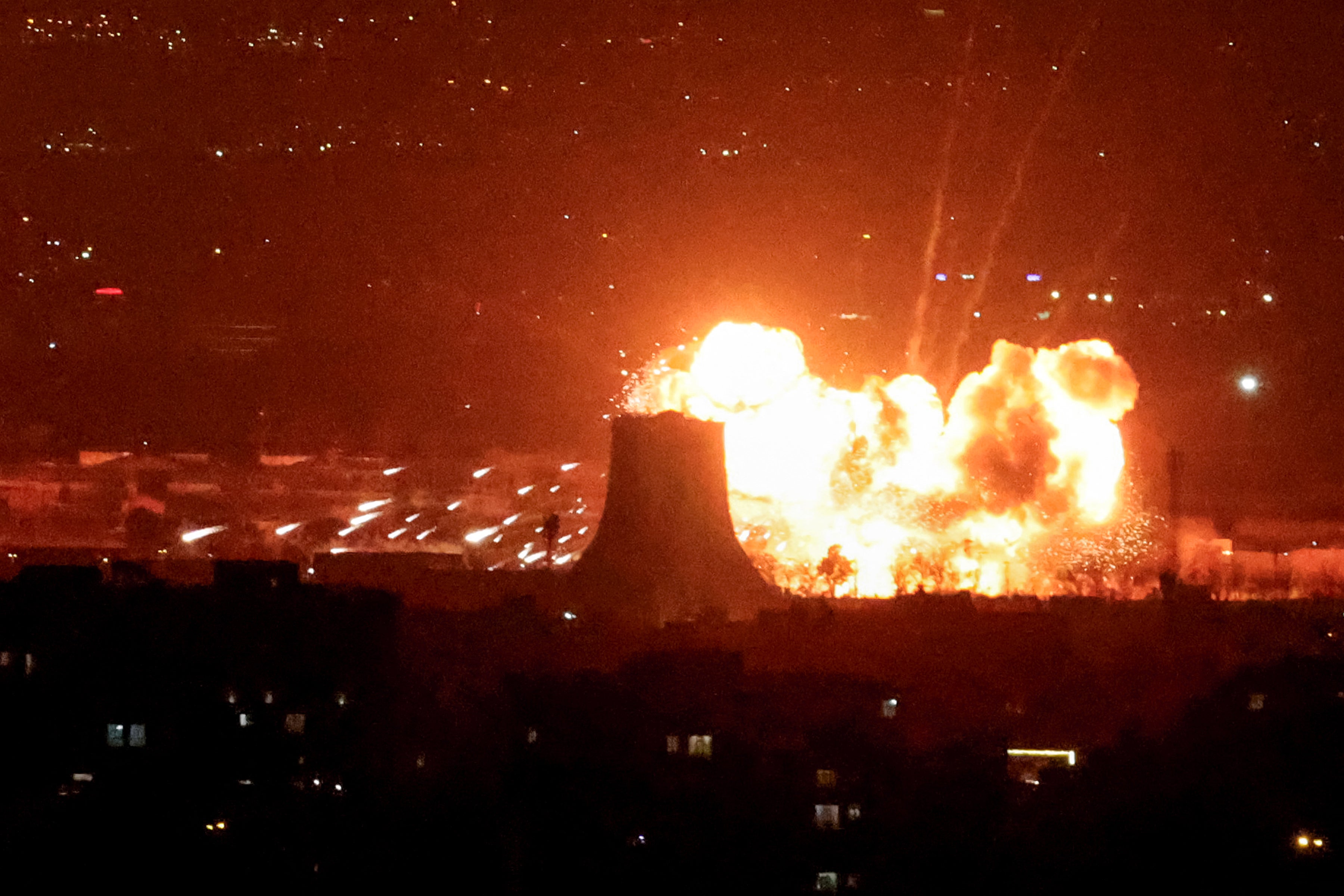
The focus on saving isn’t limited to specific generations, either. American consumers are feeling pessimistic in general after the outbreak of the U.S. war with Iran.
Consumer sentiment - a measure of how positive or negative people feel about their finances and the economy - fell 2 percent heading into March, according to the University of Michigan’s most recent “Survey of Consumers.”
The war played a key role in the negativity. Sentiment improved before the war, the study noted, but it dipped after the war started, erasing the initial optimism.
Gas prices - which jumped 50 cents per gallon from the war’s start on February 28 to March 9 - were a main concern among consumers, the study found.
The inflation rate is expected to hit 3.6 percent by May - the highest in more than two years - because of rising energy prices, according to a recent memo from financial services firm Allianz, as consumers already struggle with higher cost-of-living.
The war’s impact will be felt beyond the pump, too, according to nonpartisan policy institute Center for American Progress.
Spikes in the cost of natural gas and fertilizer, both of which are impacted by a significant slowdown in shipping through the Strait of Hormuz along Iran’s coastline, will likely increase the cost of grocery items.
American food production relies on natural gas to power farm equipment and food transport, while fertilizer prices are rising as shipping slows through the Strait of Hormuz.
7 in 10 Americans believe Trump’s tariffs have caused higher prices, new poll finds
When does auto loan refinancing make sense, and how much can I save?
McDonald’s is planning a new $3 value meal menu to win over budget-worried Americans
Credit card rates are near all-time highs – this one move could save you thousands