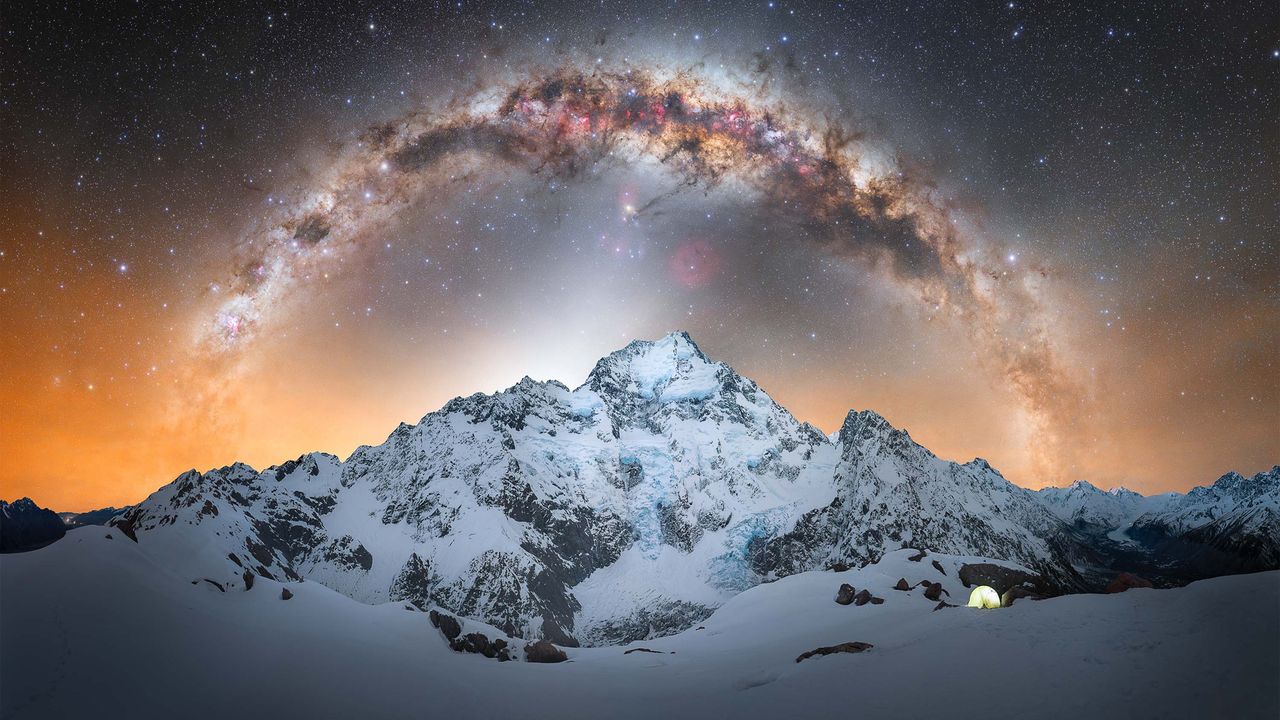
The journey to capture this award-winning image of the Milky Way above Aoraki in New Zealand (formerly known as Mount Cook) required far more than technical expertise behind the camera – it became "one of the most demanding challenges I had set for myself," says the photographer.
To reach the remote alpine location, astrophotographer Owain Scullion navigated steep rocky terrain and snow-covered slopes in challenging winter conditions, pursuing a photograph that would test both his endurance and decision-making.
The effort ultimately paid off. Scullion's image Aoraki Mt Cook has been selected for Capture the Atlas' 2026 Milky Way Photographer of the Year collection, which celebrates some of the world's finest night-sky photography.
How 'Aoraki Mt Cook' was captured
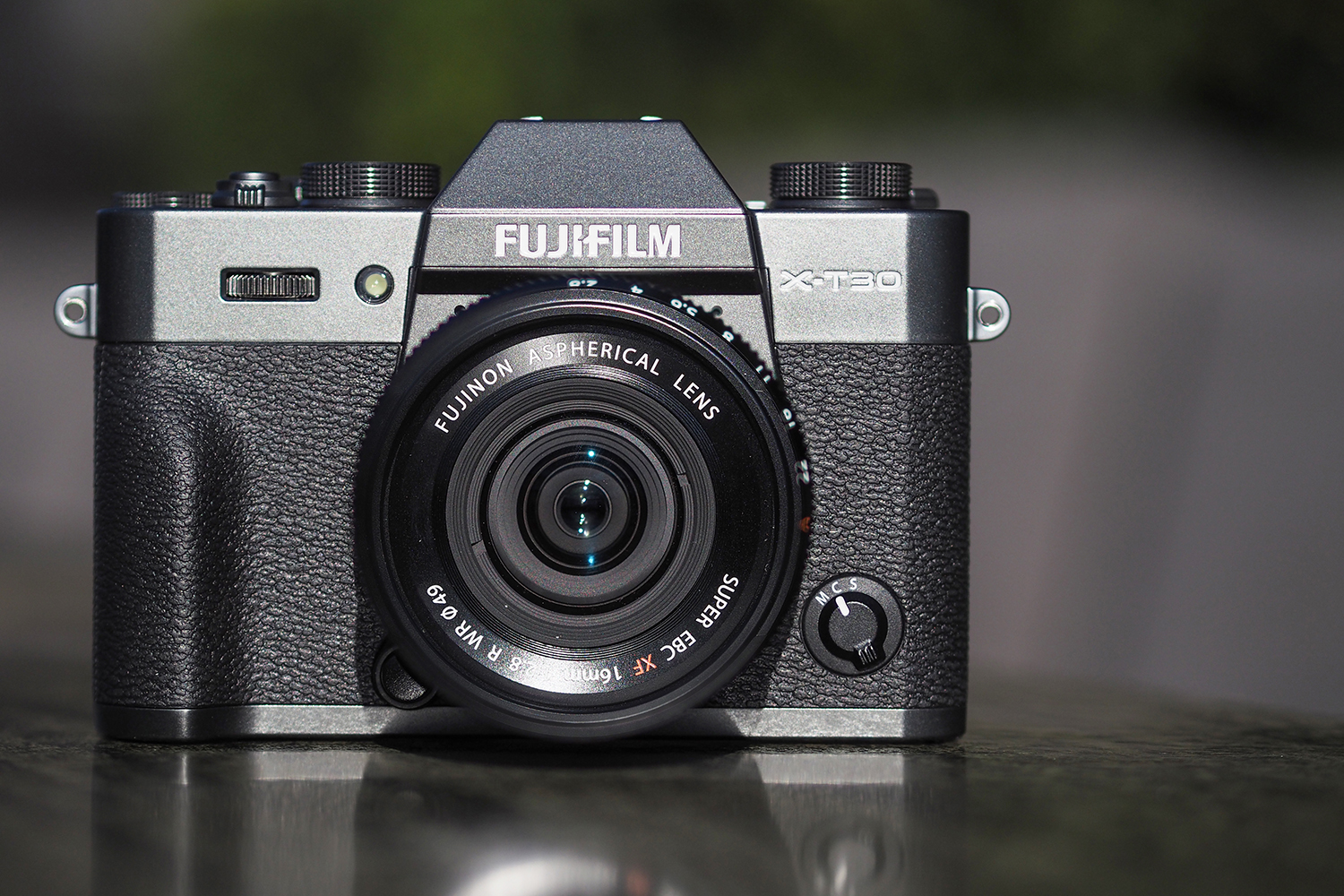
Gear: Fujifilm X-T30 Astro-modified, Fujifilm XF 23mm f/2.8 R WR, Viltrox 27mm f/1.2 Pro
Accessories: MSM Nomad star-tracker, Kase star glow filter, Nantong H-alpha filter
Exposure for sky: 60sec, f/1.4, ISO 800,
Exposure for ground: 60sec, f/2.0, ISO 1600
Scullion says, "My goal with astrophotography has always been to combine my passion for mountains, adventure, and the landscapes of New Zealand.
"Capturing the Milky Way arch above Aoraki / Mount Cook, the central peak of the national park, became one of the most demanding challenges I had set for myself.
"The route presented constant challenges, including large washouts along the mountainside, unstable snow affected by solar radiation, and the demands of winter camping at altitude.
"Being positioned so close to Aoraki added a sense of scale and intensity to the moment, especially as the western arc of the Milky Way moved into alignment above the mountain.
"With only a brief window to capture the scene, there was little margin for error. This image represents that single opportunity, where preparation, experience, and timing came together to document a moment that felt both challenging and deeply rewarding."
You might like...
Capturing stunning images of the night sky and space starts with having the right gear. Check out our guides to the best cameras for astrophotography and the best lenses for astrophotography.
Looking for competitions to enter? Here are 10 global photo contests now open for entries from May to December.