
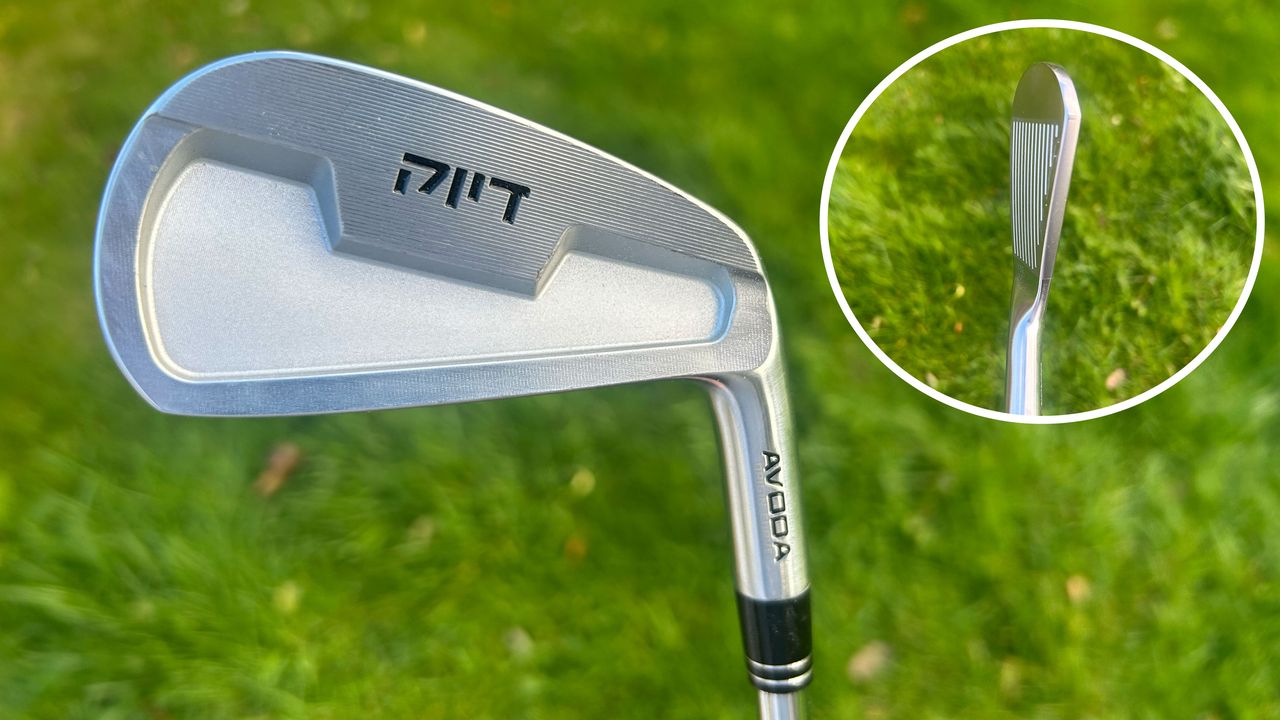
In an era of marginal gains, genuine golf club innovation can feel elusive. Yet, Avoda Golf has burst onto the scene with a concept so radical - and so immediately proven - that it demands your attention: the curved face iron.
This is not a theoretical experiment. In one of the great equipment stories of recent memory, Bryson DeChambeau won the 2024 US Open using Avoda’s curved face irons, immediately validating the technology on the toughest stage in golf. More recently, the momentum has continued, with Jason Day reportedly bagging a prototype set as he chases greater consistency in his ball-striking.
WATCH: The Avoda Curved Face iron is put through its paces on the Golf Monthly Reviews YouTube channel
The question is, can this Tour-proven concept translate to the everyday golfer? Perhaps more importantly, is it still beneficial when you're not swinging like a major champion?
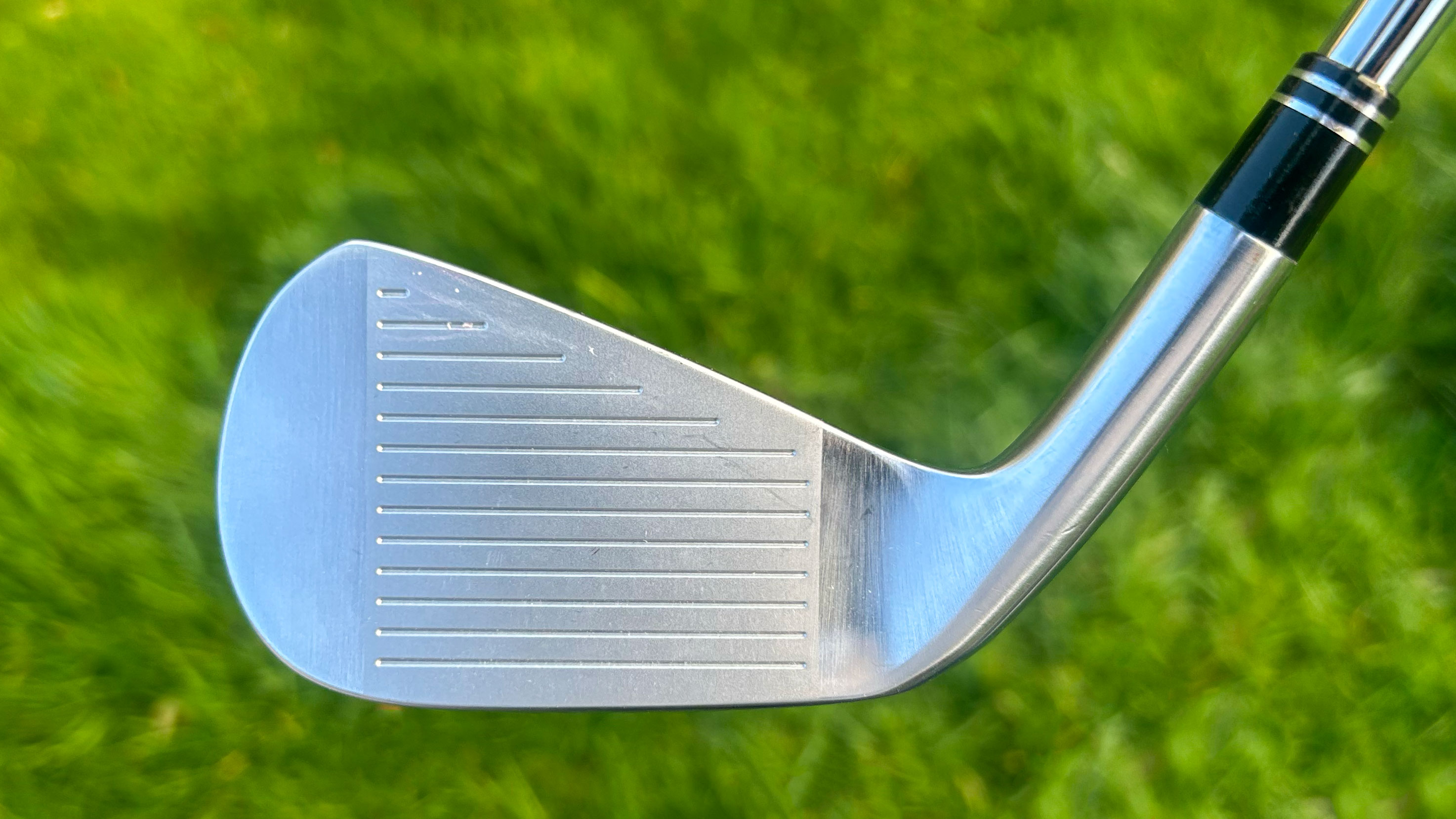
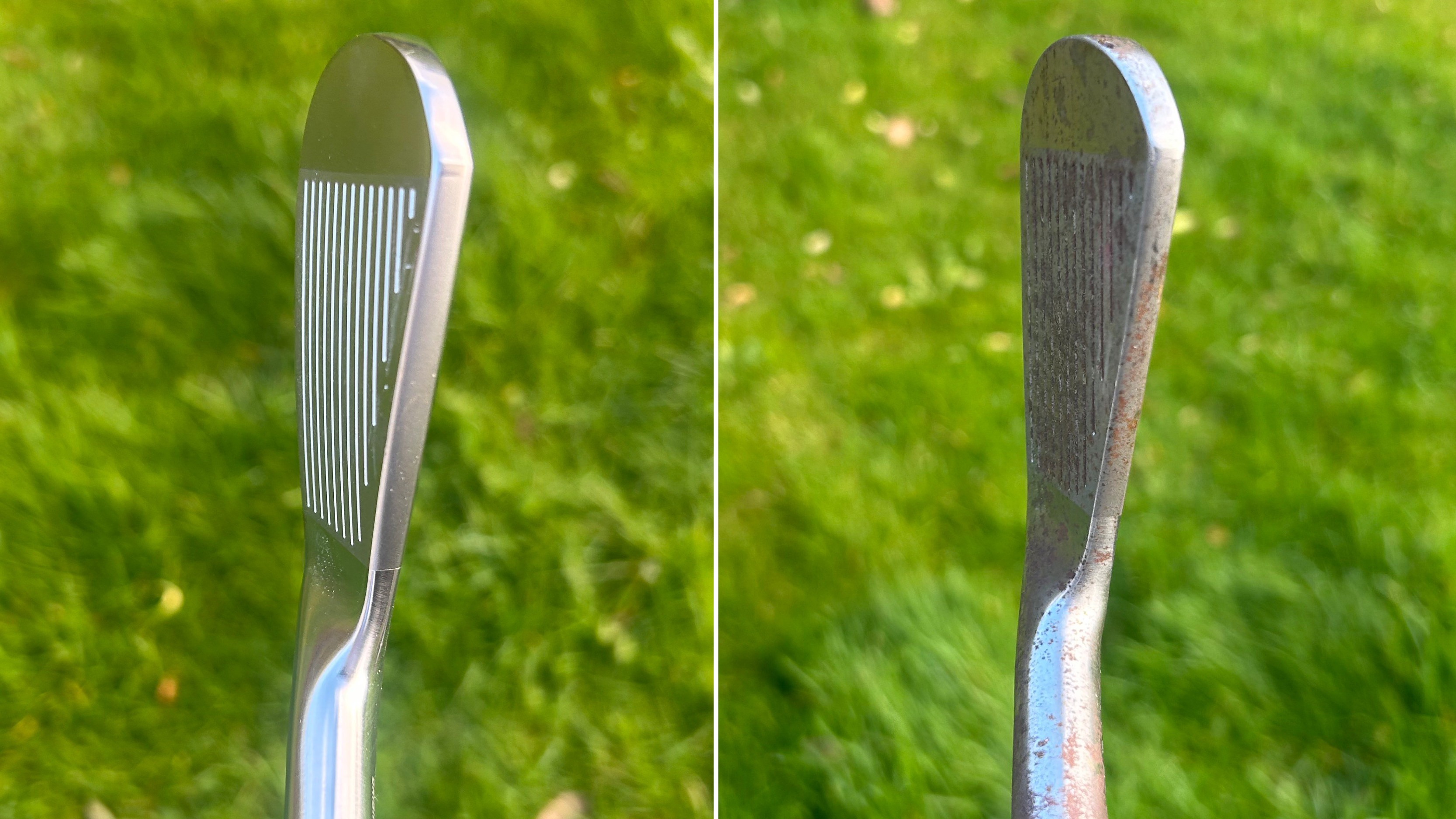
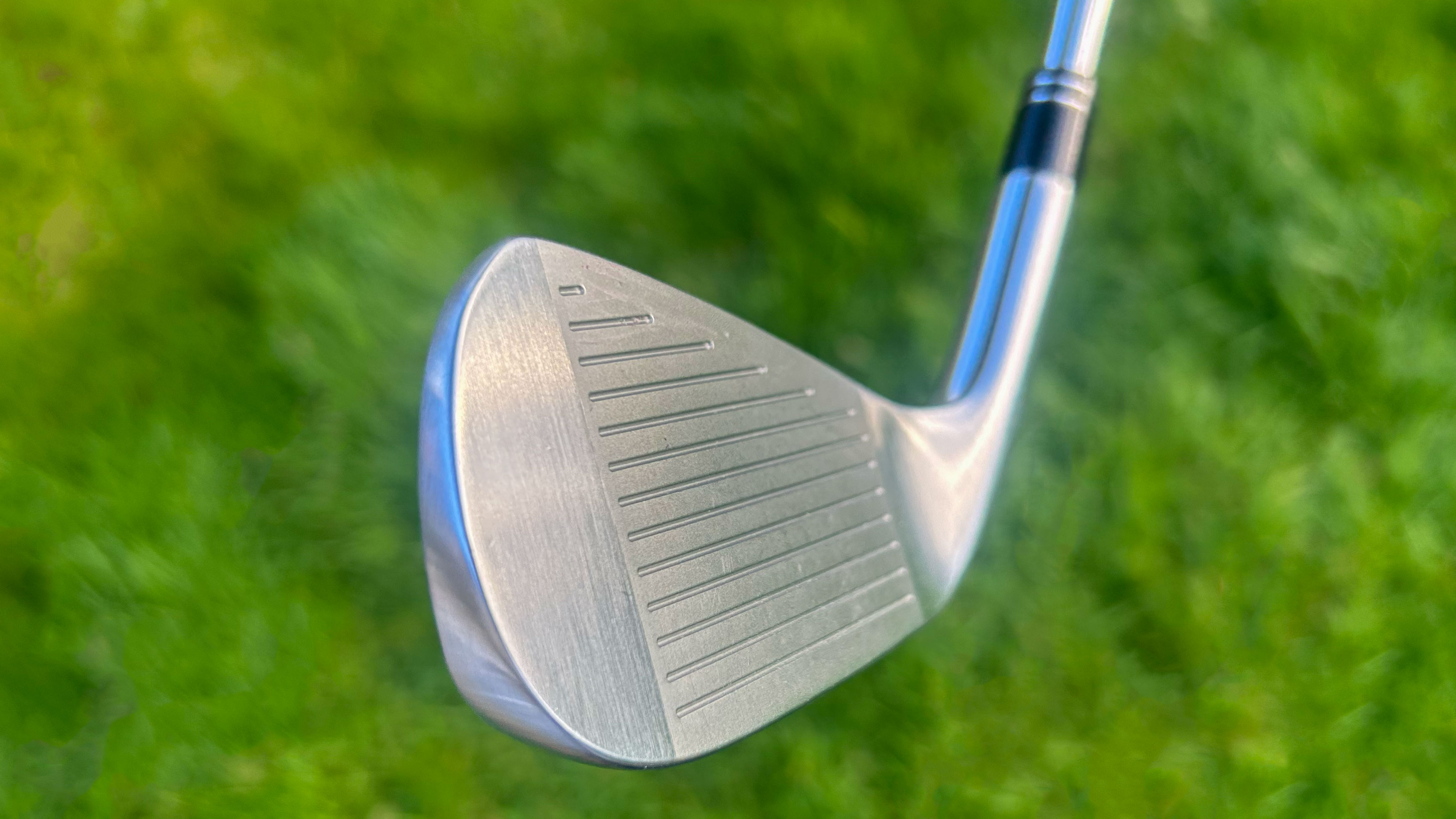
The technical premise behind Avoda’s design is simple yet profound, borrowing directly from driver technology. The irons feature a horizontal ‘bulge’ or curvature across the face, which is precision CNC-milled to exacting standards. This curvature is designed to directly counteract ‘gear effect’ - the phenomenon where a toe strike causes the clubface to deflect slightly open, and the ball to roll slightly towards the centre in order to chase the CG (leading to a draw), and a heel strike causes the opposite ball flight tendency.
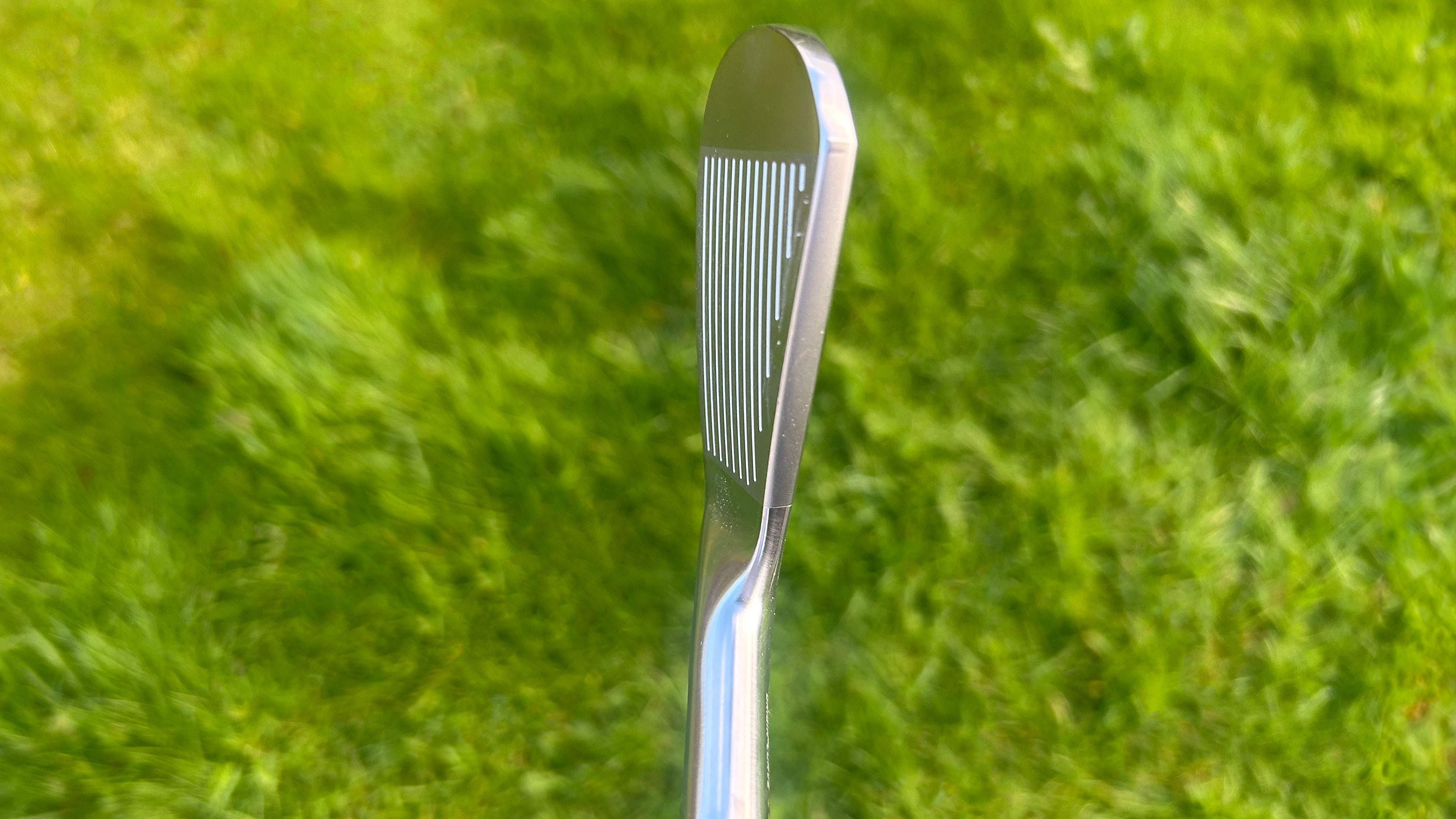
By starting the ball slightly in the opposite direction of the off-center hit, the curvature works like two meshing gears, effectively mitigating the tilted spin axis and delivering a straighter result. Avoda’s core promise is to dramatically reduce side spin on mishits and improve dispersion.
I have always loved companies that push the boundaries of convention, and I genuinely think there is something immensely powerful in this idea from a technical standpoint. In a game fixated on speed, Avoda is confident that these irons work better the quicker you are in clubhead speed, arguing that the increased face twist at high velocities is better managed by the bulge.
Prior to receiving this retail version for testing, I was fortunate enough to get access to a set of the most precise models available. In a once-in-a-lifetime experience, I played with Bryson DeChambeau’s spare set (one of only two in the world in his exact specification) in a UK PGA event, somehow managing to win, a performance I subsequently documented on YouTube. What I experienced that day had me utterly intrigued.
However, my further extensive testing revealed the critical complexity of this technology. My main concern was how shots hit with less than maximum effort would react, and this ultimately proved to be the sticking point.
At full speed, comparing the Avoda Curved Face to the flat-faced equivalent (in the exact same spec and shaft), along with my fellow testers, I was noticeably tighter in dispersion and observing exceptionally straight ball flights. The technology absolutely delivered on its promise.
However, when I tried to play some controlled, three-quarter off-speed shots or ‘knock-downs’ - the kind of scoring shots critical to scoring at an elite level - the dispersion patterns completely reversed. The flatness of the traditional face seemed to offer more predictable results at reduced speeds, while the curvature on this test set seemed to introduce unexpected variables.
The Avoda Curved Face iron is a breathtaking piece of engineering that has already changed professional golf. The ability to minimize spin axis tilt on a player’s iron is the holy grail of consistency and, at full speed, the data support the notion that this is the best concept on the market.
My hesitation rests entirely on the speed-dependence. I can't quite wrap my head around how this concept could work optimally for the entire spectrum of players, from 110 mph tour speed down to 75 mph amateur speeds, without compromise.
The future, I believe, lies in customization. I wonder if a different level of curvature could be matched to different swing speeds, similar to the variable bulge concept that LA Golf has tried to implement with its drivers.
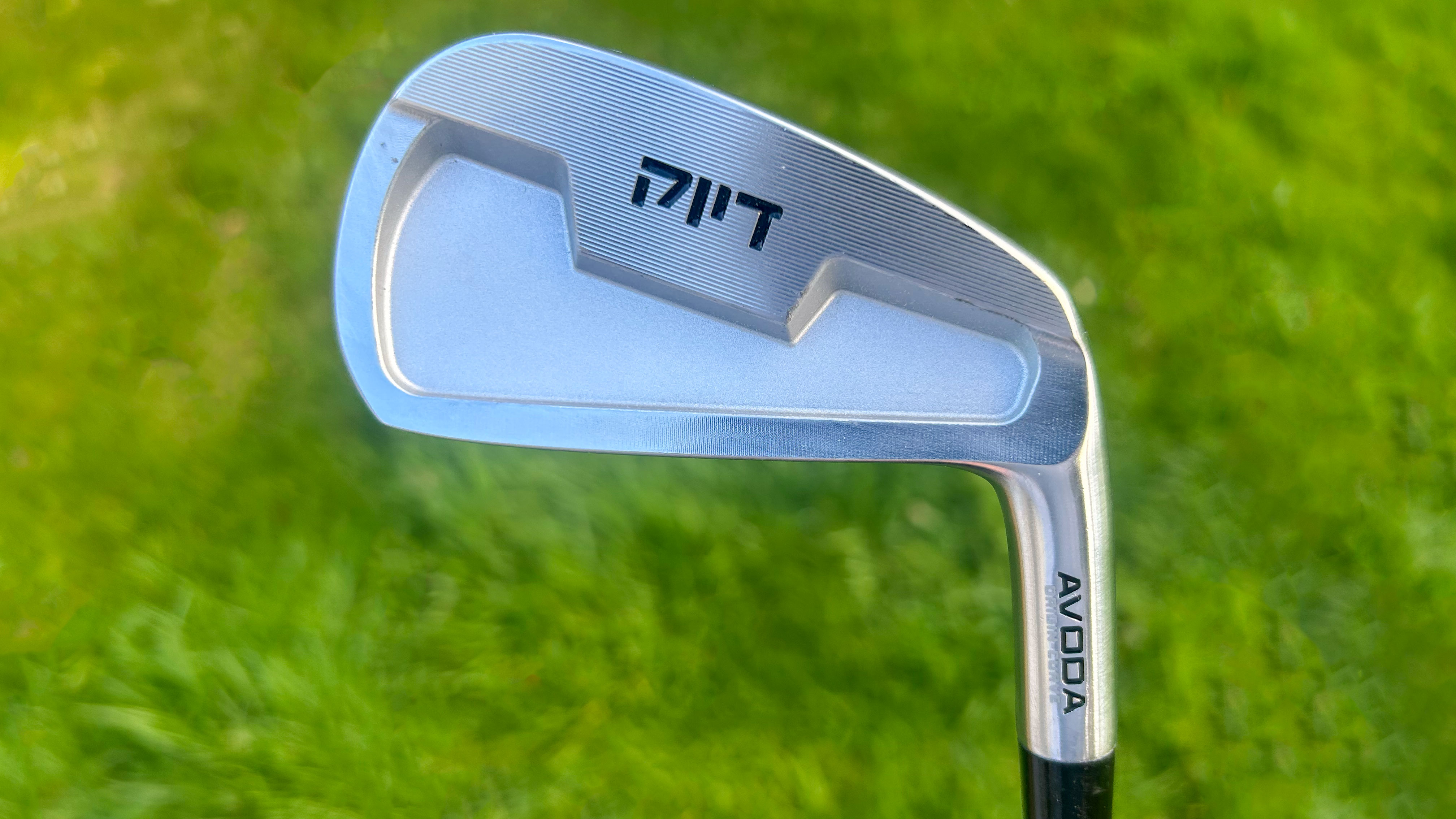
As it stands, Avoda has produced a world-class iron for the player who swings hard and wants to eliminate curvature. If you fall into that category, these are a non-negotiable trial. For everyone else, Avoda has laid the essential groundwork for the next generation of iron design - but for me, the full potential of bulge and roll irons for all speeds has yet to be unlocked.
For the record, I absolutely believe that Avoda will be the company to do it.