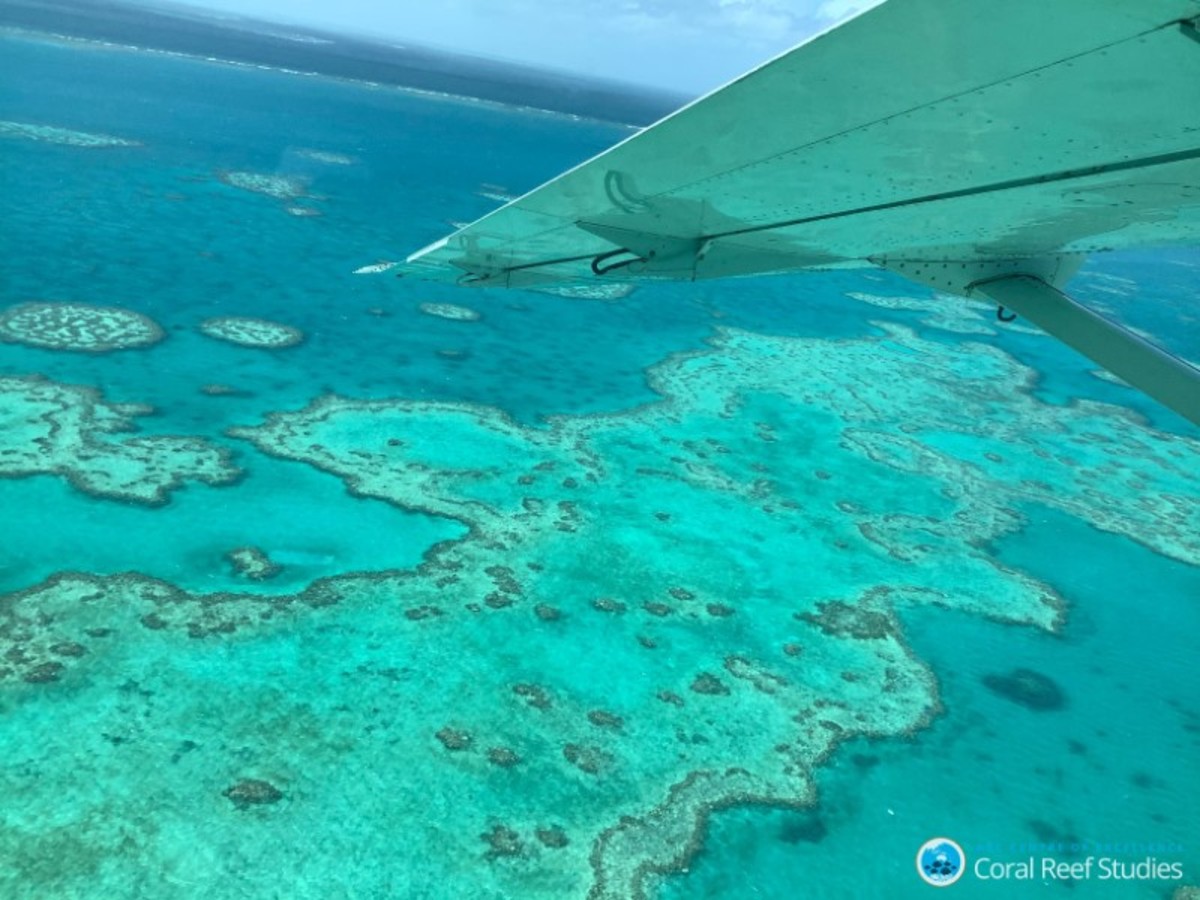
Australia's Great Barrier Reef suffered its most extensive coral bleaching event in March, with scientists fearing the coral recovers less each time after the third bleaching in five years.
February 2020 was the hottest month on record since records began in 1900, Terry Hughes, Director of the ARC Centre of Excellence for Coral Reef Studies at James Cook University, told Reuters.
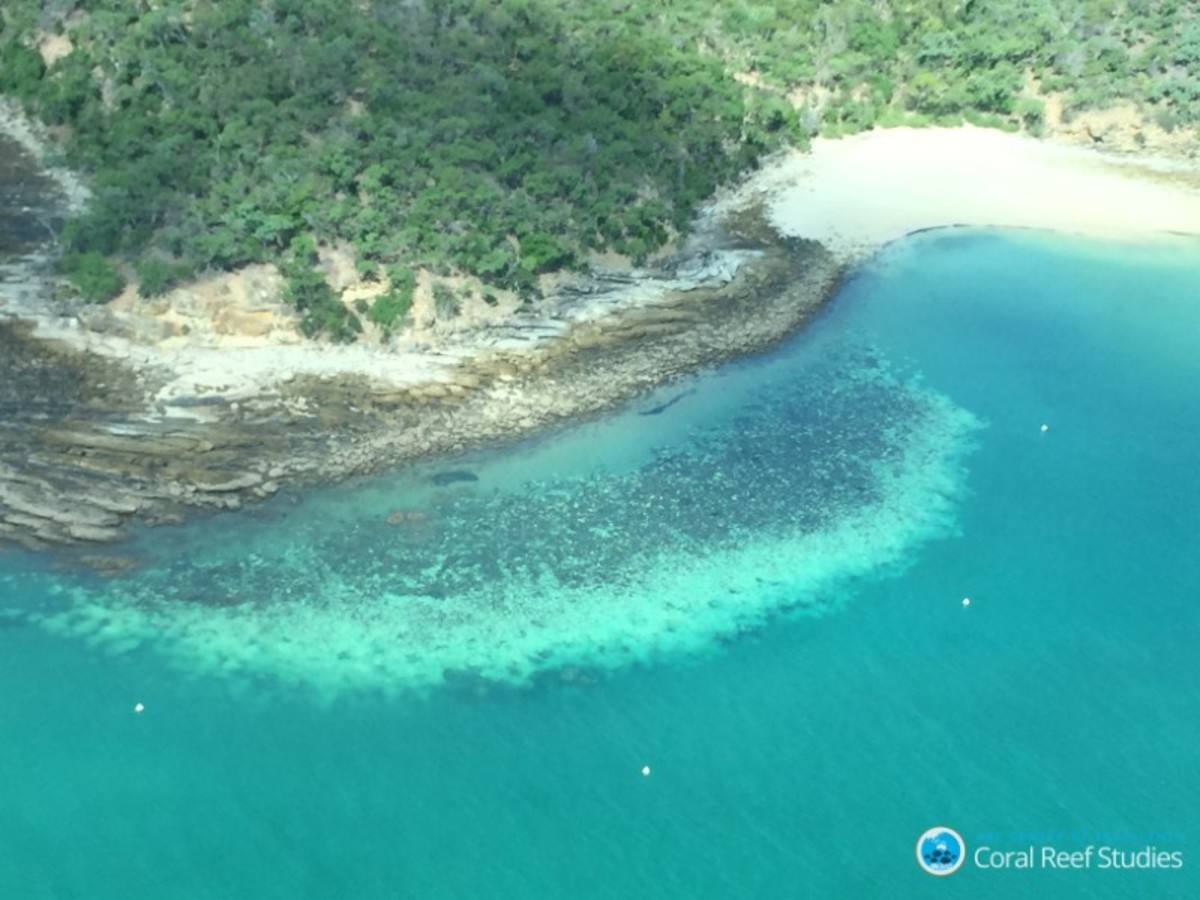
"We saw record-breaking temperatures all along the length of the Great Barrier Reef, there wasn't a cool portion in the north, or a cool portion in the south this time around," Hughes said.
"The whole Barrier Reef was hot so the bleaching we have seen this year is the most extensive so far."
Hughes added that he is now almost certain that the Reef is not going to recover to what it looked like even five years ago, not to mention thirty years ago.
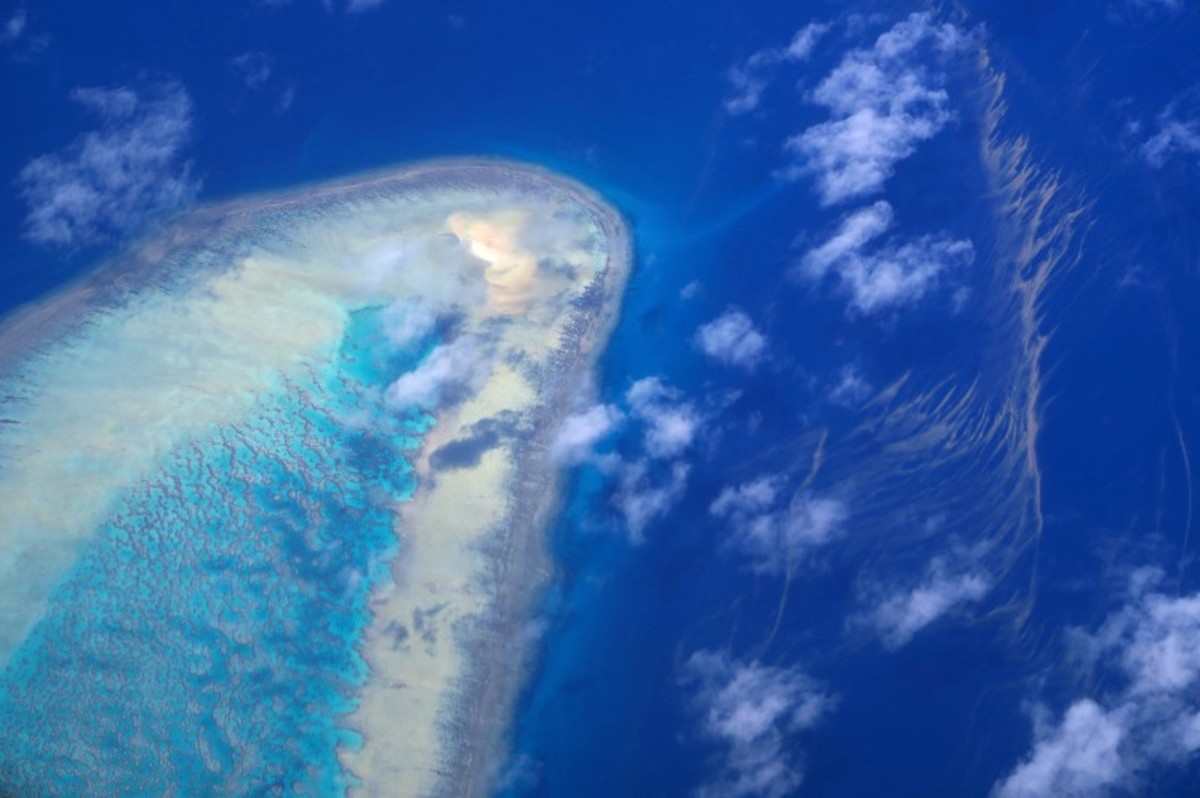
If the global warming trends continue the Great Barrier Reef will be destroyed, he said.
"We will have some sort of tropical ecosystem, but it won't look like coral reef, there might be more seaweed, more sponges, a lot less coral, but it will be a very different ecosystem."
The Great Barrier Reef, covering 348,000 square kilometres (134363 sq miles) was world heritage listed in 1981 as the most extensive and spectacular coral reef ecosystem on the planet, according to the UNESCO website.
(Reporting by Stefica Nicol Bikes in Sydney. Writing by Melanie Burton in Melbourne; Editing by Simon Cameron-Moore)