
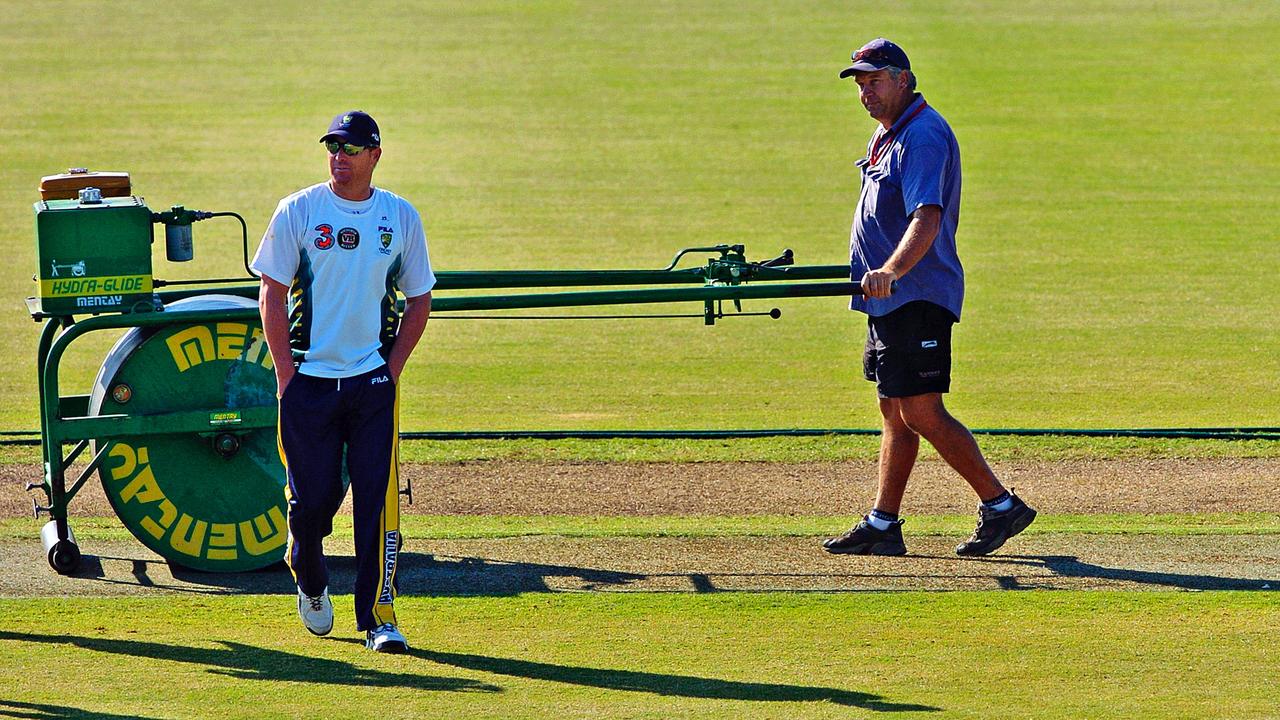
Marrara Stadium in Darwin will host its first Test match in 22 years and head curator Jake Pavlich is rightly proud of the drop-in split-pitch Australia and Bangladesh will play on.
The narrow centre square will provide different challenges for the batters in particular when the first Test begins on Thursday, but the split in the middle is nothing for players to fear.
"It won't affect the play. It is just a bit of aesthetics," Pavlich explained.
"There will be a visible line but it is flat."
The split-pitch was first used in Australia in Darwin when Bangladesh was also the visiting Test side in 2003.
The pitch is prepared in metal trays in a compound and consists of two 12 metre sections. This is necessary because of the infrastructure underneath the pitch area which Pavlich said consists of "a concrete slab with sand over it".
"When it goes into the compound we make sure it is perfectly together so we prepare it as a full-length pitch," Pavlich said.
"You do this work for 10 months on a full-length pitch and then you cut it in half and take it out there."
The Marrara surface received raved reviews when Australia played South Africa in T20 internationals last year.
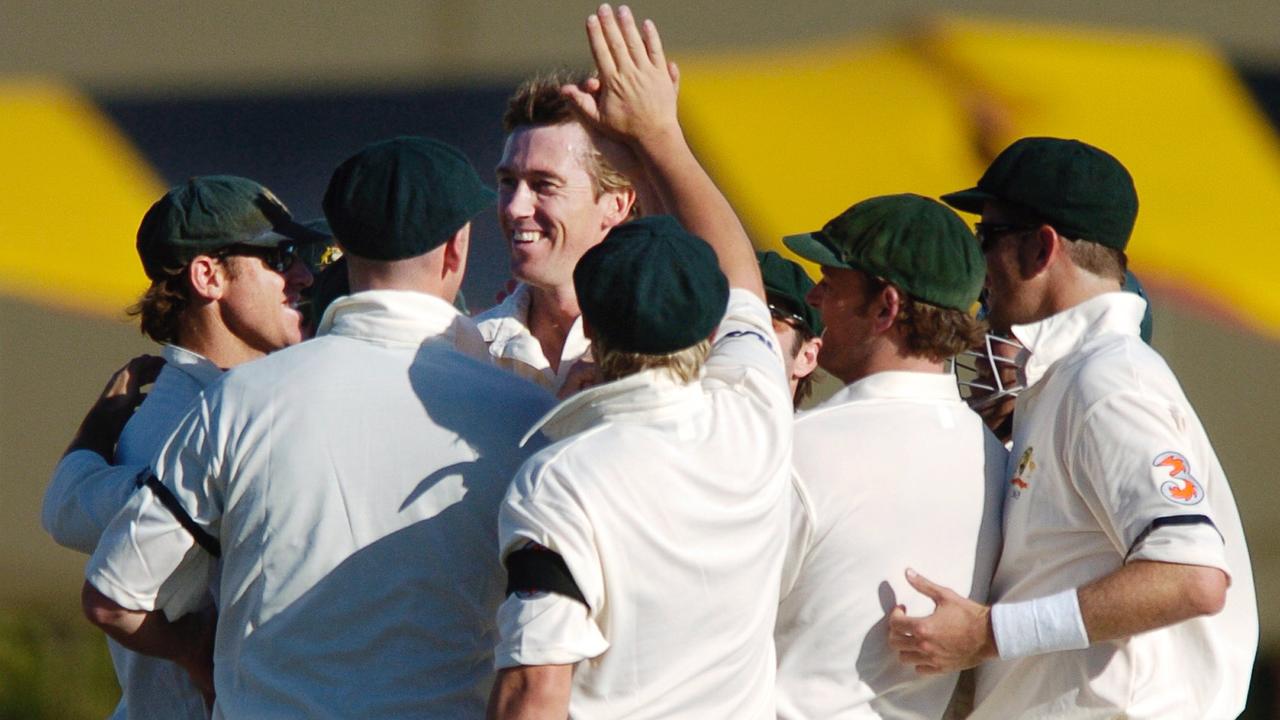
But the last time a Test was played at the venue was in 2004 against Sri Lanka, when Shane Warne and Glenn McGrath were heading Australia's attack, with Justin Langer and Matthew Hayden opening the batting.
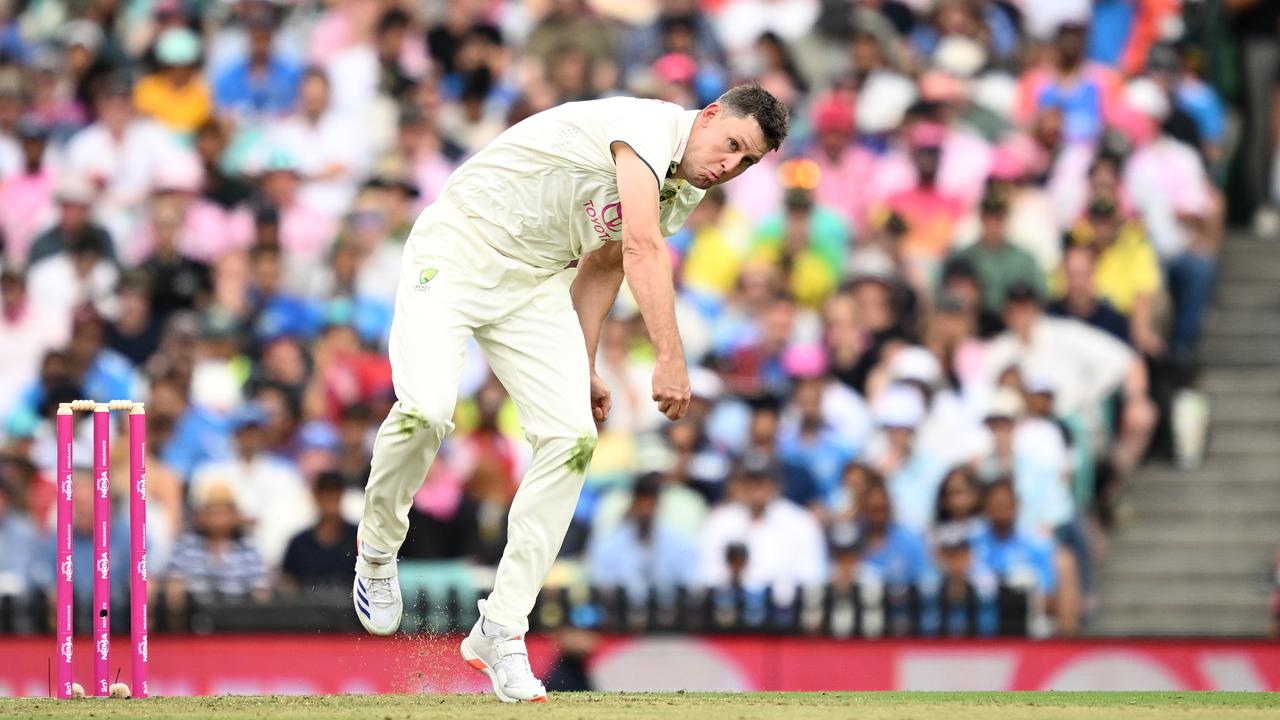
Australian allrounder Beau Webster said the team would embrace the "unknowns".
"It is a small square, a two-wicket square. Runs square of the wicket are going to be tough when it is digging in to the spongy outfield," Webster said.
"We have spoken about running between the wickets where it is a little bit different when you have got a 10-wicket block and the ball races off square of the wicket, so just to be mindful of things like that.
"In terms of the surface it is a bit of an unknown to both teams. It is going to be critical on day one to sum it up as quick as we can, and if we are bowling to get the lengths right, and if we are batting feed the information back to the batters."
Pavlich, also Northern Territory Cricket's head of facilities, said he hoped his pitch was "nice and consistent with runs in it, and bowlers can work hard and get something out of it".
The curator said he'd been given no direction on preparing a certain kind of surface despite the fact last year's Ashes series featured two two-days Tests - which cost Cricket Australia multi-million dollar revenue losses.
"We wouldn't want a two-day Test but it is not up to us really. There are a lot of variables that we can't control," he said
Pavlich said his tight-knit team were "proud" of all their efforts.
"I have been here two-and-a-half years and we are all about the same timeline," he said.
"We are proud of how this venue is improving and proud we can even host this."