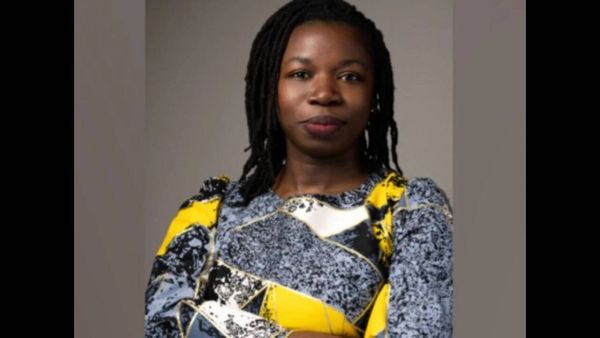
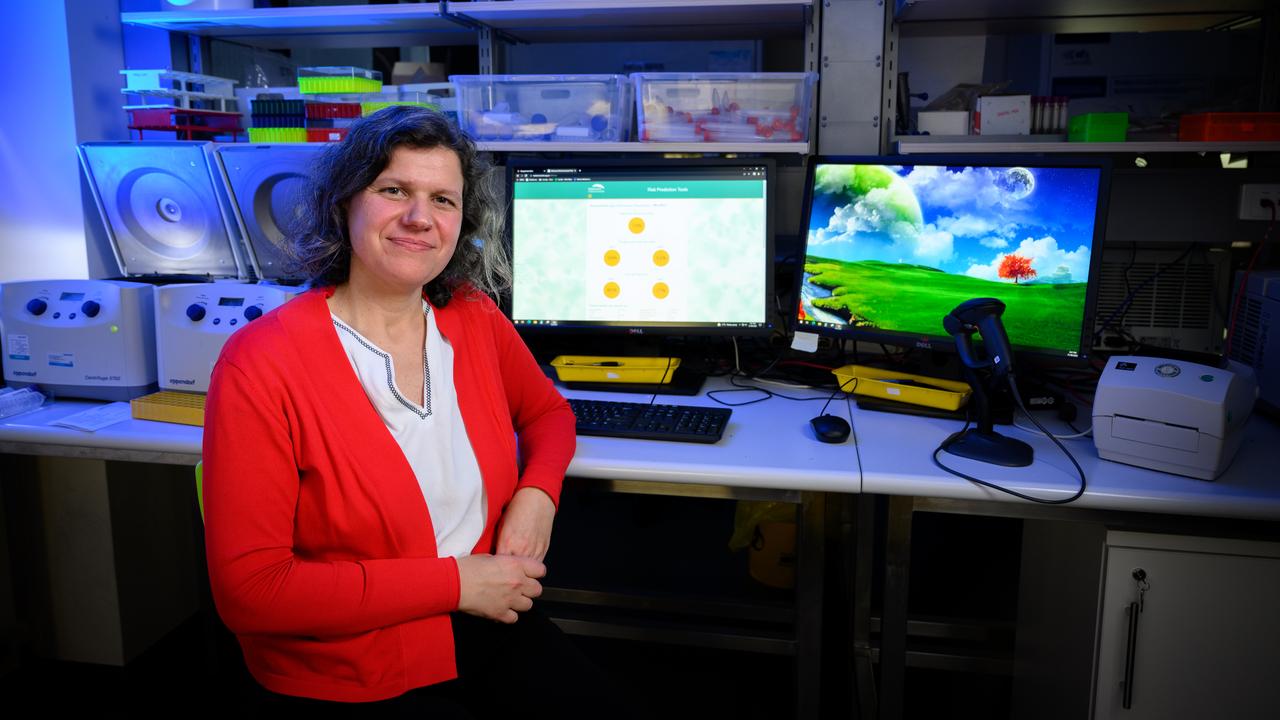
It's been just over a year since Ines Pires da Silva was recognised as one of Australia's leading women in science.
Yet in hindsight, the award seems to have marked not the culmination of her work but the beginning of what could be her most significant career phase.
The accomplished researcher and her team have published almost 10 scientific papers and expanded one of the world's largest melanoma immunotherapy research cohorts to more than 600 patients.
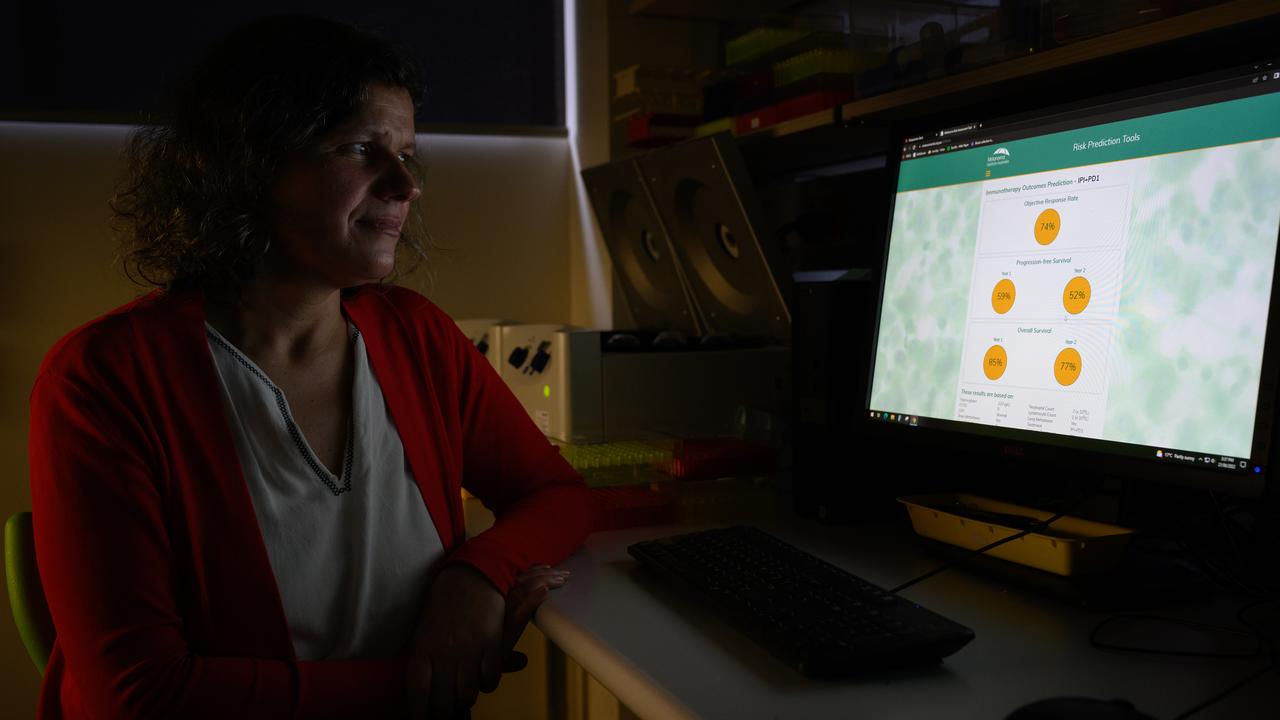
They're also preparing to launch a new clinical tool designed to predict an individual patient's risk of their cancer returning after treatment.
"The prize was a little bit of a beginning," says the Melanoma Institute Australia and University of Sydney oncologist.
"It felt like the beginning of something even bigger."
Associate Professor Pires da Silva's ambitious research program is aimed at one of the great challenges facing modern cancer treatment: understanding why immunotherapy transforms outcomes for some patients but fails others.
Immunotherapy, which harnesses the body's own immune system to fight cancer, has revolutionised treatment for melanoma and an increasing number of other cancers.
Yet many patients either do not respond to treatment or eventually develop resistance.
It's hoped the answer may lie in personalising the treatment according to the likelihood of success and risk of complications.
Assoc Prof Pires da Silva's work focuses on identifying biomarkers that can predict whether a patient will respond to a treatment before therapy begins, while estimating who is most at risk of serious immune-related side effects.
"We need to have a feature or a characteristic or a model that will tell us, 'Okay, this melanoma will respond to a specific treatment but this other melanoma is resistant ... but might respond to treatment B,'" she says.
"On top of that, it's important to put into the equation the side effects."
While the research is centred on melanoma, its implications stretch well beyond.
The team is investigating the biological mechanisms that allow cancers to resist immunotherapy - discoveries that could ultimately influence treatment across multiple tumour types.
"If we are able to find other ways to overcome resistance to immunotherapy, that can be applied to any cancer," Assoc Prof Pires da Silva says.
The project is built around one of the world's most detailed collections of melanoma samples, housed at the Melanoma Institute Australia.
"The beauty of this cohort is that we have samples from the tumour before treatment and after treatment," Assoc Prof Pires da Silva says.
"That puts us in a very, very good position to really understand the effect of treatment in patients that respond and patients that do not."
The study has grown rapidly from a cohort of just over 200 patients to more than 600, presenting an unprecedented opportunity to identify why some tumours resist treatment while others disappear.
The next milestone is already in sight.
A paper accepted for publication this month will launch an online prediction tool that clinicians can use to estimate an individual patient's likelihood of cancer recurrence following surgery.
"We just input the clinical features that are needed and the tool gives us the likelihood of recurrence for that individual patient," Assoc Prof Pires da Silva says.
"I have been telling my team 2026 and 2027 will be big years ... because we have several publications - big publications and very important ones - that are coming out," she says.
Over the past year, Assoc Prof Pires da Silva has chaired an educational session at the American Society of Clinical Oncology's annual meeting in Chicago, joined committees for the European Society for Medical Oncology and accepted speaking invitations in Europe, the United States and Asia.
"It's been a very, very important year for me and for our group," she says.
Recognition through awards also has a practical impact. Shining a light on the research can draw funds.
Research is expensive, she says, from conducting experiments through to publishing results and presenting discoveries at international conferences.