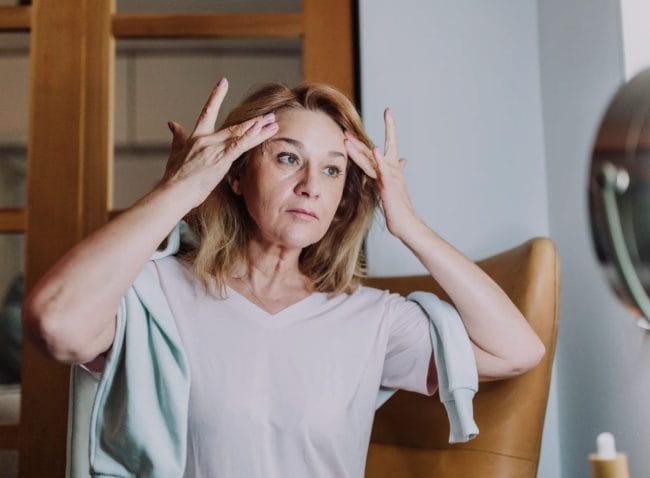
Many women expect their 40s to bring greater confidence, emotional stability, and a stronger sense of self. Yet for some, this decade can unexpectedly stir up deep relationship fears, emotional insecurity, and self-doubt. Attachment anxiety in midlife can show up through overthinking texts, fearing abandonment, or feeling unusually sensitive to changes in a partner’s behavior. These feelings are not a personal failure, and they are more common than many women realize.
Why Attachment Anxiety Can Intensify During Midlife
Attachment anxiety in midlife often becomes stronger because the 40s bring major emotional and lifestyle shifts. Women may be navigating divorce, caregiving for aging parents, career transitions, menopause, or children leaving home. These changes can shake long-standing identities and create feelings of uncertainty. Research on adult attachment and mental health has shown that stress and life transitions can activate insecure attachment patterns, even in people who previously felt emotionally secure. A woman who once felt grounded in her marriage or career may suddenly question her worth when those anchors change.
Hormones, Stress, and Emotional Sensitivity Are Connected
Many women are surprised to learn that biology can influence emotional security. Perimenopause and menopause involve hormonal fluctuations that may affect mood, sleep quality, and emotional regulation. Poor sleep, chronic stress, and increased anxiety can make everyday relationship concerns feel much more intense. For example, a delayed phone call from a partner might trigger panic that feels far larger than the situation itself. Understanding these physical and emotional connections can help reduce shame and remind women that attachment anxiety in midlife is often influenced by multiple factors, not just mindset alone.
Signs You May Be Experiencing Attachment Anxiety in Midlife
Attachment anxiety does not always look dramatic or obvious. Some women become people-pleasers, constantly seeking reassurance while hiding their fears beneath competence and caretaking. Others may obsessively analyze conversations, worry about being “too much,” or struggle to trust even loving partners. A woman in a stable relationship might still fear abandonment after a friend’s divorce or a personal health scare. Recognizing these patterns is important because awareness is often the first step toward healing.
Healing Starts With Understanding Your Emotional Blueprint
Attachment patterns often develop from early life experiences, but they are not permanent. A woman who grew up with inconsistent emotional support may unconsciously expect rejection or emotional distance in adult relationships. That does not mean she is broken or doomed to unhealthy connections. Therapy approaches such as attachment-focused therapy, cognitive behavioral therapy, and mindfulness-based practices have helped many adults build healthier emotional responses. Understanding your emotional blueprint allows you to respond to fear with curiosity rather than self-criticism.
Practical Ways Women Can Build Emotional Security
Healing attachment anxiety in midlife requires small, consistent actions rather than dramatic overnight change. Journaling emotional triggers, improving communication skills, and creating calming routines can make a measurable difference over time. Some women benefit from learning to pause before reacting, asking themselves whether a fear is based on present facts or past wounds. Others find strength in supportive friendships, therapy, exercise, or boundary-setting practices that reinforce self-worth. Building emotional security is not about becoming emotionally detached; it is about learning to feel safe within yourself, even during uncertainty.
Midlife Can Become a Turning Point, Not a Breakdown
There is a common misconception that emotional struggles in your 40s mean something is wrong with you or your relationship. In reality, attachment anxiety in midlife can become a powerful invitation to heal unresolved fears and strengthen emotional resilience. Many women discover that addressing these insecurities improves not only romantic relationships but also friendships, family dynamics, and self-esteem. The discomfort can become a signal pointing toward personal growth rather than evidence of failure. Midlife does not have to be a season of emotional unraveling; it can become a meaningful reset.
The Message About Feeling Insecure in Your 40s
Feeling more emotionally vulnerable in your 40s does not make you weak, needy, or incapable of healthy love. Attachment anxiety in midlife is a real experience shaped by life transitions, stress, biology, and personal history. The encouraging news is that attachment patterns can change with awareness, support, and intentional practice. Women who understand their emotional triggers often discover greater confidence, deeper connection, and a stronger relationship with themselves.
Have you noticed attachment anxiety or emotional insecurity becoming stronger during midlife, and what has helped you cope? Share your thoughts in the comments and join the conversation.
What to Read Next
Ozempic’s Surprise: Popular Weight-Loss Drug Also Lowers Depression and Anxiety Risk
Can Coffee Replace Your Anti-Anxiety Meds? Decaf and Caffeine Offer Different Mental Health Benefits
The post Attachment Anxiety in Midlife: Why Some Women Feel More Insecure in Their 40s and How to Heal appeared first on Budget and the Bees.