With participation projected to surge by tens of millions in the coming year, a small but telling industry has emerged around the simple act of naming a sports team.
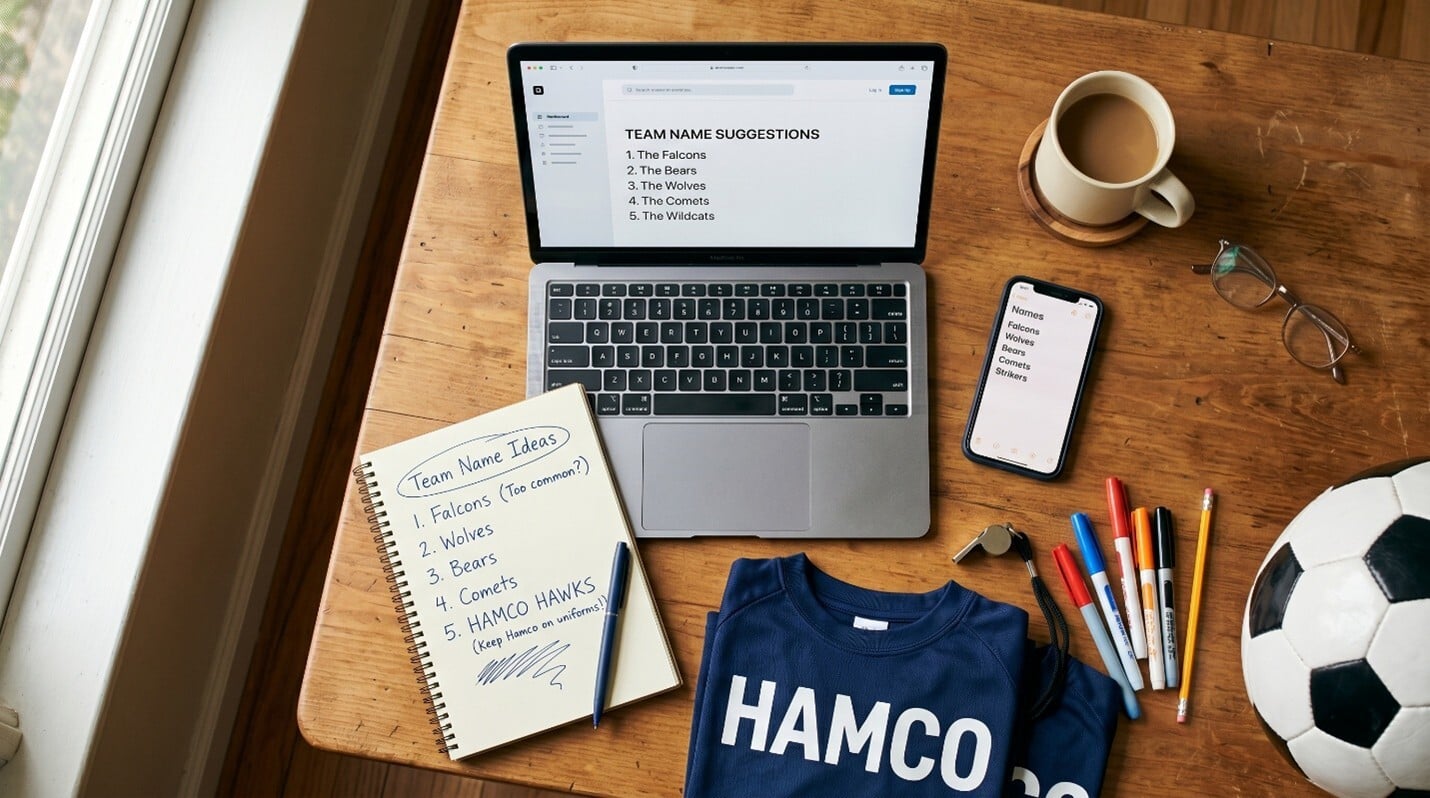
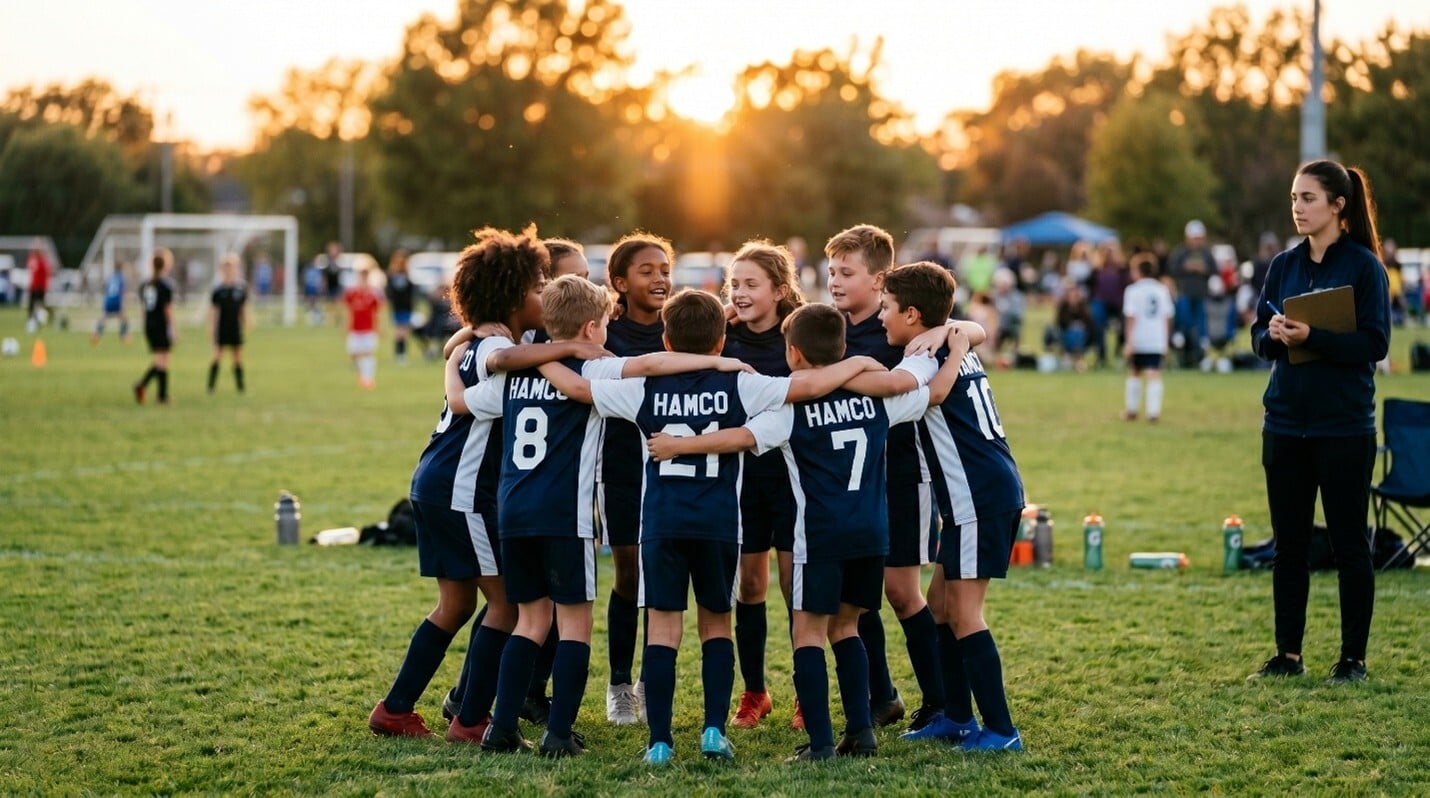
When a new under-12 soccer club registered for league play in suburban Atlanta this spring, its volunteer coach spent more time deciding what to call the team than building the roster. The shortlist included three animal mascots, a nod to a local landmark, and a name borrowed from a popular video game. The final choice — eventually settled by a parent vote — landed on something the coach said felt “obvious in hindsight.”
That hesitation is becoming common. As organized youth sports prepare for what industry analysts are calling a once-in-a-generation participation surge, the once-casual ritual of naming a team has quietly turned into a small business of its own.
A Booming Market, A Surge of New Teams
The 2026 FIFA World Cup, co-hosted by the United States, Canada, and Mexico, is widely expected to drive the largest youth sports expansion in decades. According to U.S. Soccer projections cited by the Youth Sports Business Report, participation is expected to climb from roughly 20 million to 29 million in the coming year — a 45% increase that would push national soccer fandom past 154 million people.
The broader youth sports economy is moving in the same direction. Industry research firm Metastat Insights values the global youth sports market at more than $56 billion in 2025, projecting it will exceed $113 billion by 2033. The Aspen Institute’s most recent State of Play report found that the average American family already spends $1,016 per year on a child’s primary sport — a 46% jump since 2019, more than double the rate of inflation over the same period.
That growth is not evenly distributed. Girls’ flag football has expanded by roughly 388% since the post-pandemic National Federation of State High School Associations survey, with nearly 1,000 schools adding programs in a single academic year. High school esports has more than doubled since 2020, now reaching over 200,000 registered players across more than 8,600 schools. Each of those new programs, in turn, needs a name.
Why Naming Has Become Harder
For most of modern sports history, team names came from a relatively small bag of conventions: a regional animal, a local industry, an alliterative descriptor, or a borrowed reference to a professional franchise. The Cardinals, the Wildcats, the Eagles — all of these were repeated thousands of times across the country without anyone batting an eye.
That model is under pressure for several reasons.
First, the volume of new teams now creates real overlap problems within single districts and travel circuits. Coaches who run leagues say it is no longer unusual to find two or three “Tigers” or “Hawks” in the same regional bracket, which complicates everything from tournament scheduling to merchandise design.
Second, social media has raised the stakes. A team name is no longer just something printed on a jersey — it is a handle, a hashtag, and often the first impression sponsors and parents see online. Marketing analysts at TeamSnap have noted that 90% of Gen Z viewers turn to social media to follow sports content, and Instagram alone delivers four times the engagement of Facebook for youth sports posts. A name that worked in 1995 may simply not function in a feed-driven environment.
Third, trademark concerns have begun to filter down to the amateur level. Professional leagues have grown increasingly assertive about protecting their marks, and youth programs that lean too closely on pro identities — copying logos, using identical color treatments, or borrowing slogans — have occasionally received cease-and-desist letters. Coaches are now routinely advised to choose names that are distinct enough to avoid disputes, particularly if their team plans to print merchandise or build any kind of public-facing brand.
Where Naming Trends Are Heading, Sport by Sport
The pressure plays out differently in different sports.
In soccer, the most visible beneficiary of the World Cup tailwind, the trend has shifted toward names that work both locally and on a global stage. Coaches and league administrators have increasingly turned to a soccer team name generator or similar digital tool to surface options that nod to international football culture without copying it outright — names that draw on civic identity, regional landmarks, or club-style traditions familiar from European leagues.
Basketball is moving in the opposite direction. As recreational and youth leagues expand, basketball team names ideas have leaned toward humor, wordplay, and references to court culture itself. Recent guides published by youth sports outlets in early 2026 list options like Court Kings, Rim Raiders, Swish Society, and Hoop Hunters alongside funnier picks such as Airball Avengers and Hoop, There It Is. Coaches building a roster from scratch increasingly start with a basketball team name generator to surface a working list, then narrow it down by team vote — a process that mirrors how brand naming works in other industries.
Baseball, the sport with the deepest naming traditions in American sport, faces a particular challenge. The conventions that produced classic baseball team names — animals, mining and industrial heritage, regional identifiers — have been used so often that originality has become difficult. Coaches are now experimenting with hybrid approaches, mixing traditional themes with modern flair. A baseball team name generator can help produce options like Dust Devils, Iron Birds, or Diamond Drifters that feel rooted in the game’s history without simply repeating what every Little League team in the next county is already called.
Football, which retains the most aggressive naming culture, has continued to favor names suggesting power and impact. Yet here too, digital tools have a role: a football team name generator can rapidly surface combinations of force-words, animals, and regional references that would take a coach hours to brainstorm by hand. The result is often a shortlist of five to ten viable options that the team itself can vote on — a dynamic that coaches say improves buy-in compared with a name simply handed down by an adult.
The Quiet Rise of Digital Naming Tools
Underneath these sport-specific shifts is a broader change in how names get chosen at all. A small but growing category of digital tools has emerged to help coaches and league administrators generate names quickly. Most operate on a similar premise: a user picks a sport, selects a tone — fierce, funny, classic, regional, mythical — and the tool returns a list of original suggestions in seconds.
Some of these tools function essentially as a random team name generator, producing fresh suggestions on demand and letting users regenerate as many lists as needed until something fits. Others are general-purpose business naming platforms repurposed for sports use. A 2026 review by the technology blog Latenode noted that the better tools now incorporate cultural sensitivity filters and basic trademark screening, addressing two of the most common pitfalls in amateur team naming.
HAMCO SPORTS, the Georgia-based team apparel maker behind one such tool, has supplied custom uniforms to amateur and youth programs across the United States and Canada since 2011. The company built its naming utility as a complement to its design services, covering twelve sports including baseball, basketball, soccer, football, and esports. Similar tools have appeared on platforms like Namify, Vondy, and 10Web, each tailored slightly differently to the audiences they serve.
Industry observers caution that these tools are not a substitute for judgment. A name that an algorithm produces in five seconds still has to be tested against the same questions a human would ask: Is it easy to chant? Does it look right on a jersey? Does it carry any unintended meaning? Does anyone in the league already use it? But for first-time coaches, parent volunteers, and small clubs working without a marketing budget, the tools have meaningfully shortened a process that used to drag on for weeks.
The Identity Economy Around Youth Sports
The naming question sits inside a larger conversation about identity in amateur sports. Project Play, the youth sports initiative run by the Aspen Institute, has flagged the rise of “brand-building” pressure on young athletes as one of the trends to watch in 2026, alongside soaring family spending, NIL-related social media demands, and a continued facilities arms race.
Some of that pressure is healthy. Coaches have long known that a strong team identity — a name kids are proud of, a logo they want to wear off the field, a culture that survives a losing season — correlates with retention. The U.S. Center for Mental Health and Sport has separately argued that belonging is one of the most protective factors in keeping kids engaged in organized sport through adolescence, when participation typically drops sharply.
Other parts of the trend are more complicated. The same forces that have professionalized youth sports — more spending, more tournaments, more media — have made the entry point harder for families without resources. Roughly 25% of families now report that the cost of equipment, uniforms, and registration limits their child’s participation, according to figures cited in the 2025 Business Research Insights youth sports report. Free naming tools, free design services, and free league resources have become a small but real counterweight to that cost pressure.
What Comes Next
The 2026 World Cup is unlikely to be a one-summer event for grassroots sport. The 1994 World Cup, the last time the United States hosted, is widely credited with launching Major League Soccer and seeding the youth soccer pipeline that exists today. Participation patterns suggest 2026 will do something similar — and on a much larger scale, given the simultaneous growth of girls’ flag football, volleyball, and high school esports.
For the coaches and parents at the center of all this, the naming problem will keep getting bigger before it gets simpler. New teams will keep forming. Old conventions will keep colliding with new platforms. And somewhere on a Saturday morning, a parent volunteer will keep staring at a registration form, trying to figure out what to call eleven kids in matching jerseys.
The good news, at least, is that they no longer have to do it alone.