Government funding for opera has outstripped support for brass bands by a factor of seven in recent years, sparking accusations of "snobbishness" and a "southern and metropolitan bias" in arts funding. The disparity challenges long-held stereotypes about brass bands being solely a "working class" pursuit or confined to Yorkshire.
Figures from the Department for Digital, Culture, Media and Sport (DCMS) reveal that over £226 million was allocated to opera through Arts Council grants between 2022 and 2025. In stark contrast, brass bands received just £31.5 million during the same period.
Sarah Baumann, programmes and fundraising director at Brass Bands England, which champions musicians across the country, highlighted the public’s often-misguided perception. She told the Press Association: "I think sometimes the public perception of brass bands can be a real challenge in that it is just a working-class pastime or only happens in Yorkshire, which just isn’t true. It happens all over the country and for all people and at all levels."
Ms Baumann, who has called for increased investment in the sector, added: "We want to see more money coming to the brass banding sector and in the pockets of our member brass bands as well." Her sentiments were echoed by MP Esther McVey, who uncovered the funding figures. Ms McVey described the imbalance as demonstrating a "snobbishness" towards brass bands.
The Tatton MP asserted: "A fairer proportion of taxpayers’ money should be given to them (brass bands) rather than lavished on subsidising opera in London." She further criticised the funding streams, stating: "The fact that seven times more money was spent on opera rather than brass bands over the last three years shows the southern and metropolitan bias of these funding streams. This snobbishness towards brass bands is completely unjustifiable and unacceptable. Brass bands are an important part of our heritage and culture, and clearly deserve a better deal."
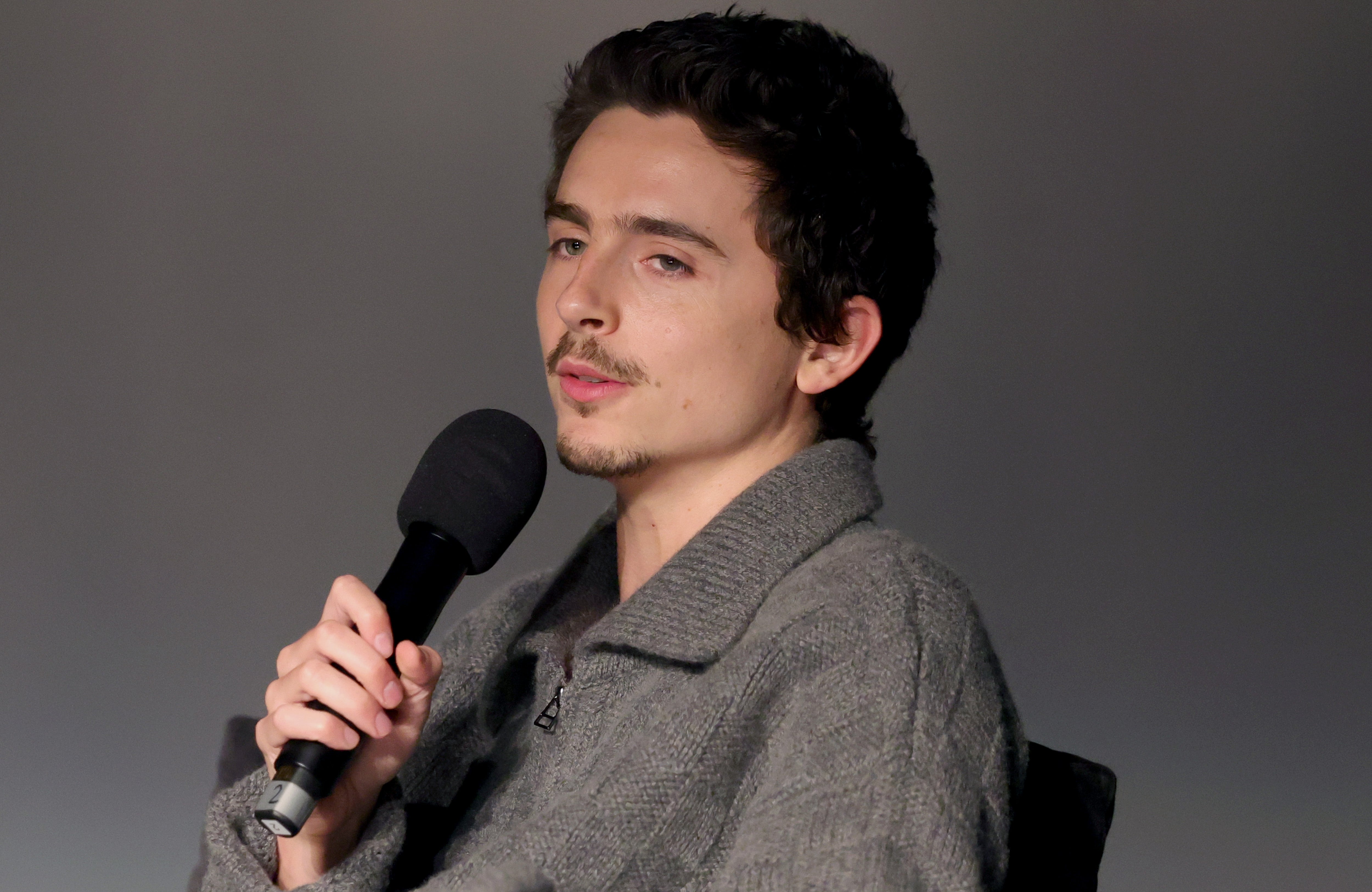
The debate over opera’s relevance has also been raised by figures such as Oscar-nominated actor Timothée Chalamet, who famously remarked that "no one cares" about opera or ballet. A 2024 survey of 4,012 UK adults by Public First consultancy indicated that 43 per cent of individuals in the highest socio-economic groups had attended an opera, compared to just 23 per cent from lower socio-economic backgrounds.
Ms Baumann noted the historical advantage opera houses have enjoyed, stating: "Opera houses have always been funded." Addressing the issue of class, she explained: "It’s more about the status quo. This is the way it always has been. To rectify that balance, really the only way to do that is to take from opera and there’s a lot of vested interest not to do that." She also pointed out that brass bands serve as a "significant pipeline to the opera houses," arguing: "Investment in them is really, really vital if they want players sat in opera houses. So it goes both ways." She believes increased funding for brass bands "will not hurt the opera houses in the long run because more musicians will be coming through and feeding through to them."
While acknowledging that the Arts Council has "always been incredibly supportive of brass banding activity," Ms Baumann highlighted the practical challenges faced by the predominantly volunteer-run brass bands in securing funding. She noted that it "takes an immense amount of work" to apply for grants, "whereas opera companies have paid staff." The cultural significance of brass bands was brought to mainstream attention in 1996 with the hit film Brassed Off, which depicted a struggling South Yorkshire mining village band.
An Arts Council England spokesperson responded to the concerns, stating: "We support a broad range of exceptional creative and cultural activity that caters to the interests of people across the country. We know just how much brass banding means to communities in many parts of England, and welcome applications from brass bands themselves as well as from the organisations and individuals who support their development." The spokesperson added that their "regular investment in Brass Bands England enables them to engage more children and young people in the brass banding movement as well as helping them in their work to convene, develop and support the development of the brass bands sector across the country." They concluded by acknowledging current "challenging operating conditions" and their efforts to be flexible with funded organisations.
The Royal Opera House and English National Opera were contacted for comment regarding the funding disparity.