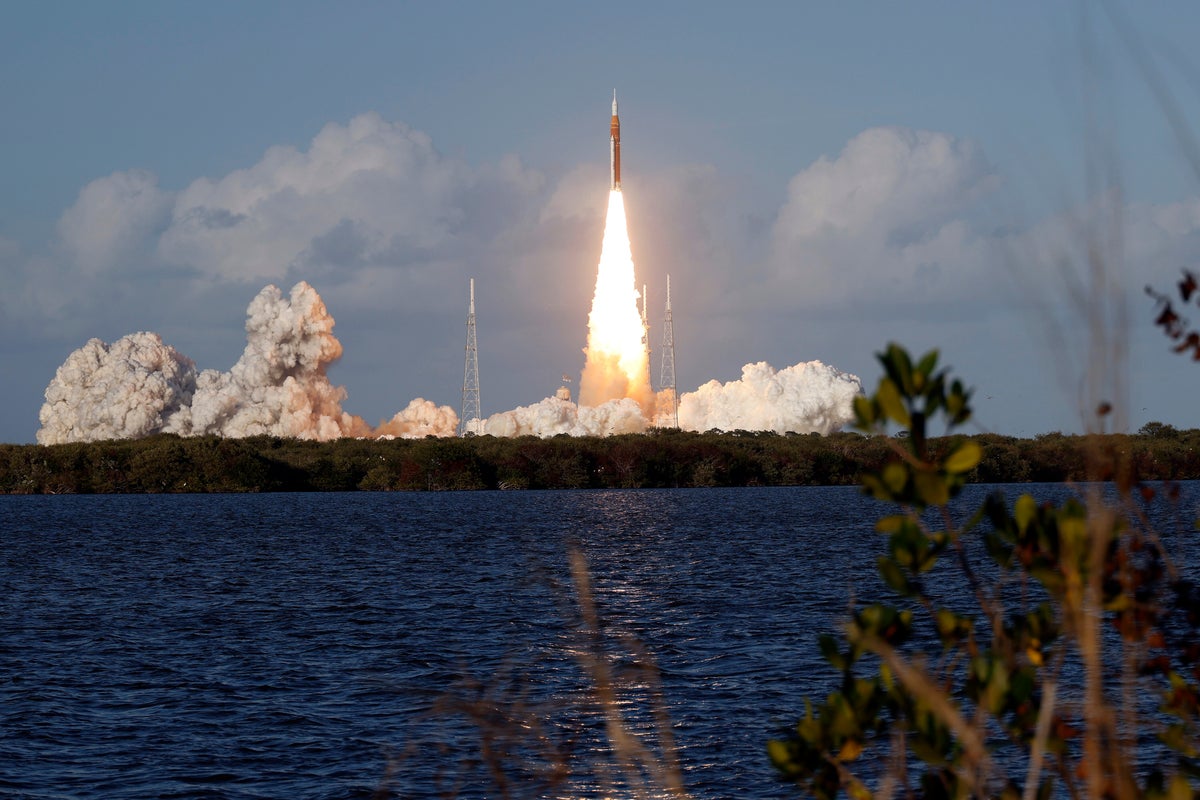
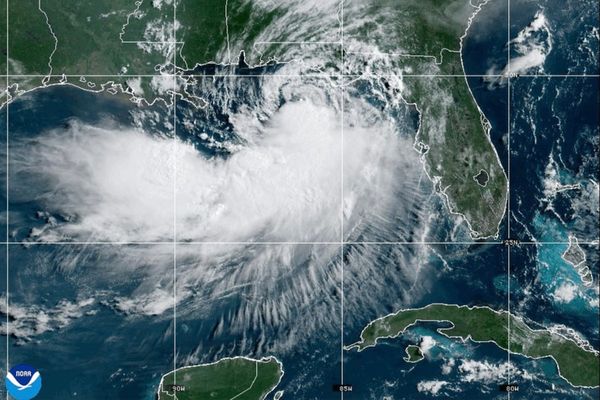
The historic Artemis II mission has launched, carrying the first crewed mission to the Moon since Apollo 17 in 1972.
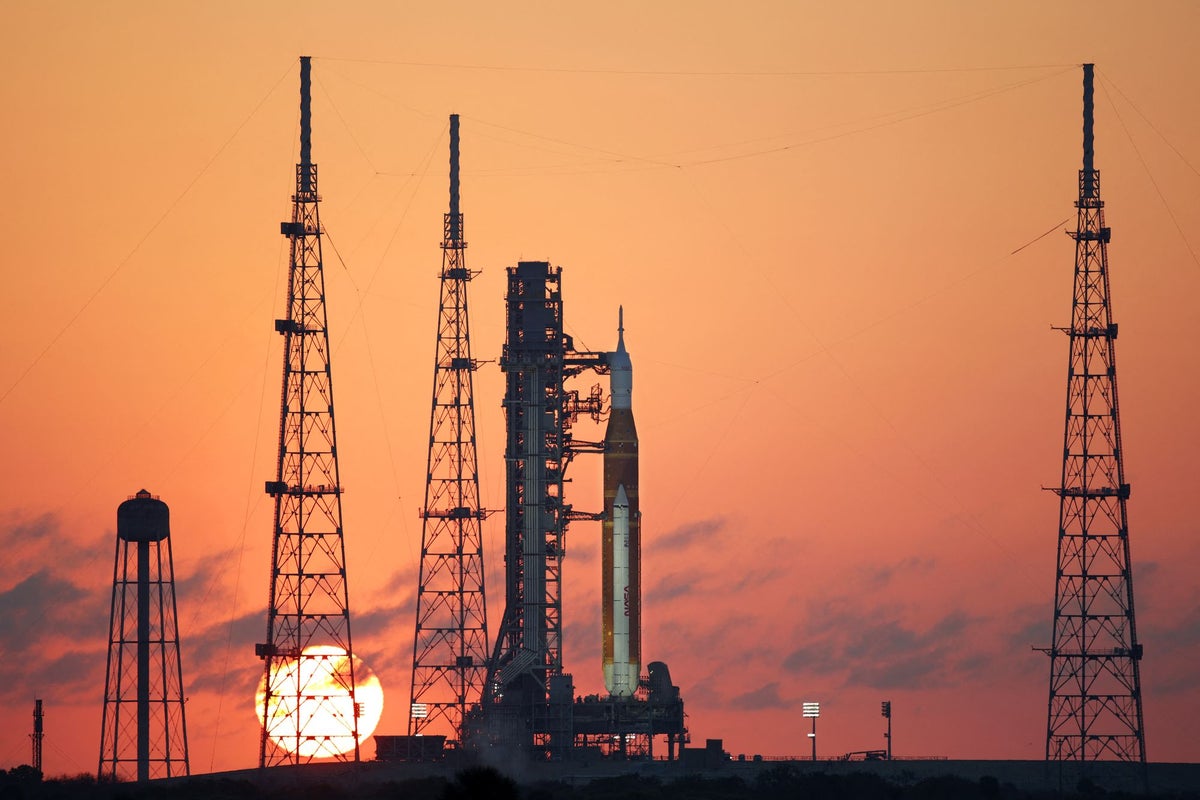
Launching off on the largest rocket ever built by Nasa, the Orion spaceship is carrying four astronauts – three Americans and one Canadian – lifted off from the Nasa Kennedy Space Center in Florida at 6.35pm Eastern Time.
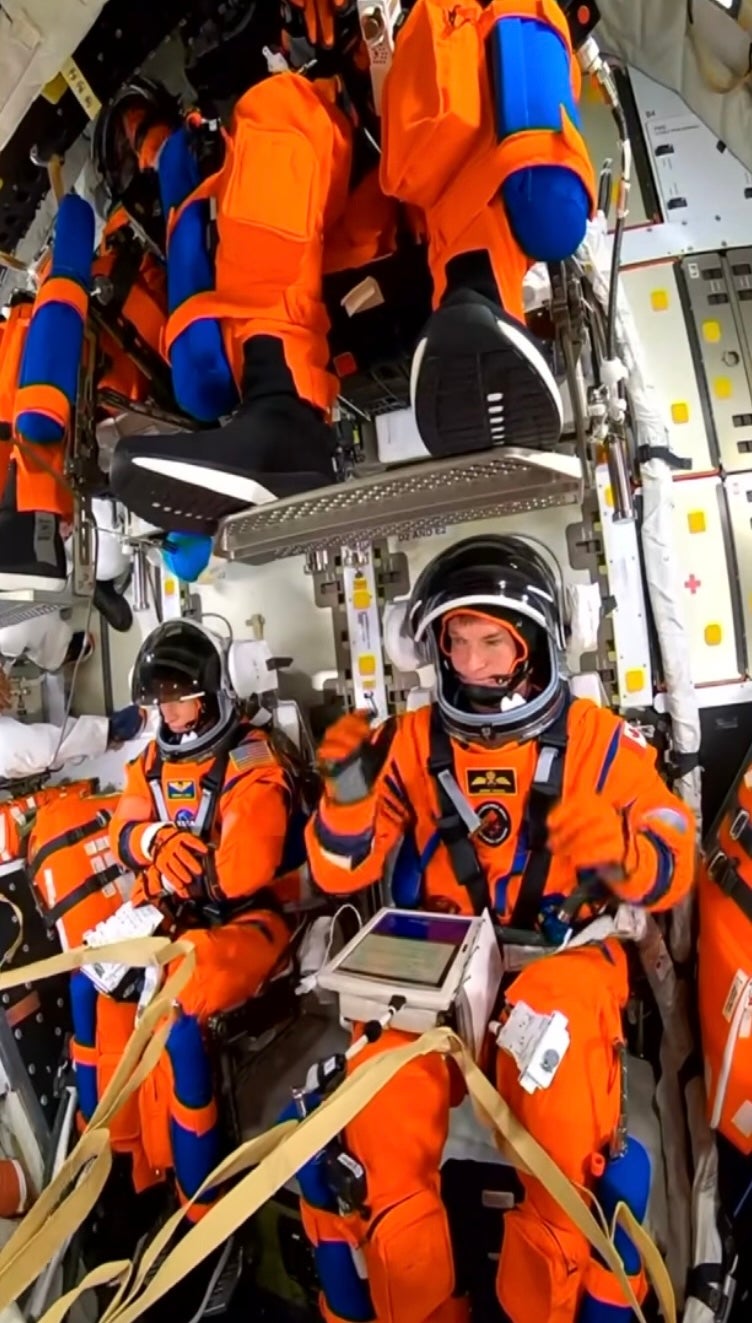
Hours into the voyage, Nasa said the crew successfully concluded one of the mission’s early objectives to evaluate the manual handling qualities of Orion in space.
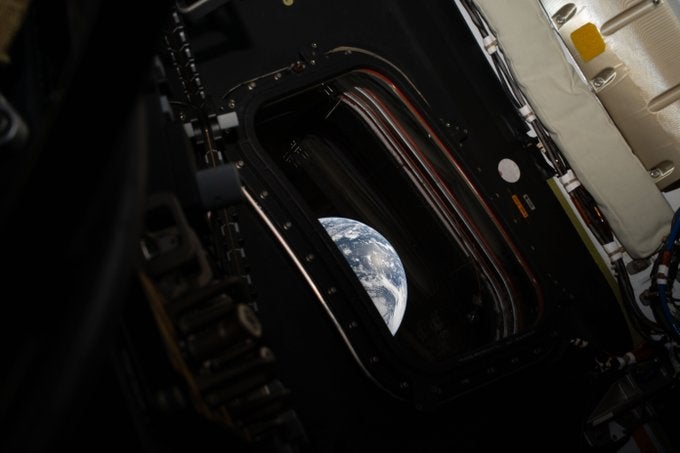
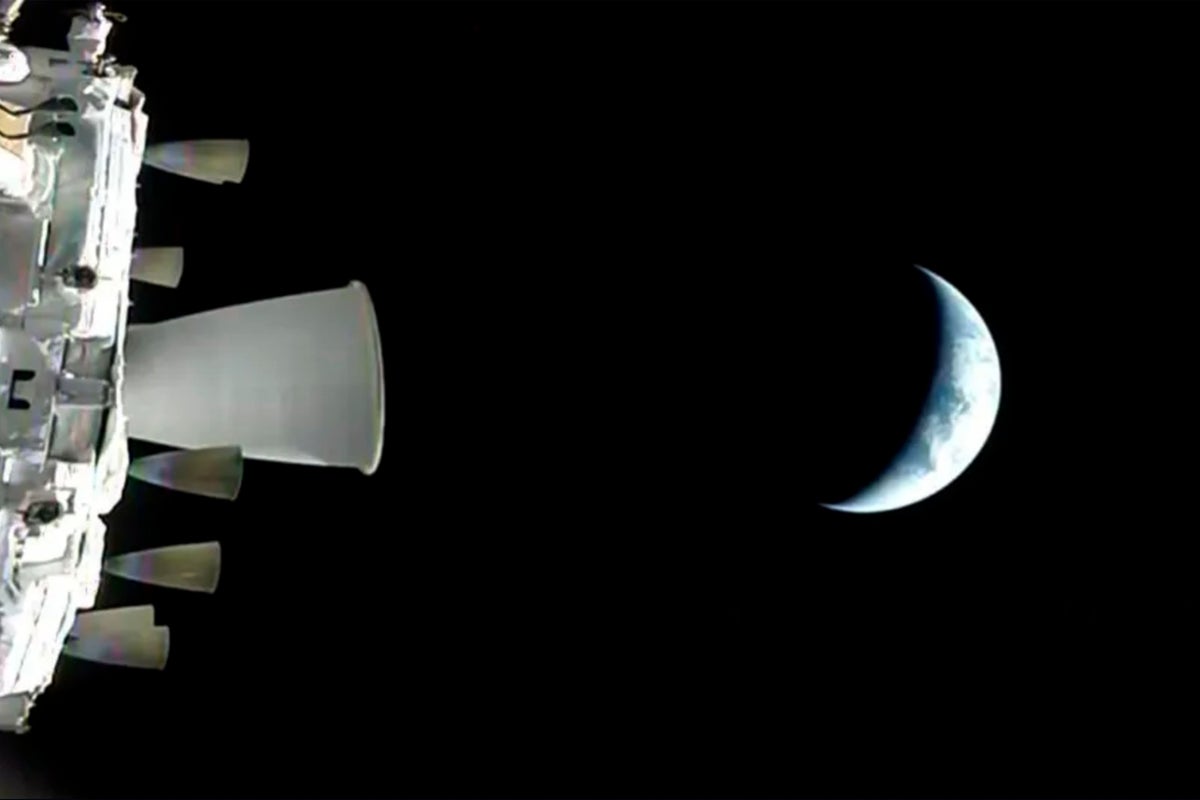
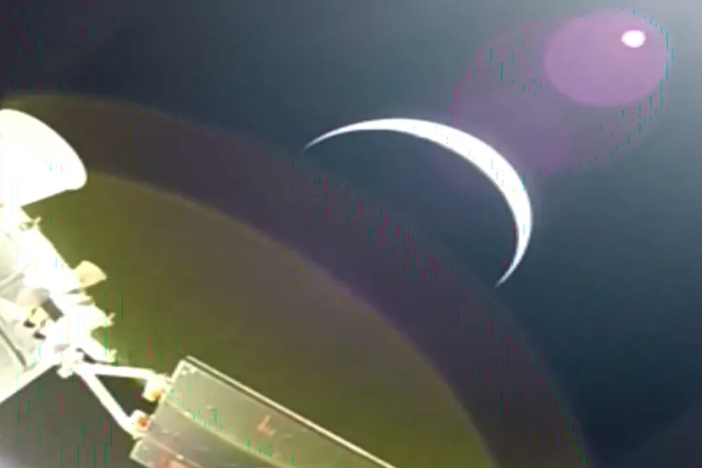
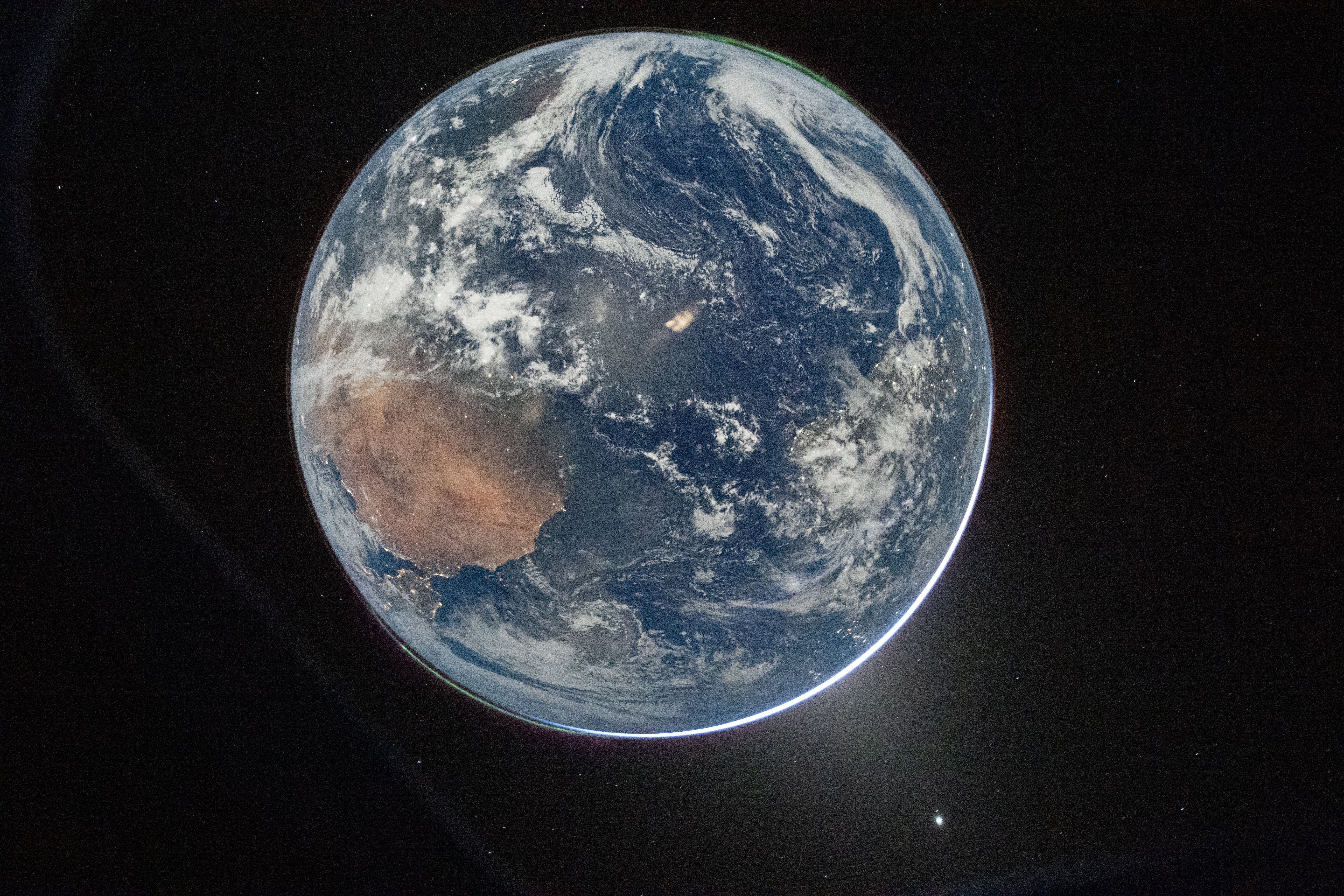
As the spacecraft left Earth’s atmosphere and made it’s way to the far side of the Moon, Commander Reid Wiseman said he cold see “the entire globe from pole to pole”, adding it was “the most spectacular moment and it paused all four of us in our tracks,” the BBC reported.
The mission involves a 10-day voyage that will take them around the far side of the Moon and back to Earth. While they will not land on the lunar surface, Nasa hopes that the mission will play a key role in helping establish a permanent settlement on the Moon in future.
The launch comes after weeks of fuel leaks and other issues that caused a previous liftoff attempt to be cancelled at the last moment.
Key Points
- Artemis II astronauts head to the Moon
- Watch Artemis II launch live
- The path of the first crewed mission to the Moon since 1972 - map
- 'It was the most spectacular moment ' astronauts say as they leave Earth's atmosphere
What are the Artemis astronauts doing on their way to the Moon?
14:35 , Anthony CuthbertsonFor their four-day trip to the Moon, the four-person crew of the Orion spacecraft will have time to eat, sleep, and exercise, but they also have some duties to carry out.
Firstly, they will need to make sure the craft stays on course, and carry out some burns if the trajectory needs to be altered. They also need to prepare their Lunar Targeting Plan, which they will need to follow when they reach the far side of the Moon on Monday. This will allow them to carry out observations of the lunar surface without the help of ground crews - who will be out of reach for 30-50 minutes.
There will likely be some media duties over the weekend, as well as calls with friends and family.

Relive Nasa's historic Moon launch
13:43 , Anthony CuthbertsonIf you missed Wednesday evening’s launch of the Artemis II mission, you can watch it here:
Elon Musk announces next flight test of Starship rocket
12:31 , Anthony CuthbertsonSpaceX boss Elon Musk has revealed that the next Starship flight test will take place next month.
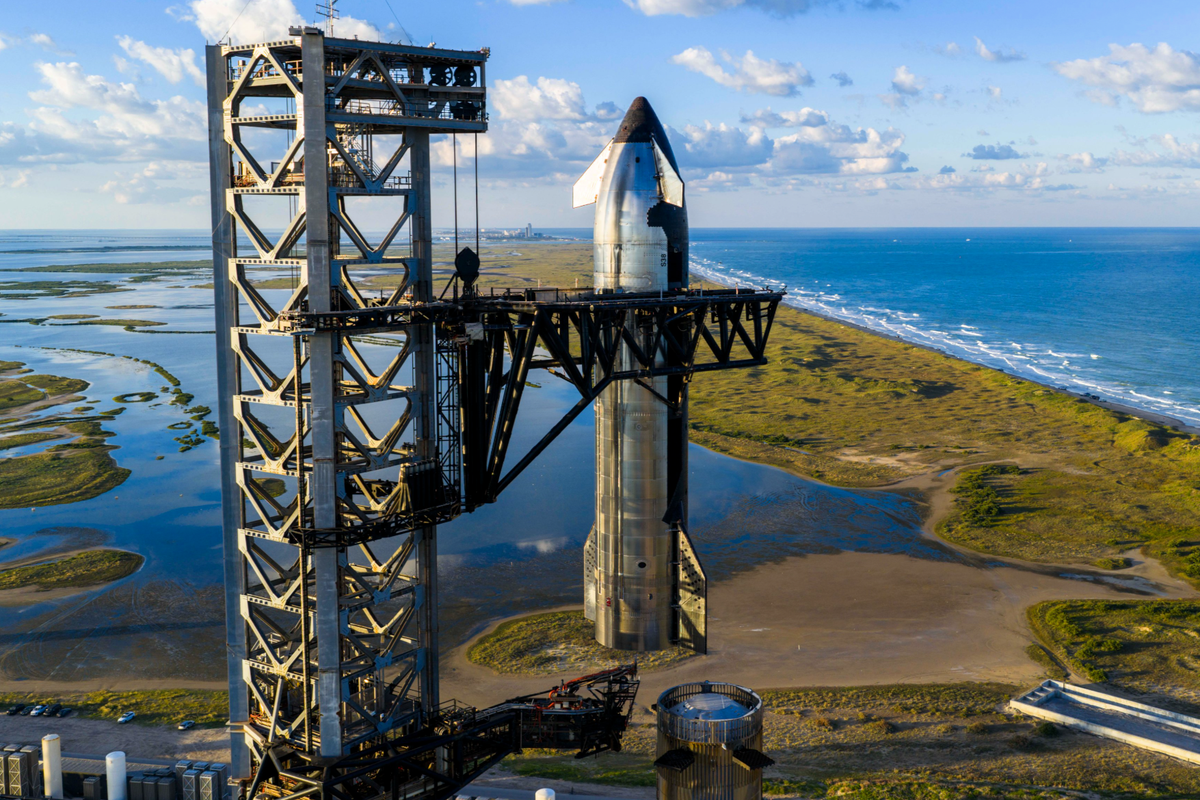
It will be the 12th flight test of the biggest rocket ever built, which Nasa hopes to use as part of future Artemis missions to transport people and cargo to the Moon.
Next flight of Starship and first flight of V3 ship & booster is 4 to 6 weeks away pic.twitter.com/tg4OQQ7pyI
— Elon Musk (@elonmusk) April 3, 2026
The test comes six months after the last Starship flight test, which saw the Starship craft and its Super Heavy booster launch from SpaceX’s Starbase facility in Texas before the uncrewed craft splashed down in the Indian Ocean.

SpaceX to launch Starship today in crucial test of Elon Musk’s Mars plans
Live views from Orion spacecraft
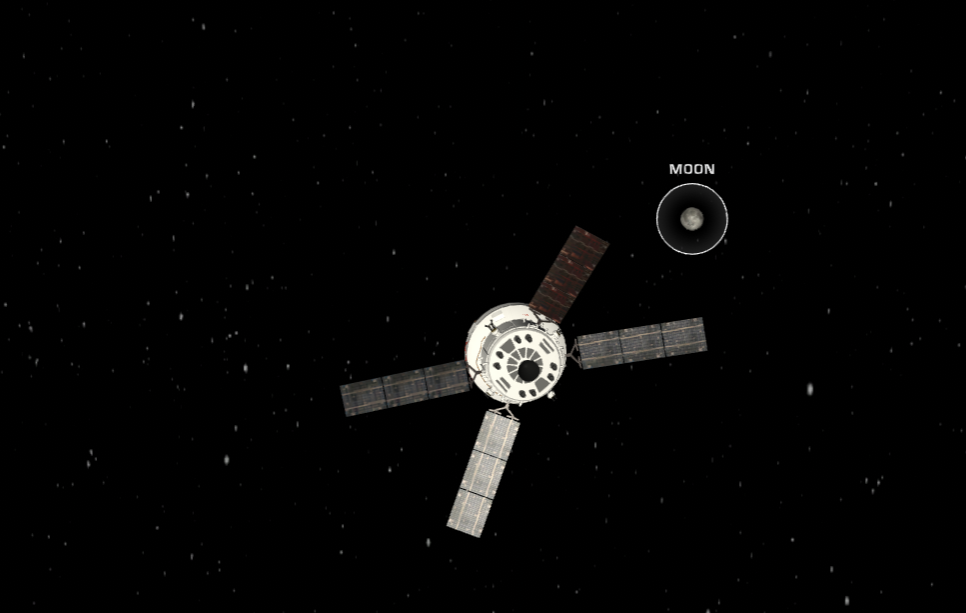
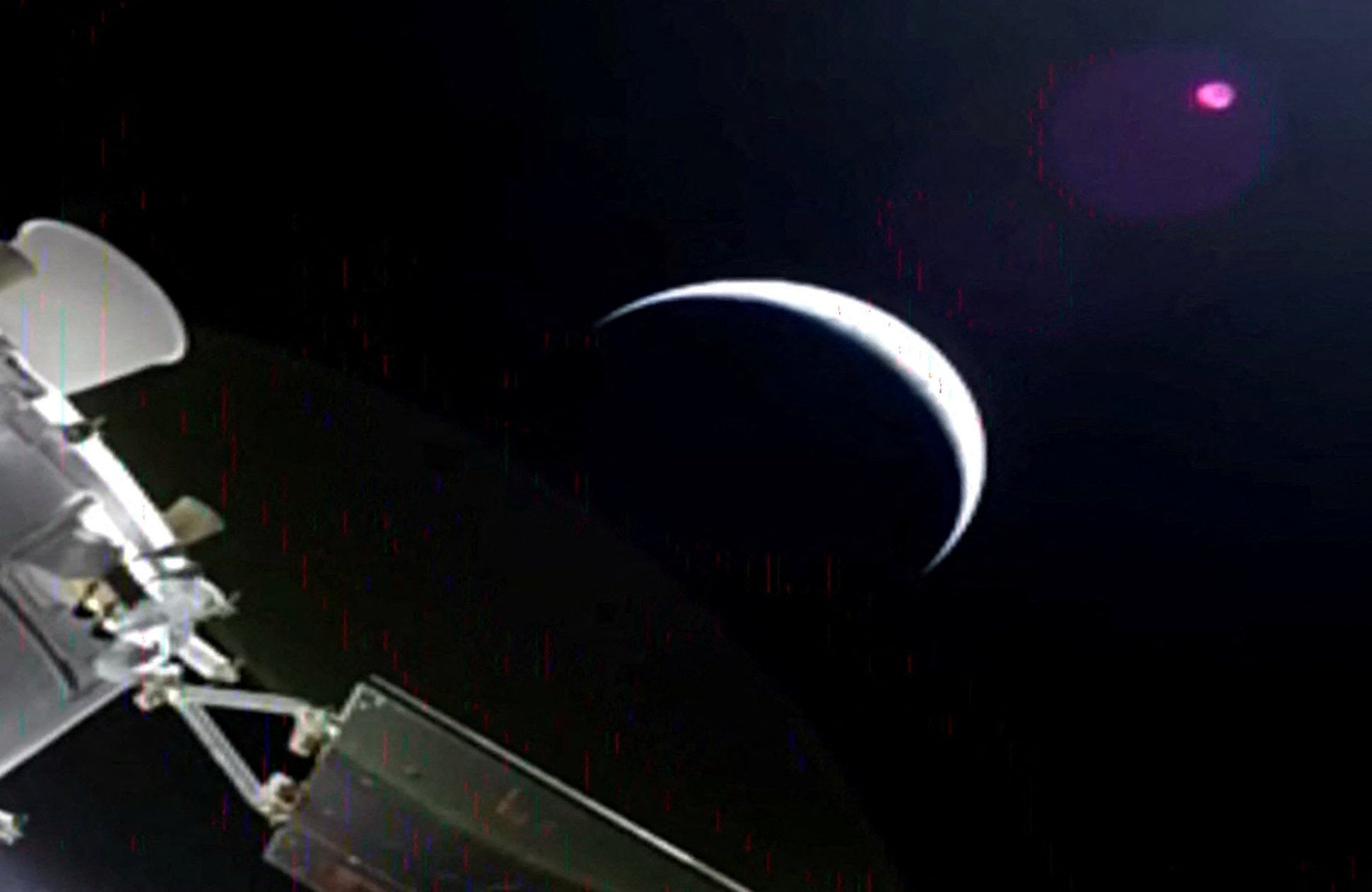
10:53 , Anthony CuthbertsonNasa has shared live views from the Orion spacecraft as it makes its way to the Moon. Our celestial neighbour currently appears as a small dot on the right of the feed. You can watch it here.
What's next for the Artemis II mission?
10:13 , Anthony CuthbertsonAfter successfully completing the critical engine burn to send them out of Earth’s orbit, the four-person crew aboard the Orion capsule now have four days before they reach the Moon.
Nasa says they will spend this time working on the Lunar Targeting Plan, which outlines the observations they plan to make of the far side of the Moon when they pass around it on Monday.
Once Orion has slingshots around the Moon, the astronauts will begin their four-day trip back to Earth. Their return module will separate from the rest of the spacecraft before re-entering Earth’s atmosphere at record speed.
Parachutes will deploy and the craft will splashdown in the Pacific Ocean, just off the west coast of America.

Where is Goonhilly Earth Station? The communications site helping to track Artemis II mission to the moon
09:35 , Rebecca WhittakerA British satellite earth station is playing a crucial role in Nasa's Artemis II mission to the Moon.
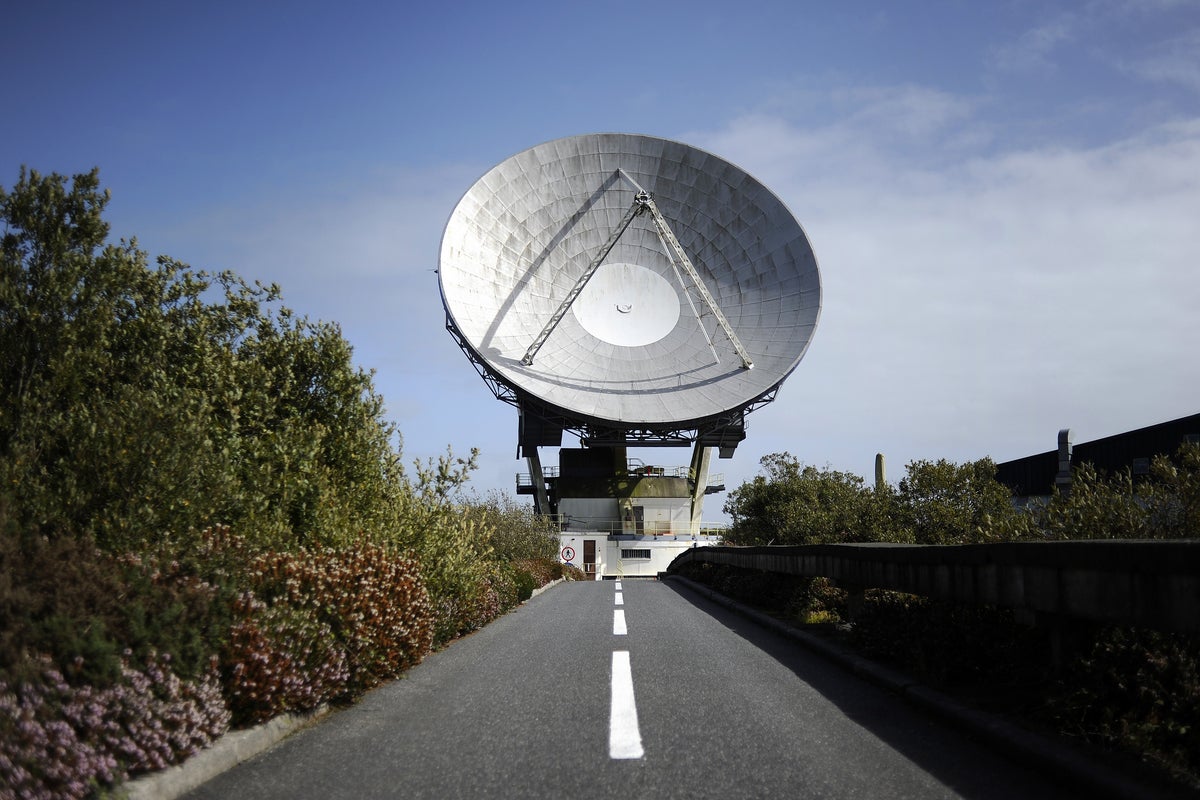
Goonhilly Earth Station, located near Helston, Cornwall, will track the Orion spacecraft on its journey around the lunar surface and back to Earth.
Read more here:

Goonhilly Earth Station: The centre helping to track Artemis II mission to the moon
Astronauts said they were glued to the windows to see the 'phenomenal' view
09:30 , Rebecca WhittakerAs the four astronauts left Earth’s atmosphere the crew were glued to the windows to see the “phenomenal” view, Canadian astronaut Jeremy Hansen said.
“Humanity has once again shown what we are capable of, and it’s your hopes for the future that carry us now on this journey around the moon.”

Artemis II mission is hoping to break a record and send humans the furthest ever
09:25 , Rebecca WhittakerThis Artemis II mission is hoping to break the record for the furthest humans have travelled from Earth.
Nasa said Orion’s main engine, which burned for five minutes and 50 seconds, provides up to 6,000lb of thrust – enough to accelerate a car from 0 to 60 mph in about 2.7 seconds.
The Orion spacecraft will head around 4,000 miles beyond the moon with a lunar flyby on Monday the next major milestone which will send the crew some 252,000 miles (406,000 kilometres) into space before returning to Earth.
The current record for the furthest spaceflight is about 248,000 miles, held by members of the Apollo 13 lunar mission in 1970, which was hit by technical problems.
While the astronauts will not touch down on the Moon, the Artemis II mission paves the way for a future lunar landing and also lays the foundation to send a crew to Mars.
Watch: Artemis II cockpit footage shows crew describe views of Earth after takeoff
09:20 , Rebecca Whittaker'It was the most spectacular moment ' astronauts say as they leave Earth's atmosphere
09:10 , Rebecca WhittakerAs the Artemis II spacecraft makes its way to the far side of the Moon, the four astronauts on board have shared what they have seen.
Commander Reid Wiseman said he cold see “the entire globe from pole to pole” from his view thousands of miles from Earth.
It was “the most spectacular moment and it paused all four of us in our tracks,” he said.

How astronauts left Earth's orbit
06:12 , Anthony CuthbertsonAs the four astronauts aboard the Orion capsule begin their roughly 400,000 kilometre (250,000 mile) journey to the Moon, you can read all about how the astronauts performed the crucial translunar burn and left Earth’s orbit for the first time sine 1972.

Humans leave Earth orbit for first time since 1972 as Artemis II heads to the moon
'America will never give up the Moon again'
05:58 , Anthony CuthbertsonFollowing the successful translunar injection burn, which took the Orion spacecraft out of Earth’s orbit, Nasa Administrator Jared Isaacman has been speaking about the US space agency’s motivations for this mission and the Artemis program more generally.
“We’re in the second space race,” he told Fox News. “We are back in the business of sending astronauts to the Moon. We already won, but we are doing everything we can to win again. America will never give up the Moon again.”
Orion spacecraft leaves Earth's orbit
05:49 , Anthony CuthbertsonAstronauts aboard the Orion spacecraft are on their way to the Moon after performing a six minute burn to leave Earth’s orbit.
“Today, for the first time since Apollo 17 in 1972, humans have departed Earth orbit,” said Dr Lori Glaze, acting associate administrator for the Exploration Systems Development Mission Directorate at Nasa Headquarters in Washington.
“Each milestone we reach marks meaningful progress on the path forward for the Artemis program. While we have eight intensive days of work ahead, this is a big moment, and we’re proud to share it with the world.”

The path of Nasa's Artemis II mission around the Moon
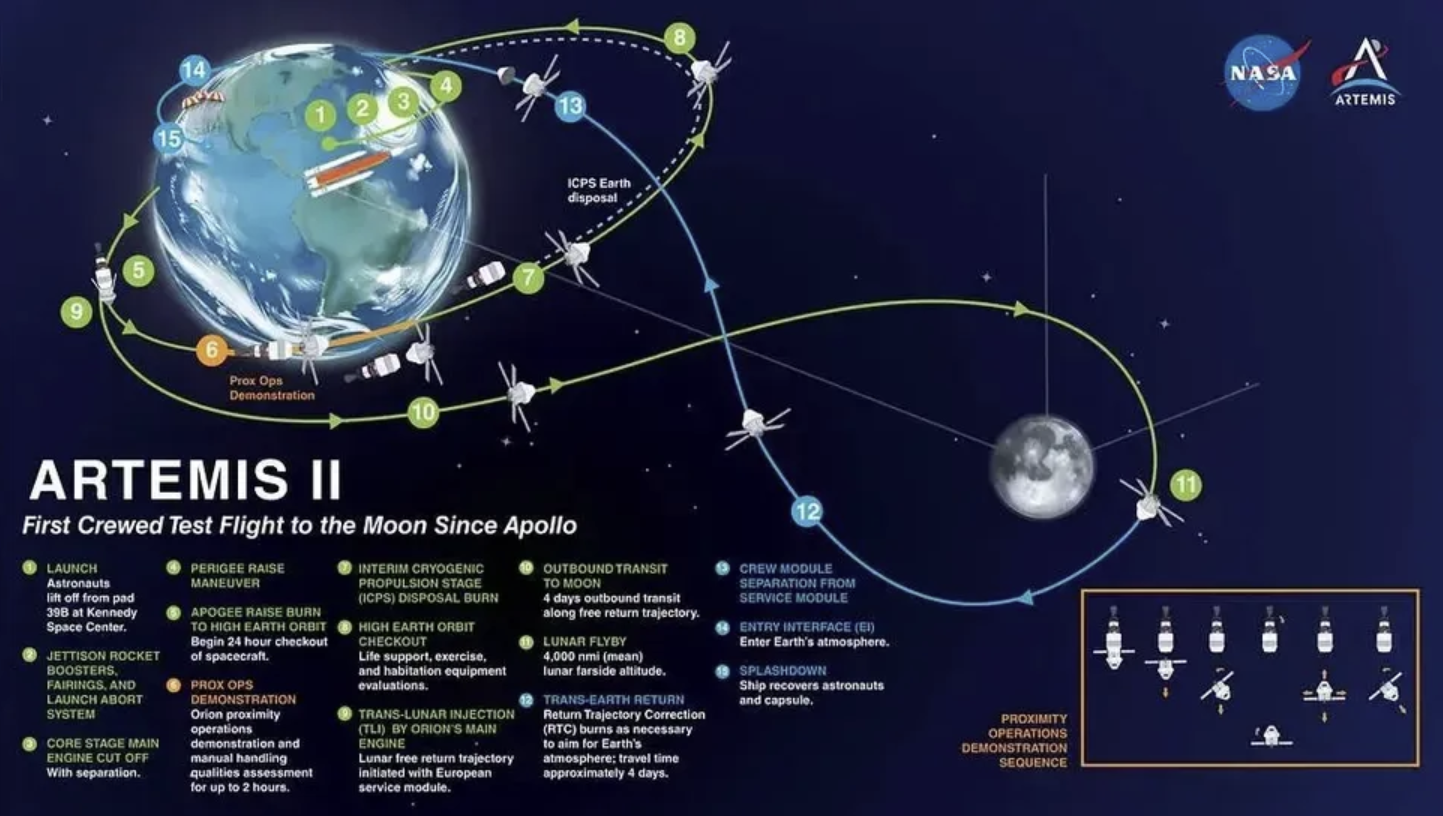
03:15 , Anthony CuthbertsonNasa has provided a handy graphic of the route the Artemis II crew is taking in their flight around the Moon aboard the Orion spacecraft.
After lifting off from pad 39B at Kennedy Space Center in Florida, the SLS rocket was jettisoned before Orion performed a high-altitude orbit of Earth.
Then began a four-day outbound transit to the Moon, 400,000 kilometres (250,000 miles) away. After swinging by the Moon, Orion will return to Earth, eventually splashing down off the west coast of America.

Why has it taken 50 years to return to the Moon?
02:35 , Anthony CuthbertsonNasa has had the know-how and technology to send humans to the lunar surface for more than 50 years. So why is this the first trip to the Moon since the Apollo 17 flight in 1972?
Emily Margolis, who works at the National Air and Space Museum, has the answers.

Why has it taken 50 years to return to the Moon? A space historian explains
The Moon mascot making the 400,000km journey
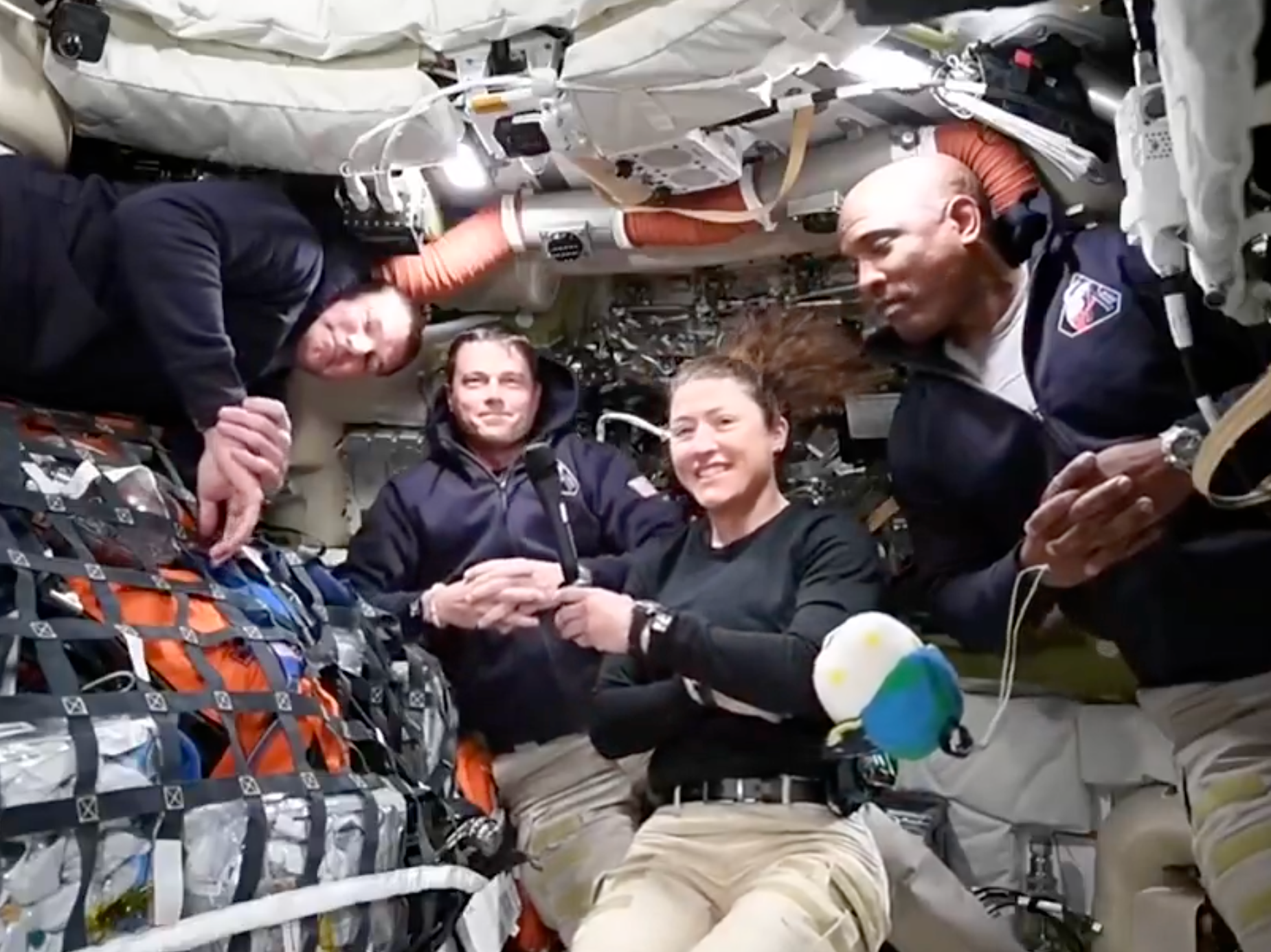
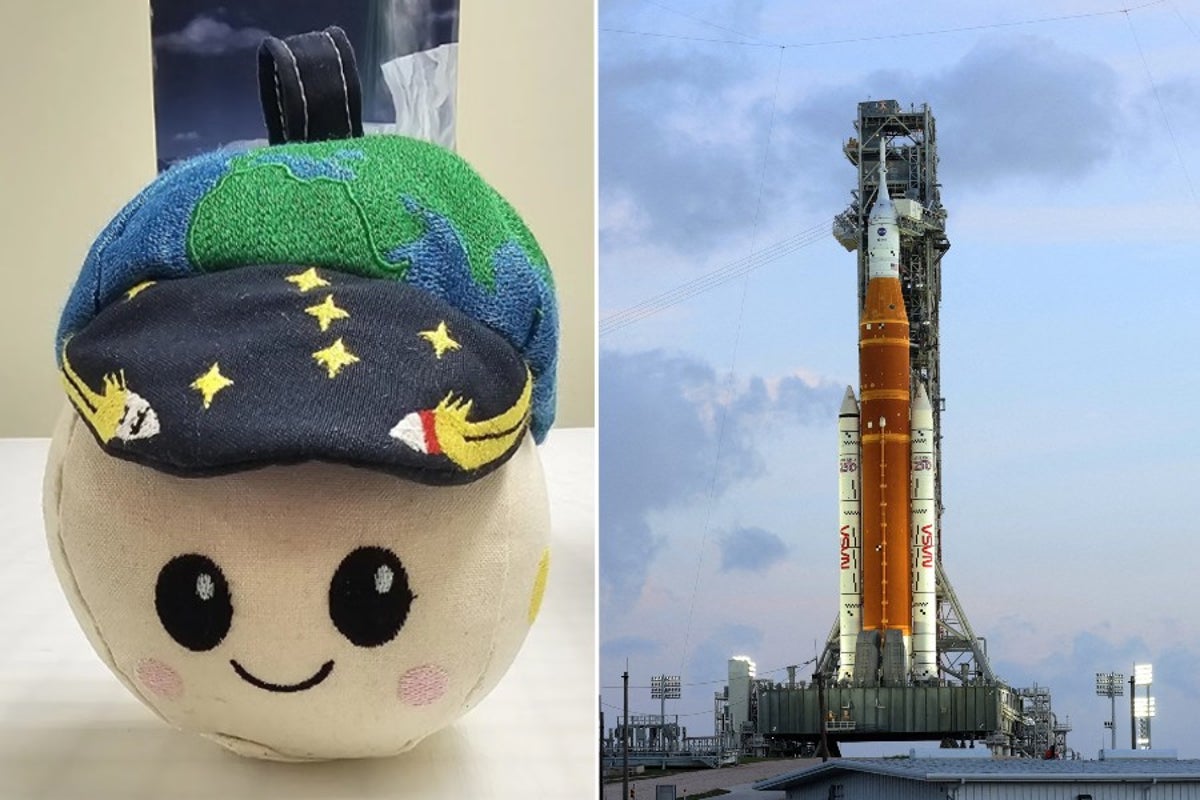
Friday 3 April 2026 00:31 , Anthony CuthbertsonThe four astronauts of the Artemis II mission are not alone on their journey to the Moon. Joining them is a softball-sized toy that was designed by a second grader from California.
Named Rise, the mascot is primarily there to serve as a zero gravity indicator: as soon as it started floating yesterday, the crew knew that they had made it to space. But it is also carrying a MicroSD card with the names of 5.6 million people from around the world on it.
You can read all about the best-travelled toy in the Solar System here.

Meet ‘Rise’ the official mascot of the Artemis II moon mission
The brutal challenges of putting humans on the Moon
Thursday 2 April 2026 22:25 , Anthony CuthbertsonThe goal of the Artemis programme isn’t to just leave “flags and footprints”, as the Apollo missions did, Nasa wants to establish a sustained human presence on the Moon.
But what would it really be like to spend an extended period on the lunar surface? The answer is exhilarating – and brutally unforgiving.
As an exciting new era of deep-space exploration opens up, Damian Bailey looks at the challenges astronauts will face.

Nasa wants to put humans on the Moon. Here are the challenges they face
Artemis II astronauts 'doing great'
Thursday 2 April 2026 20:36 , Anthony CuthbertsonNasa Administrator Jared Isaacman has shared an update on social media of the crew’s progress.
“Artemis II astronauts are doing great,” he wrote on X.
“The Orion spacecraft is performing well in an impressive elliptical orbit, and the Mission Control team is taking good care of the crew. Meanwhile, back at [the Kennedy Space Center}, the teams are out at the pad getting ready for what comes next.
“We are going to get into a rhythm of launching Moon rockets around here.”

Astronauts wake up ahead of crucial next phase
Thursday 2 April 2026 19:43 , Anthony CuthbertsonWe have heard from the Nasa live feed that the astronauts aboard the Orion spacecraft are now waking up from a 4.5 hour rest period.
Next up will be a trans-lunar injection burn that will propel them out of Earth’s orbit and towards the Moon.
The burn should last for around six minutes, if all goes to plan, and they will reach lunar orbit on Monday.
Flights around Florida 'make a hole' for Artemis
Thursday 2 April 2026 19:11 , Anthony CuthbertsonAir traffic tracker Flightradar24 has shared a visualisation of flights around Florida during yesterday’s launch.
It shows the airspace being cleared off the east coast of Florida during the launch window for Artemis II, before resuming again shortly after.
Making a hole for #ArtemisII last night. Some flights over Florida were able to get a fantastic view of the launch. pic.twitter.com/V6Zu9fU7pO
— Flightradar24 (@flightradar24) April 2, 2026
Passengers on some of the planes flying nearby have shared videos of the launch, showing the rocket’s remarkable path to space.
🇺🇸 Talk about an in-flight movie upgrade no airline could ever plan: witnessing Artemis II’s liftoff from 35,000 feet above Florida.pic.twitter.com/Ufhnwj5n90 https://t.co/nH72e6uyJP
— Mario Nawfal (@MarioNawfal) April 2, 2026
Houston, we have a toilet problem
Thursday 2 April 2026 17:23 , Anthony CuthbertsonAs reported earlier, there was a pretty pressing problem for the crew of the Artemis II mission earlier today: the toilet inside their 330-cubic-feet (9m³) Orion spacecraft was malfunctioning.
The astronauts spotted a blinking fault light – like a ‘check engine’ light in a car – indicating that the toilet fan was jammed. This meant there was no way to remove the odor and airborne particles from the capsule.
Fortunately, ground teams came up with instructions for the crew to fix the issue. Here’s how it all unfolded:

Artemis II crew runs into plumbing snafu on deep-space mission
How the UK is helping the Artemis II mission
Thursday 2 April 2026 16:10 , Anthony CuthbertsonA communications site in Cornwall is playing a crucial role in Nasa's Artemis II mission, tracking the Orion spacecraft on its journey to and from the Moon.
Goonhilly Earth Station has a rich history in space communication, including broadcasting the Apollo 11 Moon landing in 1969 and previously supporting Nasa's Artemis I mission in 2022.
The UK government minister Baroness Lloyd and Nasa officials have emphasised the importance of British expertise and international collaboration in achieving ambitious space exploration goals.
You can read all about it here.

Goonhilly Earth Station: The centre helping to track Artemis II mission to the moon
Mission managers to approve 'translunar injection burn'
Thursday 2 April 2026 14:48 , Andrew Griffinin the hours to come, mission managers will check on the spacecraft and approve the “translunar injection burn”. That’s the one that will push the astronauts out of Earth’s orbit and up towards the Moon. It will be the first time that astronauts have been sent towards the Moon since 1972. Here’s how Nasa describes that operation:
“During the translunar injection burn, Orion will ignite its engines for just over six minutes, accelerating the spacecraft to escape Earth’s gravitational pull. Flight controllers will closely monitor engine performance, guidance, and navigation data throughout the maneuver to ensure Orion remains precisely aligned for the outbound journey.”
Spacecraft conducts another 'burn'
Thursday 2 April 2026 14:47 , Andrew GriffinAfter being woken up from their first sleep – with the song ‘Sleepyhead’ by Young and Sick – the astronauts have undertaken a number of operations. The most of them was a burn by its engines to raise the lower part of its orbit, as it circles the Earth ahead of pushing out to the Moon. Then they went back to sleep.
How spaceflight captures audience
Thursday 2 April 2026 14:45 , Andrew GriffinFrom Artemis II to Project Hail Mary, spaceflight captures audiences when it centers on one thing, argues Scott Solomon in this piece from The Conversation.

Why spaceflight is having a moment, from Artemis to Project Hail Mary
How Artemis II suffered toilet trouble shortly after lift-off
Thursday 2 April 2026 14:44 , Andrew GriffinHours into the Artemis II mission, it was hit by problems. With the toilet.

How Artemis II suffered toilet trouble shortly after lift-off
Artemis II is a fiery reminder of our eternal fascination with the mysteries of the moon
Thursday 2 April 2026 14:40 , Andrew GriffinI wrote something a bit more personal about why we love the Moon – and why that’s not as straightforward as we thought.

Artemis II is a fiery reminder of our eternal fascination with the moon
Get your own Artemis rocket
Thursday 2 April 2026 11:57 , Andrew GriffinInspired by the Artemis mission? Want a tiny spacecraft of your own? Our colleagues on IndyBest have found one, from Lego.

Lego’s NASA rocket ship set celebrates the Artemis II Moon mission
How Artemis program compares to Apollo missions
Thursday 2 April 2026 09:30 , Vishwam Sankaran
Nasa still targeting the first six days of April for Artemis launch
How Artemis II mission advances space communication
Thursday 2 April 2026 09:30 , Vishwam SankaranThe Artemis II mission, carrying four astronauts to the Moon, uses an advanced infrared-based optical communications system developed by Nasa in partnership with the Massachusetts Institute of Technology’s Lincoln Laboratory.
It is built on a space laser version called the Lunar Laser Communications Demonstration (LLCD) that was part of a Nasa spacecraft launched to the Moon in 2013.
The technology demonstrated data transmission rate of 622 Mbps, which was 6 times higher than anything previously reached in the vast 385,000 km (239,000 miles) distance of the Moon and the receiving terminal in New Mexico.
Until then radio signals played a key role in communications since the dawn of space exploration.
The Orion Artemis II Optical Communications System (O2O) is preparing for launch! The O2O terminal will demonstrate laser communications during the @NASAArtemis II mission - showcasing the benefits laser communications can have for human spaceflight. Learn more:… pic.twitter.com/aLqzY2ivxl
— NASA Technology (@NASA_Technology) March 18, 2026
But LLCD showed that laser equipment has the advantages of lower weight and size yet having much higher data transmission capabilities.
The laser communication equipment, O2O, on Artemis II will provide 260 Mbps transfer speeds, allowing the Artemis II astronauts to share high resolution images and video from the Moon, Nasa says.
Ground stations receive the narrow laser signals using sensitive optical telescopes and the data is then decoded and sent to mission control.
Experts say the technology could pave the way for sustained communication networks for Moon missions, including internet for future lunar bases.
Why astronauts are carrying iPhones to Moon
Thursday 2 April 2026 09:00 , Vishwam SankaranUnder a new initiative, the Artemis II mission marks the first time astronauts are allowed to take their personal smartphones beyond the Earth's orbit.
The crew members have taken iPhones with them with the aim of documenting the mission using the smartphones cameras, without relying on bulky, government-issued cameras.
Reports suggest the devices will be put on Airplane mode by the crew to prevent interference with spacecraft systems.
New iPhones are being packed into the suits of the Artemis II Crew!
— Owen Sparks (@OwenSparks) April 1, 2026
There is something very familiar about the iPhone look that will make the Moon feel accessible, we are literally going to see the lunar surface through the same lens we use to capture our own lives every day. pic.twitter.com/sDDM5NSRMX
“We are giving our crews the tools to capture special moments for their families and share inspiring images and video with the world. Just as important, we challenged long-standing processes and qualified modern hardware for spaceflight on an expedited timeline," Nasa chief Jared Isaacman wrote in a post on X in February.
"That operational urgency will serve NASA well as we pursue the highest-value science and research in orbit and on the lunar surface," he wrote.
Why Nasa abandoned its plans to build space station around Moon
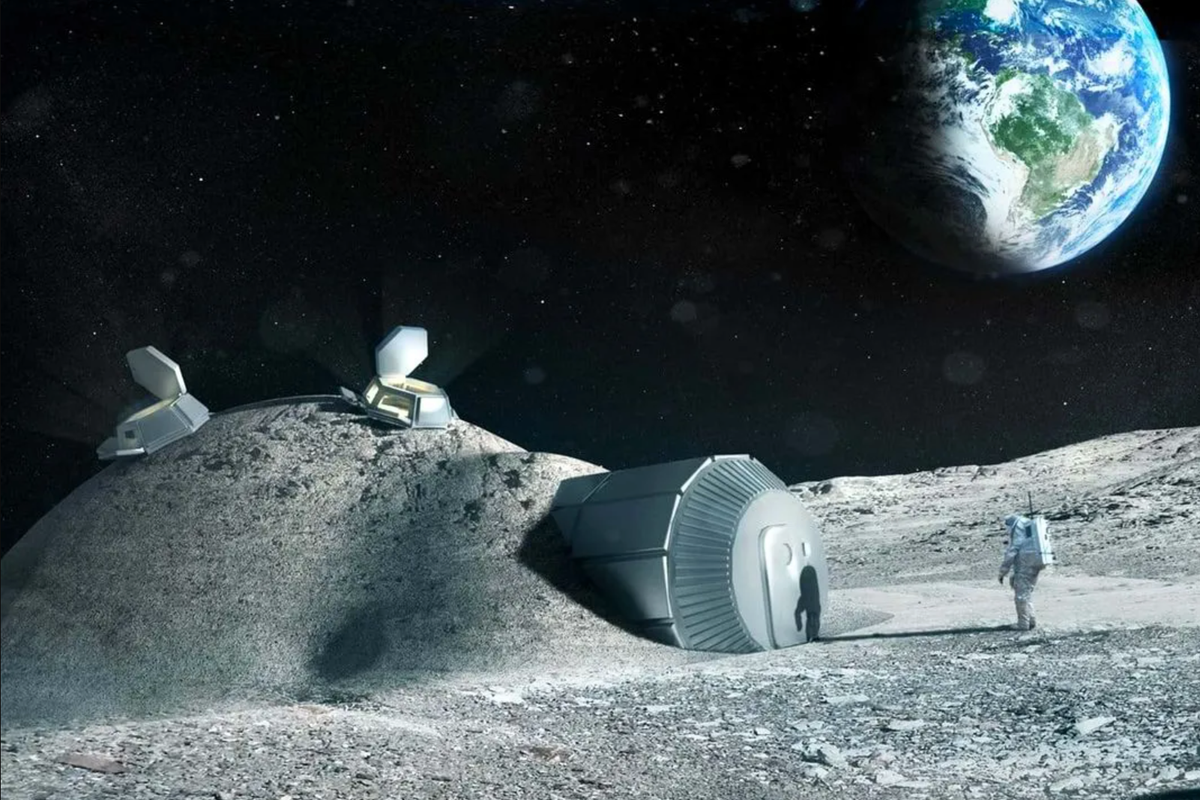
Thursday 2 April 2026 08:30 , Vishwam SankaranIn a string of changes made to the Artemis programme roadmap last month, Nasa announced that it scrapped plans to build a lunar space station and instead would use components from the project to build a $20bn base on the Moon.
The American space agency also announced plans in March to send a nuclear-powered spacecraft to Mars.
These changes, according to Nasa chief Jared Isaacman, were aimed at sending more robotic landers to the Moon in the near future, and to lay the groundwork for using nuclear power on the lunar surface.
Nasa also said it was launching a spacecraft called Space Reactor 1 Freedom to Mars before the end of 2028.
"It should not really surprise anyone that we are pausing Gateway in its current form and focusing on infrastructure that supports sustained operations on the lunar surface," Isaacman said.
You can read more about changes to the Artemis program here
Nasa abandons orbiting lunar station plan in favor of $20 billion ‘moon base’
What makes Artemis II launch a key turning point in space exploration
Thursday 2 April 2026 08:00 , Vishwam SankaranExperts say the Artemis II mission is a big step towards sending humans back to the Moon - and eventually establishing a permanent base there.
"We’re going to the Moon, to stay, and it’s those two extra words that change everything. This mission truly signals the start of a new era of human space exploration," said Belinda Rich, a researcher studying lunar metals manufacturing at Swinburne University of Technology.
While the Apollo astronauts of the 1960s and 1970s stayed for just three days on the Moon, Artemis IV astronauts are slated to stay for a week, she explained.
"One day, a permanent lunar outpost will enable lunar visits lasting months or years," Dr Rich said.
The Artemis program roadmap could lay the foundation for "ultimately, the first step to send humans to Mars," said Guifré Molera Calves, a senior space researcher at the University of Tasmania.
"Artemis II represents a key moment for human space exploration," Dr Calves said.
"While Artemis II will not land on the Moon, it is the crucial step before that, or in other words, one small step before the next giant leap," said Alan Duffy, director of the Space Technology and Industry Institute at Swinburne University.
The mission also signifies a key moment in the global space race, experts say.
"With the launch of Artemis II, the new space race is finally heating up. While the US still holds the lead – a lead contingent on Artemis II being successful and the entire programme staying on track – China is very close thanks to its quiet determination and a marathon approach dating back more than a decade ago," said Marco Aliberti from the European Space Policy Institute (ESPI).

America is going back to the moon. Here’s why it’s a big deal
ICYMI: Meet 'Rise' - the Artemis II mission's official mascot
Thursday 2 April 2026 07:40 , Vishwam Sankaran
Meet ‘Rise’ the official mascot of the Artemis II moon mission
Space historian explains why it has taken 50 years to return to Moon
Thursday 2 April 2026 07:19 , Vishwam Sankaran
Why has it taken 50 years to return to the Moon? A space historian explains
European Service Module's journey to the Moon
Thursday 2 April 2026 06:50 , Vishwam SankaranThe Artemis II mission marks a historic extension of Nasa’s international cooperation, with the Orion spacecraft’s service module provided by the European Space Agency (ESA) and its partner Airbus Space.
The service module is the powerhouse of the spacecraft, providing manoeuvring capability, power, and other commodities necessary for life support.
It was assembled in Bremen, Germany, with companies from 11 countries across Europe and the US delivering components.
"As a key contributor in Nasa's Artemis programme, Airbus is proud to contribute by having developed and manufactured the European Service Module (ESM) on behalf of ESA," Airbus said in a statement.
The fully built module left Europe in 2021 for the Nasa Kennedy Space Centre in Florida on an aircraft packed inside a custom-built container.
There it was subject to several rounds of testing, including one which exposed the spacecraft to 200 speakers producing sound levels exceeding 140 decibels, simulating the intense noise and vibrations of launch.
Then in 2023, ESA formally handed over the module to Nasa, marking its completion and readiness for integration with the rest of Orion.
In late 2023, the service module and crew module were connected, and Orion powered on for the first time.

Orion continued to be tested through 2024, including pressure and radiation exposure checks.
Last year, Nasa teams permanently installed the seven-metre-long European-built solar arrays to Orion, enabling the spacecraft to generate electricity in space.
In October, Orion, along with its launch abort system, was rolled to the legendary Vehicle Assembly Building at the Kennedy Space Center to be stacked on top of the Space Launch System (SLS) rocket.
All the historic firsts achieved with the Artemis II mission
Thursday 2 April 2026 06:30 , Vishwam SankaranAs humans head back to the Moon for the first time in over half a century, the historic Artemis II mission also provides a wealth of other firsts.
Nasa astronaut Christina Koch is the first woman to fly to the Moon, while her Canadian crew member Jeremy Hansen is the first non-American to do so.
Another crew member, Victor Glover, has become the first Black astronaut to launch off on a lunar mission.
It is also the maiden crewed voyage for the Orion space capsule and SLS - the Space Launch System.
It’s happening! #ArtemisII is lifting off and Canada is on board. CSA Canadian astronaut Jeremy Hansen launches alongside Reid Wiseman NASA, Christina Koch NASA and Victor Glover NASA for a Lunar Flyby. Send the crew your support below! 🚀⬇️ pic.twitter.com/XaZpVwadJP
— Canada (@Canada) April 1, 2026
The journey around the Moon also marks the first time a European-built system powers a crewed lunar mission.
"In contrast to the Apollo missions, which entered lunar orbit at around 100 km (62 miles) altitude, Artemis II will conduct a fly-by at over 6,500 km (4038 miles). This will be another first for humanity – these 4 brave astronauts will travel further than anyone in the history of our species," said Gail Iles, a former Astronaut Instructor at ESA.
Google releases doodle to celebrate Artemis II launch
Thursday 2 April 2026 06:10 , Vishwam SankaranGoogle has released a doodle, marking the historic mission to send astronauts around the moon for the first time in over 50 years.
The doodle has illustrations of the Moon and the Earth representing the two 'O's of 'Google' and one of a rocket for the 'l'.
Today’s #GoogleDoodle celebrates the launch of Artemis II, the @NASA mission that will send astronauts around the moon and back for the first time in over 50 years. During the approximately 10-day voyage, the crew will test the spacecraft’s systems while traveling farther into… pic.twitter.com/i8fKlOsI8P
— Google (@Google) April 1, 2026
"This critical test flight brings us one step closer to a long-term return to the Moon and future missions to Mars," the tech giant posted on X.
Spacecraft toilet finally working: Nasa
Thursday 2 April 2026 05:50 , Vishwam SankaranArtemis II astronauts working with the Nasa ground control team have successfully restored the Orion spacecraft’s toilet to normal operations, the American space agency said in a statement.
Crew reported a blinking fault light in the spacecraft's only toilet, the Universal Waste Management System, ahead of orbit adjustment manoeuvres around the Earth.
Nasa earlier said it would take a few hours to troubleshoot and resolve, with no specifics released.
"Mission control teams successfully assessed the data and worked with the crew to troubleshoot and resolve the issue," Nasa has now said in an update on the issue.
Mission control and crew continue troubleshooting spacecraft toilet
Thursday 2 April 2026 05:30 , Vishwam SankaranAs the Artemis II crew completed spacecraft configuration activities, they continued to assess the toilet system, which was found to have a blinking fault light.
Mission control teams and the crew are continuing to assess data and are actively working to troubleshoot the issue, Nasa said in a statement.
The crew is slated to take a four-hour nap and will be awakened at 7am EDT (11am GMT) after which they would prepare for an engine burn to adjust the spacecraft's orbit around Earth.
Astronauts will then resume their sleep period around 9.40am EDT (1.40pm GMT), Nasa said.
Key Orion spacecraft manoeuvre test completed
Thursday 2 April 2026 05:12 , Vishwam SankaranThe Artemis II crew has successfully concluded one of the mission’s early objectives to evaluate the manual handling qualities of Orion.
Nasa hopes the data from the test will be valuable for manual close‑range manoeuvring of the spacecraft around another spacecraft.
"Over the course of the approximately 70‑minute activity, the crew guided the spacecraft through a series of controlled approach and retreat manoeuvers using the detached ICPS (interim cryogenic propulsion stage) as a reference target," Nasa wrote in a blog post.
The Artemis II crew has successfully completed the proximity operations demonstration! This test allows the astronauts to practice piloting Orion similarly to how they would if they were docking with another spacecraft — an important early test objective for the mission. pic.twitter.com/5FzBI96Lu3
— NASA Artemis (@NASAArtemis) April 2, 2026
At the end of the test, Orion executed a burn to safely back away from the ICPS.
The ICPS is now set to perform its own disposal burn to re‑enter Earth’s atmosphere over a remote region of the Pacific Ocean.
Contributions of Artemis II partner countries to Moon mission
Thursday 2 April 2026 04:54 , Vishwam SankaranAlthough Nasa is the primary architect of Artemis II, the American space agency is aided by its counterparts from Europe, Canada, and Japan in the historic lunar mission.
At the heart of the mission is the European Space Agency's (ESA) European Service Module, which has 33 engines that guide, steer and propel the crew safely towards the Moon and back.
A single main engine delivers the large changes in speed, supported by eight auxiliary engines as backup and for course corrections, as well as 24 smaller reaction control system engines, arranged in six pods, which are used to rotate and orient the spacecraft.
The ESA's module also provides the Orion spacecraft and its crew with life support, power and propulsion, enabling safe human travel beyond Earth orbit.
Canada is also a key partner of the mission, with its direct contribution being astronaut Jeremy Hansen, who is part of the 4-person crew and is slated to become the first non-American to go to the Moon.
One last message before the launch of Artemis II... pic.twitter.com/IpmYBKrhu7
— Jeremy R. Hansen (@Astro_Jeremy) April 1, 2026
The American neighbour and Japan's Jaxa space agency are expected to contribute robotics and modules for future Nasa lunar missions, especially for a gateway habitation module around the Moon.
Astronauts prepare for test to assess key Orion spacecraft manoeuvre
Thursday 2 April 2026 04:34 , Vishwam SankaranAs the Artemis II Orion spacecraft fine tunes its orbit around Earth, astronauts are preparing for a key test to evaluate its manual handling.
During the proximity operations demonstration, which was set to take place about three hours into the mission, the Artemis II crew will command Orion through a series of moves relative to another spacecraft, the ICPS, or interim cryogenic propulsion stage.
The test will evaluate how Orion flies with astronauts at the controls, as they make very small movements to ensure the spacecraft is responding as expected.
The Orion spacecraft successfully separated from the upper stage of the rocket, and the "proximity operations" test is underway. The Artemis II astronauts are manually piloting Orion similarly to how they would if they were docking with another spacecraft. pic.twitter.com/RWW4RSyaoq
— NASA (@NASA) April 2, 2026
The crew will also evaluate how Orion performs near another spacecraft.
“The demonstration is a flight test objective that helps us reduce risk for future missions that involve rendezvous and docking with other spacecraft," Nasa Orion manager Brian Anderson explained earlier.
Why astronauts are going around the Moon before Artemis III landing mission
Thursday 2 April 2026 04:08 , Vishwam SankaranThe Artemis II mission to circle around the Moon and return to Earth is designed to ensure Nasa's new systems are safer, more efficient, and better tested before attempting a landing with the subsequent Artemis III mission.
It is designed to test spacecraft life support systems, validate navigation and communication, and ensure it can safely return to Earth.
The mission will also test astronaut radiation exposure in space, communication delays, and emergency procedures far from Earth.
Astronauts will enter a special orbit around the Moon, making it the furthest trip from Earth in decades. Humans have not gone beyond low orbit since 1972.
While the Apollo missions of the 1960s and 70s have put boots on the Moon, Artemis is much more complex.
For the first time in over 50 years, humans are Moonbound.
— NASA (@NASA) April 1, 2026
At 6:35 p.m. EDT (2235 UTC) NASA’s Space Launch System rocket and the Orion spacecraft lifted off from the agency’s Kennedy Space Center in Florida, sending four astronauts on a planned test flight around the Moon and… pic.twitter.com/v6kaAUV4Iy
In Artemis III, the mission's Orion spacecraft stays in lunar orbit, while astronauts will transfer to SpaceX's Starship HLS to land on the Moon.
It will involve multiple launches, refuelling steps, and also test docking in lunar orbit.
The Artemis I, II, and III missions will overall attempt to make a long-term presence on the Moon easier.
Why spaceflight is having a moment, from Artemis to Project Hail Mary
Thursday 2 April 2026 03:40 , Anthony Cuthbertson
Why spaceflight is having a moment, from Artemis to Project Hail Mary
Why has it taken 50 years to return to the Moon?
Thursday 2 April 2026 02:32 , Anthony Cuthbertson
Why has it taken 50 years to return to the Moon? A space historian explains
America is going back to the Moon - here's why it's a big deal
Thursday 2 April 2026 01:11 , Anthony Cuthbertson
America is going back to the moon. Here’s why it’s a big deal
White House shares Mario-themed celebration
Thursday 2 April 2026 00:10 , Anthony CuthbertsonThe official White House account on X has shared a bizarre Mario-themed video celebrating the launch of the Artemis II mission.
— The White House (@WhiteHouse) April 1, 2026
Successful separation
Wednesday 1 April 2026 23:47 , Anthony CuthbertsonEight minutes into the flight and the core stage separation is successful.

Artemis II astronauts head to the Moon!
Wednesday 1 April 2026 23:36 , Anthony CuthbertsonWe have lift off! Artemis II’s four-astronaut crew is on its way to the Moon.
Just 248,000 miles to go.


'Go for launch'
Wednesday 1 April 2026 23:25 , Anthony CuthbertsonAll final checks have been carried out and the Artemis II launch countdown is back underway.
“We are go for launch,” the launch director says.
T-minus 10 minutes.
Launch countdown held at 10 minutes
Wednesday 1 April 2026 23:19 , Anthony CuthbertsonThe launch countdown is held at 10 minutes while final checks and confirmations are made.

Update on battery issue
Wednesday 1 April 2026 23:13 , Anthony CuthbertsonOne of the two batteries on the launch abort system was reportedly experiencing a “higher temperature than would be expected” due to an instrumentation failure, however Nasa has now said it will not impact the launch.
The batteries are situated in the tower above the Orion capsule, and they are responsible for pulling it clear from the rocket in the event of a problem with SLS.
It’s now just 10 minutes until the two-hour launch window opens.
The path of the first crewed mission to the Moon since 1972
Wednesday 1 April 2026 22:58 , Anthony CuthbertsonNasa has provided a handy graphic of the route the Artemis II crew will take in their flight around the Moon aboard the Orion spacecraft.
After lifting off from pad 39B at Kennedy Space Center in Florida, the SLS rocket will be jettisoned before Orion performs a high-altitude orbit of Earth.
Then begins the four-day outbound transit to the Moon, 250,000 miles away. After swinging by the Moon, Orion will return to Earth, eventually splashing down off the west coast of America.

Battery issue but weather improves
Wednesday 1 April 2026 22:37 , Anthony CuthbertsonNasa has noted a battery issue, though adds that there’s still plenty of time for it to be resolved.
On the plus side, the weather has improved, with the probability of favourable launch conditions now up to 90 per cent.
T-minus 1 hour for Artemis II launch
Wednesday 1 April 2026 22:29 , Anthony CuthbertsonThere’s now less than an hour to go until the Artemis II launch.
While we wait, you can read all about this historic mission here.

America is going back to the moon. Here’s why it’s a big deal
Ground crew closes launch abort system hatch
Wednesday 1 April 2026 22:19 , Anthony CuthbertsonThe launch abort system hatch has been closed.
The crew hatch of the Orion spacecraft, which sits atop the Space Launch System (SLS) rocket, is already closed.
The close out crew will now leave that room. The next big step is moving the crew access arm away from the rocket.

'The range is go'
Wednesday 1 April 2026 22:12 , Anthony CuthbertsonWith just over an hour to go until launch, the issue with the flight termination system has been solved.
“The good news is, the range is go,” Nasa says.
All other systems are looking good, though there is still a minor chance that weather could impact the launch. The launch weather forecaster has kept his original prediction of being “80 per cent go”.
Watch Artemis II launch live
Wednesday 1 April 2026 22:09 , Anthony CuthbertsonMore on the potential issue
Wednesday 1 April 2026 22:02 , Anthony CuthbertsonNasa hasn’t provided any further updates since warning of the issue with the flight termination system, but ground controllers are still unable to communicate with this crucial piece of hardware.
The flight termination system is an onboard safety mechanism that would destroy the Space Launch System (SLS) rocket in case it veers off course and threatens people on the ground.
A potential solution apparently involves retrieving a piece of “heritage hardware” from the Space Shuttle missions.

Artemis II launch team warns of potential issue
Wednesday 1 April 2026 21:36 , Anthony CuthbertsonThe launch team is currently “working an issue” with the range.
This refers to the airspace that needs to be clear for the launch, which Nasa is unable to verify currently. Ground crews have requested some “heritage hardware” from a previous mission in order to resolve it.
There is still a two hour launch window, so hopefully they can get it fixed.
“At this moment, the range is no go,” Nasa says. “But that is not stopping us from moving forward with the countdown.”

T-minus 2 hours for Artemis II launch
Wednesday 1 April 2026 21:24 , Anthony CuthbertsonThe countdown clock for the Artemis II launch has just ticked past two hours.
Nasa’s official broadcast shows ground crews readying the capsule and rocket at the Kennedy Space Center in Florida.
We're going around the Moon. Come watch with us. Artemis II's four-astronaut crew is lifting off from @NASAKennedy on an approximately 10-day mission that will bring us closer to living on the Moon and Mars. The launch window opens at 6:24pm ET (2224 UTC). https://t.co/X27QJejNDt
— NASA (@NASA) April 1, 2026
King Charles III writes to Canadian astronaut ahead of launch
Wednesday 1 April 2026 20:58 , Anthony CuthbertsonKing Charles III has written to Canadian astronaut Colonel Jeremy Hansen ahead of the Artemis II launch. Colonel Hansen will fly as a mission specialist on the lunar flyby.
In his letter to Colonel Hansen, ahead of the test flight, the monarch wrote: “As the first Canadian to venture to the Moon, you carry not only the hopes of your fellow Canadians and the Commonwealth, but also the aspirations of humanity itself.”
The UK is playing a part in the mission, with the Goonhilly Earth Station, near Helston, Cornwall, helping to track the capsule on its epic celestial voyage.
“You will, most certainly, reflect upon the fragile beauty of Earth as it rises above the lunar horizon, just as your predecessors did half a century ago,” King Charles wrote.
“May that sight renew in you, and in all who follow your journey, the conviction that we must learn from the lessons of how we have over-exploited and polluted our own planet, and thus care for the Universe, and all life contained within it, with reverence and a true sense of what is Sacred.
“In an age when humanity’s reach into the stars grows ever bolder it is vital that the Moon remains a beacon of peaceful scientific discovery rather than a theatre of exploitation.”
You can read more about the four crew members of the Artemis II mission here.

Meet the Artemis crew being launched to the moon in Nasa’s next lunar leap
Meet ‘Rise’ the official mascot of the Artemis II moon mission
Wednesday 1 April 2026 20:06 , Anthony CuthbertsonWith just under 3.5 hours until launch, the astronauts have made their way inside the Orion spacecraft. They are joined by a toy that will accompany them on the trip around the Moon.
The softball-sized mascot called Rise will serve as a zero gravity indicator, letting the crew know when they’ve made it to space.
Designed by a second grader in California, Rise is also carrying a MicroSD card with the names of 5.6 million people on it. You can read all about it here.

Meet ‘Rise’ the official mascot of the Artemis II moon mission
The four astronauts have taken their seats inside the Orion capsule
Wednesday 1 April 2026 20:04 , Brendan RasciusThe astronauts have taken their seats in the Orion capsule atop NASA’s SLS rocket. Staff were seen assisting them.


Astronauts are on the launch pad
Wednesday 1 April 2026 19:29 , Brendan RasciusA vehicle drove the four astronauts to the Kennedy Space Center launchpad, and they are taking the elevator to the launch tower.
IN PHOTOS: Astronauts smile and wave ahead of their historic mission
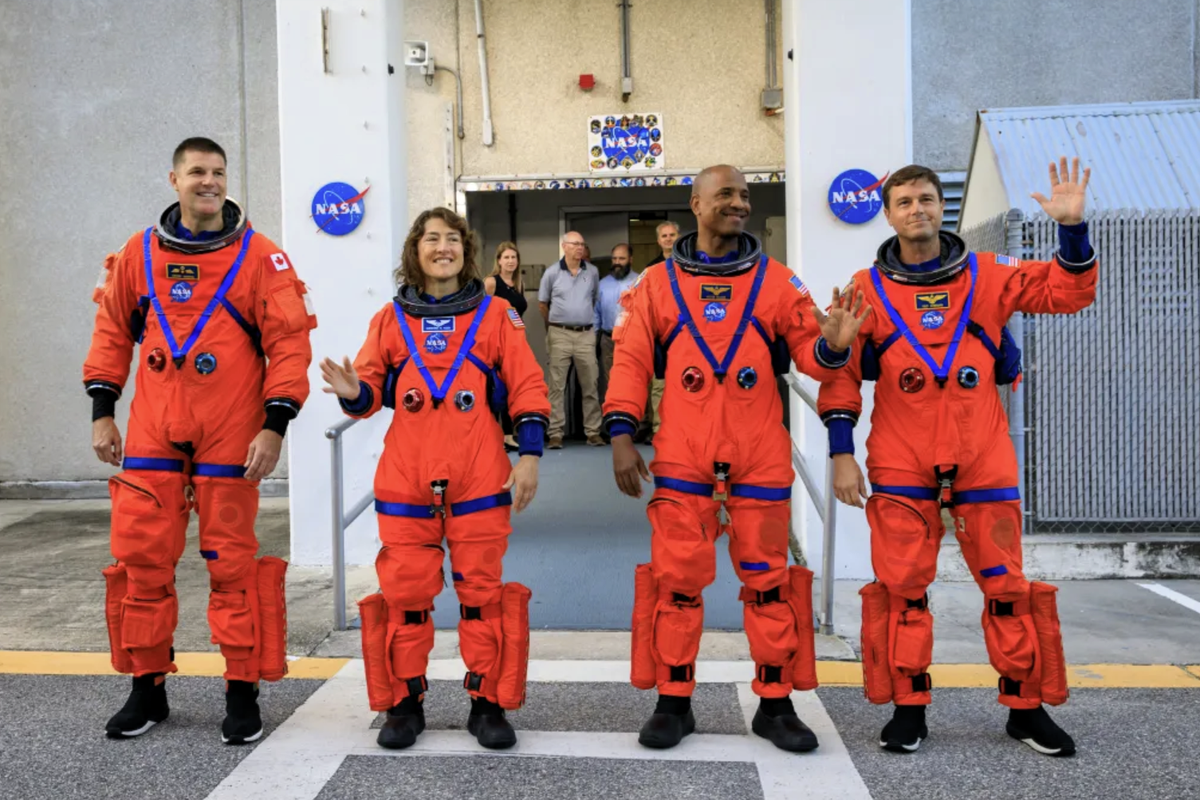
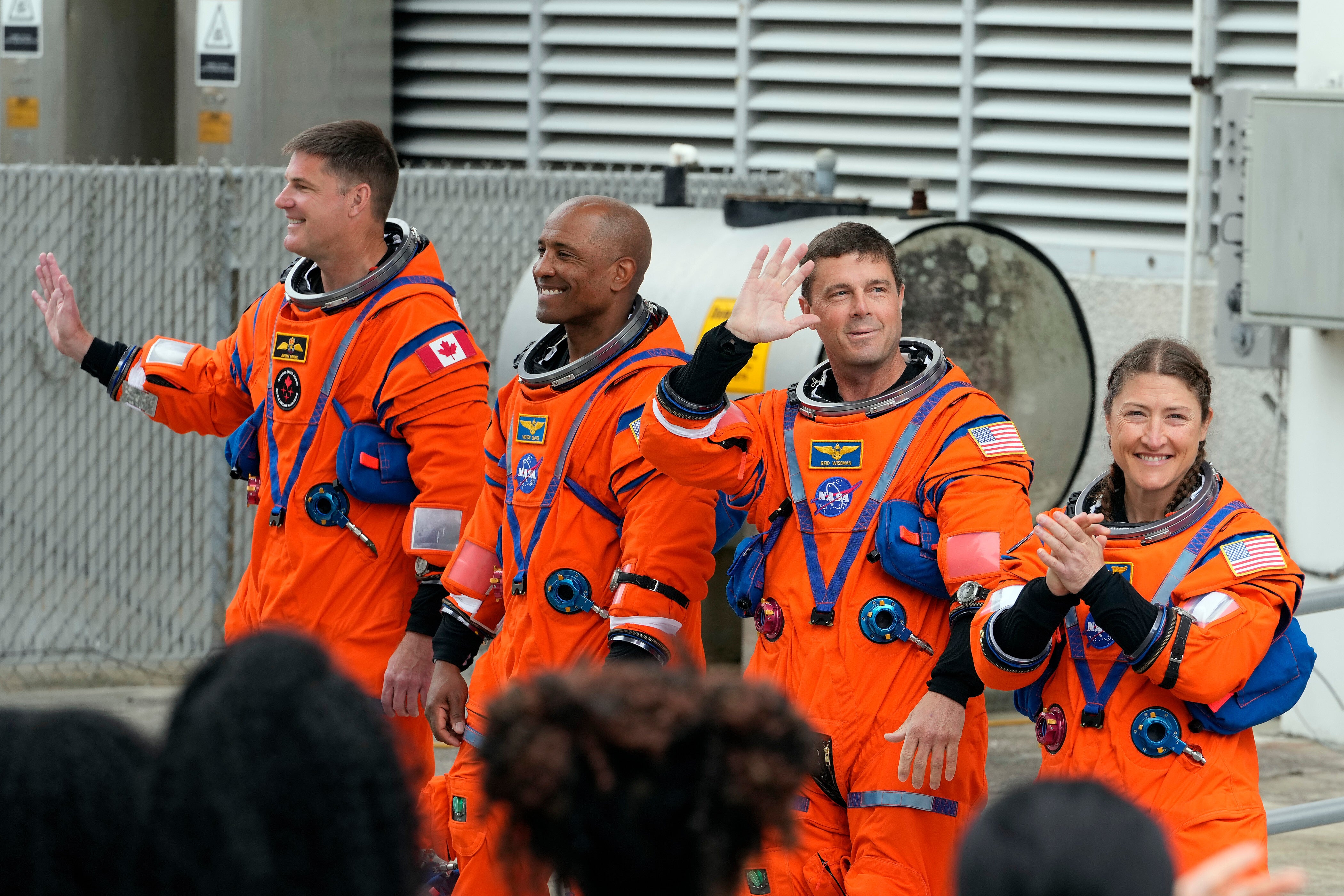
Wednesday 1 April 2026 19:23 , Brendan RasciusThe mission’s commander, Reid Wiseman, and fellow astronauts Victor Glover, Christina Koch and Jeremy Hansen were seen smiling and waving at a crowd of well-wishers on Wednesday afternoon.


Astronauts are preparing for launch
Wednesday 1 April 2026 19:19 , Brendan RasciusThe four astronauts have donned their suits and are preparing to head to the launch pad at Kennedy Space Center in Florida.
The launch is scheduled to begin at 6:24 p.m. Eastern Time, about one hour before sunset.
Nasa begins fueling rocket to launch astronauts on the first lunar trip in half a century
Wednesday 1 April 2026 17:41 , Andrew Griffin
NASA begins fueling rocket to launch astronauts on the first lunar trip in half a century
Why has it taken 50 years to return to the Moon? A space historian explains
Wednesday 1 April 2026 17:40 , Andrew Griffin
Why has it taken 50 years to return to the Moon? A space historian explains
12 hours until launch window opens
Wednesday 1 April 2026 11:25 , Andrew GriffinIt’s now less than half a day until the Nasa astronauts blast off to the Moon. (All being well; it could be delayed and it has been before, but the space agency says today is looking good so far.)
Rocket sits ready on its launchpad
Wednesday 1 April 2026 11:12 , Andrew GriffinThis image from the Italian space agency shows the rocket as it sits, waiting on its launchpad.
🚀 Artemis II is positioned for lift off at Launch Complex 39B at @NASA’s Kennedy Space Center in Cape Canaveral.
— e-GEOS (@e_geos) April 1, 2026
🛰️ This polarimetric radar image was acquired by one of the Second-Generation COSMO-SkyMed satellites of @ASI_spazio and @MinisteroDifesa, and processed by e-GEOS,… pic.twitter.com/lb4lIN7R9h
Who are Nasa's Moon-bound astronauts?
Wednesday 1 April 2026 10:13 , Andrew GriffinThe crew is made up of Reid Wiseman, Victor Glover, Christina Koch and Jeremy Hansen.
Koch already holds the record for the longest single spaceflight by a woman. During her 328-day mission at the International Space Station spanning 2019 and 2020, she took part in the first all-female spacewalk.
Glover, a Navy test pilot, was the first Black astronaut to live and work aboard the space station in 2020 and 2021. He also was one of the first astronauts to launch with SpaceX.
The Canadian Space Agency's Hansen, a former fighter pilot, is the lone space rookie.
Their commander is Wiseman, a retired Navy captain who lived aboard the space station in 2014 and later headed NASA's astronaut corps.
They range in age from 47 to 50.
King Charles writes to Canadian astronaut
Wednesday 1 April 2026 10:11 , Andrew GriffinKing Charles has written to Canadian astronaut Colonel Jeremy Hansen, who will become the first non-American person ever to perform a lunar visit. (It is a mission of firsts: the crew will also include the first woman and the first person of colour.)
Here’s an extract from the letter. It makes heavy reference to the “Astra Carta”, a document launched by the King in 2023 to promote sustainability in space exploration.
“It is with immense pride and a profound sense of shared purpose that I write to you as you prepare to embark upon the Artemis II mission – the first crewed voyage beyond low Earth orbit since the dawn of the Space Age. As the first Canadian to venture to the Moon, you carry not only the hopes of your fellow Canadians and the Commonwealth, but also the aspirations of humanity itself.
In 2023, when I launched the Astra Carta at Buckingham Palace, I did so in the firm belief that our stewardship of the planet must now extend to the infinite wonders of the Universe. The Astra Carta urges us to navigate the celestial realms with wisdom, foresight and responsibility. Its fundamental principles are not mere aspirations; they are a solemn pledge to future generations. They remind us that the cosmos is not a frontier to be conquered, but a shared inheritance to be cherished and preserved.
As you orbit the Moon, you will carry these principles in the most literal and profound sense. In an age when humanity’s reach into the stars grows even bolder it is vital that the Moon remains a beacon of peaceful scientific discovery.
May the stars align in your favour, and may your safe return inspire countless others to uphold the values of sustainability, cooperation and wonder that the Astra Carta enshrines.”