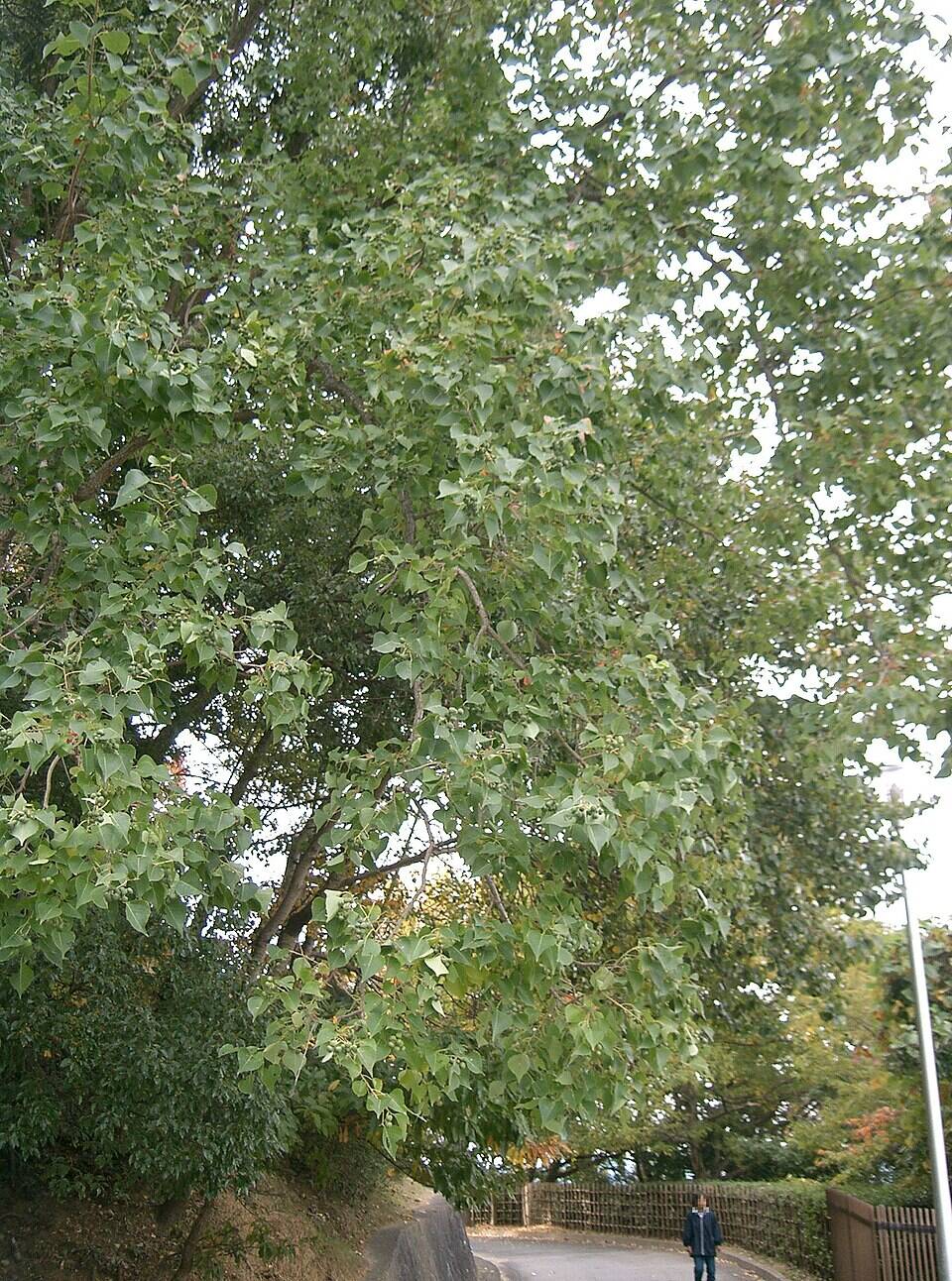
Chinese tallow was introduced to the United States with commercial hopes. Around the beginning of the 20th century, the fast-growing tree was planted across parts of the Gulf Coast because its seeds contained valuable oils that could be used to make candles, soaps and other products. It also became popular as an ornamental tree because of its colourful autumn foliage and ability to grow in a variety of soils. More than a century later, the same qualities that made it attractive have helped it become one of the most widespread invasive trees in the southern United States, becoming established in forests, grasslands, wetlands and grazing areas across the region.
Get breaking news anytime, anywhere. Download the TOI app now!
The review published in the Forest Ecology and Management brought together decades of scientific evidence to explain how the species spread so successfully, why it often outcompetes native vegetation and why controlling it has become a long-term challenge for land managers across the Gulf Coast.
From commercial promise to ecological concern
Chinese tallow, scientifically known as Triadica sebifera , is native to China and parts of eastern Asia. Although it first arrived in North America much earlier, planting expanded during the late 1800s and around 1900 as interest grew in its commercial potential. The white waxy coating around its seeds could be processed into candles and soap, while the seed oil had industrial uses. Combined with its rapid growth and attractive appearance, the tree appeared to be a practical choice for cultivation.
The review says those same traits later helped the species spread beyond planted areas. Chinese tallow produces large numbers of seeds, many of which are carried by birds or transported by water into nearby natural habitats. The trees also begin producing seeds at a relatively young age, allowing populations to grow quickly once they become established.
Disturbances such as hurricanes, flooding, fire, logging and land clearing create favourable conditions for new seedlings. Over time, the tree spread across much of the Gulf Coast, particularly in Texas, Louisiana and Mississippi, before expanding into neighbouring southern states.
How Chinese tallow changes forests and grasslands
One reason Chinese tallow has spread so successfully is its ability to form dense stands. Instead of growing alongside native trees, large numbers of young Chinese tallow trees often develop close together, creating heavy shade that limits the growth of grasses, shrubs, wildflowers and young native trees. As these native plants decline, the surrounding plant community changes as well.
The review says these changes can also alter wildlife habitat. Many native animals depend on local plant communities for food and shelter. As Chinese tallow becomes dominant, these habitats can become less suitable for native wildlife.
Researchers also found that the tree changes conditions below ground. Its leaves decompose relatively quickly, altering the way nutrients move through the soil. These soil changes can favour Chinese tallow while making it harder for native species to reestablish. This allows the invasive tree to strengthen its presence over time.
Another factor behind its spread is its adaptability. According to the review, Chinese tallow grows in forests, wetlands, floodplains, abandoned farmland, roadsides and coastal prairies. It tolerates both wet and moderately dry conditions, enabling it to establish itself in a wide range of habitats across the southern United States.
Its attractive appearance has also helped it spread. Even after scientists began recognising its invasive nature, the tree continued to be planted in gardens and landscaped areas because of its colourful autumn leaves and fast growth. These ornamental plantings created additional sources of seeds that could spread into nearby natural ecosystems.
The review also highlights agricultural concerns. Chinese tallow contains toxic compounds, and cattle that eat enough of its leaves or seeds can become ill. Although grazing animals do not usually eat the plant, infestations on pastureland can still create management concerns for livestock producers.

Why removing the tree is so difficult
Managing Chinese tallow requires persistence because removing mature trees does not always solve the problem. When trees are cut down, the remaining stumps can produce new shoots, allowing the plant to regrow. At the same time, seeds already present in the soil may continue germinating for several years, while birds can introduce fresh seeds from nearby infestations.
For this reason, the review says land managers usually combine several control methods rather than relying on one approach. Mechanical removal is often followed by carefully targeted herbicide treatments and repeated monitoring to eliminate new seedlings before they mature. Long-term follow-up is essential because stopping control efforts often allows infestations to return.
Preventing new introductions is equally important. Avoiding the ornamental planting of Chinese tallow in areas where it can spread naturally reduces the risk of establishing fresh populations that may later invade forests, wetlands and grasslands. A tree once valued for its oil-rich seeds later spread across large areas of the southern United States, invading forests, wetlands and prairies.
The review concludes that improving knowledge of these invasion mechanisms can help strengthen future management strategies and reduce the ecological impacts of invasive plants, while continued monitoring remains important for protecting native ecosystems already affected by Chinese tallow.