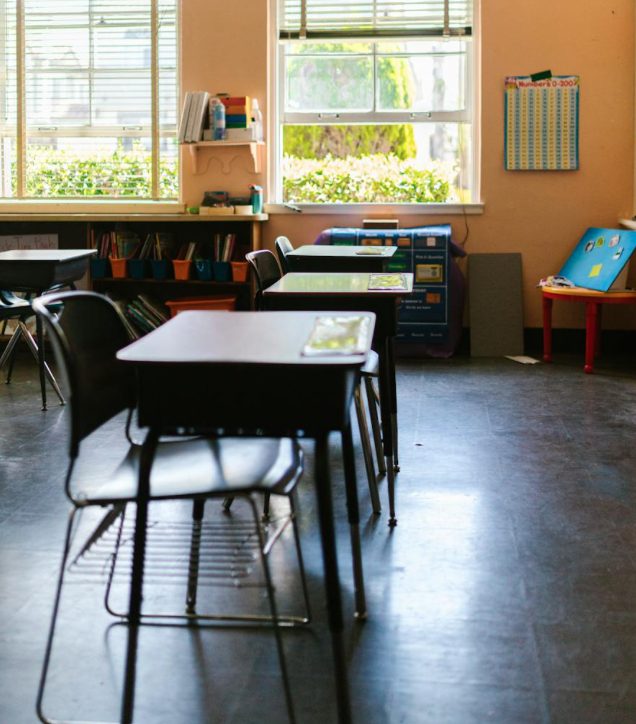
Parents across Arizona are reporting more disagreements with schools over classroom accommodations, turning what used to be quiet meetings into emotionally charged disputes. For many families, the issue centers on whether students with ADHD, autism, learning disabilities, anxiety, or medical conditions are receiving the classroom support they were promised. Special education advocates say confusion over staffing shortages, behavioral expectations, and legal requirements is fueling tension. As Arizona schools continue navigating post-pandemic learning challenges, classroom accommodations have become a growing flashpoint for families and educators alike.
Why Classroom Accommodations Are Becoming a Bigger Battleground
Classroom accommodations are designed to help students access learning without changing academic standards, but families often say implementation is inconsistent. A child may be approved for extra testing time, sensory breaks, preferential seating, or speech support, yet parents report those supports are not always delivered consistently. In Arizona, growing class sizes and educator burnout have added pressure to already strained special education systems. Families describe situations where teachers rotate, substitute coverage increases, or communication breaks down, leaving accommodations overlooked. When parents believe their child is falling behind despite a formal plan, disputes over classroom accommodations can escalate quickly.
Parents Say Communication Gaps Are Driving Conflict
Many Arizona parents say the biggest problem is not paperwork but communication. A family may assume an accommodation plan is being followed, only to discover months later that classroom supports were applied differently from teacher to teacher. In realistic scenarios shared by advocates, a student with ADHD might lose access to movement breaks during testing weeks, while a child with sensory challenges struggles in a noisy classroom without agreed-upon adjustments. These misunderstandings can damage trust between schools and families. Experts in special education stress that regular check-ins, written documentation, and clearer expectations often prevent small concerns from becoming formal disputes.
Schools Face Real Pressures Behind Accommodation Challenges
Educators point out that schools are balancing legal obligations with staffing realities and rising student needs. Arizona schools, like districts nationwide, continue dealing with teacher shortages that affect special education services, counseling availability, and classroom support staffing. Teachers may manage large classrooms while trying to individualize learning plans for multiple students with different needs. That does not eliminate the responsibility to provide classroom accommodations, but it helps explain why implementation can vary from campus to campus. Parents concerned about support gaps are often encouraged to request documentation, schedule meetings early, and ask specific questions about how accommodations work in daily classroom settings.
Families Need to Know Their Rights and Practical Next Steps
Parents navigating classroom accommodations often worry about sounding confrontational, but experts recommend approaching concerns with organized documentation and clear goals. Keeping emails, progress reports, behavior notes, and examples of missed supports can make conversations more productive. Families may also benefit from asking for practical clarification, such as how extended test time is monitored or who ensures sensory accommodations are consistently available. Advocacy organizations frequently advise parents to seek collaborative solutions before conflicts become adversarial. Knowing the difference between an accommodation, a modification, and a formal support plan can also reduce confusion and improve outcomes.
The Lesson for Arizona Families and Schools
The rise in disputes over classroom accommodations reflects a larger challenge facing modern education: balancing student needs, educator capacity, and family expectations. Most parents and teachers ultimately want the same outcome — a classroom environment where students can learn safely and successfully. Building trust requires transparency, realistic problem-solving, and consistent follow-through from everyone involved. Arizona families facing these concerns are not alone, and early communication often makes a measurable difference before frustration turns into conflict.
Have you experienced challenges with classroom accommodations in your child’s school, and what solutions actually worked? Share your thoughts in the comments and join the conversation.
What to Read Next
Georgia Families Say Classroom Support for Neurodivergent Students Is Shrinking
Parents Say These ‘Sensory-Friendly’ Classrooms Aren’t Actually Working
Teachers Admit These Classroom Changes Are Hurting Neurodivergent Students
The post Arizona Families Report More Disputes Over Classroom Accommodations appeared first on Kids Ain't Cheap.