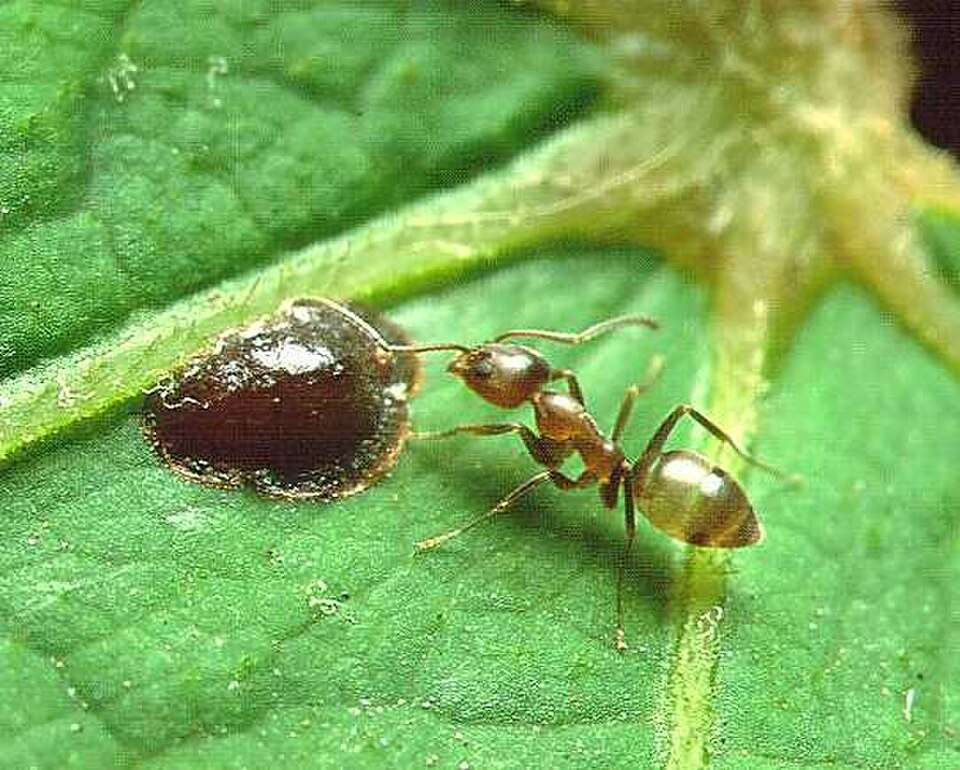
An ant no larger than a grain of rice is drawing the attention of conservationists on some of the world's most fragile islands. The Argentine ant (Linepithema humile), introduced to many regions through human activity, has spread well beyond its native range over the past century. Researchers have documented the invasive insect attacking newly hatched seabird chicks in Hawaii and Portugal's Desertas Islands, highlighting how even small invaders can pose unexpected challenges for wildlife conservation.
Get breaking news anytime, anywhere. Download the TOI app now!
A hitchhiker that conquered islands
Native to South America, the Argentine ant (Linepithema humile) spread far beyond its native range through the global movement of plants, soil and cargo. According to a review published in Biodiversity and Conservation , the species established populations across several continents and numerous oceanic islands during the twentieth century, including Hawaii and Portugal's Madeira archipelago. It has since reached parts of the Desertas Islands, where researchers have documented its interactions with breeding seabirds.
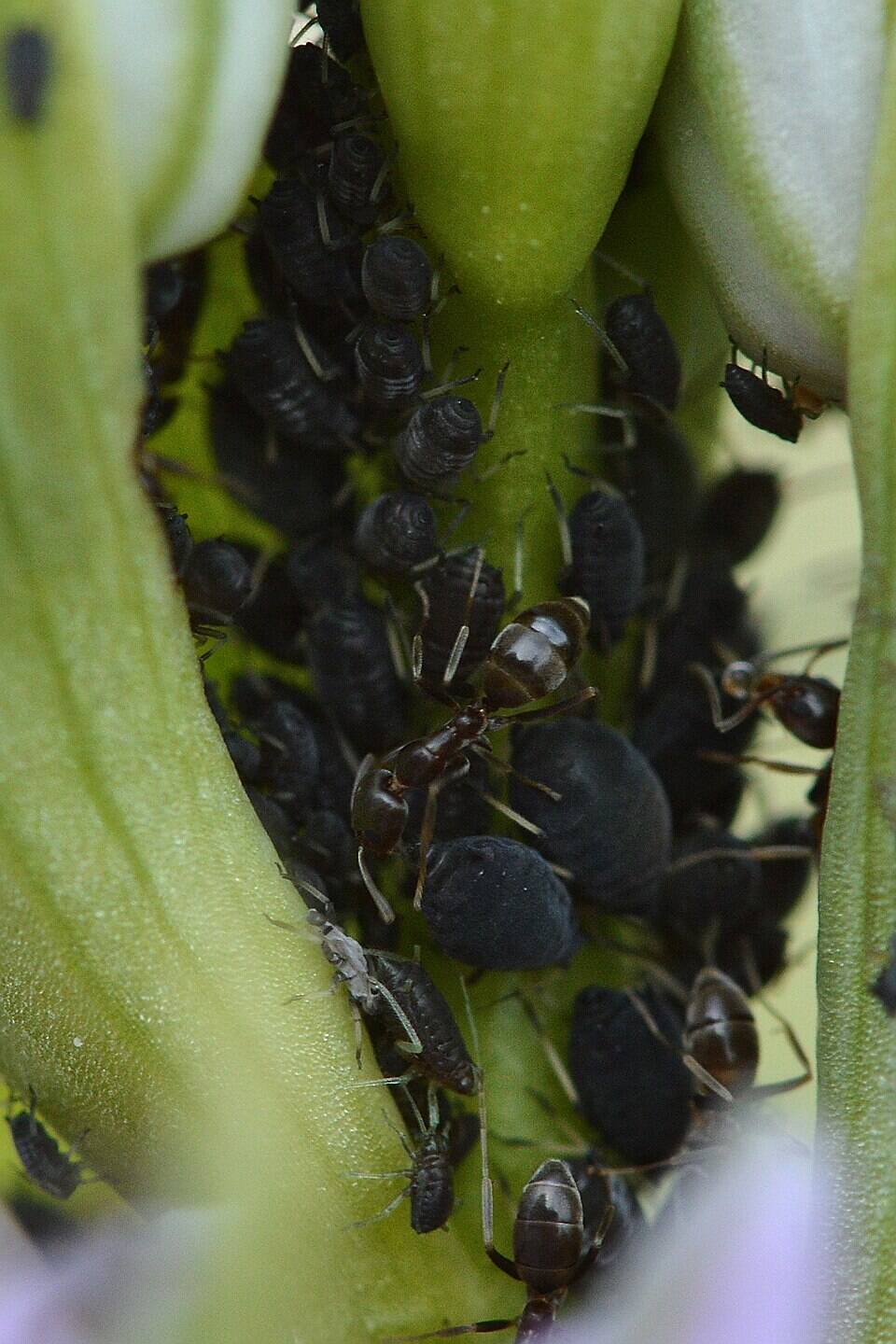
Unlike many native ant species, Argentine ants live in huge colonies called “supercolonies” where workers from different colonies collaborate and do not compete with each other. This ability helps them thrive, dominating food sources and taking over native ant species. The success has made them one of the world’s worst invasive alien species, according to the International Union for Conservation of Nature. While research into their impact on insects and other invertebrates has been well documented, in recent years there has been an increasing recognition of their influence on birds. Ground-burrowing seabirds in particular are vulnerable since young chicks cannot escape ants which invade their nests.
When tiny insects attack seabird chicks
According to a review published in Biological Invasions , invasive ants have emerged as a growing concern in seabird colonies on oceanic islands because they can attack eggs, chicks and even incubating adults. The review cites evidence from Hawaii showing that invasive ants injured wedge-tailed shearwater chicks and, in some colonies, reduced chick condition and survival. It also notes that experimental reductions in ant populations were associated with fewer ant attacks and chick injuries, indicating that invasive ants can directly affect breeding colonies, although the magnitude of these impacts varies with local conditions and the species involved.
According to a study published in the Journal for Nature Conservation , Portugal's Desertas Islands, an internationally important breeding site for several seabird species, including Bulwer's petrel, have experienced attacks by invasive Argentine ants (Linepithema humile) on newly hatched nestlings. To assess the broader impact, researchers monitored 294 Bulwer's petrel nests over three breeding seasons. They confirmed two cases of ant predation but found no significant relationship between local Argentine ant abundance and the species' overall breeding success. The researchers concluded that, under the conditions observed, Argentine ants were not a major driver of breeding failure, while noting that changes in ant abundance or environmental conditions could alter their impacts in the future.
The findings suggest that isolated predation events, although sometimes fatal to individual chicks, do not necessarily result in measurable reductions in breeding success at the colony level. They also highlight that the ecological impacts of invasive ants can vary depending on local conditions and the species involved.
A growing challenge for island conservation
Alien species often invade island ecosystems more easily because native organisms evolved without many predators or competitors. Even small changes in predator numbers can have consequences for endangered bird species. Eradicating invasive ants is not an easy task. Invasive ant colonies expand through budding, in which groups of ants, including queens, form new colonies close by. Although insecticides can help reduce populations, complete eradication is usually possible only on small islands or early in an invasion.
Conservation programmes increasingly combine targeted baiting with long-term monitoring to prevent ants from reaching sensitive breeding colonies. Biosecurity measures that reduce the accidental transport of ants in cargo, nursery plants and construction materials are also considered essential, particularly on islands that remain free of invasive populations.
Invasive ants pose different kinds of risks to the native wildlife of Hawaii and the Desertas Islands. In some instances, invasive ants have been associated with low survival rates and injuries to chicks. Meanwhile, in other instances, invasive ants have been observed attacking individual nestlings without any observable effect on the reproductive success of the colony at large. Thus, these findings confirm a wider message about the need for long-term monitoring when trying to understand the effects of invasive species. Given that increased trade and climate change will continue to spread non-native species, protecting island ecosystems may require early detection of new invasions to prevent them from becoming established. For seabirds that return to the same nesting site each year, early detection may be especially important.