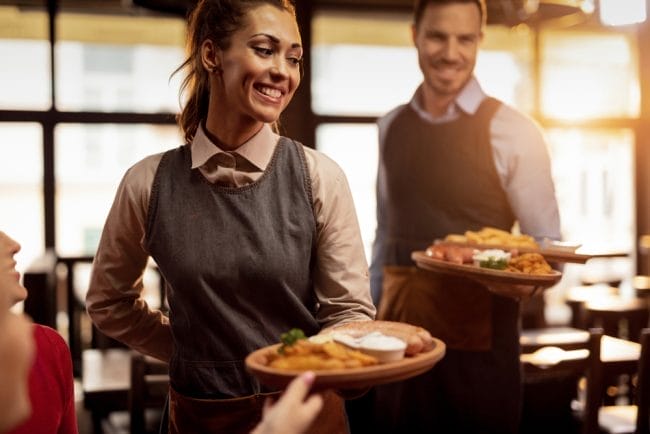
Walking away from a restaurant table used to feel like a simple transaction. Recently, however, that final moment with the bill has become a source of immense social anxiety. You might feel like the goalposts for being a decent human being keep moving further away. This shift is not just in your head because the hidden systems of service labor are undergoing a radical transformation. Tipping enough has become a moving target that leaves both diners and workers feeling consistently shortchanged. Modern digital payment screens frequently suggest starting points that would have seemed outrageous only five years ago. Furthermore, the pressure to supplement stagnant wages has shifted entirely onto the consumer’s shoulders.
The Rise of Tip Creep
Technology plays a massive role in how we perceive our obligations at the checkout counter. Those ubiquitous tablets at coffee shops or fast-casual counters create a digital stare-down that is hard to ignore. Many people find themselves clicking 20% for a bottle of water just to avoid the perceived judgment of the cashier. Surprisingly, these pre-set options are designed by software companies to maximize revenue rather than reflect actual service quality. You are essentially participating in a behavioral science experiment every time you tap a screen. Consequently, the line between a reward for excellence and a mandatory service fee has blurred into nonexistence. This phenomenon forces a conversation about whether we are supporting workers or simply subsidizing corporate payrolls.
Why Tipping Enough Matters Now
Inflation has devastated the purchasing power of service staff who rely on gratuities to survive. While menu prices have climbed, the base pay for many tipped employees remains stuck in a previous decade. Labor experts at the Economic Policy Institute highlight how these wage gaps create a precarious lifestyle for millions. If you are not tipping enough, the server might actually lose money on your table after tipping out the bar and kitchen staff. This reality creates a high-stakes environment where every meal is a financial gamble for the person carrying the tray. On the other hand, customers are feeling their own pinch from the rising cost of living. This friction creates a toxic atmosphere in the very places we go to relax and enjoy a meal.
The Debate Over Service Inclusion
Some establishments are attempting to solve the problem by eliminating tips in favor of higher flat wages. These experiments often meet with mixed results because both staff and regulars are used to the old incentive-based model. Recent 2026 data from WalletHub shows that over 80% of Americans now believe tipping culture has gotten out of control. Nevertheless, the stress of calculating the perfect amount remains a significant deterrent for many diners. Changing the system requires a complete overhaul of how we value service labor as a society. Until that happens, the burden of fairness remains squarely on your receipt at the end of the night.
The Future of the Service Economy
We are currently witnessing a standoff between traditional expectations and a new economic reality. You are not wrong for feeling frustrated by the constant prompts for more money in every transaction. However, the workers are equally trapped in a cycle that requires your generosity to meet their basic needs. Understanding the mechanics of this system helps demystify why a simple lunch now feels like a moral test. Perhaps the solution lies in more transparent pricing rather than guilt-driven prompts.
What do you think about the new standards for tipping enough in today’s economy? Leave a comment below and let me know your thoughts.
What To Read Next…
- The 44% Secret: Why Women are Suffocating in Silence After a Financial Scam
- 6 Things You Should Never Say to a Waitress (If You Want a Good Dining Experience)
- 7 Financial Mistakes You Don’t Want to Make When Buying Your First Used Car
The post Are You Tipping Enough? New Expectations for Wait Staff Spark Debate appeared first on Budget and the Bees.