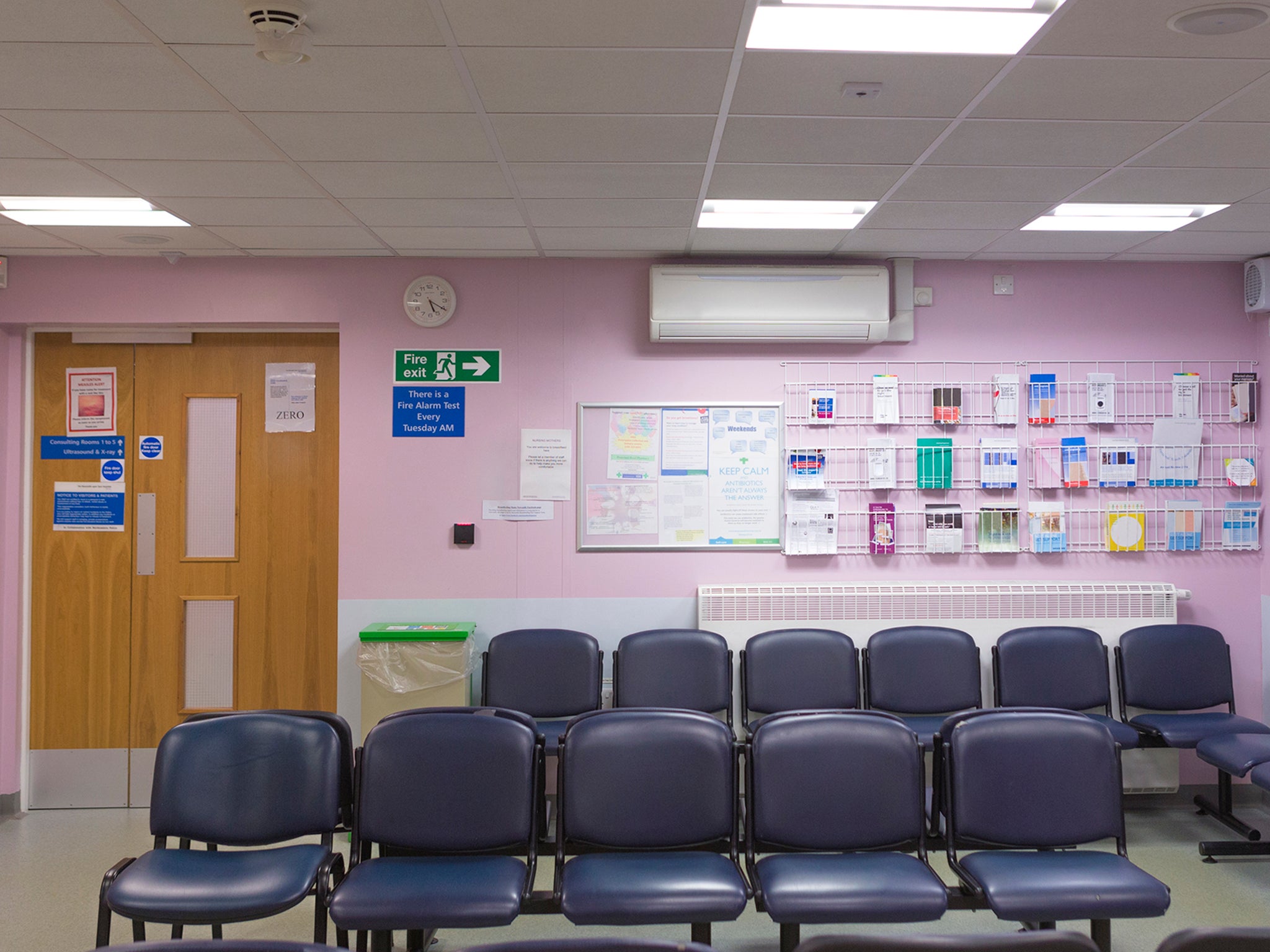
A “perfect storm” of flu, tens of thousands of cancelled operations, and an actual storm battering the country left no one in any doubt about pressures at the NHS coal face at the start of last year. The winter crisis had barely petered out by August.
That’s why we should be even more shocked that figures released on Thursday revealed performance against the flagship four-hour target at A&Es was even worse this winter – falling to a record low last month.
While last January ambulance crews queued out of hospital carparks and doctors warned of patients ‘dying prematurely’ in corridors, this year there haven’t been such obvious signs of stress.
So is this a mistake or some kind of bug the NHS will shake off? The Royal College of Emergency Medicine (RCEM) has a different diagnosis: we’ve got “chronic crisis”-itis.
With one in ten staff roles in hospitals vacant and tens of thousands of patients waiting more than four hours for a bed in hospitals each month, it can be hard to remember when this wasn’t the norm.
Ministers say we are looking at the inevitable consequences of a population that is living longer, and living with more medical conditions than ever before.
There were 2,111,635 A&E attendances in January 2019, 85,000 more than last year, and half a million more than January 2011 – the first year of David Cameron’s coalition.
In fact, the NHS saw 2,400 more people a day within the target in January than in 2018.
In the face of such changes it can feel like comparing targets from a decade ago is a fool's errand which only serves to demoralise staff working harder than ever.
But these rises were, above all, foreseeable – and yet NHS budgets have continued to be squeezed like never before.
For nearly a decade the Conservative mantra has been one of NHS inefficiency, asking the health service to do more and more with its £125bn budget.
While the NHS had annual 1 per cent budget uplifts as other departments faced only cuts, the health service has relied on an average 4 per cent uplift a year since its inception.
Meanwhile, short term savings on staff pay, and cuts to training, social care and a host of services outside the ring-fence have come back to bite.
The government is well aware of these pressures. For four consecutive years it has raided budgets meant for crumbling hospital repairs and equipment, just to keep the lights on.
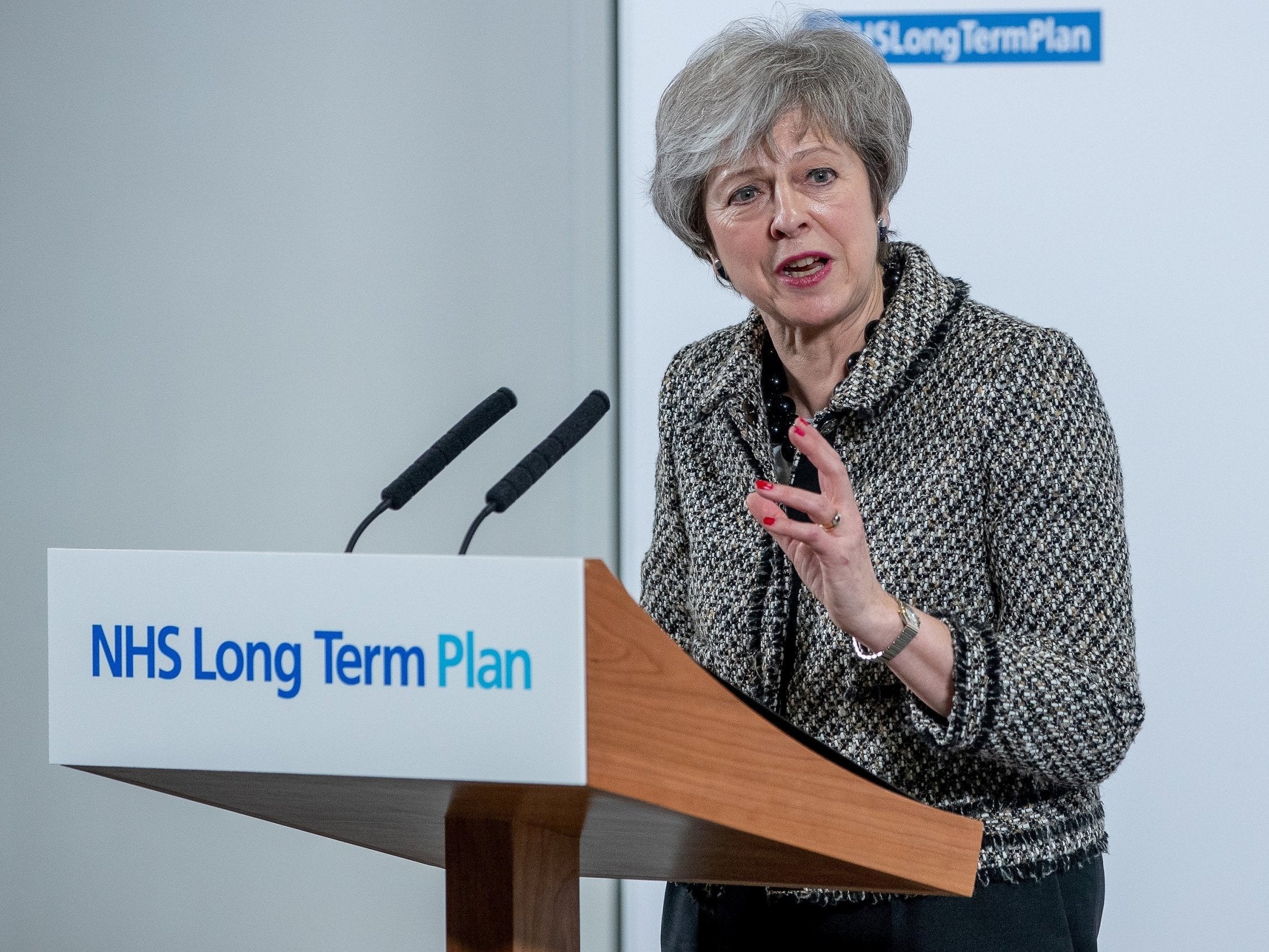
The first instalment of Theresa May’s much trumpeted £20.5bn budget uplift starts in April, and will give some breathing room to make improvements in mental health, maternity services and more.
But even with the cavalry round the corner, the Treasury has had to find a £600m bung to see the Department of Health and Social Care through, as revealed by the Health Service Journal revealed on Thursday.
Economists and NHS England chief Simon Stevens have warned the extra funding for the NHS 10-year plan is not enough to transform the health service and correct current performance.
That’s why Mr Stevens’ recent insistence that the four hour A&E target – last achieved nationally in 2015 – is no longer fit for purpose should cause concern.
The argument for shorter targets for urgent issues like stroke and longer ones for minor injuries seems sensible. But as the RCEM and others point out, urgent cases are already priortised to their own targets and the four hour standard plays a vital part in ensuring no one falls through the cracks.
“We must not become immune from the reality that behind today’s figures are stories of people with urgent medical needs waiting too long to be treated,” said Siva Andaciva, chief analyst from the King’s Fund health think tank.
Doing away with the waiting time objective while the NHS is at its most stretched will not help these patients. Rather, it will make ministers lives easier and compound our chronic crisis-itis.
And with Brexit looming large on the horizon, it will be all the more important to maintain landmark targets if we are to steer the NHS back on course.