Between them, the senior panel for Golf Monthly’s Top UK&I 100 course rankings in association with Peter Millar – Rob Smith, Jeremy Ellwood and editor Neil Tappin – have a vast experience of golf courses both inside and outside the rankings process.
In this video and article they discuss some commonly voiced concerns about golf course design, debating whether various often-cited weaknesses are valid or perhaps overblown in certain circles.
Let us know in the comments section at the bottom whether you agree or disagree with what we have to say in the accompanying video...
1. A golf course shouldn’t start with a par 3
While the vast majority of courses don’t start with a one-shotter, there are a great many that do, with even a few in our UK&I Top 100 courses rankings opening with a par 3, such as Royal Lytham and St Annes and The Blue course at the Berkshire.
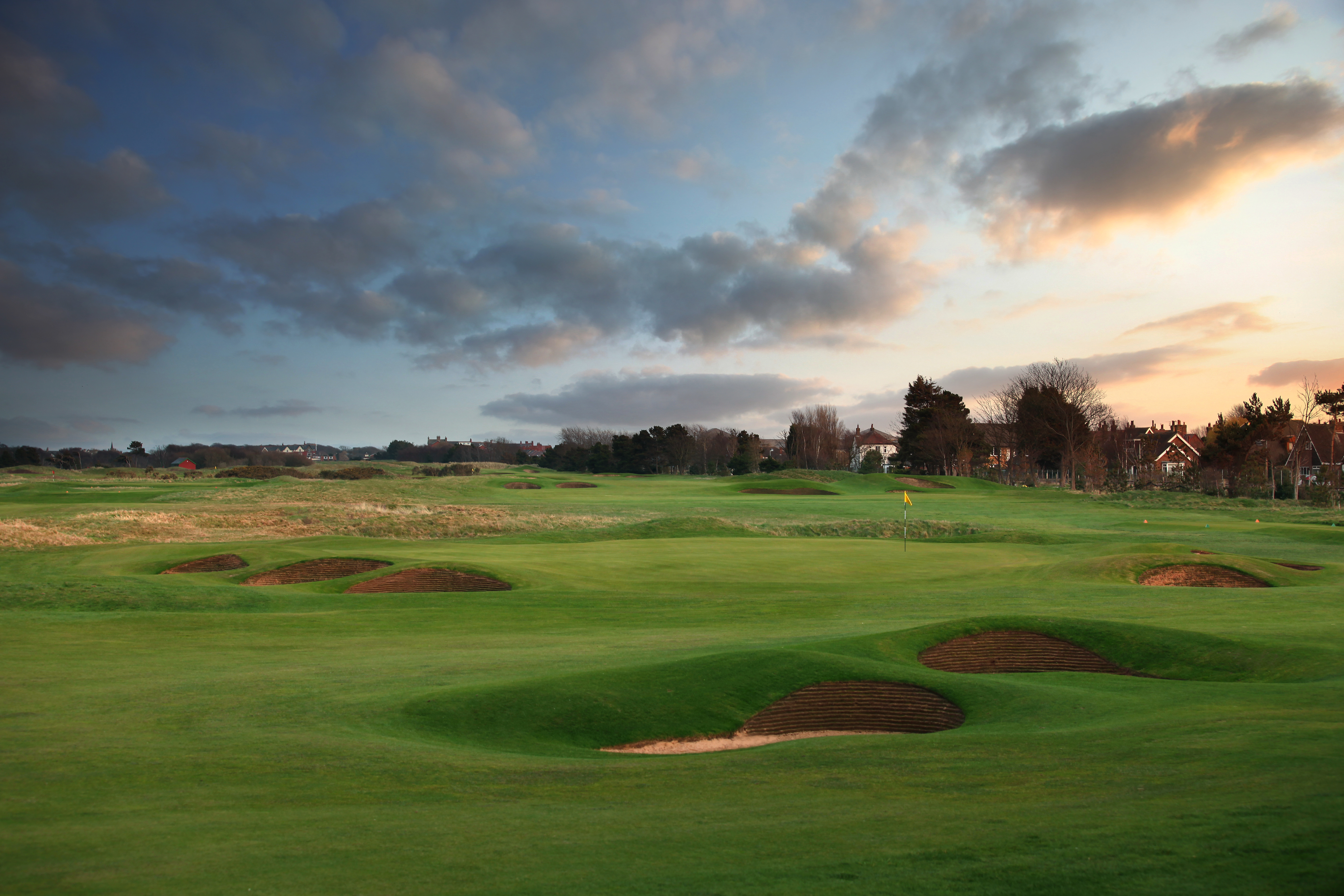
Some golfers don’t like the notion, but we’re generally perfectly happy with it, while noting that if the hole is particularly long or difficult, such that few average golfers are likely to hit the green, it may not be the ideal start from a pace-of-play perspective
2. You shouldn’t have blind shots
While few modern courses present you with blind shots unless you’ve strayed out of position, plenty of older courses, particularly links like Prestwick or Lahinch, do.
We’re happy with this as long as it’s not overdone – it even adds an element of anticipation as you come over the crest for the big reveal to see if your shot really was as good or bad as you thought it was.
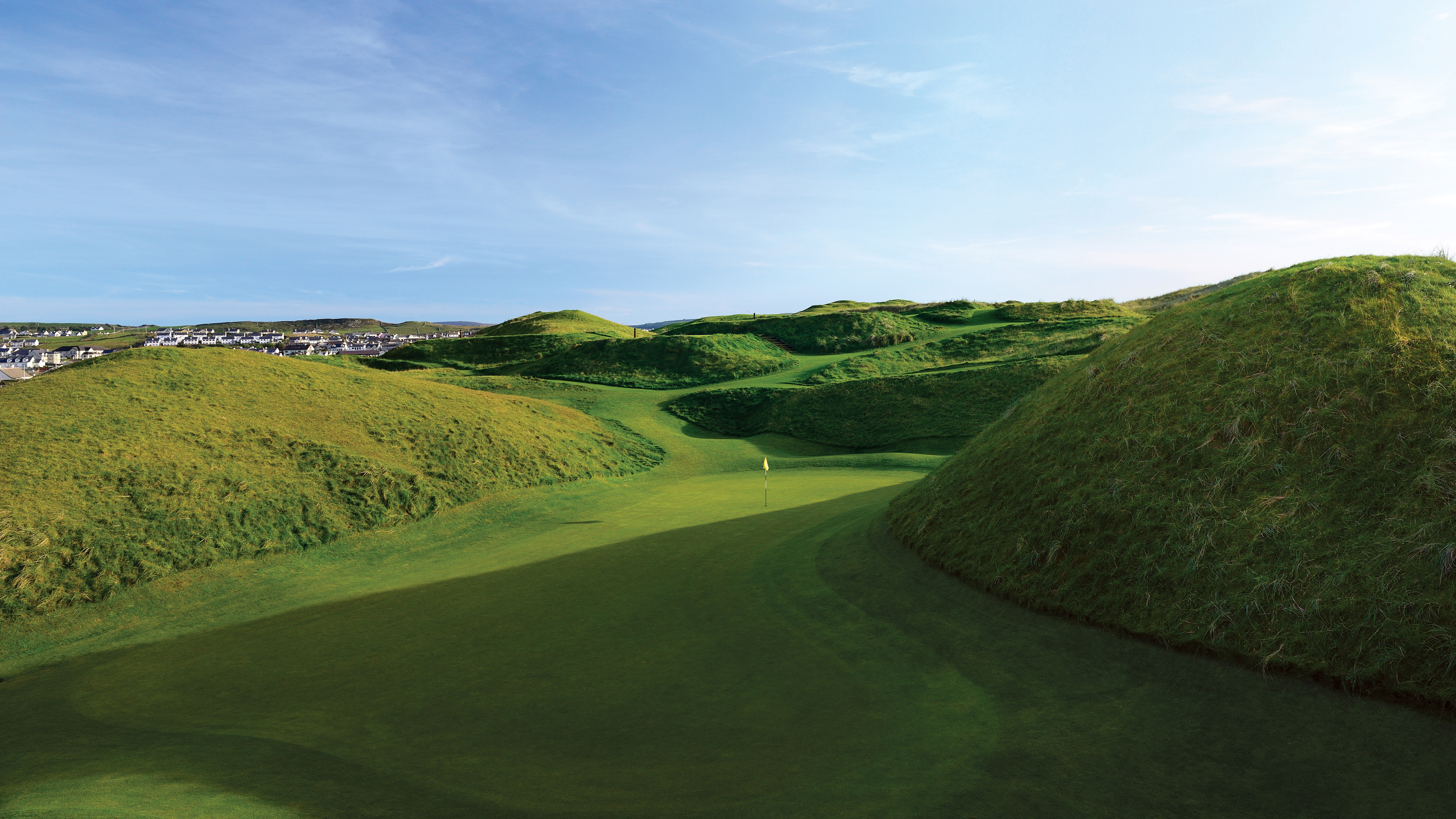
Our No.1 course in the rankings – Royal County Down – is famed for its blind shots and that hasn’t stopped it reaching the very pinnacle of our list.
Safety is obviously a concern, and a bell or other means of advising those behind when it is safe to play is essential.
3. A good golf course needs to be of a certain length
The older the three of us get, the less bothered we are about what figure the course yardage starts with. Between us, we have played many thoroughly enjoyable courses under 6,000 yards, including plenty considerably shorter than that.
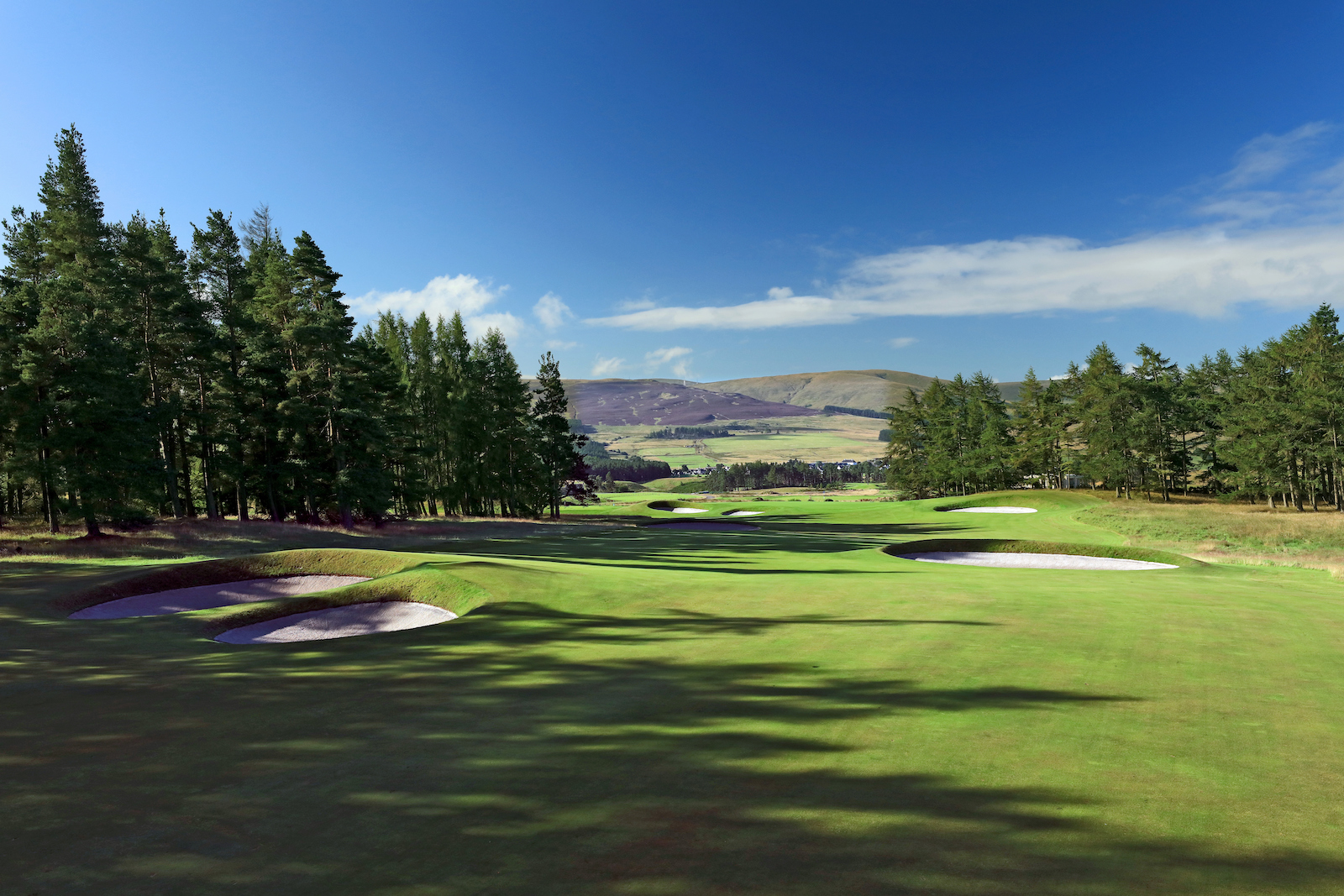
Our advice would be to never turn your nose up at a course just because the yardage doesn’t look particularly daunting or challenging.
4. Fast greens equal good greens
The slightly unhealthy obsession with fast greens – and green speed often being the sole means by which their quality is judged – is misplaced.
If they’re being honest with themselves, most average golfers don’t putt particularly well on overly fast greens however much they might yearn for them.
And the greens on many older courses were designed at a time when such speeds were never even considered, with many such greens being unsuited to lightning-fast speeds.
5. All holes should be of the same style or genre
Rob explains that he has changed his thinking on this one having once believed that consistency throughout was vitally important.
Now, he is more interested in whether the best possible use of the available plot of land has been made, even if it ventures into slightly different terrain at times.
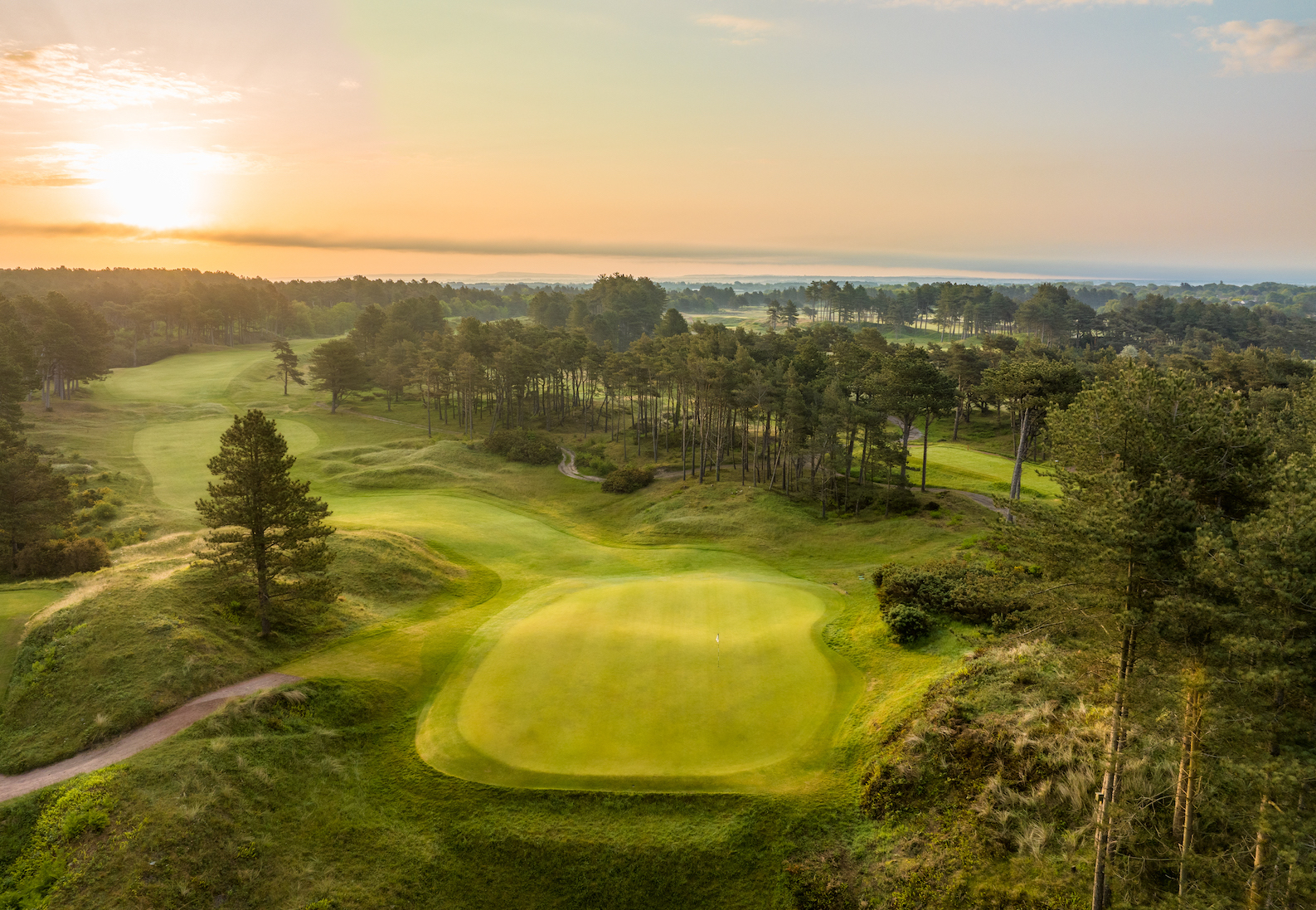
6. The two nines need to be balanced in terms of length and par
On most golf courses, the two nines won’t be miles apart in terms of length or par, but that isn’t always the case. Is that a problem?
While believing that too big a gulf isn’t great and that an imbalance, with perhaps no par 3s or par 5s on one of the nines, isn’t ideal, we don’t think balance is essential, although if there were any way to mix things up a little more, that would be preferable.
7. You can’t build a modern classic golf course
Some golfers seem to believe that unless a course was built 100+ years ago, it can’t be much good.
While appreciating and loving the history, tradition and heritage that our great old courses are blessed with, we would respectfully disagree and say there is no reason why a course built in more recent times can’t be seen as a classic if it has been well executed.
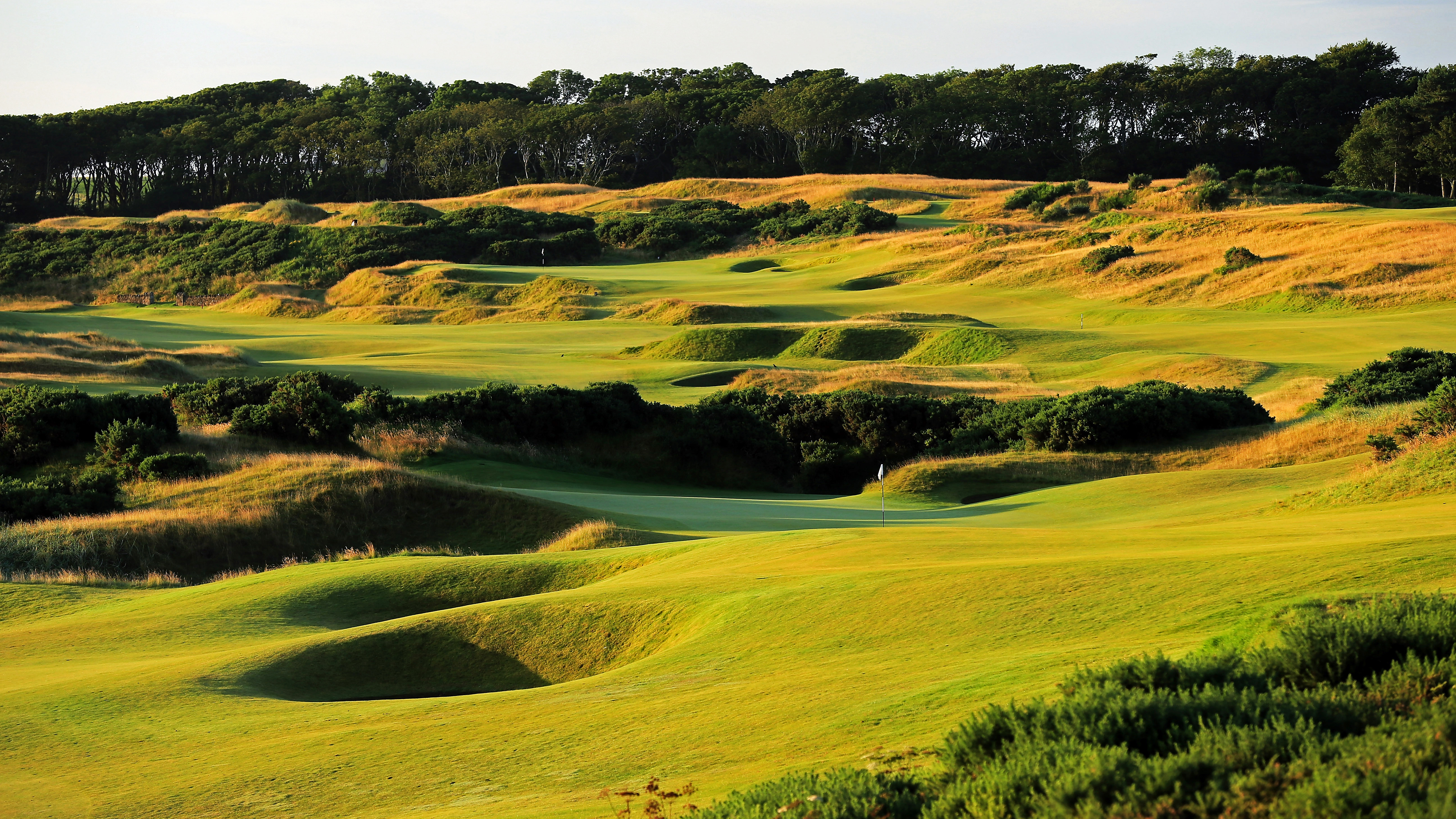
There are several courses in our UK&I Top 100 that we believe fit the bill, including the likes of Kingsbarns and Dumbarnie, whose popularity suggests that many see them as standing shoulder to shoulder with some of the best golf courses, old and new, in Fife and much further afield.