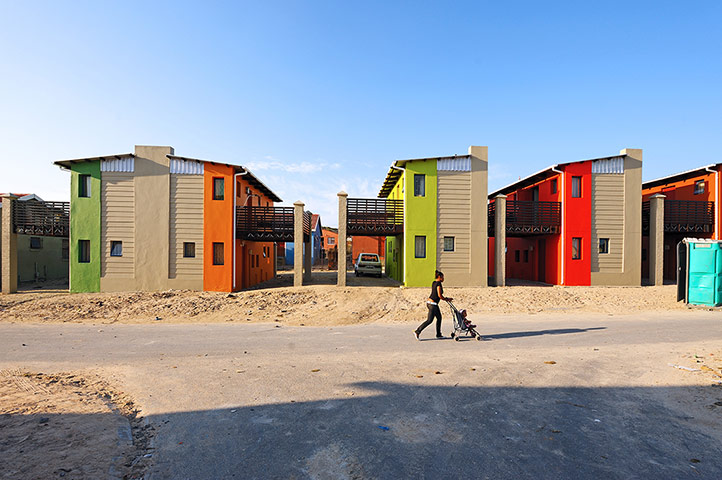
The winning scheme in a 2007 competition held by South African organisation Design Indaba to improve on the government's affordable housing with the same budget (about US $7,000). Local firm MMA Architects cut costs by using sandbags as the main building material – though you would never guess once they are stacked inside timber frames and plastered over. Homeowners can practically build the houses themselves
Photograph: Weiland Gleich/Archigraphy.com / Architecture for Humanity
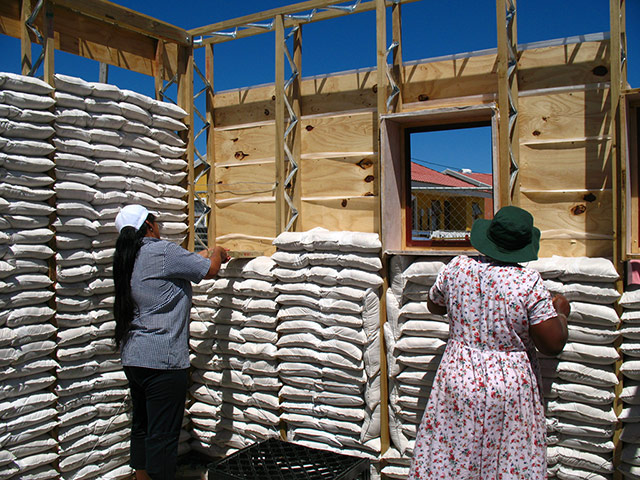
Community members pack sandbags between the vertical Ecobeams of their 10x10 home to be
Photograph: Nadya Glawe/Design indaba / Architecture for Humanity
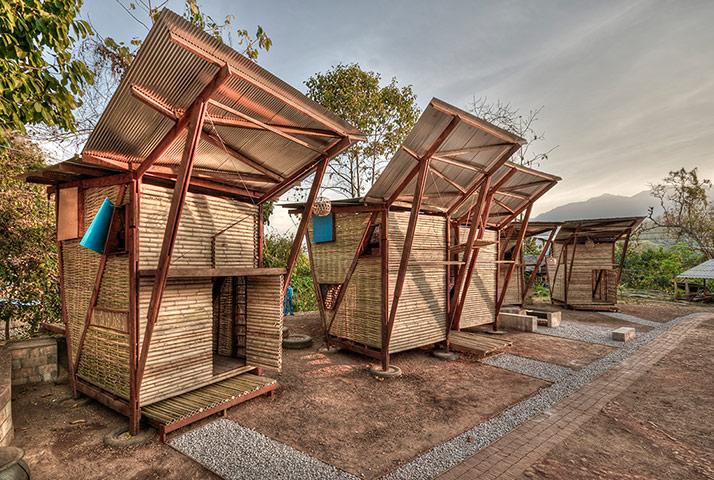
It looks like a group of backpackers' beach huts but is, in fact, an orphanage for Karen refugees from across the Thai border in Burma. Designed by Norwegian architects TYIN, the six bamboo-clad houses are open and split-level inside, creating space that is not just flexible and practical (you can sleep six in each) but also play-friendly – in line with recommendations on aiding recovery from childhood trauma Photograph: Pouya Khazaeli Parsa / Architecture for Humanity
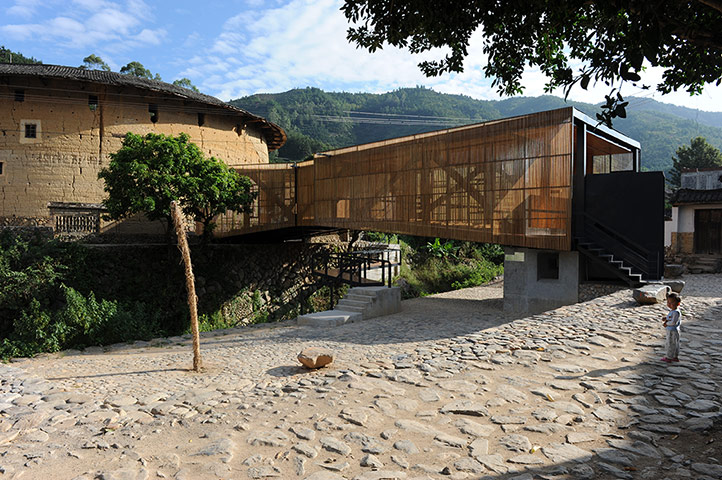
Chinese architect Li Xiaodong created a primary school over a river in this remote village, forging links not just between opposite banks but also the past and the present – the village is home to two 400-year-old fortresses. Li calls the lightweight steel and timber structure 'an architectural solution to sustain the old community'. It has taught 40 local children to read and write since it was completed in 2009 Photograph: Li Xiaodong/Li Xiaodong Atelier / Architecture for Humanity
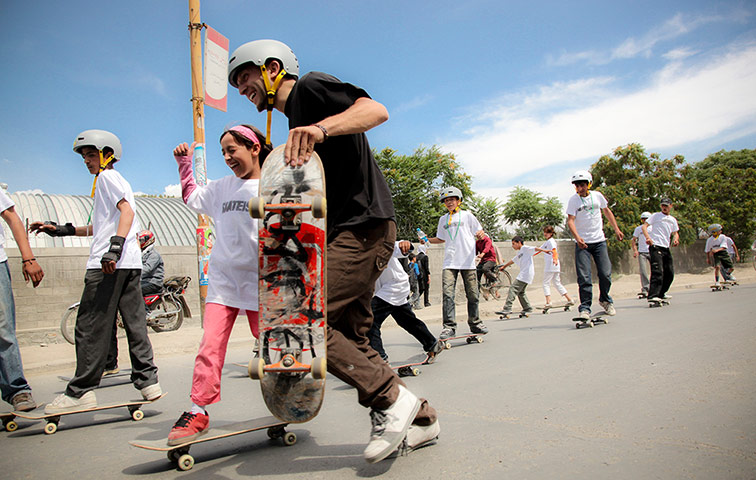
A skate park might not seem like an urgent priority for post-Taliban Afghanistan, but this spontaneous initiative, backed by European governments and sports companies, has been a local hit, bringing together disparate ethnic groups and empowering girls (who are allowed to skate indoors). It's not just about skateboarding – there are classrooms, too. From this project in 2007, Skateistan has grown into an international skateboarding NGO
Photograph: Architecture for Humanity
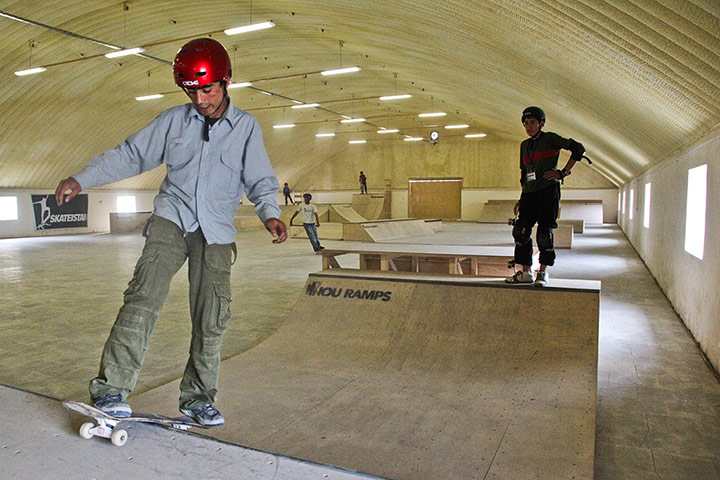
Murza Mohammadi performs a rock'n'roll to 'fakie' on Skateistan's indoor mini ramp Photograph: Jacob Simkin/Skatesitan / Architecture for Humanity
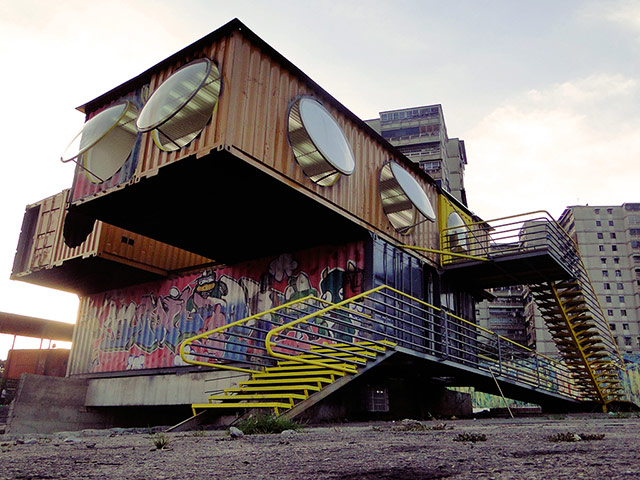
Tiuna is an experimental collective promoting urban art and self-expression as an alternative to violence for local children, and this is their headquarters. It's seen as an extension of the street; situated in a car park and built from that most adaptable of waste materials: the shipping container Photograph: Architecture for Humanity
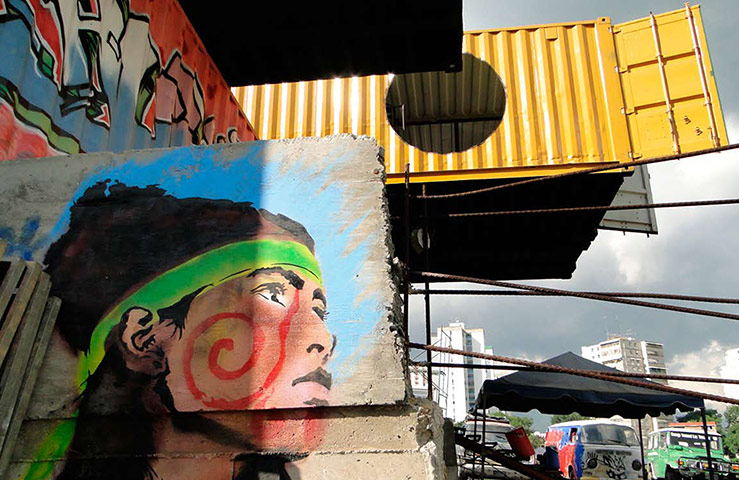
So far, the Cultural Park has a performance stage, classrooms, offices and space for video, music and radio production. And the collective's graffiti artists see to the décor
Photograph: Architecture for Humanity
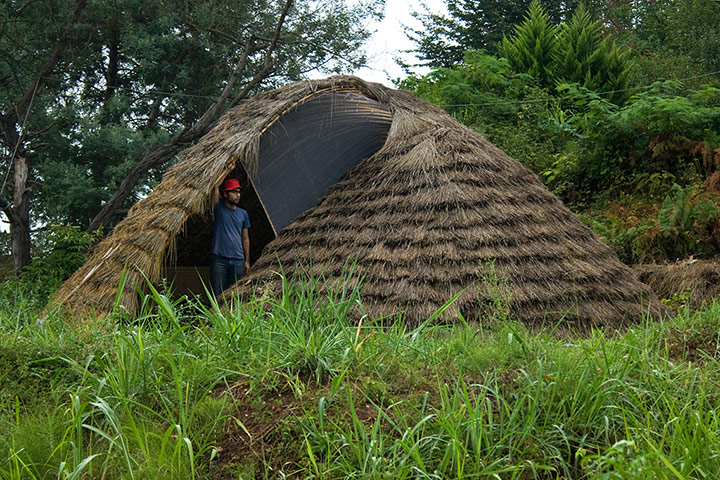
A simple temporary shelter using a cheap, commonly available material. Strips of bamboo are bent into a series of overlapping semicircles, which form a rough dome of varying internal height. The exterior is then covered in bunches of rice stems, which allow air flow but keep water out. The Iranian students who built it were inspired by the late Nader Khalili, a pioneer in low-cost, humanitarian architecture Photograph: Pouya Khazaeli Parsa / Architecture for Humanity
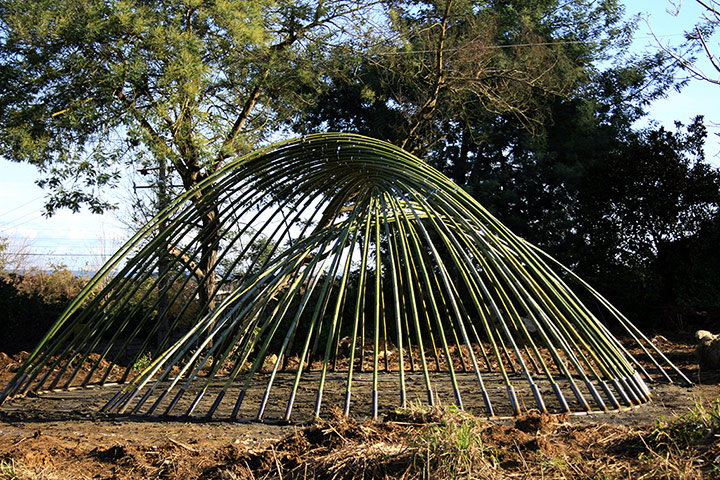
The underlying frame of the shelter's design Photograph: Architecture for Humanity

In the wake of Hurricane Katrina, cheap and quick housing solutions were in urgent demand, especially in Biloxi, one of the US's poorest regions, where 90% of houses were damaged or destroyed. Before any reconstruction, Architecture for Humanity's first task was to coordinate information and design support for the community and volunteers. Local architects were then asked to come up with a range of sustainable, hurricane-resistant, affordable home designs for families to choose from and rebuild for themselves Photograph: Architecture for Humanity
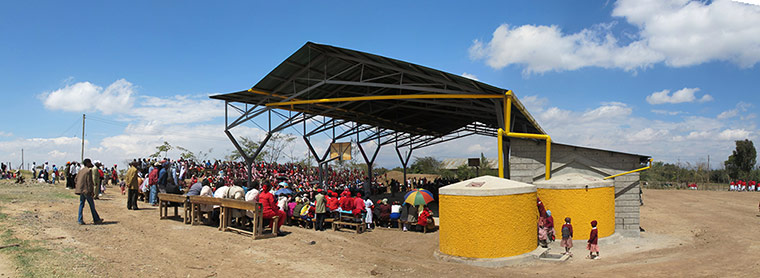
In drought-prone rural Kenya, water supply is crucial for education as well as health, but the municipal water supply only works two weeks of the year and drilling wells is expensive. The solution here was to build a giant metal roof with guttering connected to a rainwater-harvesting system, which can purify and store enough water for all the students – so noone has to leave school to fetch water. Beneath the roof is a small stage for community events such as weddings and a shaded basketball court
Photograph: Architecture for Humanity
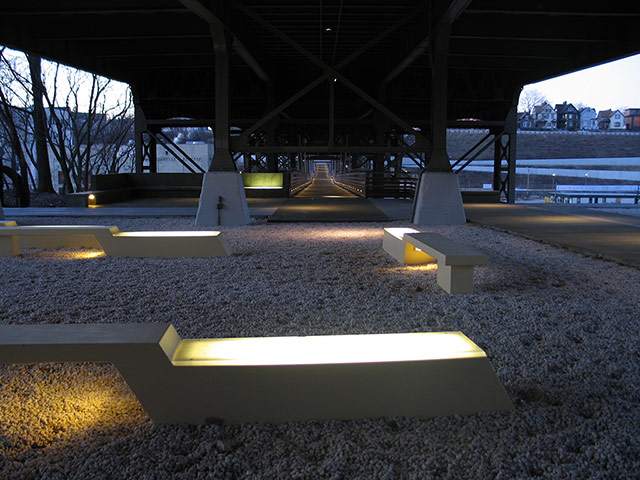
Part of a scheme to re-pedestrianise the car-choked city, this footbridge makes efficient use of an existing traffic route across the Milwaukee River. The new concrete bridge is threaded beneath the structure of the four-lane Holton Street Viaduct, linking with waterfront footpaths and providing a safer, more pleasant alternative for pedestrians. An unused area at one end of the bridge has also been transformed into a new public meeting and performance space
Photograph: Architecture for Humanity