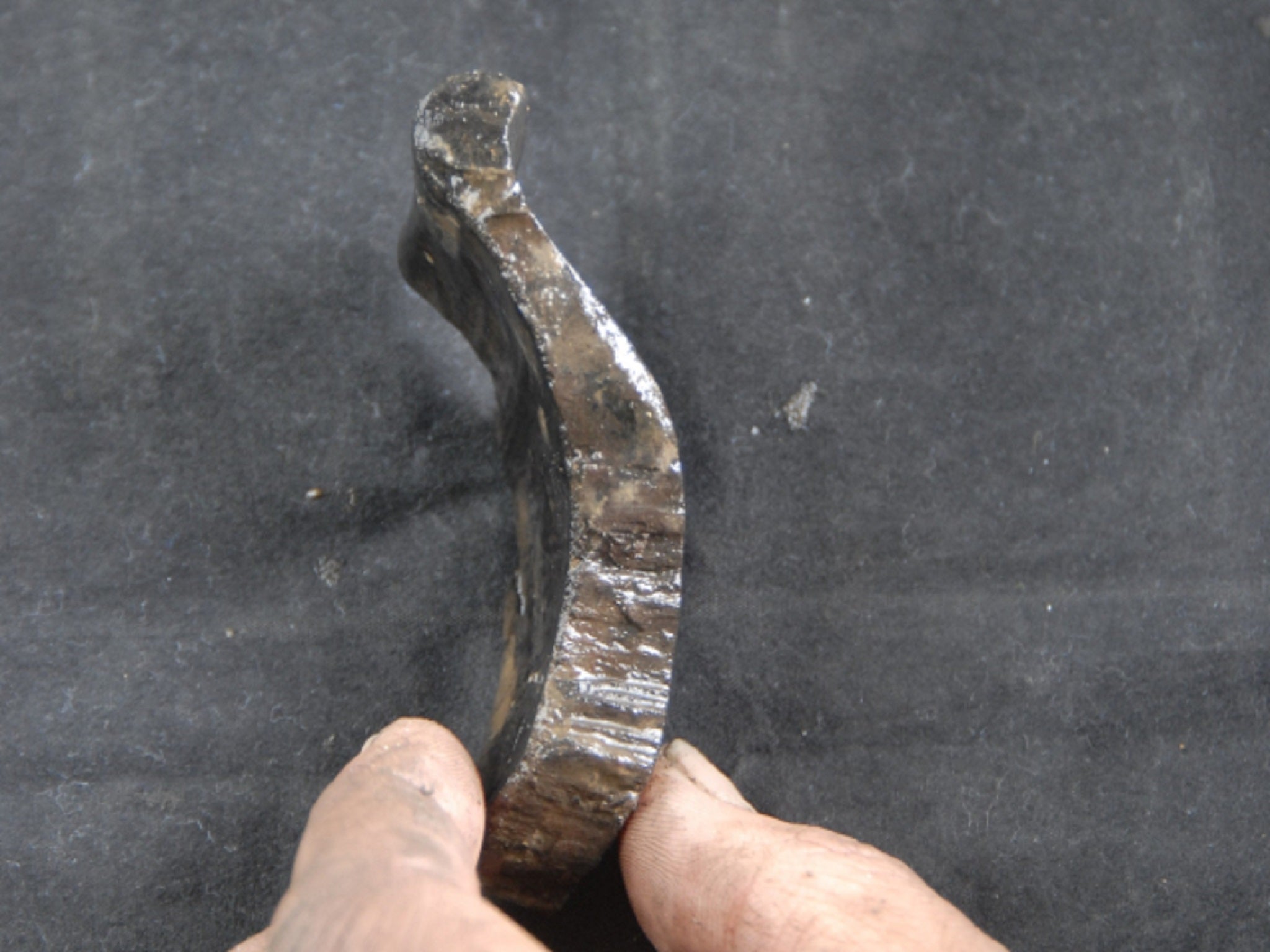
Archaeologists have unearthed a 2,000-year-old wooden bowl from an underground chamber in Orkney.
The ancient vessel, made from alder, was discovered beneath the Cairns Broch – a round tower – on South Ronaldsay by a team from the University of the Highlands and Islands (UHI).
The well-preserved object is the oldest wooden bowl found in Orkney so far and archaeologists say it will provide a unique insight into life in an Iron Age broch in northern Scotland.
The team has already nicknamed the bowl the ‘Cairns Quaich’ or the ‘Cairns Cog’, which in Orkney is a traditional alcoholic drink consumed in a wooden vessel at weddings and passed around to celebrate the marriage.
Archaeologists believe the bowl dates back to some time between the later 1st and mid-2nd century AD, when the broch was sealed after it went out of use and was abandoned.
It is assumed the bowl dates from this period also, however radiocarbon dating will be carried out to see if it could be from an even earlier time.
A series of stone-cut steps lead down to the carefully-constructed stone chamber, which the archaeology team calls ‘The Well’.
Site director Martin Carruthers, lecturer in archaeology at UHI Archaeology Institute, said the bowl was probably used to serve food or drink, and might have been passed around socially from person to person.
“It's miraculous that we've got this wooden vessel,” he said. ”It's really quite unprecedented preservation for a northern broch, and I still can't believe it has turned up at The Cairns.
“In appearance, the bowl is similar in shape to certain of the pottery vessels of the period, and in particular it looks like the sort of vessel we suspect to have been used for serving food or drink.
”Its round base makes you think that it would have been required to be constantly held when full, and perhaps used socially, passed around from hand to hand, person to person.”
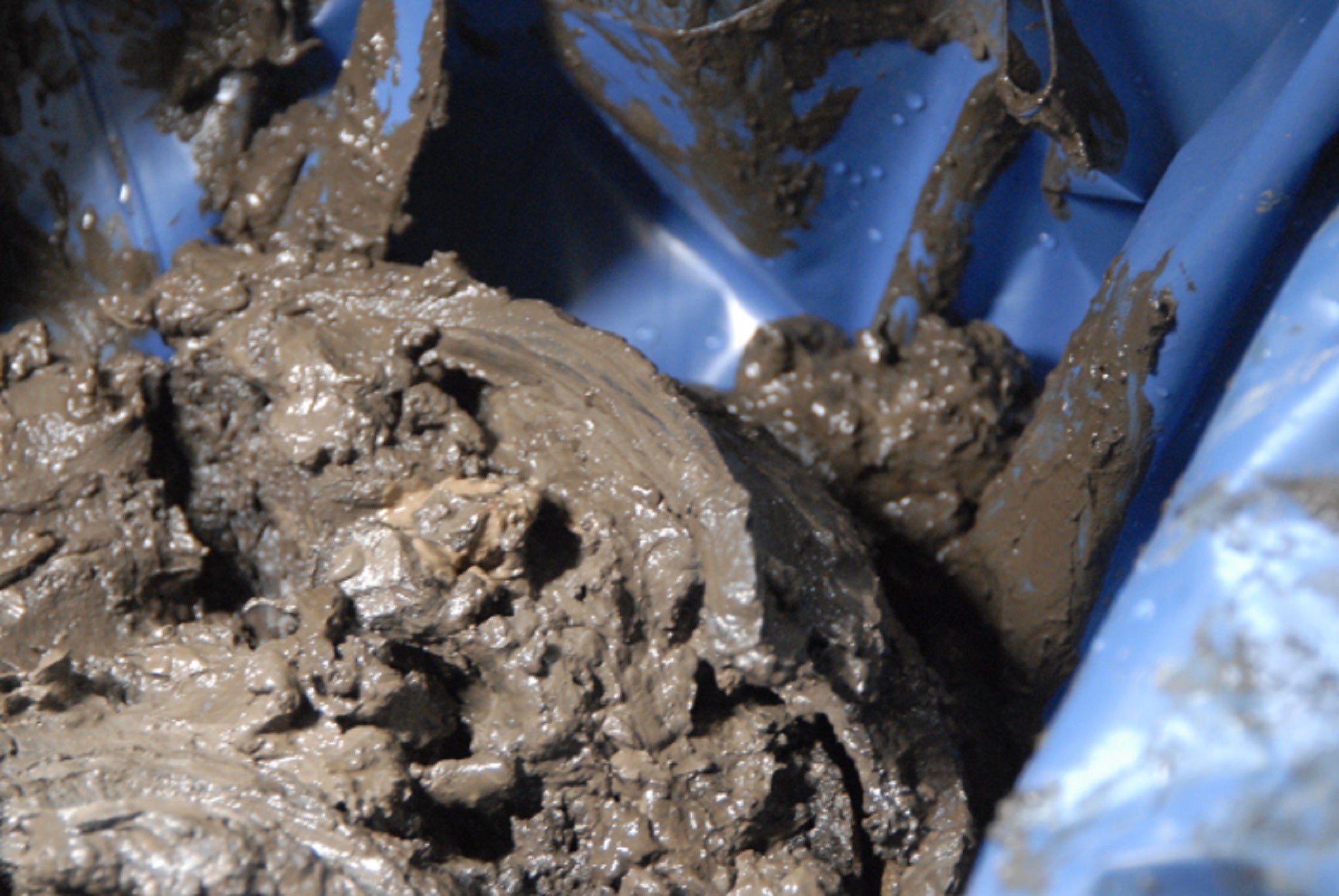
In addition to the bowl, there are preserved plant fibres, some of which appear to be woven together by human hands, and at least two other wooden objects, which seem to be pegs or stakes, similar in cross section to modern tent pegs.
UHI Archaeology Institute has been overseeing excavations at The Cairns, South Ronaldsay, since 2006.
The site is a substantial Iron Age period village settlement with a broch (tower-like monumental house) lying at its heart.
The broch itself and the village buildings are very well-preserved and there have already been many artefacts recovered including a bronze ring and a glass bead