Australia is facing renewed national scrutiny after a deadly shooting at a Hanukkah celebration on Sydney's Bondi Beach left at least a dozen people dead and many others injured. The attack occurred during a public Jewish community event on 14 December, prompting widespread mourning and an intensive security response across the country.
Prime Minister Anthony Albanese condemned the violence within hours, describing it as an 'act of evil antisemitism' and convening the National Security Committee to oversee the federal response. Police have confirmed the incident is being treated as terrorism-related, citing evidence that the gathering was deliberately targeted because of its religious nature.
As investigations continue, the prime minister's language has intensified a broader national discussion about antisemitism in Australia, the protection of minority communities and how authorities respond to hate-motivated violence while maintaining social cohesion.
The Bondi Beach Attack and Official Response
Police said two gunmen opened fire during an event known as 'Chanukah by the Sea', held along the Bondi Beach foreshore, a popular public area for locals and tourists. Emergency services responded within minutes. Authorities later confirmed that improvised explosive devices were discovered nearby and safely neutralised. Victims ranged in age from a child to elderly adults, according to ABC News.
Australian Federal Police described the shooting as a targeted attack on a religious gathering rather than random violence. In a televised address, Albanese said the intent was to terrorise Jewish Australians and undermine shared national values, adding that an attack on one community was an attack on the nation as a whole.
The prime minister confirmed heightened security measures at synagogues, Jewish schools and community centres nationwide, while urging Australians to remain united and to reject retaliation or division. State leaders and opposition figures echoed the call for calm.
As we light the Hanukkah candles, we honor the enduring strength, resilience, and hope of the Jewish people.
— Department of State (@StateDept) December 14, 2025
Especially in light of the terror attack in Australia, we stand in solidarity with Jewish communities worldwide.
What Antisemitism Means in This Context
Antisemitism refers to hostility, prejudice or discrimination against Jewish people based on religion, ethnicity or cultural identity, ranging from verbal abuse and vandalism to acts of violence.
In this case, police and government officials have said the timing, location and nature of the attack support the assessment that it was motivated by antisemitism. Euronews reported that investigators viewed the deliberate targeting of a public Hanukkah celebration as central to their early conclusions.
Officials have stressed that while motive must ultimately be established through the legal process, preliminary classifications are often used to guide threat assessments, public messaging and the deployment of protective measures during active investigations.
Political Debate and Criticism
The shooting has triggered political debate within Australia and internationally. Israeli Prime Minister Benjamin Netanyahu criticised Canberra's handling of antisemitism, suggesting broader political rhetoric may have contributed to a hostile environment, according to reports by ABC News and The Guardian. Australian officials rejected the suggestion, reaffirming their condemnation of hatred and violence.
Domestically, former treasurer Josh Frydenberg and other Jewish leaders called for stronger action to counter antisemitism, citing previous incidents involving vandalism, threats and online abuse. They argued that the attack reflected deeper societal challenges requiring sustained attention beyond immediate security responses.
Government ministers said Australia's hate crime and counter-terrorism laws remain fit for purpose, while acknowledging the need for ongoing review as investigations progress.
Australia took away its citizens’ guns, but 10 people at Bondi Beach are dead anyway because terrorists don’t care about gun laws.
— Don Keith (@RealDonKeith) December 14, 2025
The only thing the Australian government did was make sure its unarmed, law-abiding, citizens are now sitting ducks, unable to defend themselves. pic.twitter.com/xzwEziEpxk
4 shots in 5.2 seconds with a bolt action rifle? That’s awfully damn fast for anyone, especially a civilian. Somebody trained this animal. pic.twitter.com/rF03a3hQIA
— John Rich🇺🇸 (@johnrich) December 15, 2025
🚨 OUTRAGE IN SYDNEY: Eyewitnesses blast 2 female police officers for “FREEZING” during the Bondi Beach terror attack, gunmen firing uninterrupted for up to 20 MINUTES while these officers on scene failed to engage pic.twitter.com/RdZy44SstP
— Gunther Eagleman™ (@GuntherEagleman) December 14, 2025
BREAKING: The t*rrorists who kiIIed 15 people at a Chanukah event in Sydney were a father and son, reportedly from Pakistan pic.twitter.com/27moEp2hLi
— Libs of TikTok (@libsoftiktok) December 14, 2025
Community Impact and Next Steps
Jewish community leaders in Sydney described the attack as deeply traumatic, saying it had shaken confidence in the ability to gather safely for religious and cultural events. Support services have been expanded, and vigils have been held across the country to honour those killed.
🚨BREAKING AUSTRALIAN PM THANKS PRESIDENT TRUMP & WORLD LEADERS
— SANTINO (@MichaelSCollura) December 15, 2025
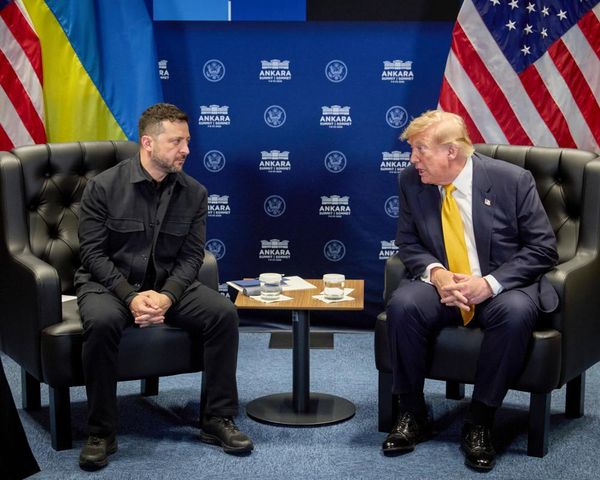
Australian Prime Minister Anthony Albanese thanks President Trump and world leaders for their support following the Bondi Beach antisemitic terror attack. pic.twitter.com/E72I3aCioN
As the investigation continues, attention is likely to focus on whether additional legislative, educational or policing measures are needed to address hate-motivated violence. While authorities have urged caution against speculation, the Bondi Beach shooting has become a defining moment in Australia's ongoing conversation about antisemitism, public safety and national unity.