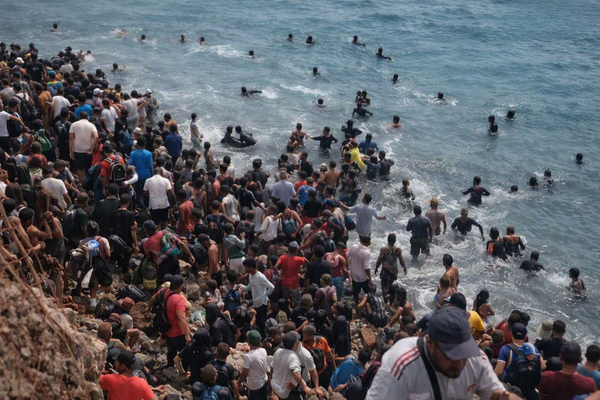

Australia's migrant intake is falling but remains far above the levels being demanded by conservatives hoping to ride growing anti-immigration sentiment to ballot box success.
Figures released by the Australian Bureau of Statistics on Thursday revealed net overseas migration in 2025 came in at 301,000 people.
The numbers were down a fraction from 306,000 in 2024, while the federal budget released in May forecast the figure would fall to 295,000 in the year to June.
The data release follows fierce debate about immigration levels, with the coalition criticising Labor for underestimating the numbers while One Nation calls for the migrant intake to be slashed.
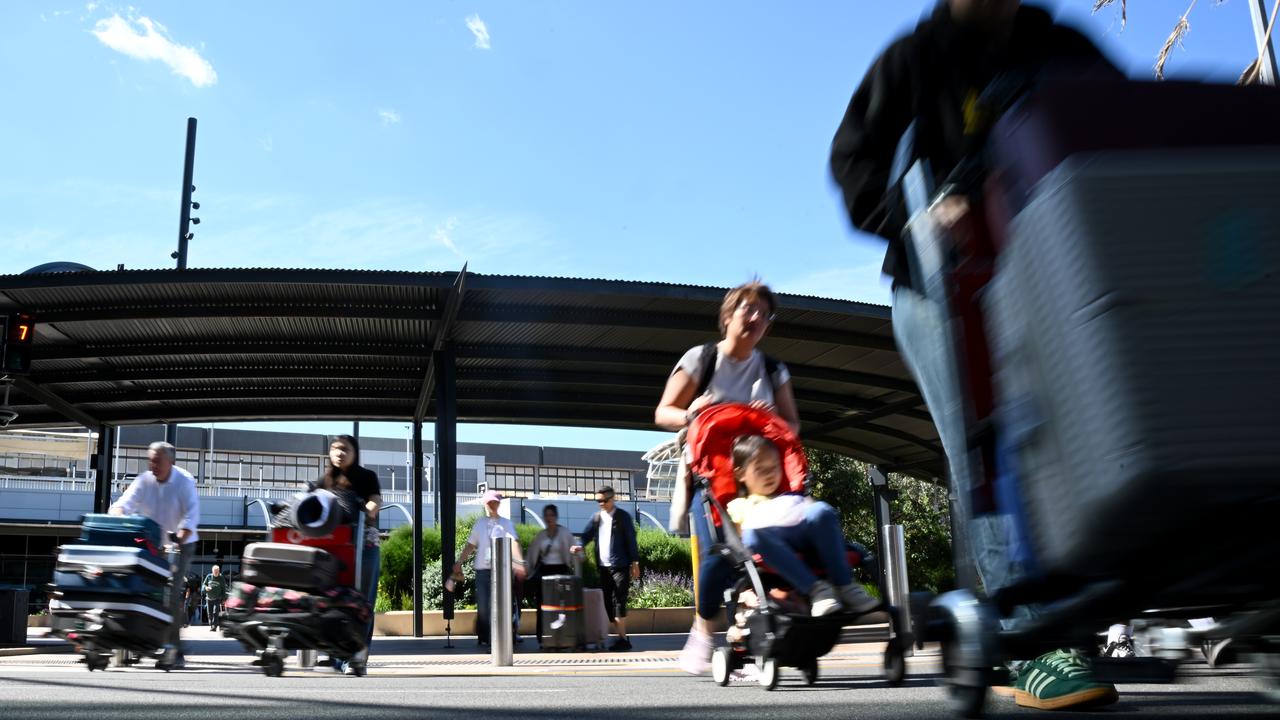
The figures showed the government was bringing down migration with "a sensible, measured approach to provide the skilled workers Australia needs", Home Affairs Minister Tony Burke said.
"The numbers of temporary visa holders and international students also continue to fall as we prioritise the skills that we need to care for our sick and elderly and build homes," he said.
Home prices and rents were rising because Australia was failing to build the number of dwellings required, Housing Industry Association chief economist Tim Reardon said.
"The solution is not to deny that migration creates demand for housing," he said.
"The solution ... is to ensure housing supply can respond to that demand.
"Migration contributes to housing demand directly through population growth and indirectly through stronger economic growth."
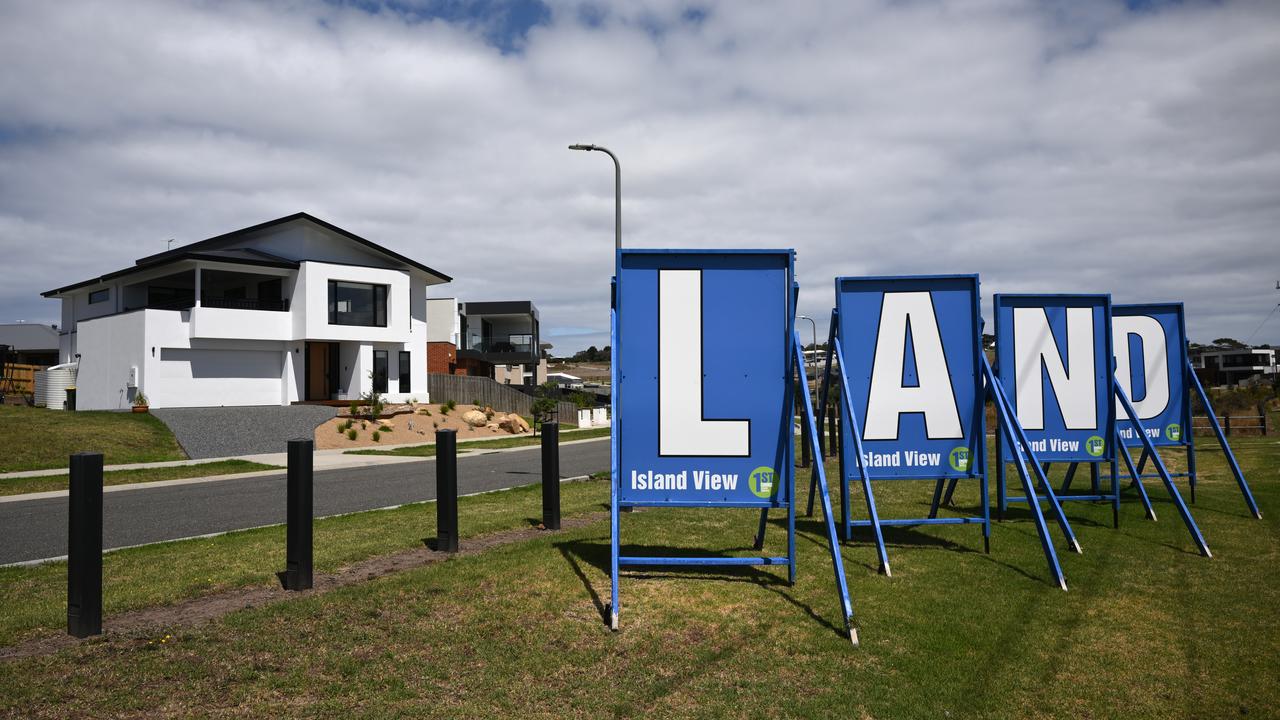
The coalition has proposed directly tying migration levels to home completions.
The net overseas migration level was highest in NSW at almost 91,000 people, followed by Victoria with 85,000, Queensland with more than 54,000 and WA with just over 40,000.
The fall in overseas migration came as Australia's total population increased by 1.5 per cent in 2025, rising by 412,500 people to 27.8 million.
Meanwhile, the share of Australians who agreed it was good for society to be made up of different cultures fell from 85 to 75 per cent, according to separate data from the statistics bureau.
Anthea Hancocks, chief executive of the Scanlon Foundation Research Institute which studies social cohesion, said the drop was concerning but diversity still enjoyed strong societal backing.
Pointing fingers at migrants for economic hardship and radicalism also distracted from badly needed discussion about how to improve the system, she said.
Anti-immigration party One Nation has surged in opinion polls to lead some surveys on primary votes.
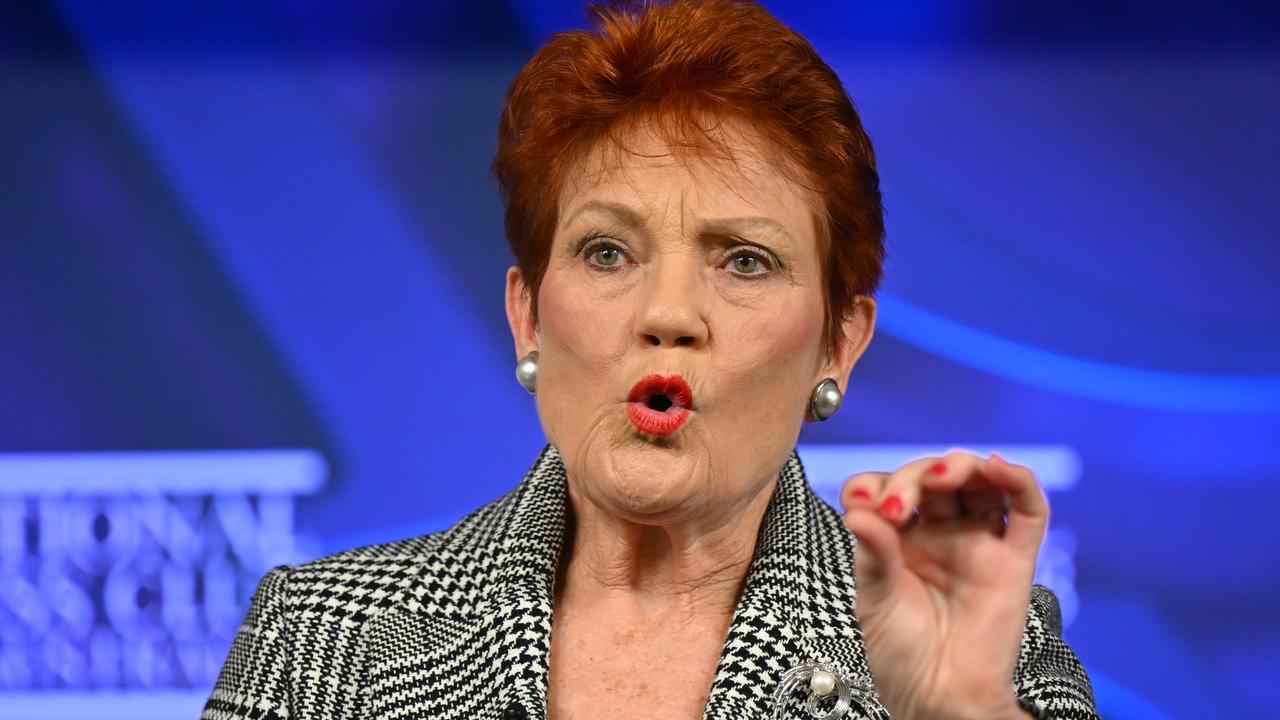
Pauline Hanson's party favours an annual cap of 130,000 people arriving on permanent and temporary visas.
Senator Hanson used a speech at the National Press Club on Wednesday to advocate that Australia reject multiculturalism and instead be a "monoculture".
The government had failed to bring the nation's migration intake back to sustainable levels, opposition home affairs spokesman Jonno Duniam said.
"Australians expect a migration program that is planned, sustainable and in the national interest," he said.
"Instead, under Labor, migration remains too high, forecasts keep being revised up and the pressure on housing and infrastructure continues."