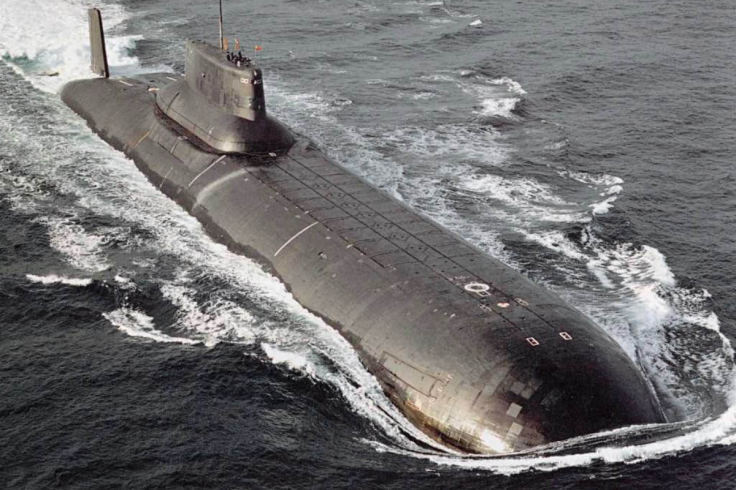
Prime Minister Andy Burnham announced a major UK nuclear submarine investment, committing £8.4 billion to the fourth delivery phase of the nation's nuclear deterrent fleet and insisted it will secure thousands of skilled jobs.
Speaking directly to workers and apprentices during a high-profile visit to BAE Systems shipyard in Barrow-in-Furness on July 30, 2026, he emphasised that the funding will secure thousands of manufacturing roles across the Barrow-in-Furness Dreadnought submarine programme jobs cluster.
Government figures estimate the nuclear enterprise supports around 47,000 UK jobs, with that total expected to rise to 65,000 by 2030.
While the historic project promises to reinforce Britain's naval capabilities into the 2030s, critics and opposition politicians continue pressing ministers over how future defence ambitions will be fully financed without destabilising public finances.
Andy Burnham will put youth employment at the heart of his approach to defense investment as he unveils the next tranche of funding for Britain’s Dreadnought submarine program https://t.co/imM0z2r5z3
— Bloomberg (@business) July 30, 2026
Burnham Pitches Defence as an Economic Investment
Burnham framed the programme as an investment in people as much as military hardware.
'Security is not only about what we build, it is also about who builds it, and who benefits from it,' he said.
The Prime Minister argued the project would bring long-term prosperity to communities with deep roots in advanced manufacturing. He said the submarines under construction in Barrow would help safeguard Britain while creating opportunities for thousands of workers and apprentices across the country.
'British money, spent on British workers, British firms and British skills, in the places that were written off for 40 years,' Burnham said, presenting the programme as part of a wider industrial revival.
He also forecast around 22,000 apprenticeships by 2035, highlighting the programme's role in developing the next generation of engineers, technicians and skilled manufacturers.
Andy Burnham says nuclear sub investment will protect UK and boost jobs https://t.co/XjDqql18OG
— BBC Politics (@BBCPolitics) July 30, 2026
A Project Decades in the Making
The latest £8.4bn nuclear investment is only one stage of a much larger national programme. It forms part of the Defence Investment Plan, which sets aside £63.6 billion over the next four years for Britain's Defence Nuclear Enterprise.
The funding will help complete the Dreadnought-class submarines, maintain the existing fleet, modernise dockyards and manufacturing facilities, and begin planning for the submarines that could eventually replace the Dreadnought fleet in the decades ahead.
The project itself stretches back almost 20 years. It was first announced under former Prime Minister Tony Blair in 2006 before Parliament formally approved construction in 2016. The new submarines will replace the Vanguard-class boats, which have carried the UK's nuclear deterrent since the early 1990s.
Funding Questions Refuse to Go Away
While the investment has broad backing as part of the UK nuclear submarine programme, the politics surrounding defence spending remain far from settled.
Burnham has pledged to honour Britain's NATO commitments, including a target of spending 3.5 per cent of national income on defence by 2035. Pressure is also growing for the government to set out a clear timetable for reaching defence spending equal to 3 per cent of GDP.
Those unanswered questions have fuelled criticism that ministers are announcing major investments without fully explaining how future commitments will be financed.
Defence Secretary Wes Streeting insisted the government would not make spending promises before outlining how they would be funded, saying decisions would be taken through the Budget and spending review process.
Political Divisions and Funding Scrutiny
Despite broad cross-party support for maintaining a credible nuclear deterrent, the strategy has triggered sharp political friction. Opposition critics question whether the administration has established a fully costed roadmap to meet NATO spending benchmarks.
Conservative shadow defence secretary James Cartlidge welcomed continued progress on the submarine programme but accused Burnham of failing to commit to fully funding Britain's defence ambitions.
The Liberal Democrats struck a different tone, with defence spokesperson James MacCleary calling for defence bonds to help raise dedicated funding across the armed forces.
Reform UK's Danny Kruger dismissed the announcement as a 'rehashed spending plan', arguing it failed to tackle wider problems within Britain's nuclear programme.
From the opposite end of the political spectrum, Green Party Westminster leader Ellie Chowns questioned investing billions in what she described as 'weapons that must never be used', arguing ministers should not present nuclear spending as the best route to creating jobs.
Investment Fits Into Wider Job Agenda
The investment also fits into Burnham's wider employment agenda. Alongside expanding apprenticeships, the government wants public procurement to place greater weight on companies that provide work placements, reflecting policies Burnham previously championed as Mayor of Greater Manchester.
Supporters see that approach as a way to ensure defence spending delivers lasting benefits beyond military capability. Critics argue the government must now prove those ambitions are affordable.
As construction continues in Barrow-in-Furness, the submarines themselves may be years away from entering service. The political battle, however, has already begun. Burnham believes billions invested in defence can strengthen both Britain's security and its economy. His opponents remain unconvinced until ministers answer the question likely to dominate every future announcement: who is paying for it?
As construction accelerates in shipyards nationwide, the central debate shifts from the strategic necessity of the submarines to the fundamental question of fiscal sustainability.