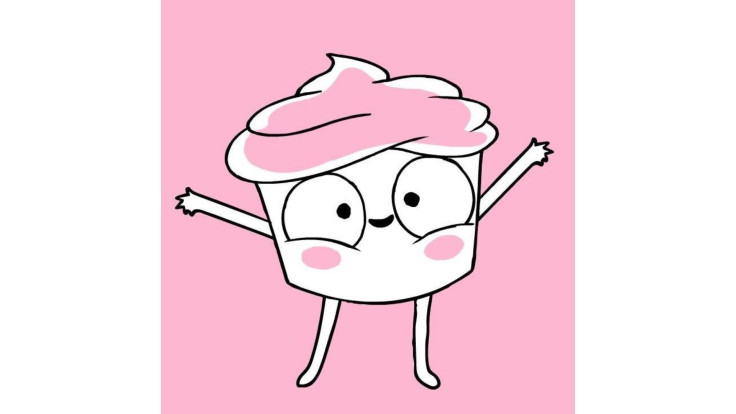
Loryn Brantz, the creator of the viral Good Advice Cupcake character, has accused BuzzFeed and Amazon of sidelining artists after the companies licensed her work for a new AI-generated animated series, Cupcake & Friends, without her consent.
The project, announced in the United States this week and developed for Prime Video under Amazon's GenAI Creators' Fund, has triggered an intellectual property dispute that Brantz has described as 'an assault on artists everywhere' on Instagram.
WIRED reported that Amazon and BuzzFeed confirmed that the cupcake character, known as Cuppy, would be revived as part of a slate of new animated shows created using generative AI tools. The series is being developed under a joint initiative involving Amazon Web Services and Amazon MGM Studios, positioning it as part of a wider push into AI-assisted entertainment production.
Cuppy first emerged nearly a decade ago during Brantz's time at BuzzFeed, where she worked as an illustrator and creative director. The character later gained traction online through short comics and a 2017 viral post that mixed pastel visuals with blunt, comedic life advice.
It eventually led to an eight-episode BuzzFeed web series in 2019 before Brantz left the company in 2023. The rights to the character, however, remained with BuzzFeed.
Good Advice Cupcake Now An AI-Generated Series Soon
The new series, Cupcake & Friends, is reportedly being developed with generative AI tools as part of Amazon's wider investment in automated content creation.
She said in an Instagram post that the decision had crossed a line, saying that executives had failed to follow through on earlier assurances about how her work would be handled after her departure from BuzzFeed.
The creator has also described the reworking of Cuppy as a distortion of her original intent. Speaking previously about the character, she explained that it was built around an 'aggressively optimistic' tone, designed to turn blunt humour into something visually soft and emotionally direct.
That contrast, she has argued, risks being flattened by AI systems that prioritise replication over authorship.
BuzzFeed, however, maintains that it holds the intellectual property rights. A spokesperson told WIRED that BuzzFeed Studios was 'excited to use new technology to bring a dormant library series off the shelf and to give it new life.' The company added that it was working with creative teams to develop the project.
Jonah Peretti, the company's president of BuzzFeed AI and former chief executive, also addressed Brantz's concerns in a statement. He said the company had tried to reassure her that human creativity remained central to the project, with AI used as a tool to assist production rather than replace it.
The Good Advice Cupcake Dispute
But who really controls a character once it is created and later owned by a company?
Brantz started working at BuzzFeed in 2014, when the platform was at its peak. She created Cuppy, a cupcake character that first came from a rejected children's book idea before becoming a popular online comic and later an animated web series.
Brantz said she was not properly consulted about a new AI-generated version of the character being developed for Amazon's Prime Video. She claims she was only given limited information unless she agreed to strict conditions. BuzzFeed has not directly responded to those claims.
BuzzFeed, however, says it legally owns the Cuppy intellectual property, describing the project as a way to revive older content using new technology rather than taking control away from the creator.
Brantz, however, has criticised the project, calling it a 'soulless AI puppet' and warning that AI risks weakening original creative work.
Public opinion is split. Some support Brantz and see her as defending artists' rights, while others say companies are allowed to reuse characters they legally own.
Brantz says she is now considering legal action, although she admits she is 'not feeling as optimistic as usual.'