PATNA: Amid rumours of a move for fresh amendment in the provisions of the prohibition law that is caught in crossfires in the wake of frequent hooch deaths, the main opposition party, RJD, on Tuesday claimed that it would move a no-confidence motion against the government in the budget session if the proposed amendments are not in the interest of the people or in tune with its principles.
The last amendment to the prohibition law was made in 2018 to set free a person caught drinking liquor for the first time on the payment of a fine of Rs50,000. However, it was put in abeyance.
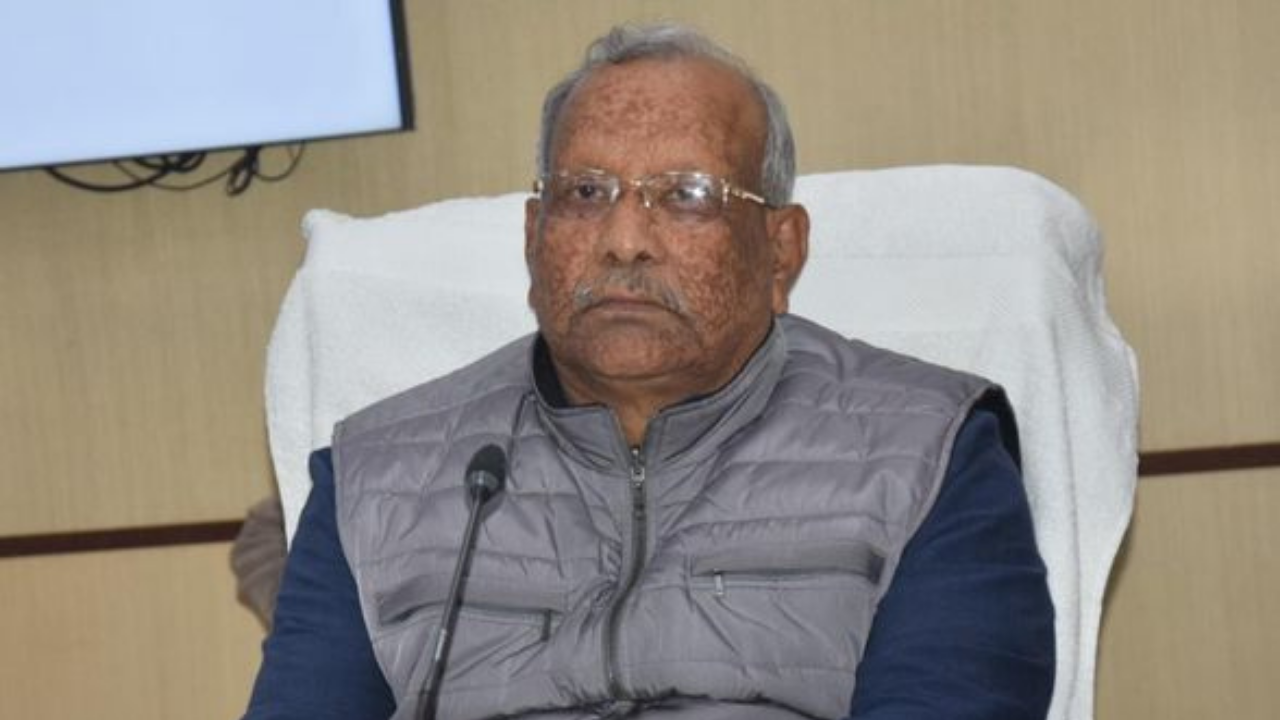
As per the new unconfirmed reports, the proposed amendments have been mooted by the state excise and prohibition department and sent to the home department for clearance to pave the way for its scrutiny and final approval by the law department. Subsequently, it will get the cabinet nod for the amendment in the coming budget session. However, deputy CM Tarkishore Prasad on Tuesday denied any such proposal.
“There is no proposal at the level of the NDA for an amendment to the prohibition law. The entire NDA is united in favour of it,” Prasad told mediapersons, almost reversing the stand of state BJP president Dr Sanjay Kumar Jaiswal, who had called for a review of its provisions.
When reminded of the demand by Hindustani Awam Morcha (Secular) leader Jitan Ram Manjhi for its review, Prasad said, “He is like our guardian and his party is also an important component of the NDA. What he has said is a suggestion.”
Incidentally, in the light of the unconfirmed reports regarding the government’s likely move, HAM(S)spokesman Danish Rizwan said that the amendments sought to be made should first be discussed in the public and, if people favour, the law should be repealed.
As for the RJD, its senior MLA Bhai Birendra also took a relatively strong line. “If the amendments proposed are not in the interest of the people or in tune with our party’s principles, then we will bring a no-confidence motion against the government,” he said.
It immediately put the BJP and the JD(U) on the offensive. BJP Rajya Sabha member Sushil Kumar Modi challenged the RJD to announce that it will repeal the prohibition law.
JD(U) spokesman Neeraj Kumar also said: “I don’t know what they (read RJD) will do in the future. They should bring a no-confidence motion against the prohibition law itself, asking for its repeal. Then, they will come to know what people think about the law.”
Meanwhile, it is being said that the likely amendments are meant to address the concerns of the Supreme Court and the high court regarding the dramatic increase in the liquor-related cases pending in the state courts.
The apex court has already observed that the laws were made without anticipating the additional side-effects in the future and, therefore, the prohibition law had practically resulted in sheer wastage of time of the courts in attending to hearing the bail petitions, besides incarceration of people under various provisions whose number has gone up and is beyond the capacity of the jails in the state to hold.
As per the rumours, the government is mulling over dividing the offences in two groups – ordinary (liquor consumers, that pertain to the drunk or those caught drinking) and serious offences (liquor manufacturer, hoarder, distributor, supplier).
Further, the provision regarding the vehicle seizure will also be attended to by letting them to be released on the payment of a fine to be fixed. Similarly, provision will be made to let off persons accused of ordinary offences after the payment of fine, which, in turn, is expected to bring down the number of liquor-related cases by 40% of the total.
However, the common point on which both the ruling and opposition parties have hammered on is that those arrested and charged for committing crime are poor and the majority of them also belong to the poorer sections. Therefore, the quantum of fine to be fixed will be an additional vexatious problem, it is being felt.