Retail store loyalty programs are becoming a “lifeline” for the average American shopper.
A whopping 91 percent of people say the programs dictate whether they’ll buy from a store more than once, according to a survey of 2,000 consumers by loyalty program provider LoyaltyLion.
Gen Z interacts with their loyalty programs the most - 80 percent of them log in weekly, compared to 58 percent of all shoppers.
And when they log in, consumers of all ages are looking for discounts and bonuses. Some 13 percent of loyalty program members log in daily to scan for ways to earn points, the survey found.
“In a difficult economic climate and worsening consumer confidence, loyalty programs have become a lifeline for consumers and retailers,” the survey noted.
The typical retail loyalty program is free, and provide customers with exclusive discounts and perks. In some cases, points that can be redeemed for discounts or gift cards are awarded for purchases made at the store or online.
Savings from these programs can vary by retailer, but usually peak at 5 percent back in points or cash on all purchasers, according to personal finance news and consumer advice site MoneyTalksNews. Programs may also give members access to exclusive sale prices on certain items or product categories.
Those discounts can play an important role in the average American’s monthly budget. High gas prices are forcing 42 percent of consumers to cut back on household expenses, according to a Washington Post/ABC News/Ipsos poll. Consumer confidence in their personal finances is lower now that it was during the pandemic and the 2008 Great Recession.
Getting 5 percent on groceries, for example, could save a family-of-four around $50 a month based on average monthly grocery spend, according to NerdWallet. That’s nearly enough to fill the gas tank of America’s most popular sedan, the Toyota Camry.
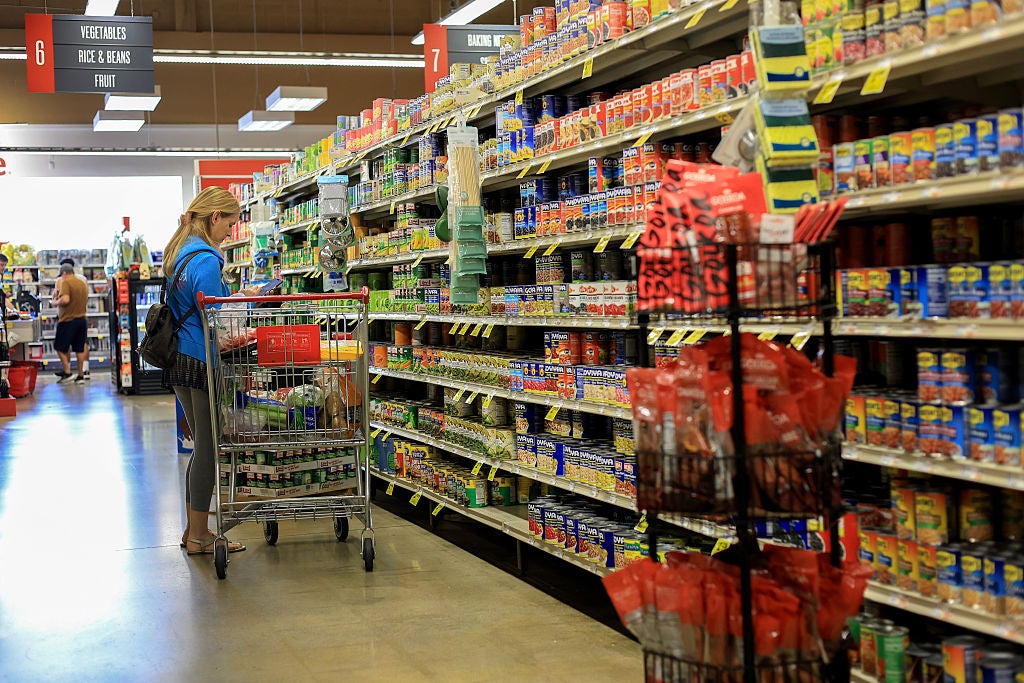
On the retailer side, loyalty programs improve customer retention and generate more revenue. Shoppers enrolled in loyalty programs spend 12 to 18 percent more than those who aren’t, according to a September 2025 analysis from Capital One Shopping Research.
Loyalty programs pay dividends for online stores, too, where their members generate 40 percent of revenue, the analysis said.
Yet while shoppers can save up to 5 percent through loyalty programs, they should be wary of overspending. Ways to avoid this include using an app-based budgeting tool to track spending and unsubscribing from promotional emails, suggests Wisconsin-based Landmark Credit Union.