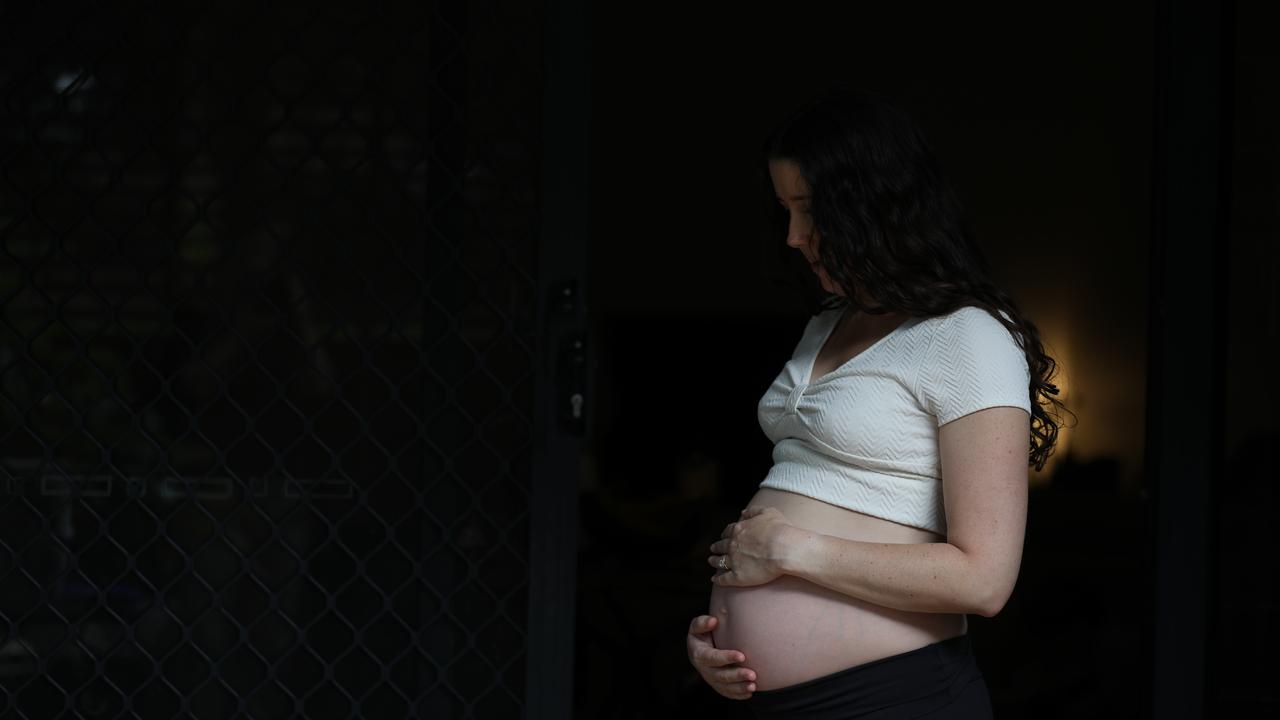
A rural mother has to travel six hours interstate every fortnight as she expands her family, an emotional quest that has likely cost her more than $100,000.
Sophie Fletcher, a farmer and mother-of-two from Walcha, in northern NSW, has also taken several 10-hour round trips just to get guaranteed same-day turnaround on blood tests for fertility treatment.
She has to go to these extraordinary lengths to get specialised care on the Gold Coast in Queensland, amid a dearth of local fertility services.
Over several years, Ms Fletcher has had to manage her medical records and find her own support services through an endometriosis diagnosis and several miscarriages.
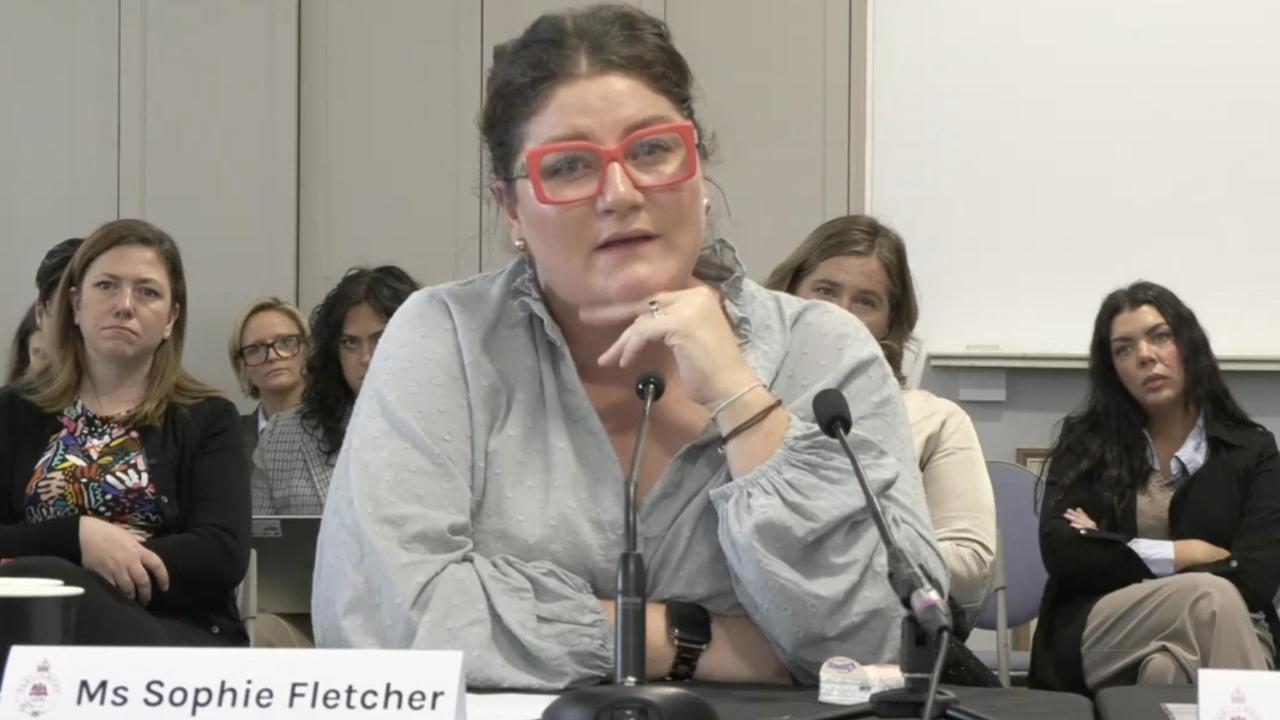
"My experience is not unique," Ms Fletcher told a parliamentary inquiry into fertility care and assisted reproduction treatment sitting in Tamworth on Wednesday.
"It reflects a broader pattern of inequity, where rural women face increased risk, reduced access, and a level of personal responsibility that would not be expected in metropolitan settings."
With private healthcare, travel and lost income, Ms Fletcher estimated her entire treatment has cost her family more than $100,000 in less than a decade.
Ms Fletcher said she has become a sounding board for many other rural mothers.
"It's so isolating when you're going through it," she told the inquiry.
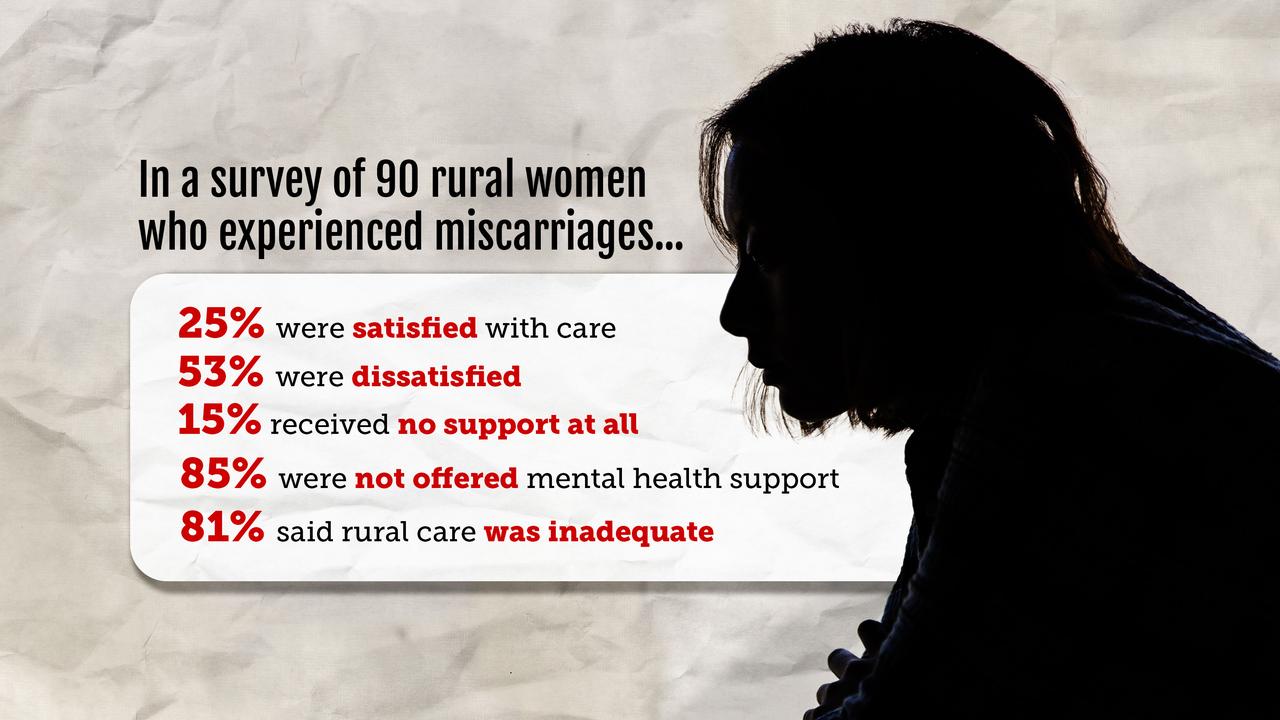
The inquiry has emphasised health system gaps revealed at an earlier inquiry into birth trauma.
Both inquiries have heard that continuity of care - in which patients see the same care team throughout pregnancy and birth - is key to the health of mothers and babies.
Continuity of care is rare in the regions, due to workforce shortages and closure of maternity units.
Kirra Smith, who lives near Armidale, suffered significant bleeding during one pregnancy and had to repeat her story to different midwives at each appointment.
"There was nothing we could really capture to put my mind at ease going into the birth," Ms Smith told the inquiry.
"Maybe trauma in that birth could have been avoided if I had people I knew and time to have these conversations."
Jen Laurie, the founder of rural parenting social enterprise Her Herd, said abortion services had also been "quietly" cancelled in regional areas, whether terminations were by choice or for medical reasons.
"That is healthcare, essential health care," Ms Laurie said.
"There is no debating about that."
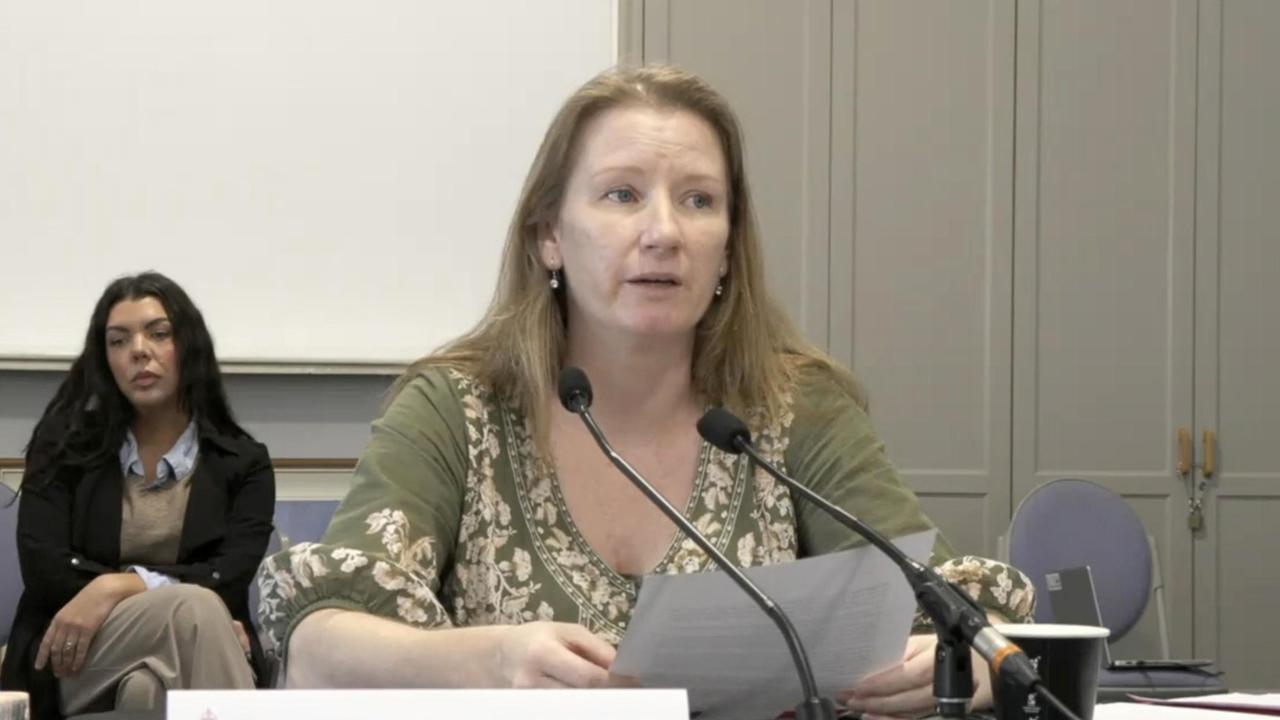
Torie Finnane Foundation chief executive Helen Paine said local workforce was critical.
The foundation, set up in the memory of a midwife who died suddenly from an infectious disease in the post-natal period, works to strengthen regional maternity care.
"Regional patients ... frequently navigate the fragmented care pathways and a dedicated fertility midwife or nurse could coordinate and facilitate all the different aspects of that," Ms Paine said.