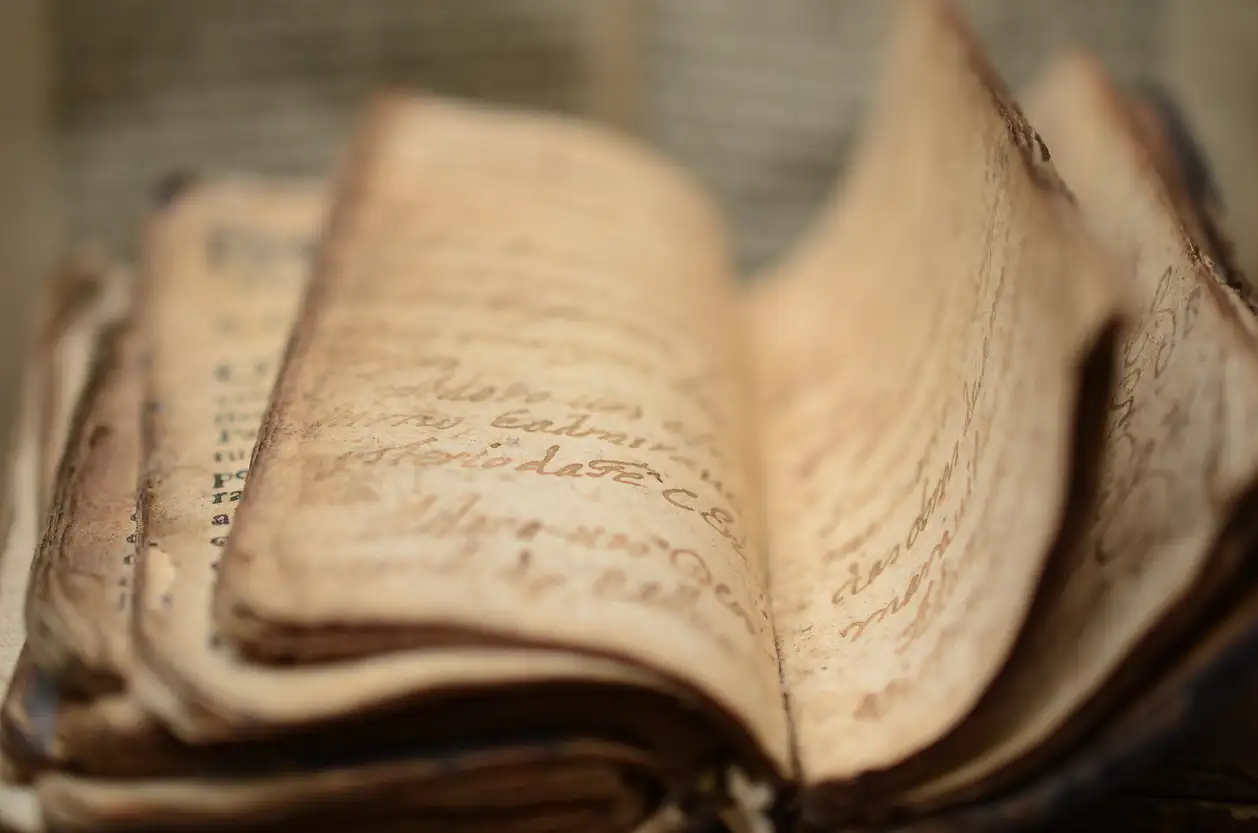
Artificial intelligence companies are increasingly turning to physical books, including rare and antique editions, to feed their large language models, creating a booming market for bulk book purchases that is raising concerns about the destruction of scarce literary works, according to a report by 404 Media .
The report says AI companies are buying thousands, and in some cases millions, of used books, scanning their contents into digital datasets and then destroying the physical copies. The practice has gathered momentum as developers seek cleaner, high-quality training material that predates the explosion of AI-generated content online.
Also read: Destroyed in 2005, reborn through LNG: Inside America's unlikely energy powerhouse
The trend follows legal developments in the United States that have allowed companies to digitise books they legally purchased under the first-sale doctrine. In a lawsuit that has since been settled, court documents showed that Anthropic used hydraulic cutting machines to remove pages from books before scanning them with industrial imaging equipment for AI training. A judge found the digitisation process to be "transformative," making it eligible for fair-use protection because the books were converted into digital form rather than redistributed as new copies.
Rare and out-of-print books fuel AI data race
According to 404 Media , businesses that once primarily served libraries and booksellers are now actively courting AI firms.
One such company, ISBNdb, which describes itself as operating the "world's largest book database," argues that older printed books offer an advantage because they were published before AI-generated text became widespread.
"Print books from the pre-LLM era are structurally guaranteed to be free of this contamination. That alone is a significant advantage," the company says on its website, as quoted by 404 Media.
It further states: "Physical books published before this date [pre-2022] are structurally clean of modern poisoning tools."
According to the report, ISBNdb now facilitates bulk purchases ranging from 1,000 to one million books per order for AI companies. The company also advertises anonymous procurement services, acknowledging the reputational risks surrounding the practice.
"The optics problem is real," ISBNdb says on its website. "'AI company destroys two million books' is not a headline that generates sympathy."
Booksellers see windfall but worry about what's being lost
The surge in demand is already being felt by independent booksellers.
One seller told 404 Media that weekly sales jumped from fewer than 20 books to hundreds in April, with buyers selecting seemingly random titles that all carried ISBN numbers, leading the seller to believe AI companies were behind the purchases.
The bookseller said many of the works being sold were rare or out of print, raising fears that some of the last remaining physical copies could be disappearing.
"I personally have mixed feelings about all of this," the bookseller told 404 Media. "It benefits me financially as well as by clearing out old inventory that is otherwise unlikely to sell. I've been well-suited for these sales with inventory from overseas and foreign language books. On the other hand, I don't like the end-use, and I don't like that uncommon books are being pulped."
According to the report, similar buying patterns have been reported by rare-book dealers in the Netherlands, where sellers say they are receiving unusually large orders that they suspect originate from AI companies.
While booksellers often cannot verify the identity of buyers because intermediaries such as ISBNdb keep purchasers anonymous, many in the industry believe the bulk acquisitions reflect the AI sector's growing appetite for high-quality, pre-AI training data.