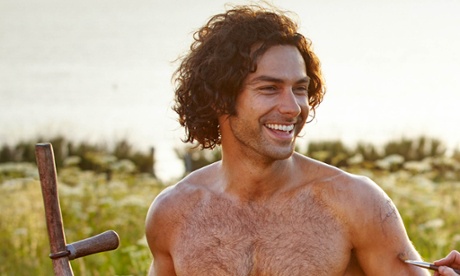
The Cornish tourist board must be loving Poldark
Poldark appears on first impressions to be slow and old-fashioned – and I say this as someone who used to be obsessed with Lark Rise to Candleford – but there’s something compelling about it. And then, on Sunday, we got to the cotillion. And the swimming. Oh, Lord. There isn’t enough sea off the coast of Cornwall to cool a woman down after that.
The glorious outdoor shots help no end. The whole crazed business surrounding Broadchurch (“Let’s go on a mini-break to the murder capital of the south!”) had poisoned me against television dramas working hand in hand with tourist boards. But here’s a great example. The cinematography is stunning, the landscapes enough to melt the hardest heart. It makes you proud to be British. If only someone could harness this stuff and use it in a party political broadcast. Don’t let Ukip see it.
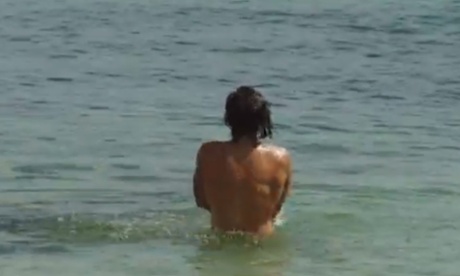
Additionally: Aidan Turner’s presence renders this series sublime, alongside the wit of Ruby Bentall (Verity Poldark), formerly Minnie in Lark Rise: “Are you interested in rigging?” “Oh, exceedingly.”
Comic Relief was an actual relief
There were jaw-dropping amounts of cash flashing up on the screen, a bunch of hit-and-miss cameos, and occasionally awkward presenting stints. But overall this was a Comic Relief to remember, hitting the changes of tone deftly and maintaining an upbeat, forward-propelling motion that defied you to switch off (Comic Relief, BBC1, Friday).
Johnny Vegas’ performance in No Direction made the night for me. His attempts to remember the dance moves and perform them very earnestly were beautiful. Nick Helm made a passable impression of an actual boy-band member. Although he can sing, so in real life he would not fit in. Meanwhile, the syrup glued to Jack Dee’s head looked so fixed I wondered if he would ever get it off again.
Other highlights? Dancing Dermot of course. And I loved that we were supposed to feel sorry for Geri Halliwell because she had been made to go outside in public – and in March too. I would praise The People’s Strictly for its heart, spirit and glorious exuberance but I was too busy weeping to watch any of it properly.
Talent shows are, at heart, mean
“You’re in the jungle, man. Some people turn into an animal in front of the microphone.” You said it, will.i.am. (The Voice, BBC1 Saturday, Sunday) But surely it’s the judges not the acts who are forced to turn predator. As the coaches chose their teams for the live finals, they each had to choose five acts to go home, leaving only three in each team. There’s still something flawed about this concept: the coach picks the acts, supports them, mentors them, becomes their friend and then slaps them in the face.
At least some of the best survived. But what about the rest? The camera trained only briefly on the faces of those who were thinking, “I’ve been through all this for nothing?” There was too much cruelty in the finale here. And a weird combination of too much jeopardy and not enough jeopardy. Because who, apart from will.i.am has made a career out of The Voice? What are the contestants actually losing when they are cast out, except the trust of someone they were encouraged to rely on? This series has failed to find its own voice and justify its strange mix of mollycoddling and rejection. Mitigating factor? The live musicianship, expertly showcased.
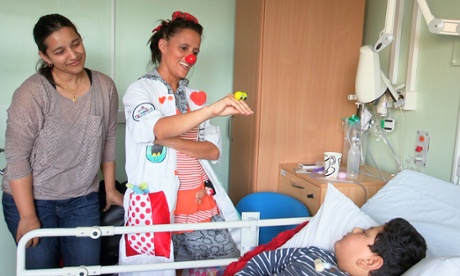
Clowns are much maligned
“It’s like I’ve gone undercover as someone less funny than me. I’ve gone undercover as a shit clown.” (Nina Conti Clowning Around, Sunday, BBC4) This wonderful documentary on the art of clowning explored the insecurities and triumphs of seasoned performer Nina Conti as she trained as a “giggle doctor”, working for a children’s charity in hospitals. After a trip to Italy, she concludes that there’s a natural British antipathy towards silliness. “It’s the kind of incident a complaint would come from ...” she says when her squeaky nose makes a patient cry. “Who walks up to a sick kid and makes them cry?” When Conti abandoned the red nose and brought in her own monkey puppet, things took off. Until another child burst into tears. Tortured by the image problems of the clown, the charity then bans red noses and lots of clowns cry. A brilliant analysis of the power, importance and limits of silliness.