Iran's stockpile of near-bomb-grade uranium is now subject to less international oversight than it was before the US and Israel launched military strikes on the country last year, raising fresh concerns about nuclear proliferation despite President Donald Trump's assertion that Tehran's nuclear programme had been "obliterated."
According to a restricted 119-page report by the International Atomic Energy Agency (IAEA), reviewed by Bloomberg , the UN nuclear watchdog can no longer verify the status of a large quantity of highly enriched uranium that was previously under regular inspection.
Western officials cited by Bloomberg said the risk that Iran could covertly pursue nuclear weapons is now greater than it was before the June 2025 conflict began.
Also read: Trump says Iran agreed not to pursue nuclear weapon; Ayatollah giving approval in talks
The report highlights an unintended consequence of the 12-day US-Israel-Iran war: while the strikes were aimed at curbing Tehran's nuclear ambitions, they have also reduced the IAEA's ability to monitor some of Iran's most sensitive nuclear material, creating what diplomats describe as new proliferation risks, Bloomberg reported.
"The Agency can't draw any conclusion regarding this nuclear material," the IAEA document states. "This gives rise to a proliferation concern as this nuclear material, which the agency was not able to verify, includes a large amount of high-enriched uranium."
Less oversight, more uncertainty
Before the June 2025 conflict, Iran's stockpile of near-bomb-grade uranium was subject to weekly inspections by IAEA monitors to ensure it was not diverted for military purposes. That level of scrutiny no longer exists.
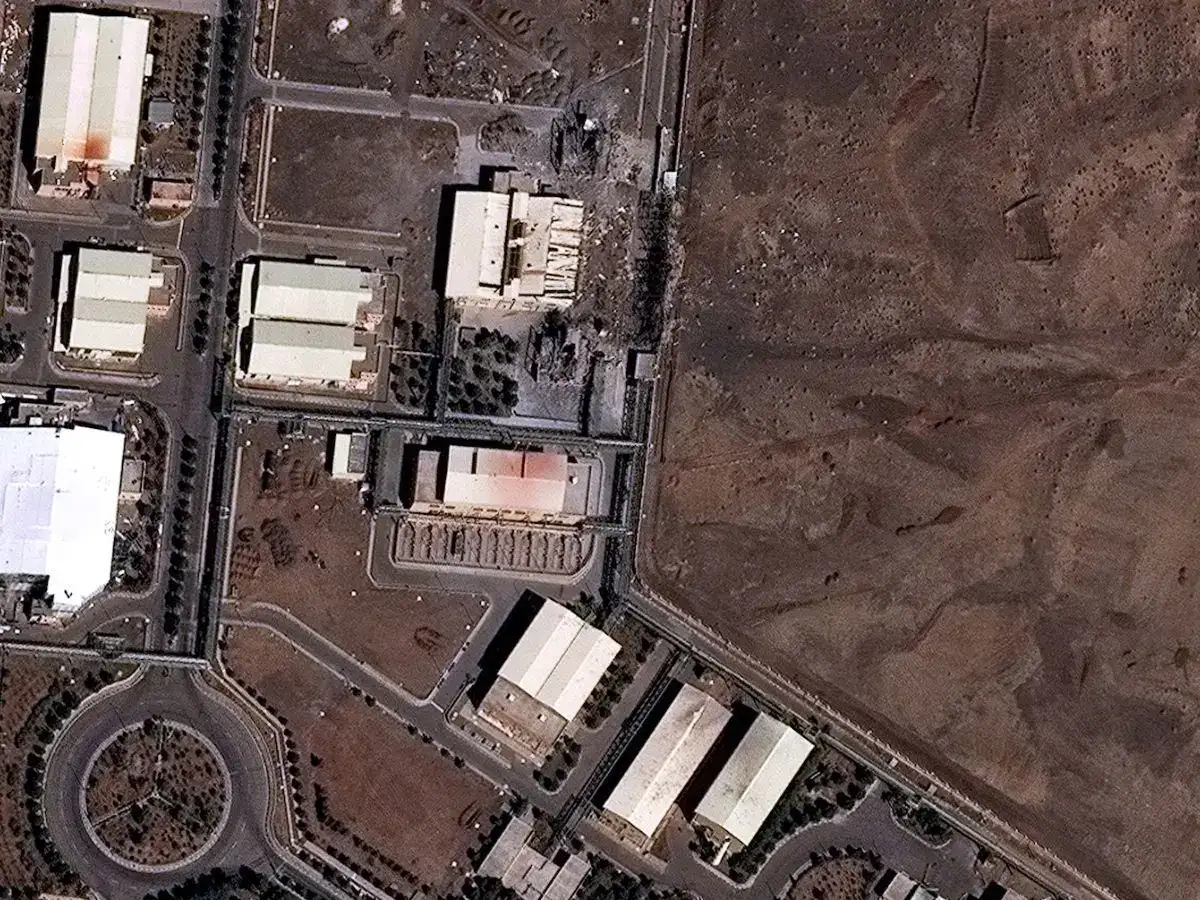
Inspections dropped by more than half after Iran imposed additional restrictions following the war. IAEA inspectors have yet to regain access to several damaged nuclear facilities, including Fordow, Isfahan and Natanz, where Iran's 440.9 kilograms of highly enriched uranium and thousands of kilograms of lower-enriched material were last known to be stored.
Two senior diplomats familiar with the report told Bloomberg that the longer the material remains outside effective IAEA safeguards, the greater the risk that it could be diverted for "non-peaceful uses."
The findings present a challenge to the White House's narrative that the military campaign significantly degraded Iran's nuclear capabilities. While Trump administration officials have maintained that Iran's programme was effectively destroyed, Washington has simultaneously sought negotiations over the fate of the uranium stockpile, including proposals to export the material or neutralise it under international supervision.
Also read: Trump’s Iran gamble gets riskier as a new player enters the room
IAEA chief warns against unverifiable deal
The report comes as diplomatic efforts to revive a nuclear agreement with Tehran continue amid persistent tensions.
S ome officials have expressed concern over the Trump administration's decision not to directly involve the IAEA in recent rounds of negotiations, warning that any agreement lacking robust verification mechanisms could prove ineffective.
IAEA Director General Rafael Mariano Grossi underscored that concern in an interview with Al Jazeera .
"We are not a party to this negotiation. We participated until the last round which ended in February," Grossi told Al Jazeera . "Something that is not verifiable will lead to a bad agreement."
The warning arrives ahead of a key meeting of the IAEA Board of Governors in Vienna on June 8, where member states are expected to closely scrutinise the agency's latest findings on Iran's nuclear programme.
The current concerns stem from a chain of events that began shortly after the watchdog raised alarms about Iranian nuclear activities.
The US and Israel launched military strikes on Iran less than 24 hours after an IAEA report in February flagged activity near nuclear sites that were later bombed. The June 2025 attacks also followed an IAEA censure of Iran over its lack of cooperation with inspectors.