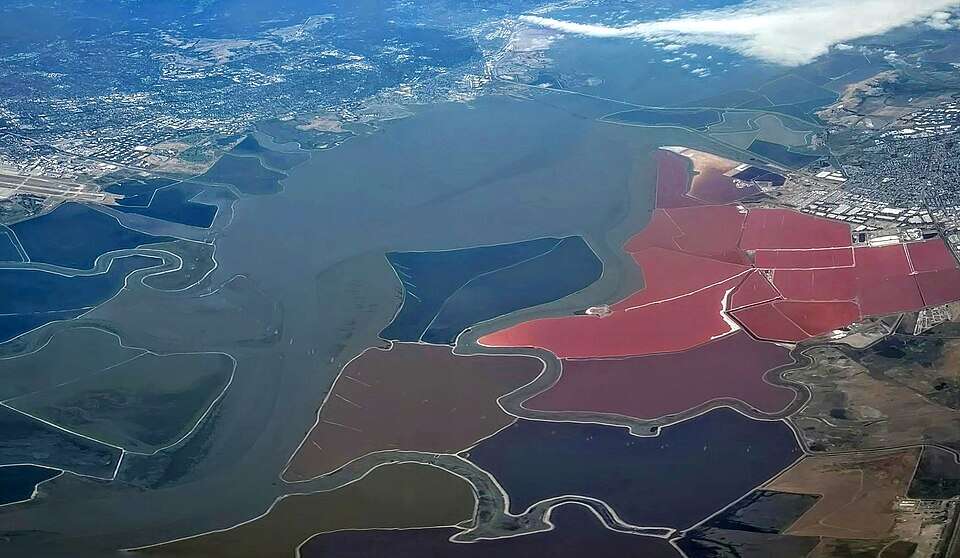
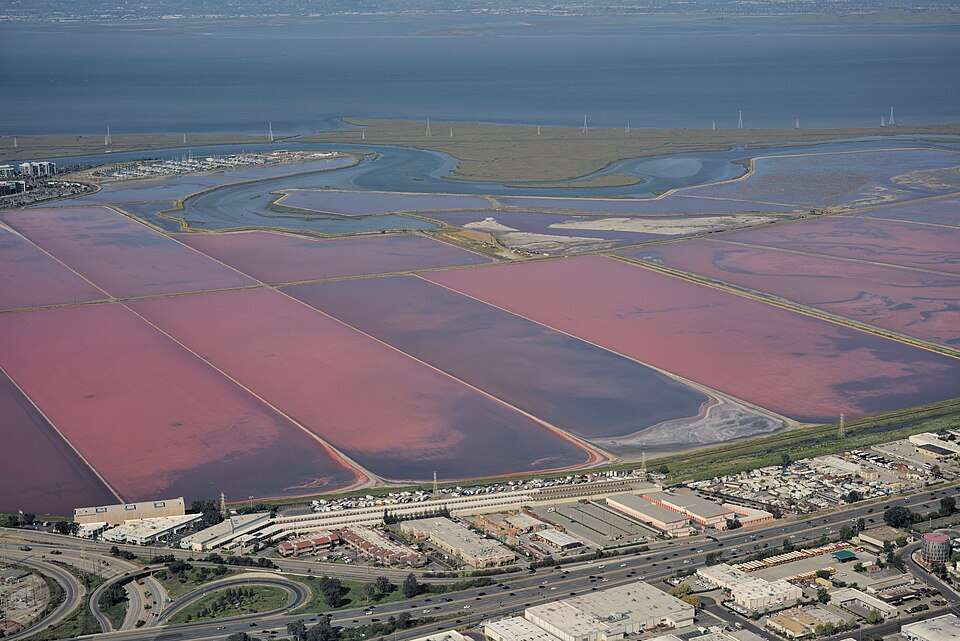
For more than a century, industry transformed wetlands in the southern end of San Francisco Bay into colorful salt ponds. After decades of salt ponds replacing natural marshes, the area is beginning to recover. As restoration has converted industrial salt ponds into tidal wetlands, migratory birds have returned to the South Bay. The project is one of the largest wetland restoration efforts in the United States.
Get breaking news anytime, anywhere. Download the TOI app now!
This recovery project is part of the South Bay Salt Pond Restoration Project , an ambitious initiative launched after state and federal agencies acquired more than 15,000 acres of former salt ponds from Cargill in 2003 to restore tidal wetlands and improve wildlife habitat in San Francisco Bay.
The South Bay’s landscape changed through salt production
According to KQED , for more than 150 years, companies pumped seawater into shallow ponds, where sunlight and wind evaporation helped produce salt deposits.
Changing salt concentrations led to the growth of different microorganisms, creating colourful patches of green, orange, pink and red. The industrial landscape also caused serious environmental damage. By the 1930s, almost half of South Bay’s historic tidal marshes had been converted into salt ponds.
The construction of levees restricted natural water flows, affecting wetland ecosystems and reducing their ability to protect communities from flooding. At the beginning of restoration efforts, 80% to 95% of San Francisco Bay’s tidal wetlands were degraded and developed.
Restoration gave new life to wetlands
The restoration initiative aimed not only to restore salt ponds but also to create functional tidal marshes that could provide wildlife habitat and help protect the area from floods and climate-change impacts. An adaptive management approach is used: some ponds will be restored as tidal marshes, some will be managed to better support wildlife, and some will remain unchanged because they already provide habitat for adapted species. The project is restoring more than 15,000 acres of former salt ponds into a mix of tidal wetlands and managed ponds.
Scientists saw signs of recovery sooner than expected. In 2014, endangered Ridgway’s rails were found in newly restored marshes. The following year, endangered salt marsh harvest mice were also found in the area.
Migratory birds find their new home
Another clear example of recovery is the presence of migratory birds. The South Bay area lies along the Pacific Flyway, a major migratory route for birds from Alaska to Patagonia. For years, shallow ponds provided places where birds could rest and feed while travelling through the region.
With the restoration of the site, scientists noted the arrival of numerous shorebirds and waterfowl. A U.S. Geological Survey study found that the number of overwintering water birds in the South Bay Salt Pond Restoration Project area more than doubled between 2002 and 2014, increasing from about 98,340 birds in 2002 to nearly 235,936 in 2014.
The paper adds that restoration increased habitat diversity across the South Bay, and that bird use varied by pond type, season, and salinity rather than rising uniformly everywhere. It also identifies the highest concentrations on managed ponds and notes that long-term monitoring was used to track these trends through the project’s early restoration years. American avocets, sandpipers, ducks and other migratory birds started to use restored marshes and managed ponds for feeding and roosting.
Climate change introduces another problem
As the wetlands recover, however, sea-level rise poses an additional risk. The West Coast is expected to see further sea-level rise in the next few decades, posing risks to coastal ecosystems and communities.
A healthy wetland provides a natural buffer that can help absorb storm surges and reduce flooding. However, recently restored wetlands need time to establish vegetation and sediment buildup. In preparation for such changes, wetland managers are creating ecotones that allow plants and wildlife to move farther inland as sea levels rise. Today, South Bay is an example of an ecosystem given a chance to recover.