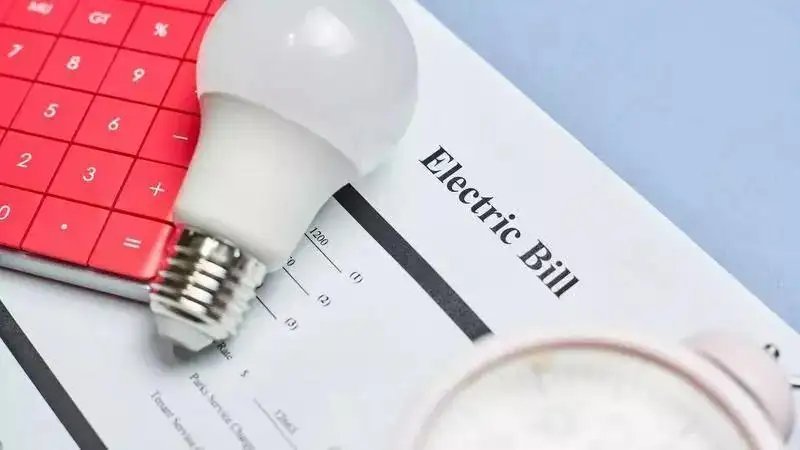
After the recent rise in CNG, petrol and diesel prices, households may soon face higher electricity bills as well. The Central Electricity Authority (CEA) has proposed increasing fixed monthly electricity charges, a move that could raise power bills even for consumers with lower usage.
According to a report by The Times of India, the proposal aims to help power distribution companies (discoms) recover mounting costs as more consumers shift to rooftop solar systems and industries increasingly rely on captive power generation.
If implemented, a larger share of electricity bills would come as mandatory fixed charges, meaning consumers may have to pay more every month regardless of how much electricity they actually use.
The proposal, which will be presented before the Forum of Regulators, highlights that discoms currently recover much of their fixed expenditure through per-unit electricity tariffs rather than assured monthly payments. This makes their revenues vulnerable whenever power consumption declines.
The report noted that expenses such as transmission infrastructure, employee salaries, network maintenance and payments to electricity generators account for nearly 38 to 56 per cent of a utility’s total costs. However, fixed monthly charges contribute only around 9 to 20 per cent of total revenue.
CEA also pointed out that industries and high-income households adopting rooftop solar, open-access systems and captive power plants continue to depend on the grid for backup supply while purchasing less electricity from discoms, impacting their earnings.
To address this, the authority has suggested a “calibrated and phased approach” to gradually increase fixed-cost recovery. Under the proposal, fixed charges for domestic and agricultural consumers could rise to 25 per cent, while industrial, commercial and institutional users may eventually pay up to 100 per cent of fixed costs by 2030.
The report further recommended introducing separate tariff structures for rooftop solar users and consumers operating under net-metering systems.