An Aboriginal elder is calling on the federal government to make antigen detection tests free for everyone amid ongoing concerns about their affordability.
Discussions are ongoing between the private sector, and state and federal governments about whether to make rapid antigen tests (RATs) free, with another national cabinet meeting convening tomorrow.
Prime Minister Scott Morrison said the government had "invested hundreds of billions of dollars getting Australia through this crisis" and could not afford to keep spending as much as previous years.
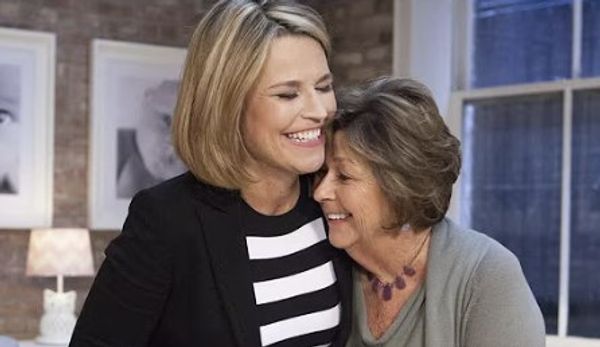
But Wiradjuri elder Cheryl Penrith, from Wagga Wagga, is concerned many large families and low-income earners cannot afford the tests, which is putting the elderly population, and the Aboriginal community, at risk.
"The last thing that young people want to do is pass COVID onto their elders," she said.
"So, I think by having the test before they go and see people is a really important idea. It's really important they do that.
"If there are some tests around it'd be really good if they were accessible for people.
"I think it would be great if they were for free, maybe for everybody."
For Indigenous people, elders provide an important connection to the knowledge of language, culture and history, but the Omicron variant of the COVID virus is making its presence felt among a vulnerable demographic.
"They're the knowledge holders in our families. They're the people that hold families together, they're the nurturers, the caregivers and they're the people that look after everybody," Ms Penrith said.
"We really need to protect our old people."
'Blame game'
Australian Medical Association vice-president Chris Moy said he is "extremely frustrated" with the current shortage of RATs.
Federal Treasurer Josh Frydenberg said yesterday the states have ordered 84 million rapid antigen tests, and that "the Commonwealth has ordered further rapid antigen tests".
But Dr Moy said it was too little, too late.
"It'll help then, but it's not going to help now. This is the critical moment as far as Omicron is concerned and we don't have them," he said.
"What we really need, right at this moment, and that is now, is as many rapid antigen tests deployed with individuals given instructions on how to use them."
The Prime Minister says providing free RATs would undercut retailers.
Responsibility
Dr Moy said the switch from PCR tests to RATs was always going to happen.
"We're caught completely short; the PCR testing system is completely overwhelmed and we haven't had the rapid antigen tests to transition too," he said.
"The government's position was to rely on the private market to provide a large number of the rapid antigen tests where they felt they did not need to intervene, which is not the case in countries like the UK where they're obtained free, through the National Health Service.
He said lack of communication between the government and private sector has contributed to the shortage and rising costs of tests that are available.
"That is actually a problem then because in some ways, despite this whole mantra of personal responsibility, it completely prevents individuals being able to exercise personal responsibility because they just don't know whether they're infectious before they go out," Dr Moy said.
Social inequity
Dr Moy said the situation has caused inequity among communities.
"At the current cost we're hearing about, $10, $15, $25, $50 — this is a massive barrier and inequity for people who can't afford it," he said.
"Individuals who are living in areas which are of a lower socio-economic capacity are often the same areas where there's a high number of vulnerable individuals with conditions which make them more likely to have COVID.
The federal government agreed to fund half the costs of RATs purchased by the states which will be handed out for free to close contacts.
"The government have indicated they're going to try to find a way to subsidise the costs … but [there's] two problems: we don't have any rapid antigen tests in large supply and also we need them now," Dr Moy said.
"The transition in terms of needing them was last week, if not the week before."
Ms Penrith said she just wanted "people to stay safe".