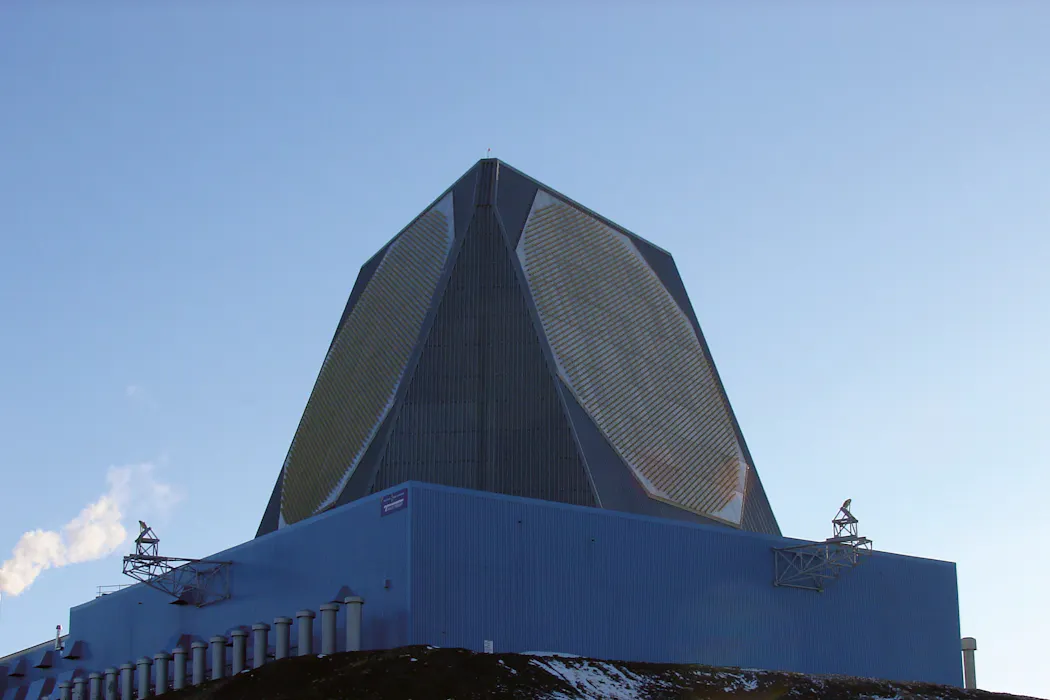
The global price of oil continues to skyrocket as Iran’s missiles and drones hit vital infrastructure in Arab Gulf states. Billion-dollar American radar systems have also been targeted and destroyed across the Middle East by Iran, seemingly degrading U.S. defenses.
U.S. military presence near Iran includes dozens of locations and tens of thousands of troops in harm’s way. This raises the question: If a missile is launched from Iran toward a U.S. military base in the region, how do service members know in time to stay safe?
The United States and its allies have built a layered system to watch the skies day and night. This system uses satellites in space, radar on the ground, ships at sea and aircraft in the air. It also depends on well-trained military members from U.S. Space Command who make quick decisions with the data. As a former U.S. Air Force officer and now aerospace and national security law professor at the University of Mississippi, I’ve studied the vast network of alliances and systems that make this happen.
Together, these tools form a missile defense network that can spot danger early and give warnings. The fastest way to spot a missile is from space. U.S. satellites, like the U.S. Space Force’s Space-Based Infrared System, circle high above Earth. These billion-dollar satellites, the crown jewels of missile defense, can spot the bright heat from a missile launch almost instantly.

When a missile is fired, it creates a strong enough heat signal to be seen in space. The satellites detect this heat using sensitive, infrared sensors and send an alert within seconds. This early warning is critical. It gives the military on the ground or at sea time to get defense systems ready.
The warning signal from space is then received on the ground by systems known as the U.S. Space Force’s Joint Tactical Ground Stations. The signal is sent from space using secure satellite communications, received by these ground stations, and then quickly distributed to other parts of the missile defense network.
Radar to detect and track missiles
But satellites cannot do everything to detect and track missiles. They need help from systems on Earth. After a missile is launched, ground-based radars take over from the initial satellite signal. Radars work by sending out radio waves. When those waves hit an object, like a missile, they bounce back. The radar then uses that information to track where the object is and where it is going throughout its flight.
The U.S. uses both short and long-range radars together. One powerful, long-range radar is the AN/FPS-132 Upgraded Early Warning Radar. It can see missiles from over 3,000 miles (4,828 km) away and track them as they travel. Another key system is the U.S. Army’s AN/TPY-2 Surveillance Transportable Radar. This radar has a range of almost 2,000 miles (3,219 km) and looks more closely at the missile to provide more information about the threat. TPY-2 systems typically sit right next to weapons systems that will destroy the missile to ensure the timely relay of tracking data.
In sum, satellites spot the launch and radars follow the missile through the sky until defense systems destroy it.
However, Iranian forces recently struck both a TPY-2 in Jordan and a FPS-132 in Qatar. These systems are expensive and difficult to quickly replace. This has required the U.S. to move an additional TPY-2 from Korea to place it in the Middle East.
U.S. missile defense tracking was certainly degraded by losing these resources, but other radars are still part of the network. For example, the U.S. Space Force operates another FPS-132 in the U.K., which could potentially provide radar support to the Middle East.
In addition to ground and space-based sensors, U.S. Navy ships carry powerful radar systems as part of their Aegis Combat System, known as the AN/SPY-1, which can provide up to 200 miles (322 km) of coverage. Ships can sail closer to areas where threats may come from and help fill gaps that land-based radars cannot cover.
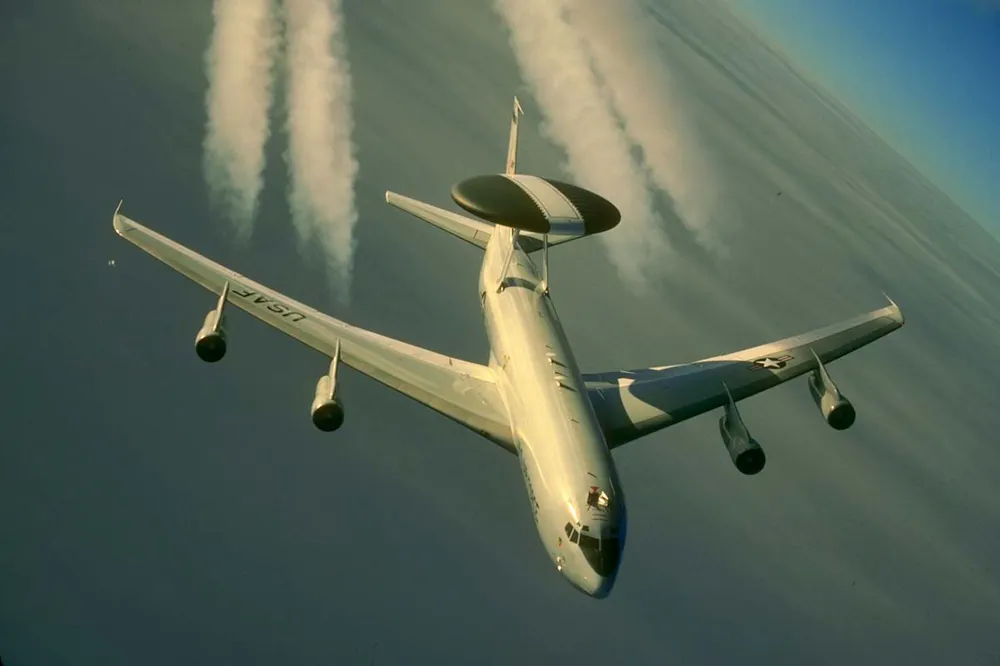
U.S. Air Force aircraft also play a big role. Planes like the E-3 Sentry can watch large areas using radar from the sky. Drones such as the MQ-9 Reaper can stay in the air for long periods and track activity below with radar and sensors. These moving sensors help the system stay flexible. If one area needs more coverage or is degraded, ships and aircraft can move there to fill in.
Why drones are harder to catch
Drones require a different set of tracking tools and have proven more difficult to destroy than missiles from Iran. The legacy systems are simply better suited to missiles than new drone technology. To detect drones, the U.S. typically uses several tools: radar; radio signal tracking, which can pick up control signals; and cameras and other sensors, which can see drones directly.
Missiles are fast and hot, which makes them easier to detect with the current systems. Iranian drones, such as the Shahed system, are different. Their heat signature is often minimal due to using gas-powered engines not easily detected by infrared sensors. Without this heat signature, that initial warning cue is delayed, making it difficult for radar to know what to track.

Drones are usually smaller and fly low to the ground, making them hard to see on radar. They can be hidden by buildings or tough to distinguish from birds and other objects. Some are made of materials that do not show up well on radar, such as fiberglass and plastic. Others move slowly, which can make them harder to notice or stand out.
Many of Iran’s drones do not show up on radio signal detection systems because they cannot be remotely controlled. These drones are programmed with GPS coordinates and navigate themselves to a target.
Multiple methods
No single method works all the time to defend against drone attacks. Instead, these tools work together to find and track drones. The U.S. and its allies continue to improve their systems to catch both missiles and drones. For example, the U.S. is in discussions to buy acoustics sensors from Ukraine, which can hear drones coming when they cannot be seen using other methods.
New sensors, better software and faster communication will all help strengthen defenses. The goal is simple: Detect threats earlier, respond faster and hit the target faster.

Former U.S. Air Force officer from 2016-2025.
This article was originally published on The Conversation. Read the original article.