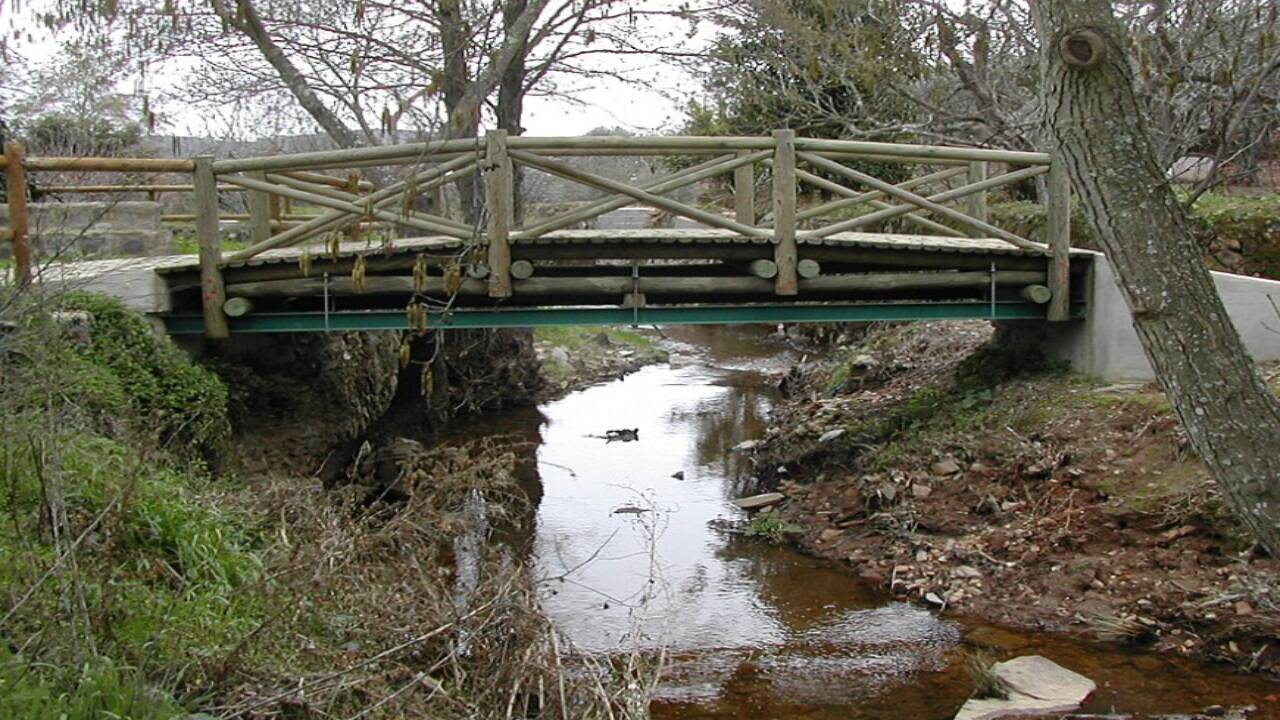
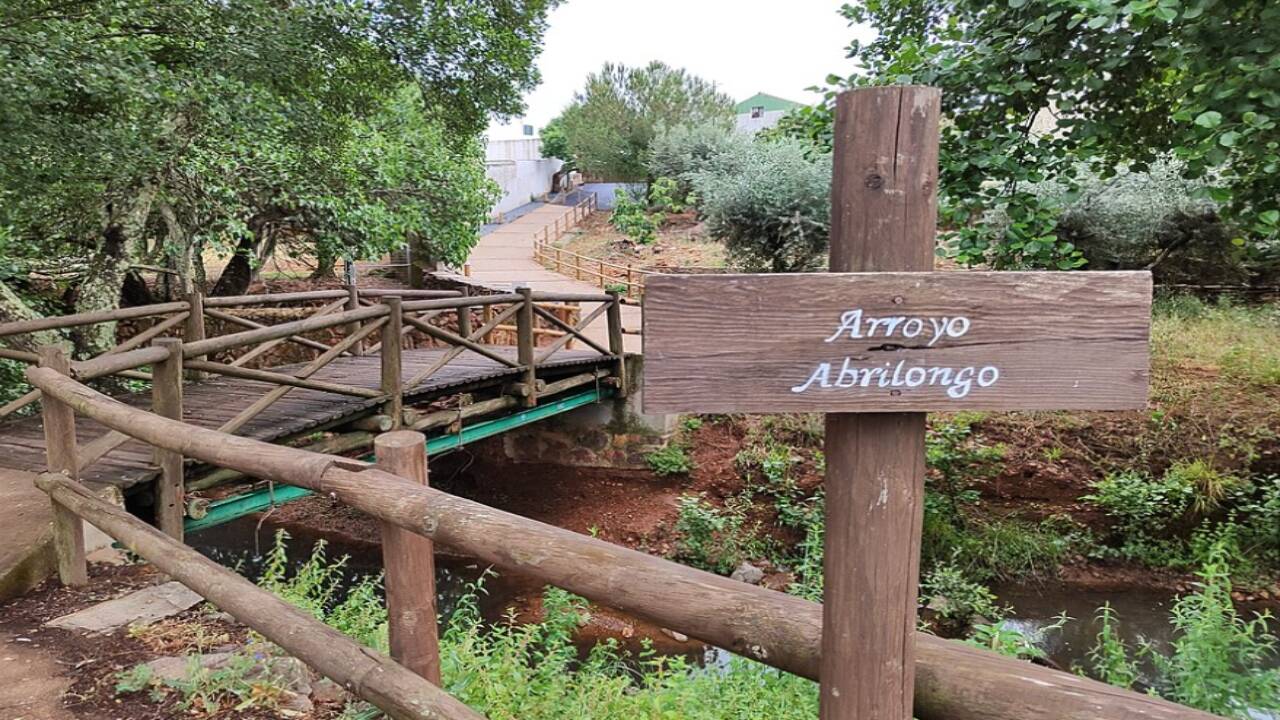
The bridge, officially called the Ponte Internacional do Marco in Portuguese or the Puente de El Marco in Spanish, links the Portuguese hamlet of Várzea Grande, in the municipality of Arronches, with the Spanish hamlet of El Marco, in the municipality of La Codosera, crossing the Abrilongo stream that forms the border between the two countries. According to IFLScience , the crossing is widely reported as being about 6 metres long, a figure that comes directly from the Arronches municipal government's own official page, though other sources, including Atlas Obscura, describe it as closer to 3.2 metres, leaving some genuine disagreement over its exact length. What is not disputed is the time difference. Spain operates on Central European Time, one hour ahead of Coordinated Universal Time, while Portugal follows Western European Time, the same as Greenwich Mean Time. Crossing the bridge in either direction means either gaining or losing an hour in an instant.
Get breaking news anytime, anywhere. Download the TOI app now!
Why a tiny crossing had to be rebuilt
According to Murcia Today , the modern version of the bridge was reconstructed in the 2000s with funding from the European Union, replacing a much older and far less reliable crossing. Before that, generations of locals crossing the Abrilongo River relied on improvised wooden planks laid across the water by hand. Those makeshift crossings often washed away when the river ran high, as the water can become treacherous despite its narrow appearance. The area also has a long history of smuggling because the border was more a line on maps than a barrier residents observed day to day.
Why crossing it today feels like nothing at all
Despite technically crossing a national border, nobody actually checks a passport at the Marco Bridge today. Both Spain and Portugal are members of the European Union and belong to the Schengen Area, the zone of European countries that abolished passport and border checks between member states decades ago. That means tourists and locals can walk, cycle, or ride a small motorbike across freely, with little to mark the crossing beyond a sign and the need to reset a wristwatch. IFLScience also claims that the bridge itself is only about 1.45 metres wide, just enough room for pedestrians, bicycles, and the occasional scooter or motorbike.
How it earned its record, and what almost took the title instead
The Marco bridge's claim to being the world's shortest international bridge has not gone entirely unchallenged. For years, some travel writers pointed to the Zavikon Island bridge, a small crossing in the Saint Lawrence River near the Canada-US border, as a rival contender. According to IFLScience, that bridge actually measures around 10 metres, making it longer than Marco regardless, and fact-checking site Snopes has confirmed that both islands the Zavikon bridge connects are actually located entirely within Canada, meaning it never crossed an international border in the first place. With that contender eliminated, Marco is widely described as one of the shortest genuine international bridges.
For such a modest structure, the bridge carries an outsized amount of geographic trivia.
Locals on both sides have long treated the crossing as part of daily life, with families and trade links spanning the river for generations. For visitors, the appeal is the novelty of standing in two countries at once and crossing an international border in a few steps.