The grandiose and oldest international art event, La Biennale di Venezia (Venice Biennale), opened its 61st edition under the theme "In Minor Keys" by artistic director Koyo Kouoh. The events that built up to the opening last month were far from minor due to various protests that trumpeted loud ripple effects worldwide.
My one-month sojourn in Venice saw all kinds of memorable and confrontational activities related to art and politics.
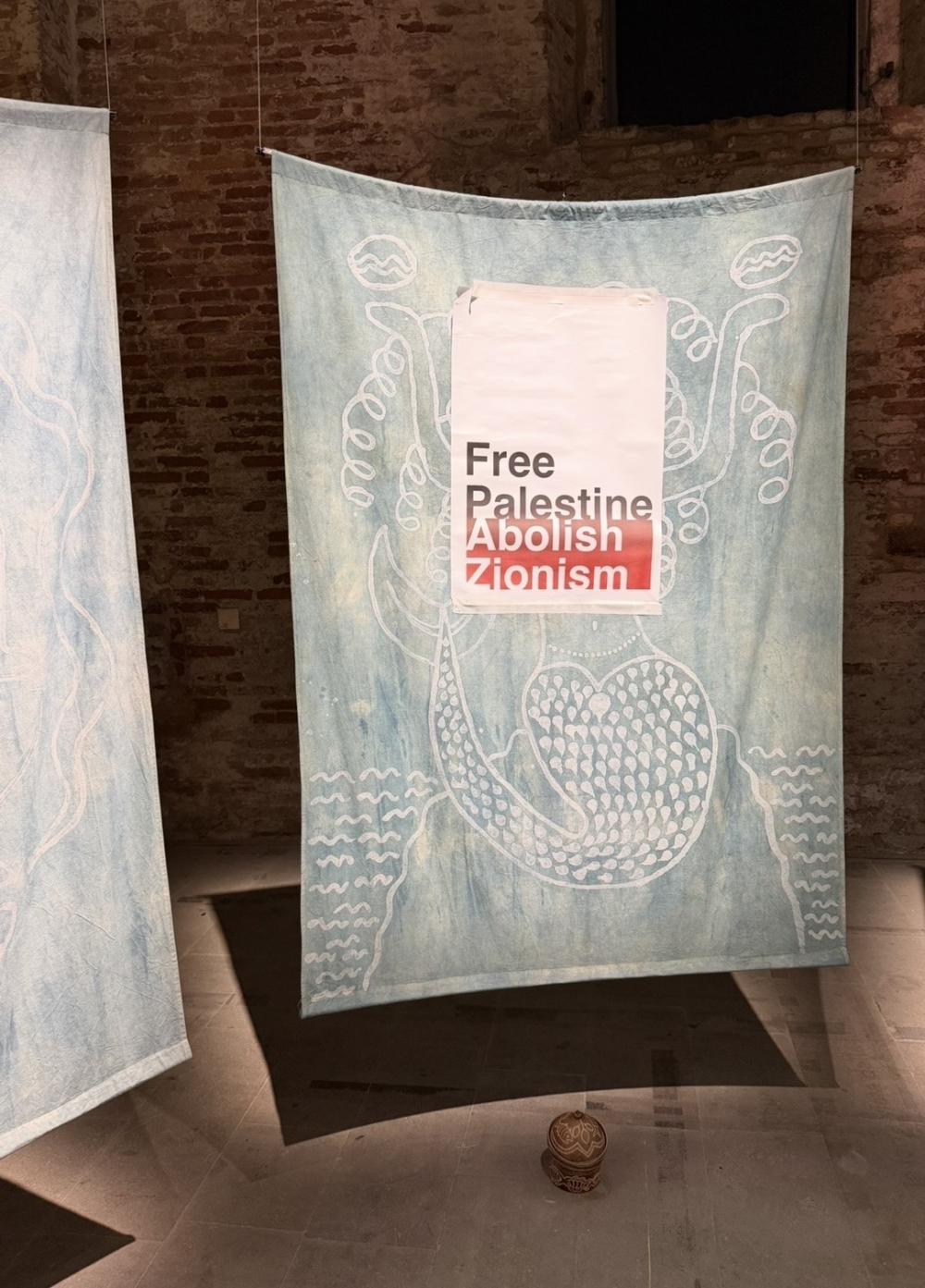
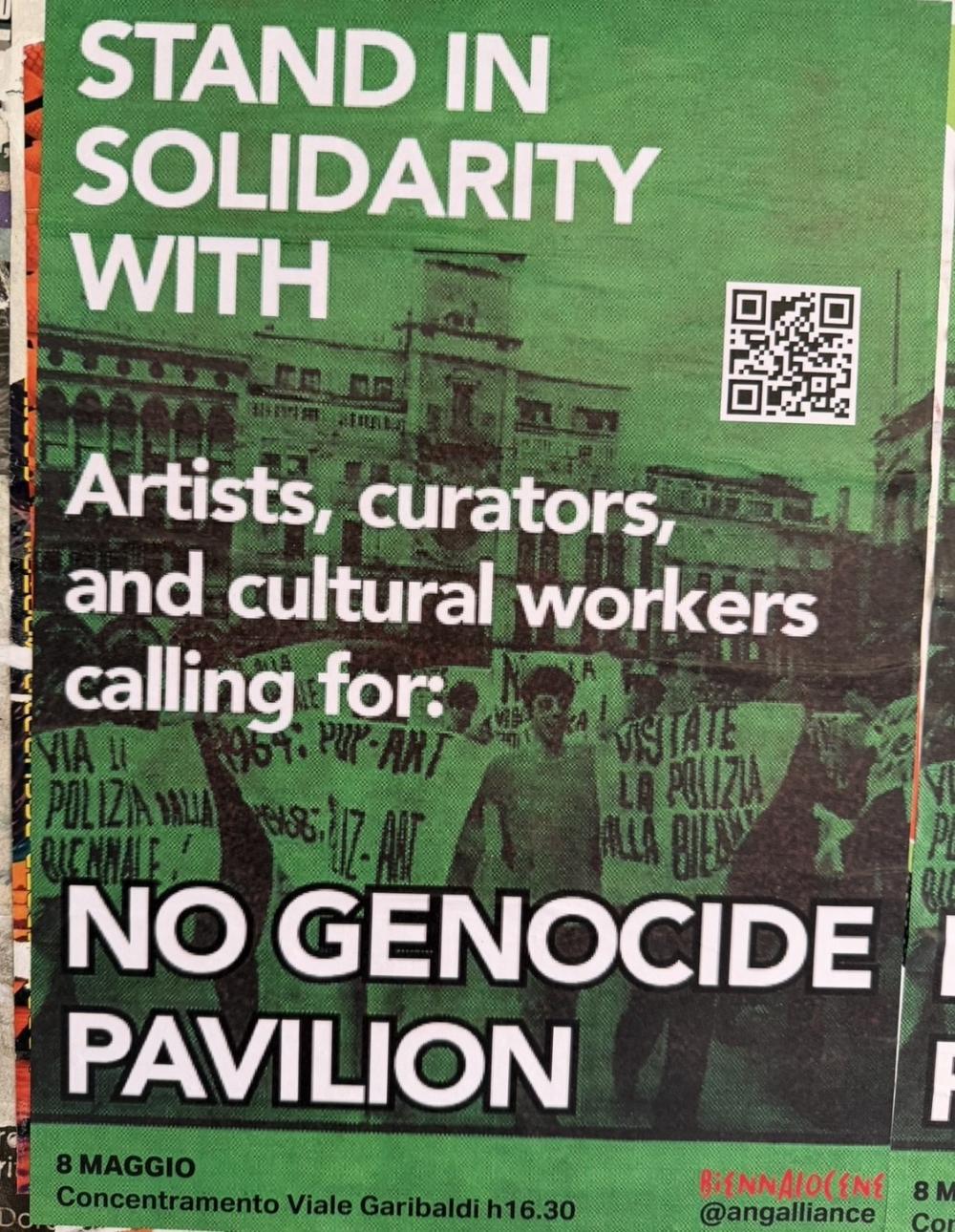
When I arrived, free Palestine and anti-genocide posters and banners along the walls and corridors signalled rumbling discontent focused on the inclusion of the pavilions of Russia and Israel. With the European Union's withdrawal of €2 million (76.1 million baht) in funding for the Venice Biennale, the schism in politics has a clear impact on the organisation of the world's most famous international art event.
Venice Biennale with its 131-year history has long been a stage of soft power plays enmeshed with art, culture and propaganda.
In addition to the floating heritage surrounded by lagoons with attractions of masters including Bellini, Titian, Tintoretto, Canaletto and Vivaldi, along with gondolas, gelato, macchiato, Spritz, Murano glass and spaghetti nero, visitors flock to Venice every two years to experience the world-famous art destination.
Since its beginning in the late 19th century where invited nations built their pavilions at Giardini di Castello to display national artistic talent, Great Britain, France, Germany, Belgium, United States, Switzerland, Spain, Holland, Denmark, Sweden, Greece, Austria and Russia have been among leading nations to display power and prestige. Australia, Japan and Korea joined later, and most recently Qatar.
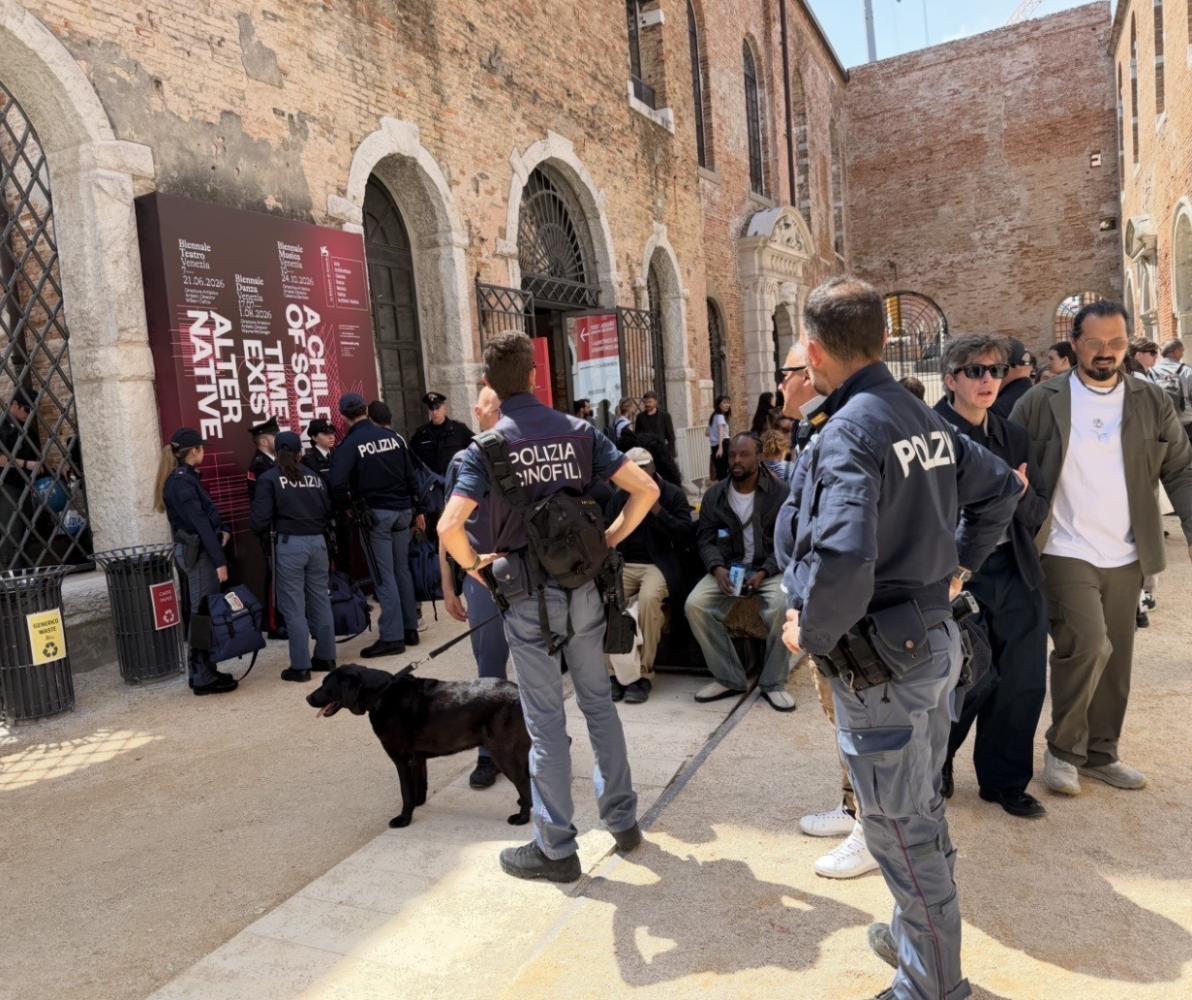
With increasing interest from nations to join the "Olympics of Art", warehouses at Arsenale have been converted for art shows. With demand for more space, palazzos, residences and institutions have started to rent out for all kinds of art activities. Traditionally, Venice is transformed every two years into a grand arena of international art.
Besides the main exhibitions, this year includes solo exhibitions by Marina Abramovic, Anish Kapoor, Joseph Kosuth, Tony Cragg, Georg Baselitz, Lee Ufan, David Salle, Erwin Wurm, Sigmar Polke and more than 30 official collateral events to further attract collectors, patrons, curators, critics, artists and tourists.
As preparation at the Giardini and Arsenale along with hundreds of art spaces were under way, threats of confrontation loomed.
Dispute over the cultural boycott and art rallies came in the form of the Art Not Genocide Alliance (ANGA) that demanded the exclusion of Russia and Israel for atrocities and genocide. Signed by 203 artists, curators and workers, the petition was given to the president of the Biennale, Pietrangelo Buttafuoco, who in turn stated that based on a commitment to openness and dialogue, rejection of Russia and Israel would not be allowed.
Consequently, five jurors appointed to select the Golden Lion awards announced their refusal to consider countries with leaders prosecuted for crimes against humanity by the International Criminal Court.
A few days before the official opening ceremony, all jurors resigned without explanation, adding fuel to the simmering feud. In response, the Visitor's Lions with public votes has replaced the traditional prize system, while the Golden Lion ceremony will take place at the end of the Biennale in November. As a result, dozens of artists have withdrawn their work from the competition.
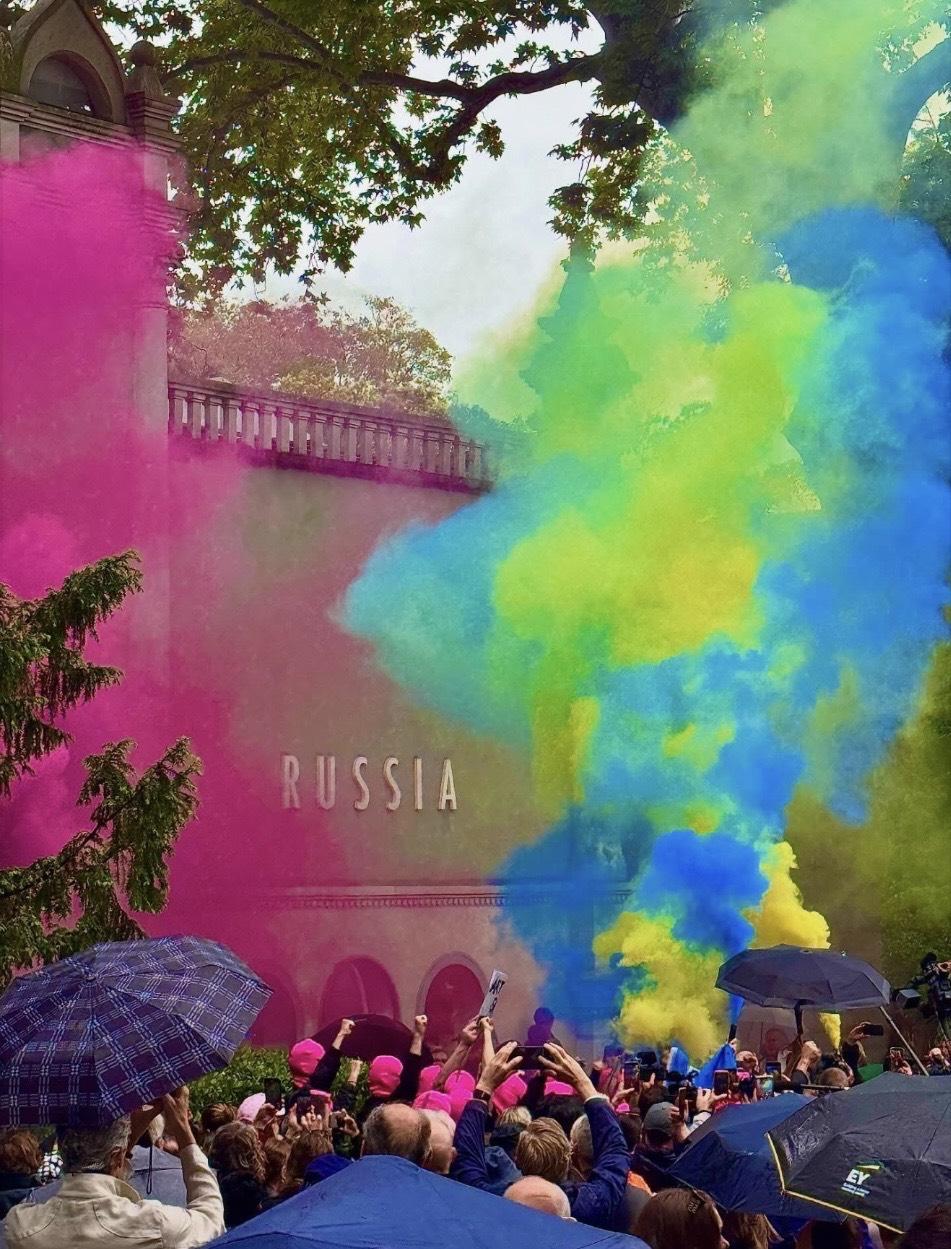
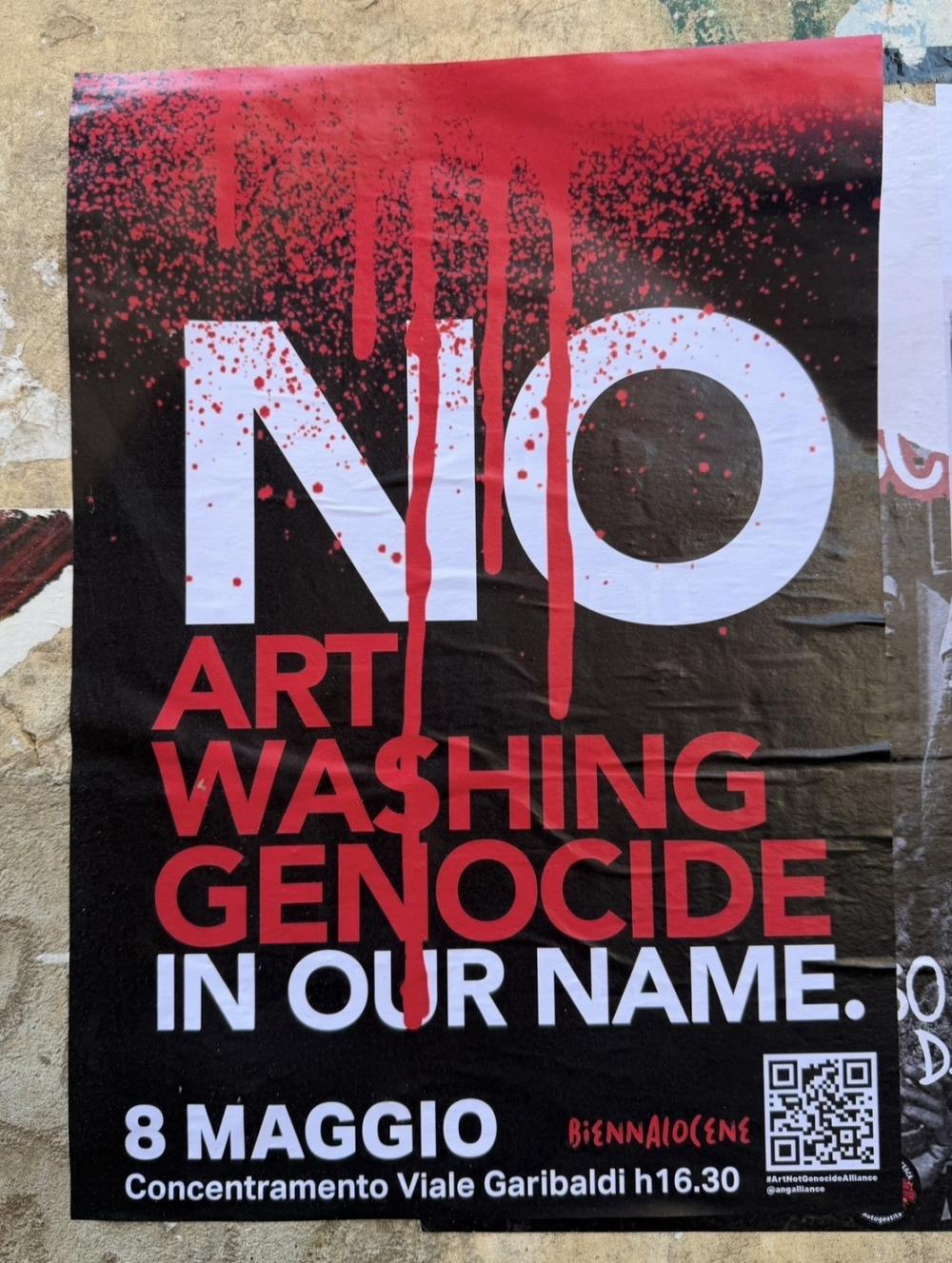
With increasing tension, protests by members of ANGA happened against "art washing" outside the Russia Pavilion in Giardini and Israel Pavilion in Arsenale. Strikes on May 8 at Viale Garibaldi marked noisy discontent with groups including Sale Docks, Biennalocene, Morion and Taring Padi.
As I walked among the crowds of protesters and police, the highly charged atmosphere was hardly for art appreciation with aesthetics in minor keys.
Many leaflets were pasted on artwork without consent of artists that read: "We stand with Palestine because we know by now that the destruction of Palestine is the destruction of the world."
As a result, more than 20 pavilions temporarily closed in fear or as a protest against the protesters. Pussy Riot members clad in black with fluorescent pink balaclavas shouted outside the Russian Pavilion "Russia kills, Biennale exhibits" and "Curated by Putin, dead bodies included".
Venice Biennale has become a reflection of the shattered world and broken dreams we live in. National pavilions are no longer confined to representation of national identities.
My visit to the Russian Pavilion, titled "The Tree Is Rooted In The Sky" and guarded by uniform police, was filled with Russian disco music played by a DJ. Ironically, the Russians opted to open for three days during the preview and then closed permanently.
I found Rose Of Nothingness by Belu-Simion Fainaru at the Israeli Pavilion, which shows a dead rose in the freezer and a room where water drips steadily into a basin inspired by Jewish mythical thought (Kabbalah), quite sad and mournful.
Drops of water are like the tears of victims of the genocide in Gaza. The half-empty American pavilion, with abstract sculptures by Alma Allen, reflects controversy and budget cuts of the National Endowment of the Arts in the troubled times of coercion and control under US President Donald Trump.
Despite Venice Biennale being marred by political feud and protest, there are plenty of outstanding works selected by Kouoh and her curatorial team.
"In Minor Keys", interpreted astutely through layers of voices from the margins, related to diaspora, mysticism and displacement. Viewers will enjoy an exhilarating journey, displayed through 110 artist collectives and organisations with themes on healing, spiritual rest and pause in a world full of violence and turmoil.
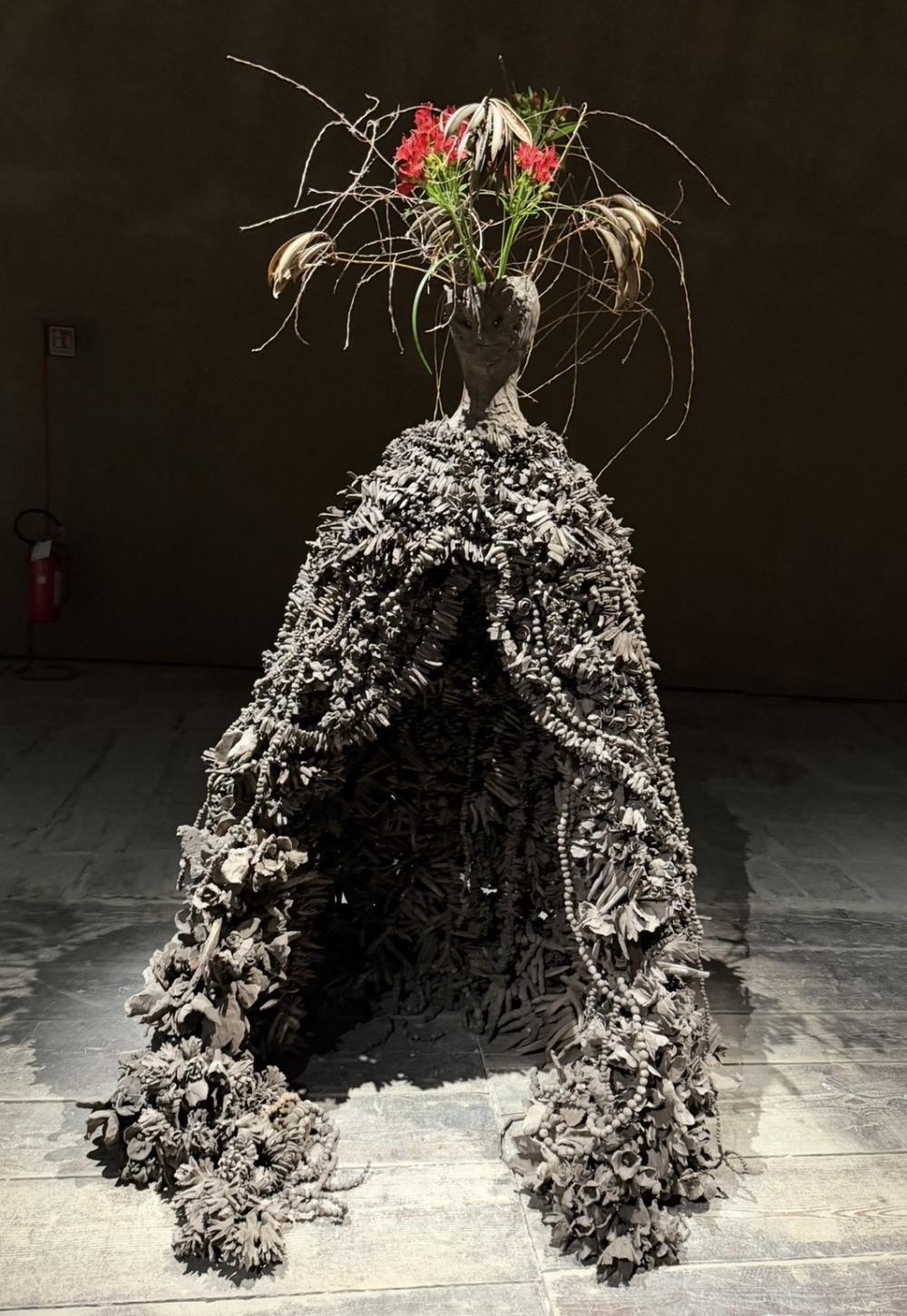
Many have migrant or diasporic backgrounds and a quarter live in Africa. Outstanding works include those by Seyni Awa Camara, Kaloki Nyamai, Kader Attia, Khaled Sabsabi, Berni Searle, Yoshiko Shimada, Buhlebezwe Siwani, Tsai Ming-Liang, Cekia Vasquez Yui, Raed Yassin, Sawangwongse Yawinghwe, Nairobi Contemporary Art Institute, GAS Lagos and RAW Material Company.
With the world facing socio-political tensions and war cries, protests and strikes in the biennale contradict the mass tourism, promotion of luxury brands such as Bulgari and affluent parties among art elites.
Still, many national pavilions, notably Germany, Ukraine, Poland, Cuba, Italy, Argentina, Saudi Arabia and the Nordics, stand out strongly. For Japan, queer artist-parent Ei Arakawa-Nash's Grass Babies, Moon Babies offers viewers the opportunity to hold baby dolls and change diapers inspired by his own twins.
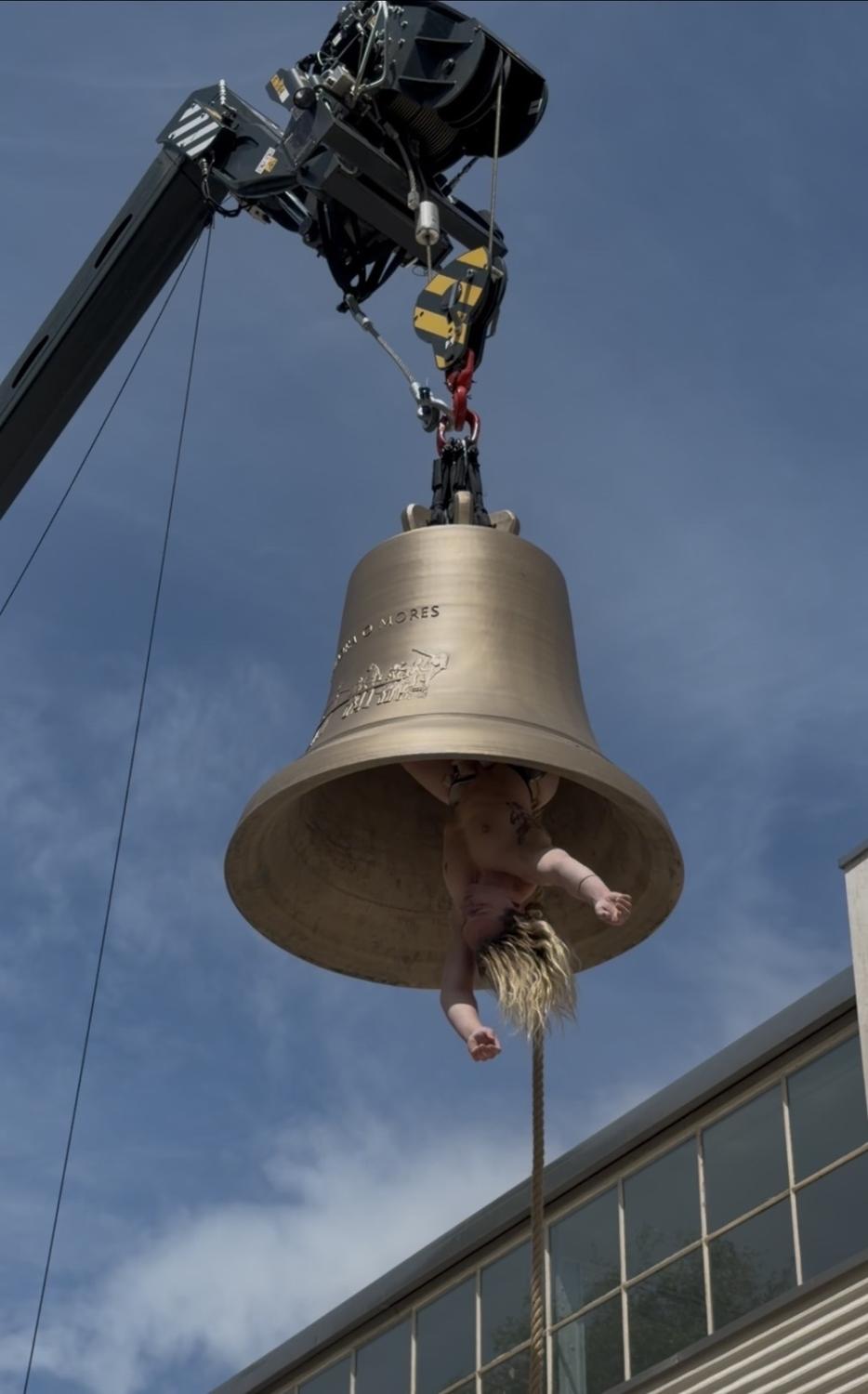
The Indian Pavilion under the theme of "Remembering Home" by four artists features large installations of earth, bamboo and fibre. The most visited though is Seaworld Venice at the Austrian Pavilion, where Florentina Holzinger and her crew combine underwater amusement, sewage and ritual performance.
The Asian pavilions turned out in full force, including Korea, China, Mongolia, Pakistan, Singapore, the Philippines, Vietnam, Indonesia, Hong Kong, Macao and Timor-Leste.
Sadly, Thailand again missed the opportunity to be in the most renowned international art exhibition. Since its last participation in 2019, the Ministry of Culture has failed for a third time to put Thailand on the global art map despite pumping an enormous budget into soft power campaigns. The minister responsible surely needs some soft spanking.
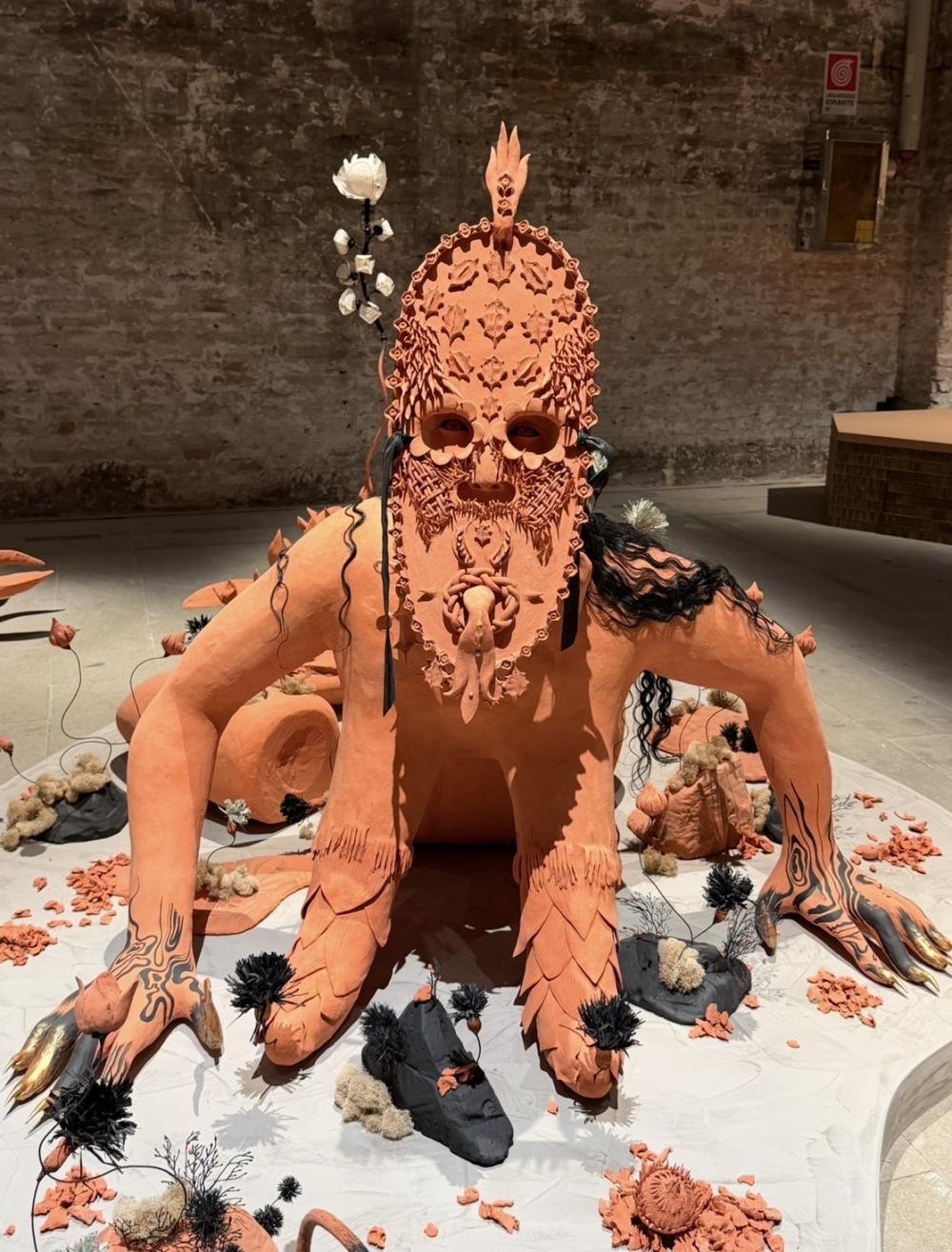
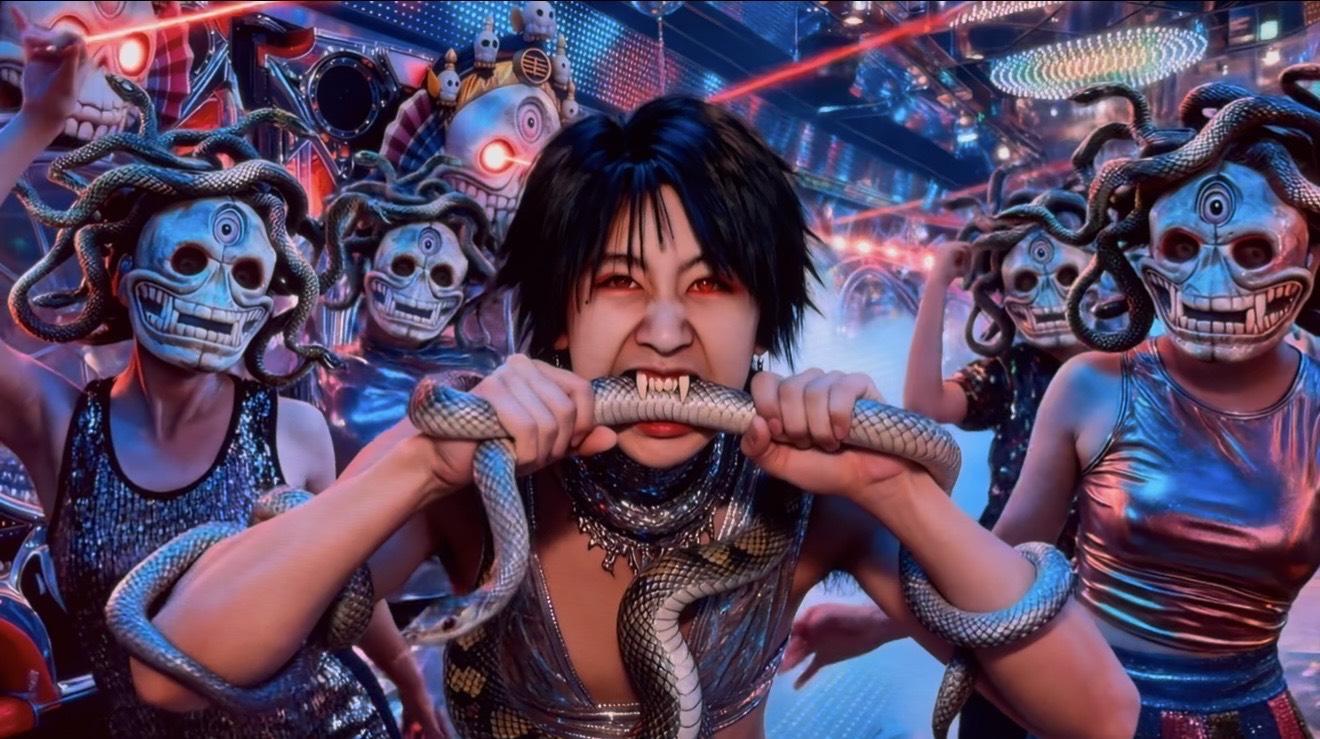
Chinese provocateurs Lu Yang and Li Yi-Fan experiment with video, digital and computer graphics. At the Louis Vuitton Foundation, Yang travels through digital hell with serpents and monsters. Yi-Fan's simulation of self and puppets imprisoned in the cell at Palazzo delle Prigioni is full of humour, yet also macabre.
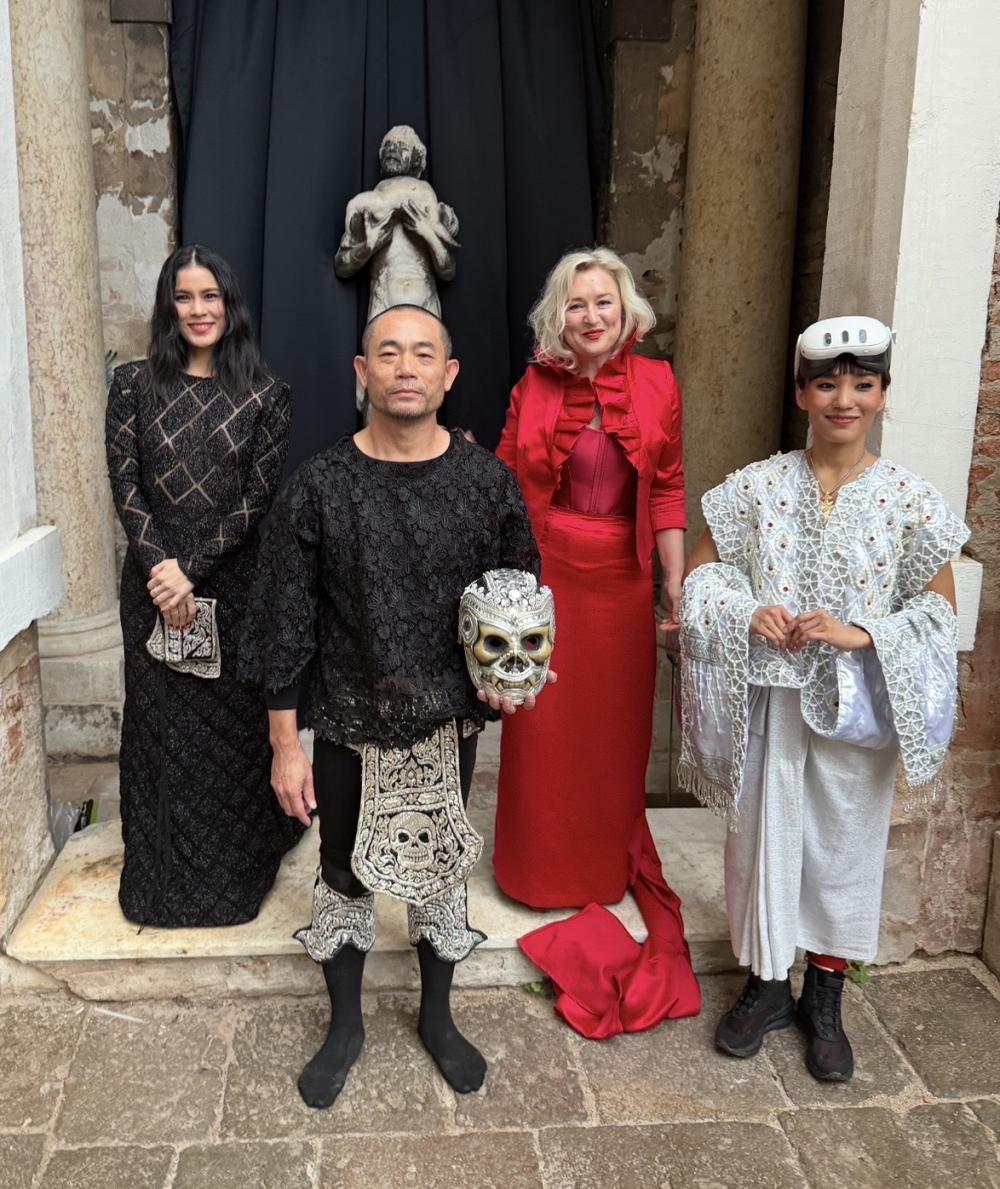
"The Spirits Of Maritime Crossing" exhibition selected as official collateral of the Biennale displays works by 20 artists from Southeast Asia, Serbia and Ireland. ArtAsiaPacific magazine announced this show as one of the standout collateral events in the Biennale.
The exhibition, sponsored by Thai Beverage, One Bangkok, Tourism Authority of Thailand and private sectors, includes Thai artists Pichet Klunchun, Wasinburee Supanichvoraparch, Torlarp Larpcharoensook, Sornchai Phongsa, Ruangsak Anuwatwimon, Mutmee Pimdao Panichsamai, Parada Wiratsawee, Kornkarn Rungsawang and Teerapon Sisung at Palazzo Rocca Contarini Corfu. The exhibition is on view until Aug 2.
Prof Apinan Poshyananda is chief executive and artistic director of Bangkok Art Biennale and curator of "The Spirits Of Maritime Crossing 2026" at the Venice Biennale.