As the global gas market grapples with the Strait of Hormuz being all-but closed for nearly three months, traders are fixated on two wildcards: China and the weather.
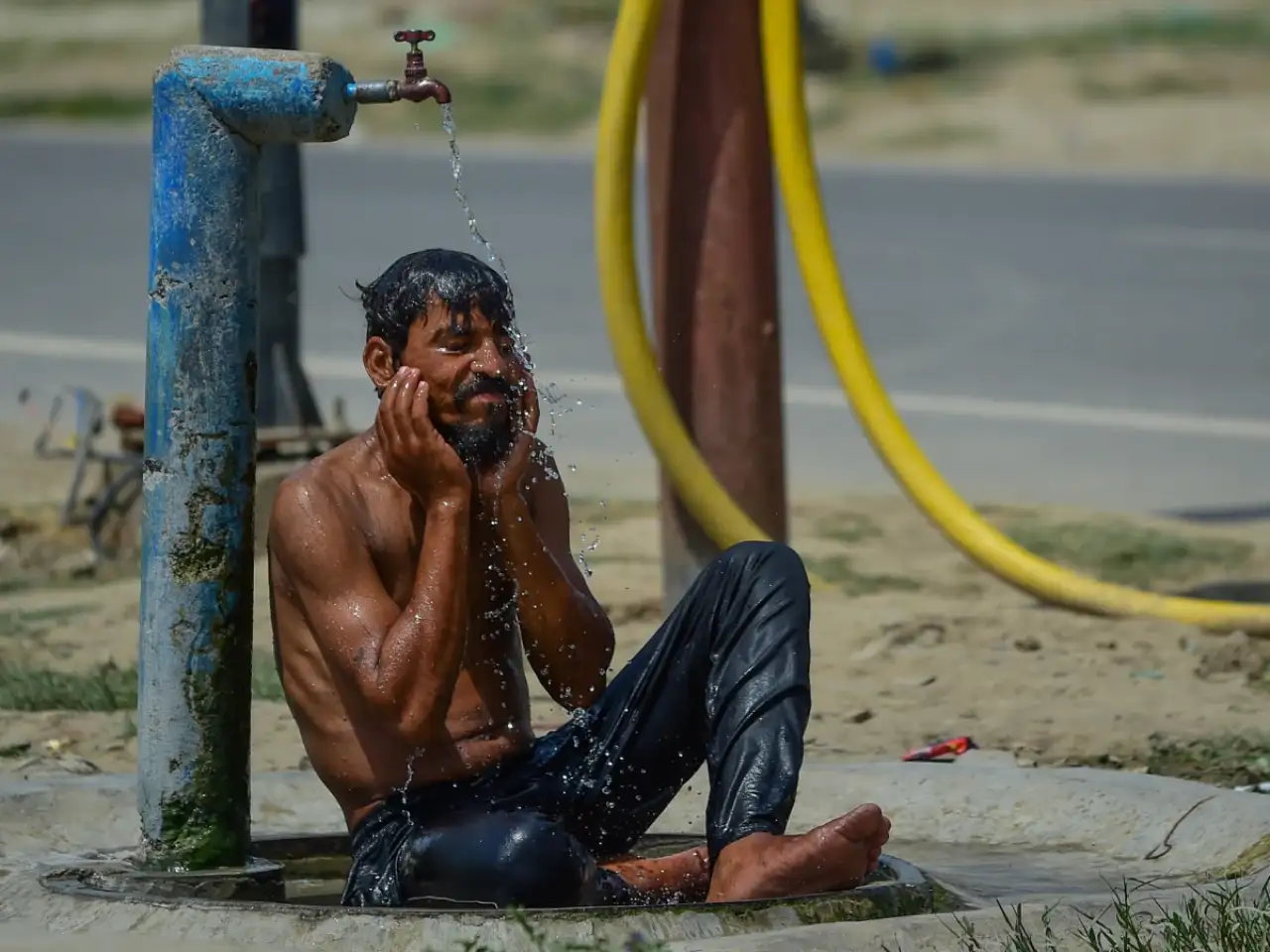
Summer forecasts are pointing to higher-than-normal temperatures across Asia, while an El Niño weather pattern could make things even hotter. That will boost air-conditioning use and strain power grids when energy prices are already elevated. The key risk is the heat triggers stronger demand in China, the world’s No. 1 liquefied natural gas buyer.
The conflict in the Middle East has choked a fifth of global LNG supply, but that hasn’t resulted in extreme price spikes seen during previous energy crises. That’s mainly down to weaker Chinese imports in March and April, but signs of a rebound in the country’s purchases are raising the prospect of fiercer global competition at a time when Europe will need to replenish inventories ahead of winter.
Also read: Truck operators reel as diesel crunch pushes freight rates higher
“The full impact of the Strait of Hormuz closure has not yet been felt because we have been in the soft shoulder season for demand,” said Saul Kavonic, an energy analyst at MST Marquee. “LNG prices could rise a further 50% through August if the Strait remains largely closed.”