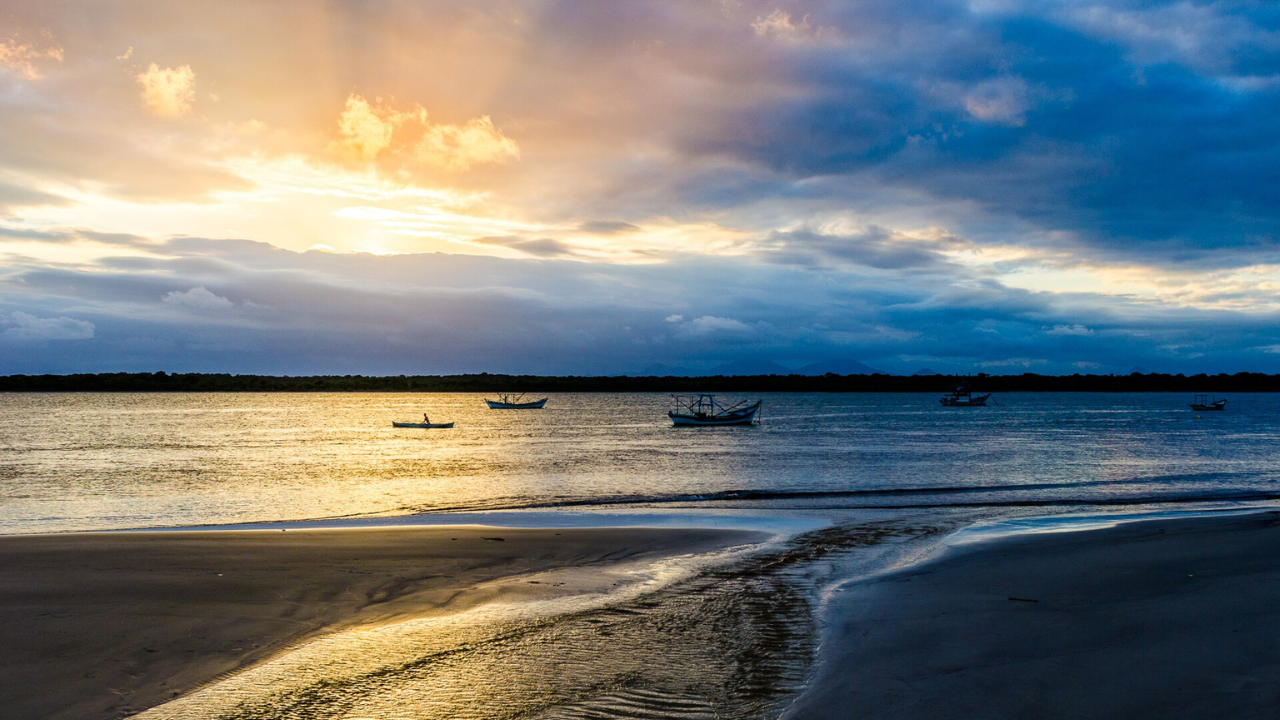
Barra do Superagui is a small coastal village in southern Brazil where the sound of engines is almost absent, streets are still made of sand, and daily life is carried out at a slower pace than in most seaside towns. There are no cars weaving through traffic, no paved roads connecting the community to nearby cities, and no bridges linking it to the mainland. Instead, boats remain the primary means of transportation for residents, visitors and supplies. Home to roughly 2,000 people, the village sits inside Superagui National Park, which is a protected area known for its Atlantic Forest, mangroves and rich marine biodiversity. According to Diário do Litoral , reaching Barra do Superagui requires a boat trip from the mainland, a journey that has helped preserve both the village’s traditional character and its surrounding environment.
Get breaking news anytime, anywhere. Download the TOI app now!
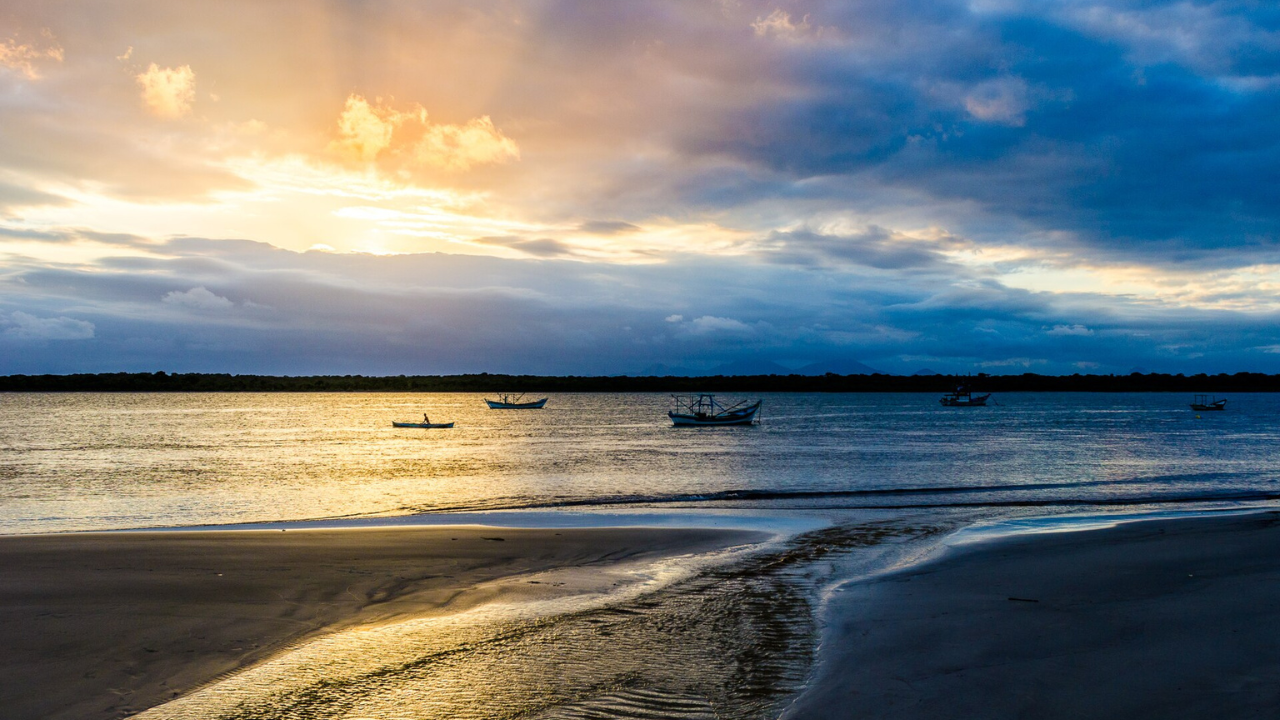
A community where boats replace cars
Everyday routines revolve around the tides, without roads connecting the island to the mainland. Fishing boats transport residents, groceries, construction materials and tourists, while narrow sandy lanes are shared by pedestrians, bicycles and the occasional handcart. The absence of motor vehicles has constantly transformed the village’s layout for generations, leaving homes, guesthouses and small shops clustered along quiet pathways shaded by native vegetation. According to Brazil’s Chico Mendes Institute for Biodiversity Conservation (ICMBio) , Superagui National Park was established in 1989 to protect one of the country’s most important coastal ecosystems, including Atlantic Forest, mangroves, estuaries and restinga vegetation. The park also forms part of the Atlantic Forest South-East Reserves, a UNESCO World Heritage Site recognized for its exceptional biodiversity.
Isolation has helped preserve both culture and wildlife
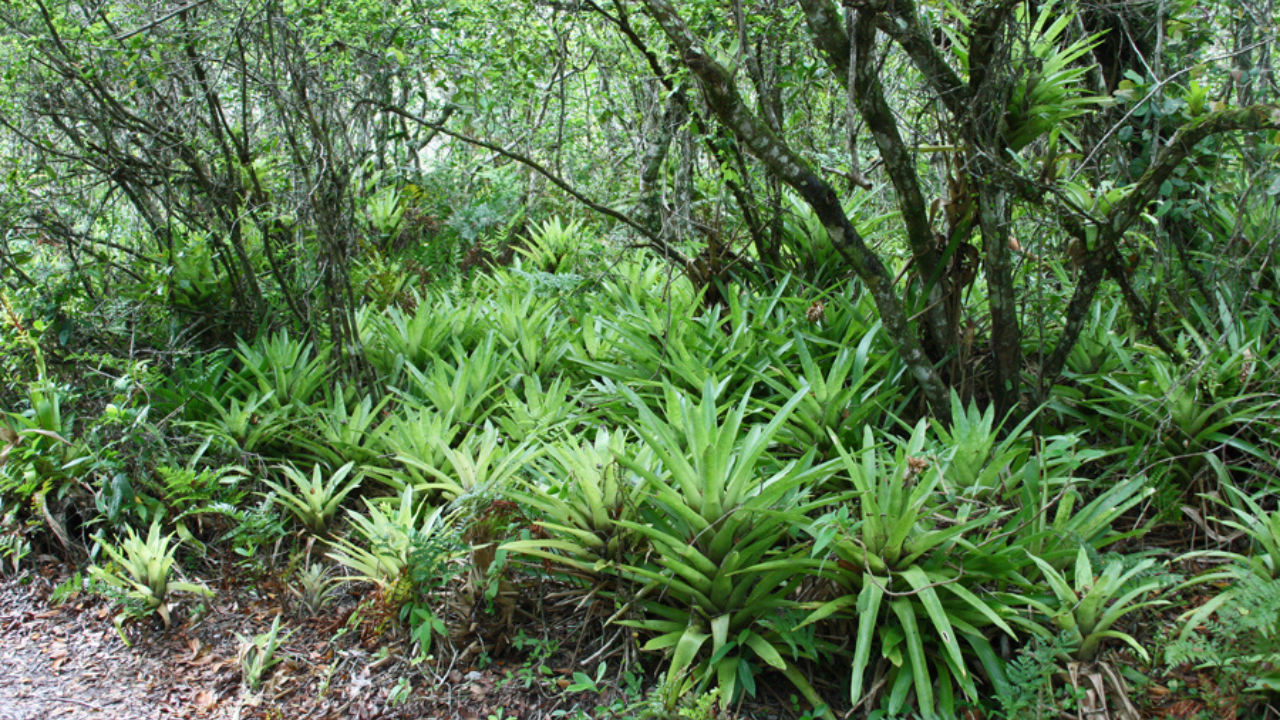
The unique isolation of Barra do Superagui has been effective in shielding it from the tourism developments that have transformed numerous coastal destinations in Brazil into busy hubs. As a result, the village continues to thrive with its rich traditional caiçara culture, in contrast to the common beachfront resorts and congested roads found elsewhere. Local families primarily depend on artisanal fishing, along with small guesthouses and community-oriented tourism ventures. According to information from Brazil's Chico Mendes Institute for Biodiversity Conservation (ICMBio), the area's allure lies in its more than 40 kilometers of untouched beaches, intricate mangroves, serene estuaries, trails through the flourishing Atlantic Forest, and the opportunity for boat excursions in protected waters where visitors often catch sight of Guiana dolphins. Established in 1989, the adjacent Superagui National Park plays a vital role in the region by safeguarding endangered wildlife, including the rare red-tailed amazon (papagaio-da-cara-roxa) and the critically endangered black-faced lion tamarin. This status marks Barra do Superagui as one of the most crucial coastal conservation areas across Brazil.
Because of road connectivity to the island from the mainland, residents depend entirely on boats for healthcare, education, groceries and other essential services, while tourists plan their visits around ferry schedules, tides and weather conditions. According to UNESCO , Superagui National Park forms part of the Atlantic Forest South-East Reserves, and was designated a World Heritage Site in 1999 for preserving one of the world’s richest concentrations of Atlantic Forest biodiversity. That combination of environmental protection and geographic isolation has helped Barra do Superagui retain a way of life that has disappeared from much of Brazil’s coastline, where sandy streets, fishing boats and pedestrian pathways continue to structure daily life instead of highways and traffic.