Spending time outdoors has become a welcome break from constant notifications and packed schedules. For many first-time campers, the idea of unplugging and sleeping under the stars feels both exciting and slightly intimidating. Camping offers a chance to reset, but it also requires more preparation than people often expect. Without the right plan, small oversights can quickly turn into frustrating moments that take away from the experience.
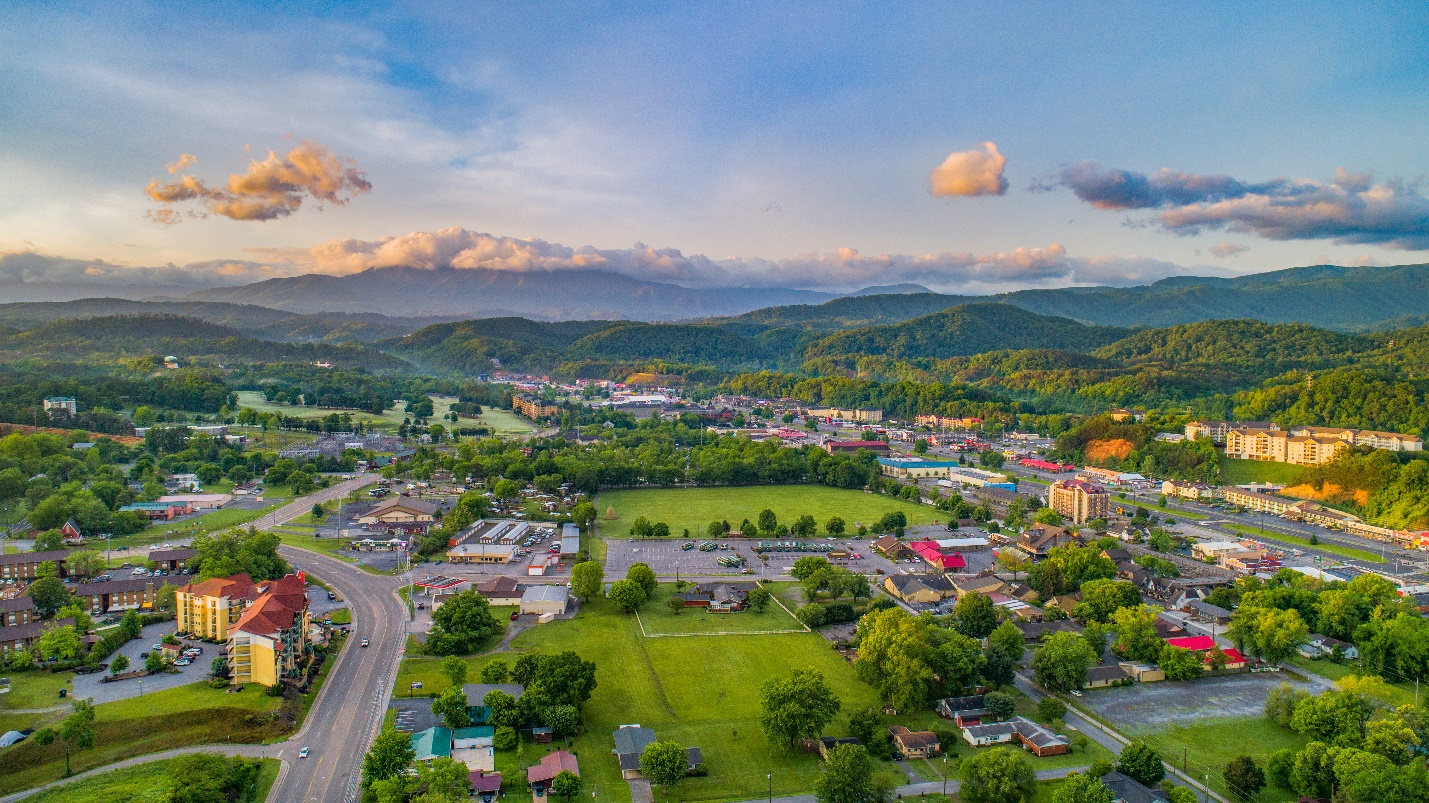
One of the most important decisions early on is where to stay. Locations like Pigeon Forge, Tennessee, near the entrance to the Great Smoky Mountains National Park, are especially popular because they combine natural beauty with easy access to shops and attractions. Choosing a spot that offers both scenery and convenience helps beginners ease into outdoor living without feeling overwhelmed. With a thoughtful approach and the right home base, your first camping trip can feel comfortable, organized, and genuinely enjoyable from the start.
Choosing Your Environment: Finding the Right Balance Between Comfort and Adventure
When planning your first trip, the type of campground you choose can make a big difference in your overall experience. Some sites are very basic, offering only the essentials, while others include amenities like restrooms, showers, and electrical hookups. Understanding this difference helps you decide what level of comfort you need.
For beginners, it usually makes sense to start with a more comfortable setup. RV-friendly campgrounds are especially helpful because they provide hookups and easy access to essential services. This added convenience reduces uncertainty and allows you to focus more on enjoying the outdoors rather than managing every detail. If you are looking for an RV campground in Pigeon Forge TN, there are plenty of options to choose from. Camp RiversLanding, for example, combines riverside views with RV-friendly amenities, helping beginners settle in with ease while staying close to both nature and nearby attractions.
The Essential Gear Checklist: What You Truly Need (and What You Don’t)
Packing for your first camping trip can feel overwhelming, especially with so many gear options available. The key is to focus on essentials rather than trying to prepare for every possible scenario. Start with a sturdy tent, sleeping bags suited for the expected temperatures, and a comfortable sleeping pad. Lighting is another must, whether it’s a headlamp or a lantern, since campsites can get very dark after sunset.
It also helps to think practically about how each item will be used. Choose gear that serves more than one purpose when possible, and avoid packing things you won’t actually need. Before you leave, set up your tent at home so you understand how it works. This simple step can save time and reduce stress once you arrive, especially if you’re setting up near dusk.
Outdoor Kitchen 101: Simple Meals and Safe Cooking Practices
Food planning is one of the easiest ways to improve your camping experience. Instead of trying complicated recipes, stick with simple meals that require minimal equipment. Pre-made sandwiches, foil packet dinners, and easy breakfasts like oatmeal or eggs work well for beginners. Preparing ingredients at home ahead of time also reduces effort and keeps your campsite organized.
Safety is just as important as convenience when cooking outdoors. Always keep your cooking area separate from where you sleep, and make sure fires are fully controlled and extinguished after use. Use proper cookware designed for campfires or portable stoves, and never leave food out overnight.
Navigating Weather and Wildlife: Staying Prepared and Protected
The weather can shift quickly outdoors, especially in mountainous regions. Even if the forecast looks clear, temperatures often drop at night, so layering is essential. Pack lightweight clothing you can add or remove easily, along with a waterproof jacket, just in case. Checking the forecast the day before you leave and again on the morning of your trip helps you avoid surprises and adjust your packing list.
Wildlife awareness is just as important as weather prep. Store all food in sealed containers or designated lockers if the campground provides them. Avoid leaving snacks or trash out overnight, as this can attract animals. Keep your campsite clean and organized to reduce risk. These simple habits help you stay safe while protecting the environment.
Setting Up Camp: Avoiding Common Beginner Mistakes
Choosing the right spot for your tent makes a big difference in comfort. Look for flat, dry ground that sits slightly elevated to prevent water from collecting if it rains. Avoid areas directly under trees with loose branches, and pay attention to wind direction when positioning your tent. Taking a few extra minutes to pick a good location can save you from a restless night.
Organization also plays a key role in a smooth camping experience. Keep your sleeping area separate from your cooking space to maintain safety and cleanliness. Store gear in a consistent place so you can find things quickly, especially after dark. Arriving early in the day gives you enough time to set everything up properly without rushing or feeling stressed.
Activity Planning: Mixing Relaxation with Exploration
It’s easy to overpack your schedule when you’re excited about a new experience, but camping works best with a balanced approach. Plan a few simple activities, such as short hikes, scenic walks, or visits to nearby attractions. At the same time, leave room for unstructured time so you can relax and enjoy the setting without feeling rushed.
Researching your destination ahead of time helps you identify what’s worth exploring. Look into nearby trails, viewpoints, or local spots that fit your comfort level. Choosing one main activity per day keeps things manageable while still giving you something to look forward to.
Making Your First Camping Trip Count
A successful first camping trip comes down to preparation and thoughtful choices. Picking the right environment, packing essential gear, and keeping meals simple all contribute to a smoother experience. When you also plan for weather changes and stay mindful of wildlife, you reduce unnecessary stress and stay focused on enjoying your time outdoors.
With a bit of planning, camping becomes much more approachable than it might seem at first. Starting with a comfortable setup helps build confidence and makes the experience more enjoyable. Once you’ve completed your first trip, you’ll have a better sense of what works for you and be ready to plan the next one with even more ease.