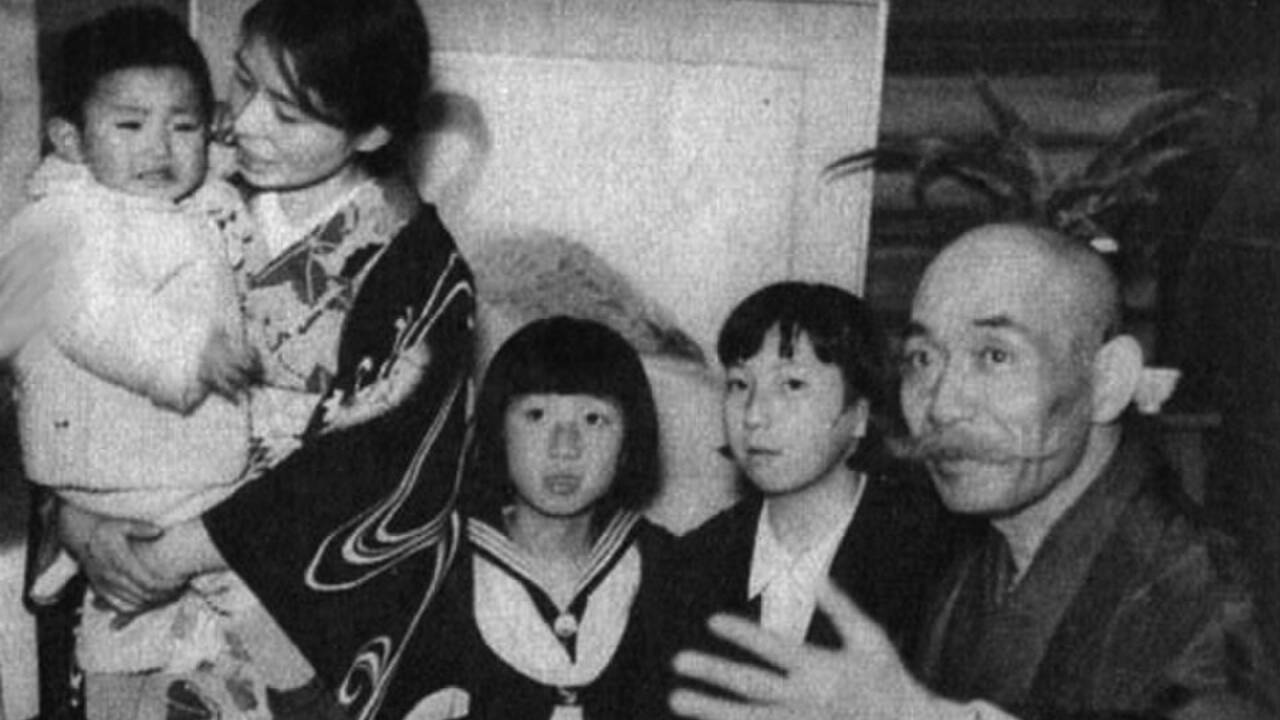
For most parts of the world, family businesses are often passed down from parents to their biological children; however, Japan has long embraced a different tradition where, rather than handing leadership automatically to a son by birth, many Japanese family firms adopt adult heirs, often talented managers or the husbands of daughters, to preserve family business across generations. Although the practice may seem unusual to many, research suggests that it can have measurable business benefits. According to a 40-year study titled Adoptive expectations: Rising sons in Japanese family firms , Japanese family firms led by adopted heirs frequently outperform those managed by biological sons, underscoring how merit-based succession can strengthen long-term corporate performance.
Get breaking news anytime, anywhere. Download the TOI app now!
Japan’s unique adoption system
Unlike the adoption systems common in many countries, Japan has a long history of adopting adults, known as mukoyoshi, in which an adult man is legally adopted into a family to inherit both surname and business. Notably, this practice is common when business owners have no suitable biological sons or believe that an outsider possesses better leadership qualities. Furthermore, in many cases, the adopted heir is married to the business owner’s daughter, thus ensuring both family continuity and managerial stability. According to Vikas Mehrotra, Randall Morck, Jungwook Shim and Yupana Wiwattanakantang, this practice enables family firms to recruit successors based on competence rather than birth order, making succession decisions look more like executive recruitment than hereditary inheritance.
To test whether adopted heirs actually improve family businesses’ performance, researchers analysed nearly four decades of succession data from publicly listed Japanese family firms. According to the study, the firms led by adopted heirs consistently outperformed those managed by biological sons across multiple financial indicators. Additionally, the authors argue that the ability to select capable successors from a larger talent pool allows business owners to appoint leaders with stronger managerial skills than they might otherwise find within the family. Therefore, rather than treating adoption as a last resort to save their business, Japanese families view this as a strategic tool for preserving competitiveness across generations.

The study also suggests several reasons for the performance gap, with one major reason likely being, adopted heirs often undergo a scrutinised selection process before joining family firms. Thus, instead of inheriting leadership only because they were born into the family, the adopted heirs are frequently chosen after proving their professional ability, educational achievement or management experience. Additionally, the authors highlight that oftentimes the adopted successors face greater expectations once appointed, as having been selected specifically for their capabilities, they experience stronger pressure to justify the family’s confidence, potentially leading to higher levels of commitment to the job.
Japan’s different model of family succession
The findings challenge the idea that family ownership and merit-based management are inherently incompatible. Instead, the researchers suggest Japan’s adoption system allows firms to preserve family control while also expanding the pool of potential successors beyond immediate family, and thus business can maintain continuity without sacrificing its managerial quality. Notably, the study gained international attention because it suggests that succession planning might be one of the most crucial determinants of long-term family business success. The study's authors conclude that, within their sample of publicly listed family firms, succession through adult adoption was associated with stronger firm performance as compared to succession by biological sons. The authors interpret this conclusion as evidence that Japan's adult adoption system may allow families to prioritise managerial competence over lineage when choosing successors.