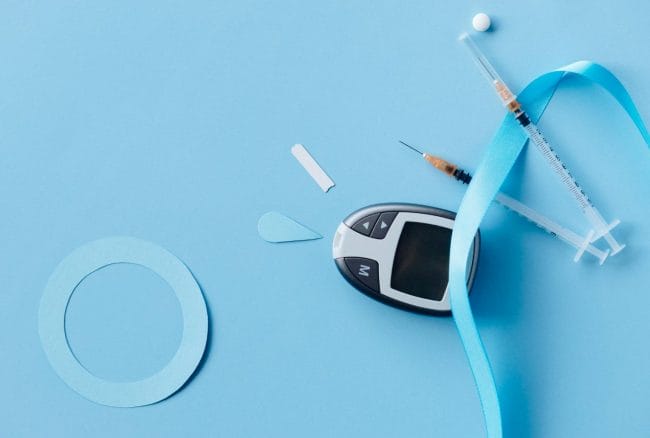
For millions of Americans living with Type 1 diabetes, every day revolves around insulin shots, glucose monitors, meal planning, and the constant fear of dangerous blood sugar swings. That is why a small but groundbreaking clinical trial in Chicago is creating massive buzz in the medical world. Researchers reported that all 10 participants receiving an experimental stem-cell-based treatment achieved insulin independence within months of therapy. While experts warn it is still too early to call this a diabetes cure, the results are among the most promising ever seen in Type 1 diabetes research. Patients who once depended on daily insulin injections are now producing their own insulin naturally, giving many families renewed hope for the future.
Why This Chicago Diabetes Trial Is Turning Heads
The trial involved an experimental therapy designed to replace damaged insulin-producing cells in the pancreas. Scientists used stem-cell-derived islet cells that were infused into patients with severe Type 1 diabetes who struggled with dangerous low blood sugar episodes. According to early data presented by researchers connected to the University of Chicago and biotech company Vertex Pharmaceuticals, every participant eventually achieved insulin independence after treatment. That means none of the patients required external insulin to manage their blood sugar levels during the monitored period. For a disease long considered lifelong and irreversible, those results immediately captured global attention.
How The Experimental Treatment Actually Works
Type 1 diabetes develops when the immune system mistakenly attacks insulin-producing beta cells inside the pancreas. Without insulin, the body cannot properly regulate blood sugar, which can lead to severe complications affecting the heart, kidneys, eyes, and nerves. This new treatment attempts to solve the problem by replacing those destroyed cells with lab-grown islet cells capable of producing insulin again. Doctors infuse the cells into the liver, where they begin responding to blood sugar levels much like natural pancreatic cells. Patients in the study still needed immune-suppressing medications to prevent rejection, which remains one of the biggest hurdles before widespread use becomes possible.
Real-Life Impact For Patients Living With Type 1 Diabetes
The emotional impact of insulin independence may be just as important as the medical breakthrough itself. Many Type 1 diabetes patients live with constant stress about nighttime blood sugar crashes, emergency hospital visits, or long-term complications. One participant reportedly went from checking glucose levels multiple times daily to maintaining stable readings without insulin injections for months. Parents of children with Type 1 diabetes are especially hopeful because managing the disease often requires around-the-clock monitoring and strict routines. Even temporary insulin independence could dramatically improve quality of life for patients exhausted by years of relentless disease management.
Why Experts Are Excited — But Still Cautious
Medical researchers are calling the results extraordinary, but they are also emphasizing caution because the trial remains very small. Ten patients is not enough to prove long-term safety or guarantee the same results across broader populations. Immune suppression drugs also carry risks, including infection concerns and possible side effects that may not be acceptable for every patient. Some experts believe future versions of the therapy may eventually avoid the need for immune suppression entirely, which could make insulin independence safer and more practical. Until larger studies are completed, doctors say patients should avoid viewing the treatment as a guaranteed diabetes cure just yet.
Could This Treatment Become Widely Available Soon?
The path from successful trial to public availability can take several years, even with promising results. Researchers must complete larger clinical studies, monitor long-term outcomes, and satisfy strict FDA safety requirements before approval happens. Cost is another major question because advanced cell therapies are often extremely expensive during early rollout phases. Still, momentum is clearly building as biotechnology companies continue investing heavily in regenerative medicine and diabetes research. If future trials continue showing strong insulin independence rates, experts believe the treatment could eventually transform how Type 1 diabetes is managed worldwide.
What’s Behind This Medical Breakthrough
For decades, most Type 1 diabetes treatments focused on managing symptoms rather than restoring natural insulin production. This Chicago trial represents a different strategy that aims to repair the underlying biological problem instead of simply controlling blood sugar levels. While challenges remain, many researchers believe regenerative medicine could reshape the future of chronic disease treatment over the next decade. Patients should still continue following their doctor’s guidance, monitoring glucose carefully, and avoiding unproven “miracle cure” claims online. But for the first time in years, the possibility of lasting insulin independence feels closer to reality than ever before.
What Comes Next For Diabetes Treatment?
The excitement surrounding this Chicago study reflects how quickly diabetes research is evolving. Although experts caution that more testing is needed, the possibility of achieving insulin independence is offering new hope to patients and families worldwide. Advances in stem-cell technology and regenerative medicine could eventually lead to safer and more accessible therapies for Type 1 diabetes. For now, patients should stay informed, follow trusted medical advice, and remain cautious about exaggerated online claims.
What do you think about this breakthrough, and could this experimental treatment change the future of diabetes care? Share your thoughts and experiences in the comments below.
What to Read Next
Doctors Say Many People Ignore This Nighttime Symptom Linked to Diabetes
Podiatrists Say: Stop Wearing These 6 Types of Shoes if You Have Diabetes
The post A 4-Week Diabetes Miracle? All 10 Patients in a Chicago Trial Achieved Insulin Independence — Could This Cure Be Coming Soon appeared first on Budget and the Bees.