
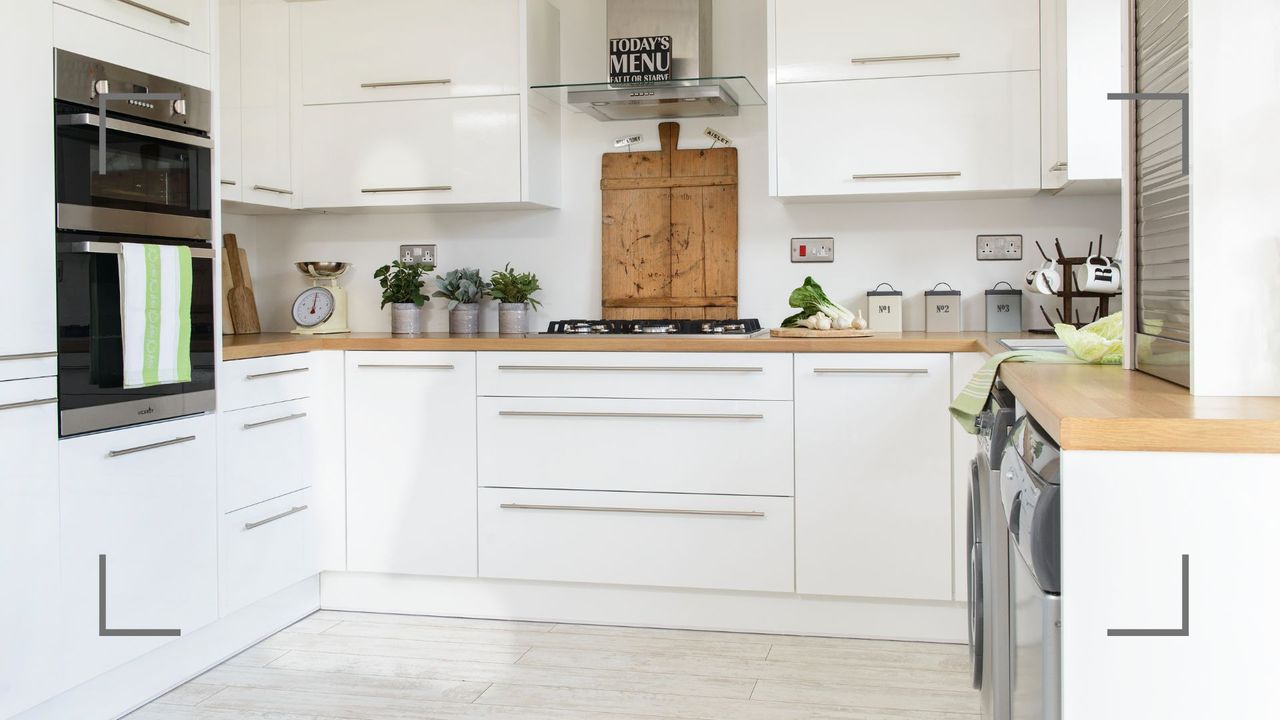
There is something undeniably appealing about a crisp, all-white kitchen scheme. Clean, fresh, airy and perfect for creating a serene backdrop for the chaos that can sometimes descend on what is often the busiest room in a house.
As kitchen trends go, white is rarely out of favour, yet for all the plus points of a gleaming white kitchen, it can often feel a little sterile and soulless if not designed with care.
Whether you are currently the owner of an all-white kitchen lacking personality, or are sold on the idea of installing a brand-new alabaster kitchen, there are plenty of ways to ensure it feels warm, welcoming and reflects your personality. Here's what the interior design experts we've spoken to suggest...
9 ways to warm up a white kitchen without redecorating
An all-white kitchen need not feel cold and clinical with a few simple design considerations, from adjusting light colour temperatures to adding textiles. Design experts share their simple ways to warm up a white kitchen without completely overhauling the neutral colour scheme.
1. Adjust your lighting scheme
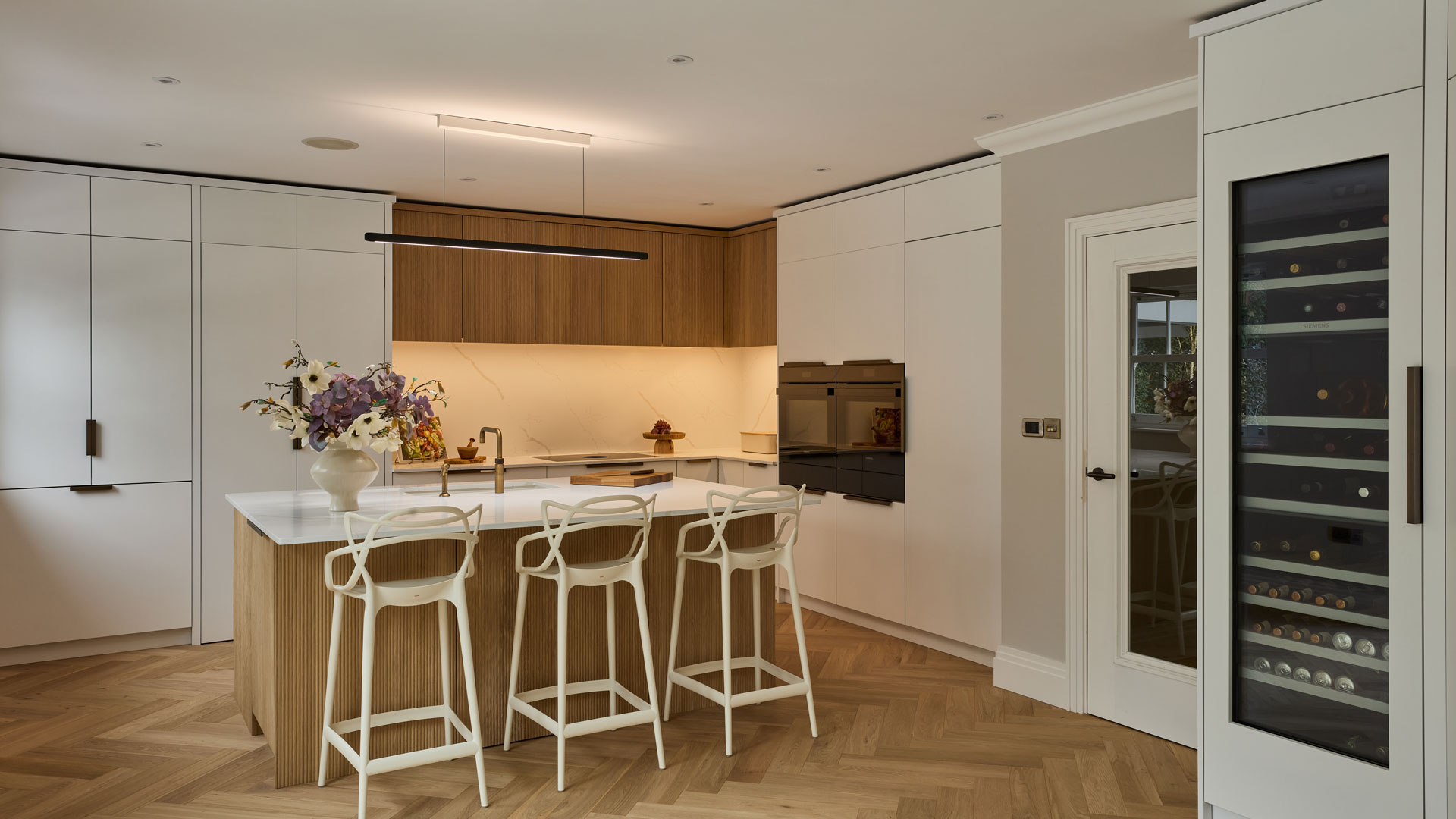
A layered lighting scheme has to be one of the best ways to visually warm up and add depth to any space, particularly those lacking in colour.
“One of the easiest ways to transform a kitchen is by upgrading your lighting,” says James Kendall, operations director at KES Lighting & Home. “Swapping out a dated pendant for a modern statement light or adding stylish wall sconces can completely change the look and feel of the space.”
James goes on to suggest a few quick and affordable steps to take. “Installing LED strip lights or puck lights beneath cabinets is a simple but highly effective upgrade,” James explains. “It improves visibility for tasks, adds a warm glow in the evenings, and instantly gives your kitchen a more high-end finish.
“If you’re not ready to update fixtures, start with your bulbs,” adds James. “Switching to warm white LEDs or smart bulbs that dim and change tone can dramatically enhance the mood without any rewiring. Also, a small table lamp on a kitchen counter or shelf brings unexpected charm and softness."
"Finally, introducing gentle illumination through pendants or small feature lights above an island or breakfast area can help the room feel welcoming once the meal prep and cooking is finished. It also prevents the space from becoming too stark in the evening. And don't forget to consider how reflective your surfaces are, as glossy counters and tiles are best paired with a diffused light to avoid any glare."
Rechargeable lamps really do come in handy in kitchens. Being cordless means you can pop them wherever you heart desires. This one is a lovely olive green and its simple form is perfect for minimalist spaces.
2. Layer up thoughtful details
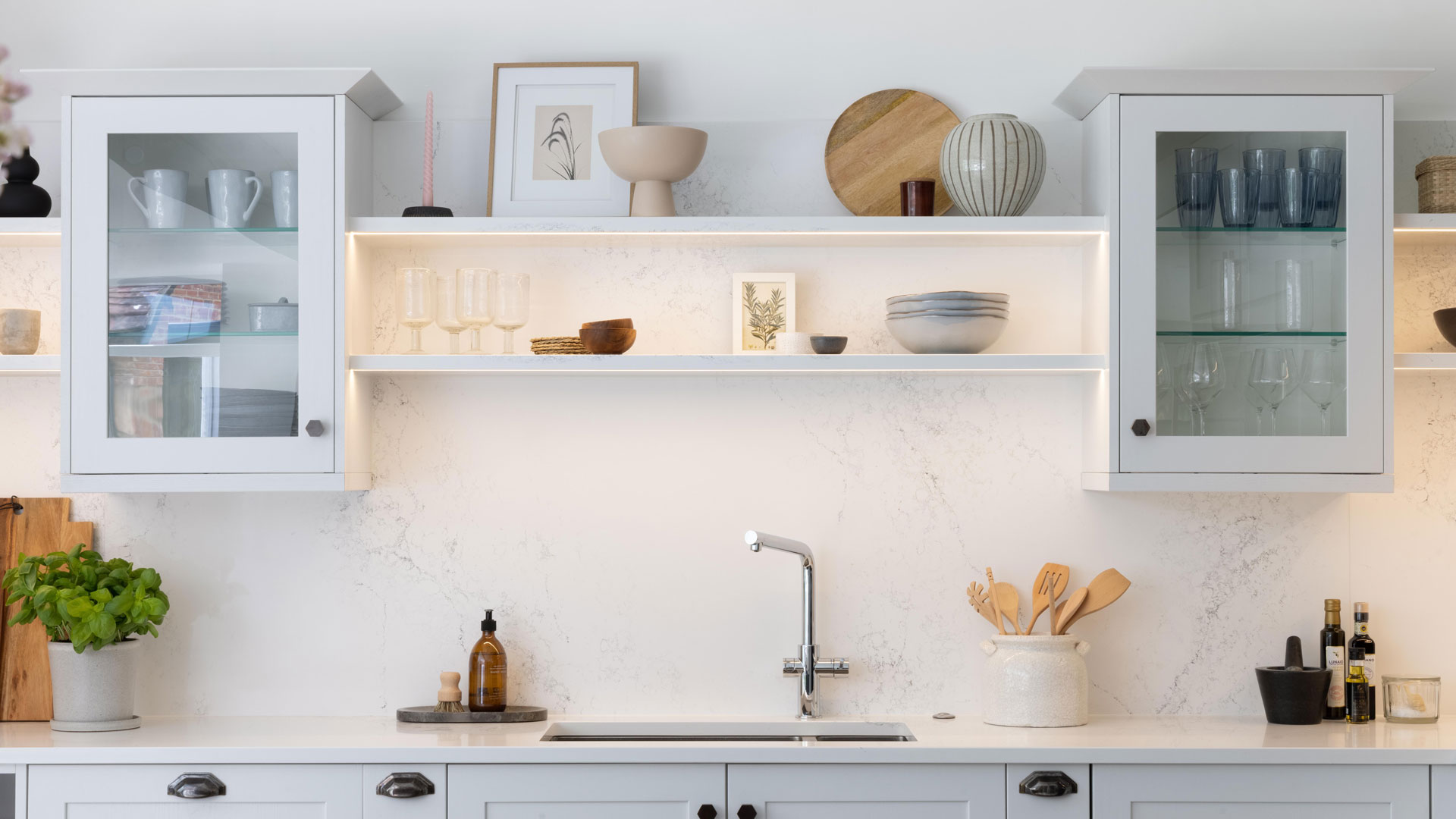
Even the staunch minimalists out there should keep an open mind to incorporating a few artfully-placed details into their kitchen scheme if they want to avoid it looking stark – this is a great way to make a kitchen feel cosy.
“A white kitchen has an enduring appeal because it feels light and adaptable, but it relies on detail to stop it falling flat," points out Charlotte Butler, kitchen design manager at BK Eleven. "Rather than seeing it as something that needs correcting, it helps to treat white cabinetry as a calm architectural backdrop. That neutrality creates room for layered elements to come forward and give the space character.
"In practical terms, warmth can be introduced through objects you already live with," continues Charlotte. "Timber chopping boards propped against a splashback, hand-thrown ceramics on open shelves or everyday glassware left out on display will soften the crispness of white without altering the structure of the room.
Artwork, stacked cookbooks and plants introduce colour in a way that feels personal rather than decorative, and they can be refreshed over time as tastes shift."
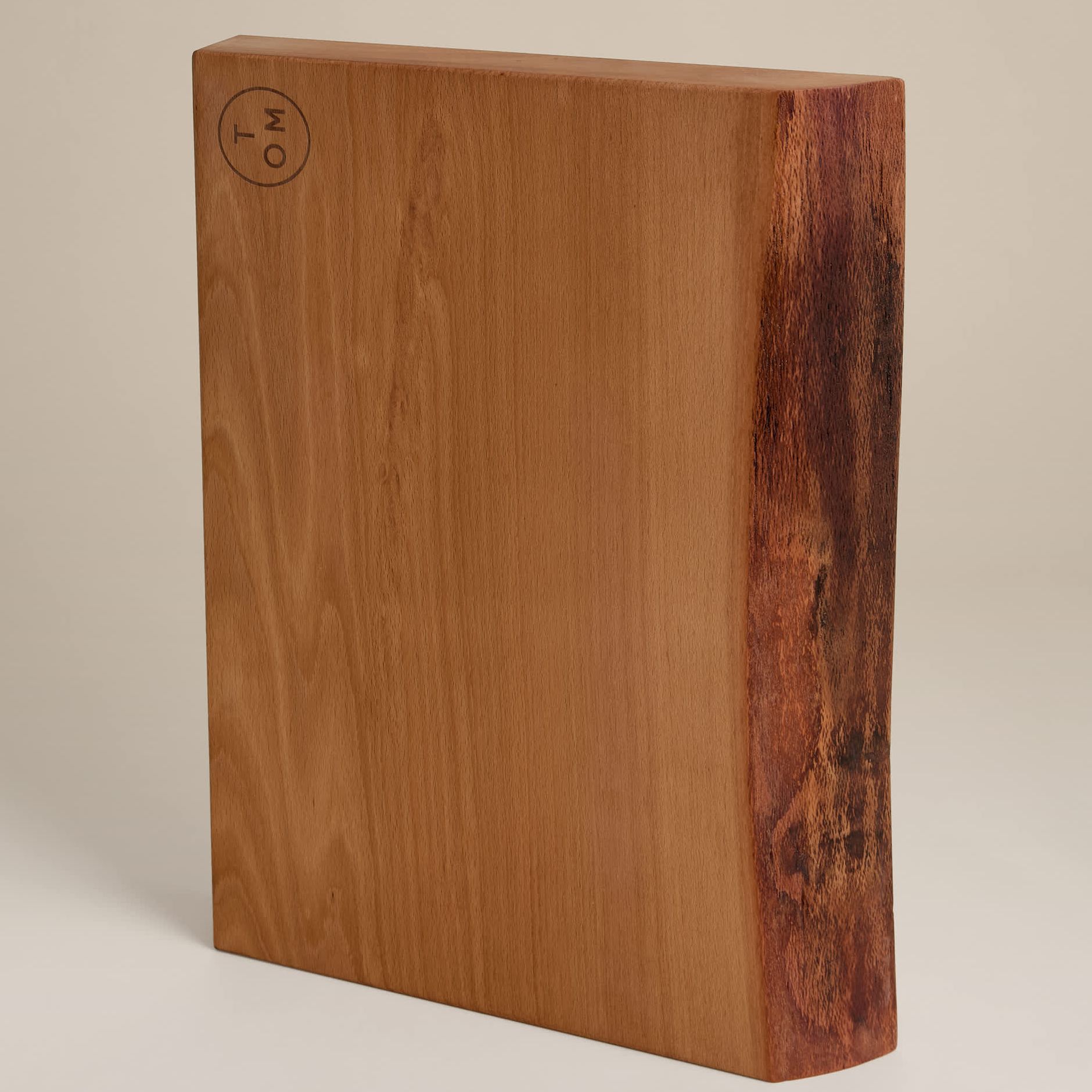
This captivating, raw-edged chopping board will not only come in handy for food prep but should also add a stylish, rustic touch to your kitchen.
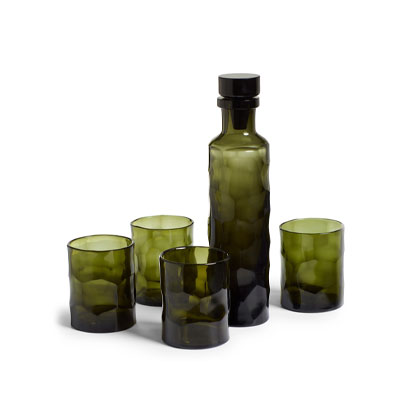
Leaving glassware out on display is a great way to add a pop of colour – and these striking deep green tumblers are just the thing. A matching decanter is also available.
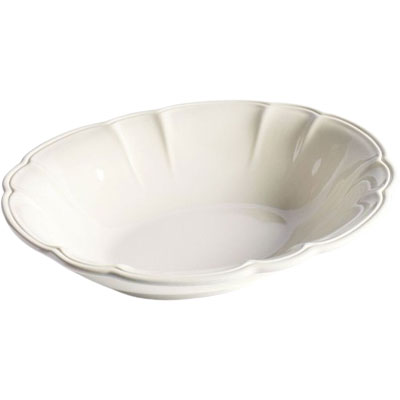
At 39cm wide, this pretty scalloped serving bowl will come in handy when entertaining, but would work equally as well as a simple yet impactful decorative piece. The curved silhouette invites subtle shadows that add depth and intrigue.
3. Welcome warmth with flooring
Kitchen flooring choices are just as much of a backdrop as your wall colours, making this a brilliant area from which to inject a little warmth – wooden flooring is a great way to do this.
"Think soft honey hues, pale oaks or Scandinavian-inspired finishes that gently reflect daylight and create a calm, effortless sense of space. These tones work beautifully to lift the room, making it feel open, airy and inviting," advises Ian Tomlinson, MD of Chaunceys Timber Flooring."If your style leans towards something richer, mid-toned oaks can bring depth and elegance without compromising the light."
"It's important to consider contrast between your flooring and kitchen units," picks up Adam Robertson, MD at Urbane Living. "If you have light cabinetry, a medium or slightly darker floor can provide definition and depth."
Ian Tomlinson is also keen to highlight the importance of laying patterns. "If you’re looking to introduce texture and character, a herringbone or chevron pattern is a stunning option. These classic layouts catch the light at different angles throughout the day, adding subtle movement and timeless sophistication." Of course, if you don't want to redecorate, you can add colour and pattern by introducing rugs and mats.
4. Embrace soft furnishings
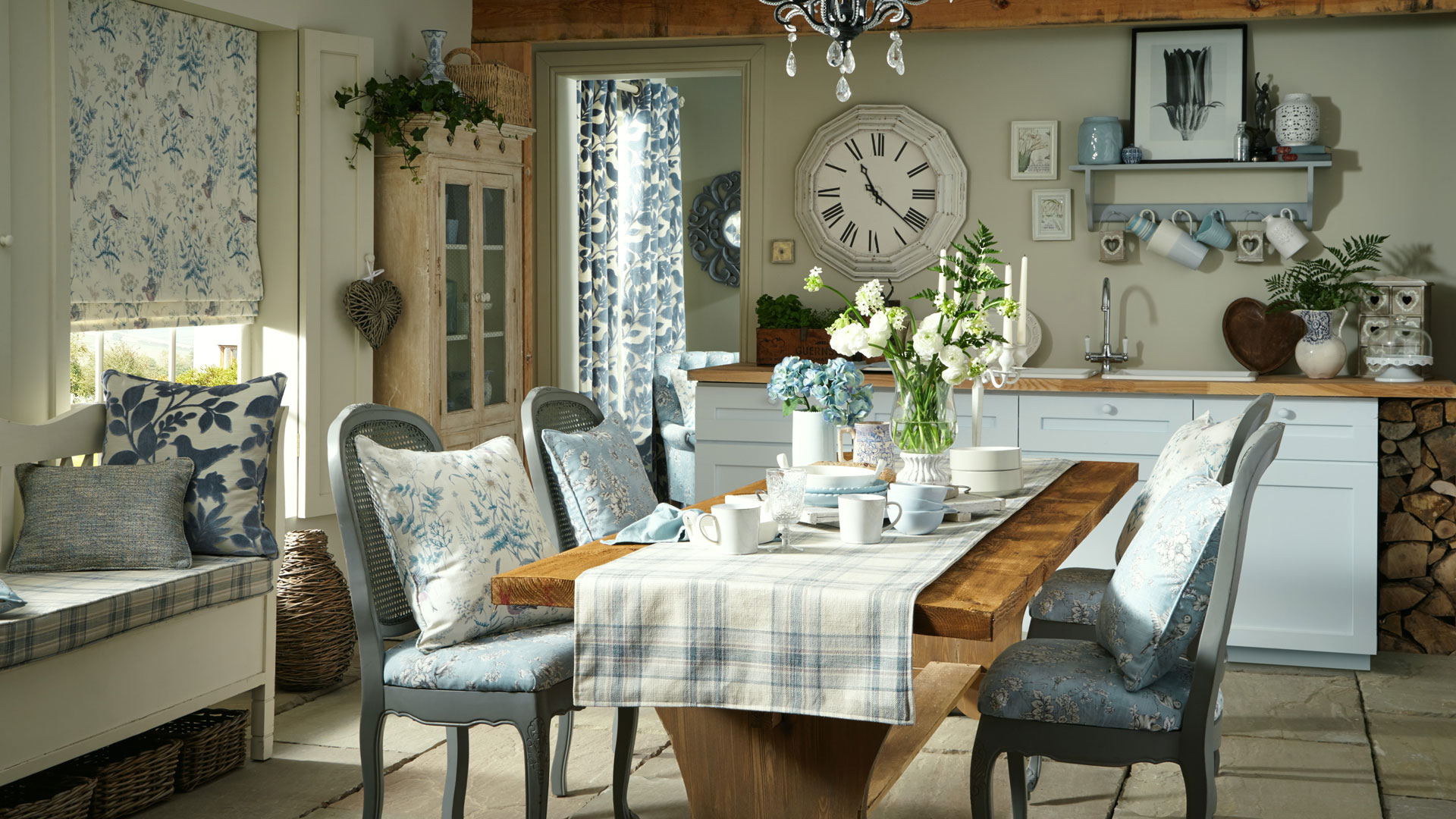
Fabrics and soft furnishings can get overlooked in the kitchen, often seen as a little impractical in a cooking and food prep space. However, the transformative effect they can have within an all-white scheme cannot be overstated.
"Textiles are one of the easiest and most effective ways to bring warmth and character into an all-white kitchen. These spaces often start as blank canvases, so it’s all about layering in softness, texture and colour," explains Debbie Leigh, design manager at ILIV, who goes on to explain the best ways of using them.
"Start with soft furnishings such as Roman blinds, curtains or even a fabric-covered window seat cushion if space allows," she says. "Fabrics in warm tones, such as rust, ochre, sage green or soft terracotta, will instantly lift a white kitchen scheme. Patterns inspired by nature, like botanical prints or soft checks, can also help to soften sharp modern lines and bring a homely feel.
"Upholstered dining chairs or bar stools are another great way to introduce fabric into a kitchen space," continues Debbie. "Opt for durable, stain-resistant materials in tactile weaves or velvets to add both comfort and warmth without sacrificing practicality. Think about accessories too. Tea towels, table runners and even fabric-covered notice boards in complementary tones can create a warm, inviting look."
5. Add a splashback to introduce texture
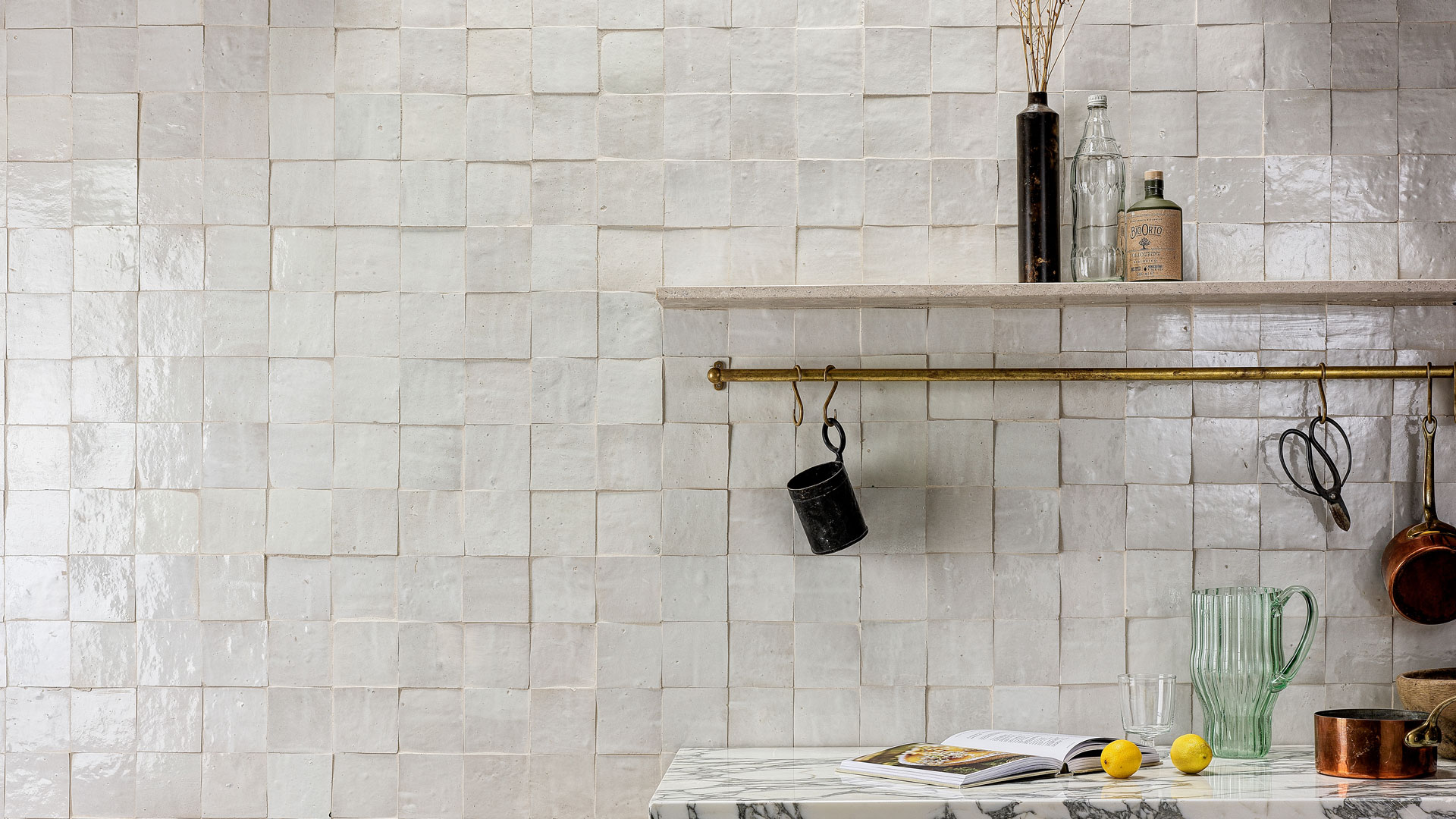
Adding a kitchen splashback is such an easy thing to do and need not be overly expensive or disruptive. It provides the perfect opportunity for creating a little interest.
“An all-white kitchen often feels sterile, not because of the colour itself, but because every surface is doing the same thing. The quickest way to introduce warmth without redecorating is to change one plane rather than the whole room," explains Grazzie Wilson, head of creative at Ca’ Pietra.
"A new splashback, particularly in a tile with tonal variation or surface texture, can completely shift the atmosphere. Think natural stone with gentle movement, a softly glazed ceramic with irregular edges, or even a small-format mosaic in warm chalk, sand or biscuit tones – all will introduce depth while still sitting comfortably within a white scheme.
"What makes the difference is not bold colour but surface nuance," continues Grazzie. "When light hits a hand-finished tile, it creates subtle shadow lines and variation, which breaks up the flatness that can make white feel clinical. Even tiling just behind the hob or sink, or running a tiled section up to the underside of shelving, gives the eye somewhere to rest. It introduces material warmth without altering cabinetry or repainting walls, and that small intervention can make the entire kitchen feel more layered and lived in.”
6. Introduce natural materials
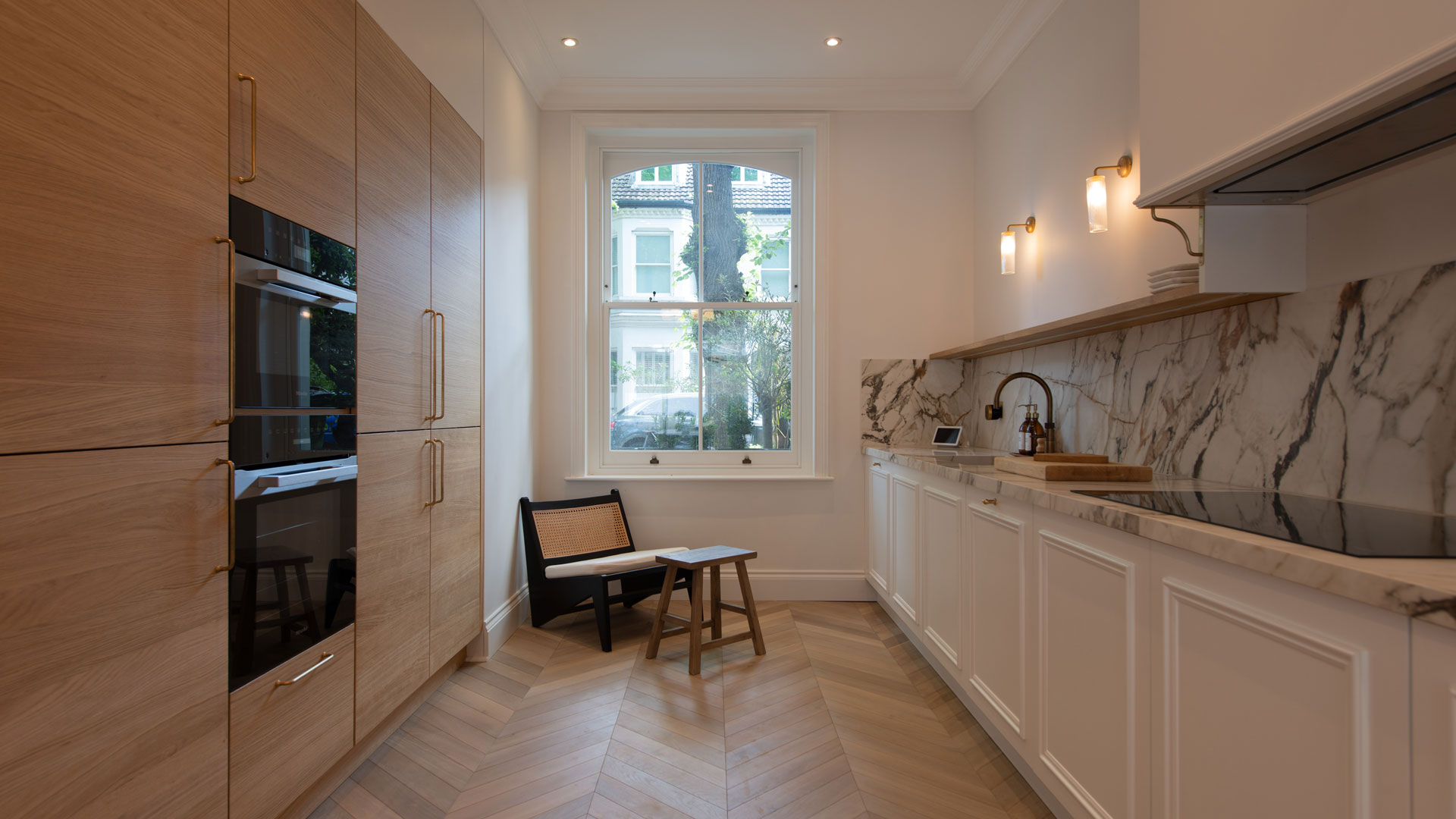
Using natural materials within any monochrome or neutral colour scheme is a great way to achieve the warm minimalism aesthetic, which, incidentally, doesn't look to go out of fashion any time soon.
“When we are working with an all-white kitchen, the aim is not to introduce colour for the sake of it but to bring in texture and tonal contrast in a way that feels cohesive," reveals Richard Davonport, MD of Davonport. "One of the simplest ways to do that is through natural materials.
"Open shelving in timber, woven storage, stone worktops with gentle veining, or even a different edge profile on a countertop can soften the overall impression without changing the core palette."
7. Swap out your cabinet hardware
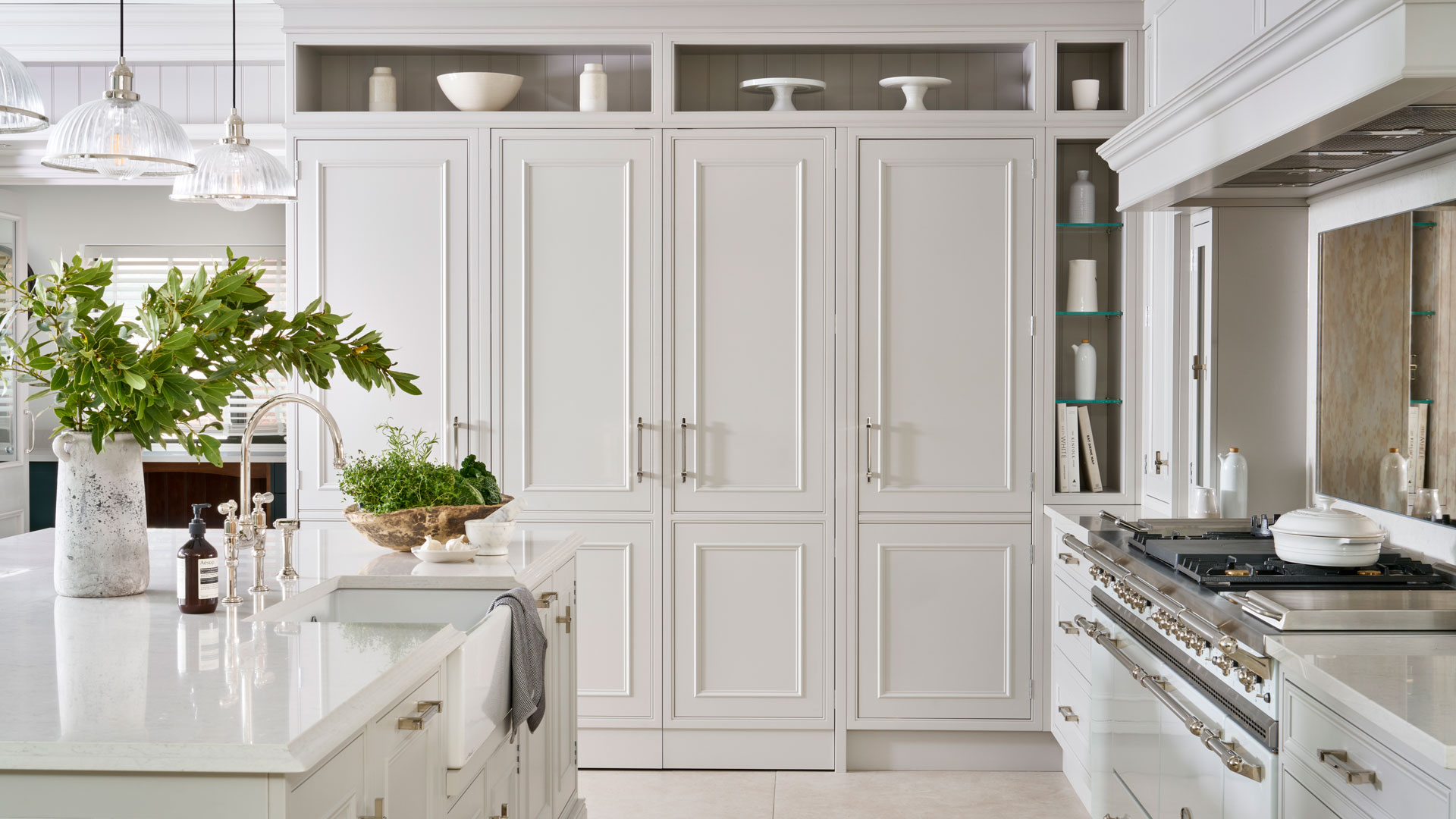
Whether you are dealing with a white kitchen or something on the brighter side, expanding your kitchen interior ideas to focus on little details such as your cabinet hardware will add so much in the way of character.
“In a white kitchen, hardware carries more visual responsibility than people often realise," explains Gareth Hull, design lead at Hendel & Hendel. "When cabinetry, walls and often worktops sit within the same tonal family, the handles become one of the few opportunities to introduce contrast, depth and warmth.
"Swapping cooler, highly polished finishes for brushed metals immediately softens the overall effect," continues Gareth. "Brushed brass and bronze bring richness, but brushed nickel is also an excellent option for those who prefer a more restrained look. It offers the familiarity of a silvery tone, yet with a softer, warmer undertone than chrome, and a lower reflectivity that prevents the space from feeling sharp or clinical.
“Texture and profile are just as important as finish," adds Gareth. "A handle with subtle knurling, a gently rounded form or a more substantial bar creates shadow lines across the surface of white cabinetry, breaking up large expanses and giving the kitchen greater visual depth. Even small shifts in scale, such as opting for longer pulls on tall larder units and smaller knobs on drawers, introduce variation without disrupting the palette."
8. Choose a colourful freestanding element
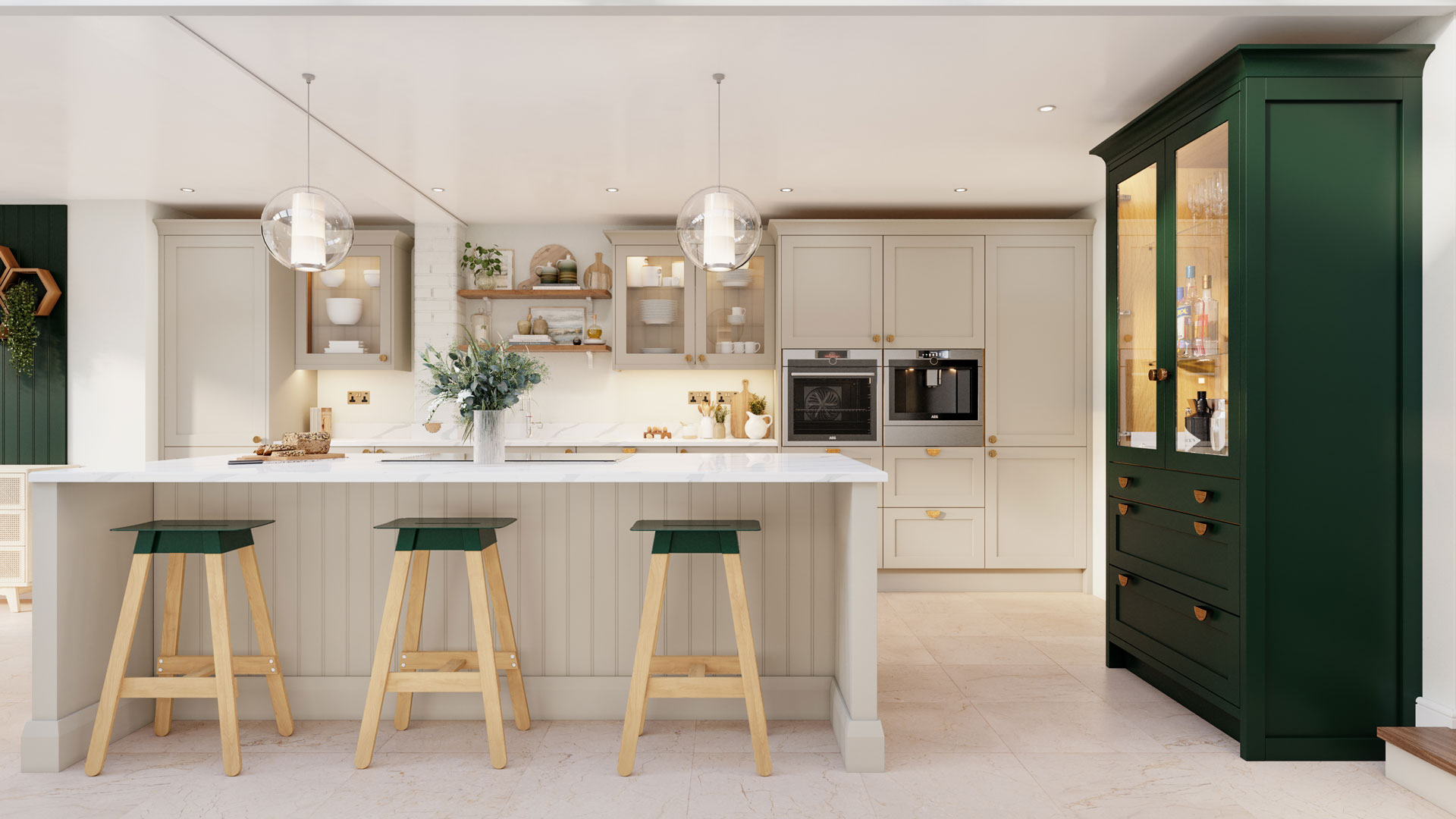
Creating a focal point in an all-white scheme can be tricky, but if you are open to introducing a small pop of colour, using one item of kitchen furniture in a bolder shade can be the ideal way to do it.
"A beautifully painted sideboard, dresser, or freestanding pantry is a great way to break up a long run of white cabinetry and will help to add some personality, whilst still keeping the space bright and welcoming," suggests Kate Palmer, creative director at The Painted Furniture Company.
"If you prefer a subtle look, choose a soft, muted colour such as a sage green or pale blue, or if you would like more of a contrast, bold reds or deep greens can make a fantastic statement."
An island is another brilliant way to add just a hint of colour. If you are worried about kitchen island sizes, it is worth looking into portable islands and butcher's blocks as alternatives.
In on-trend matcha green, this portable kitchen island will not only add a splash of colour but will also add storage and food prep options to your kitchen.
9. Don't be tempted to declutter too much
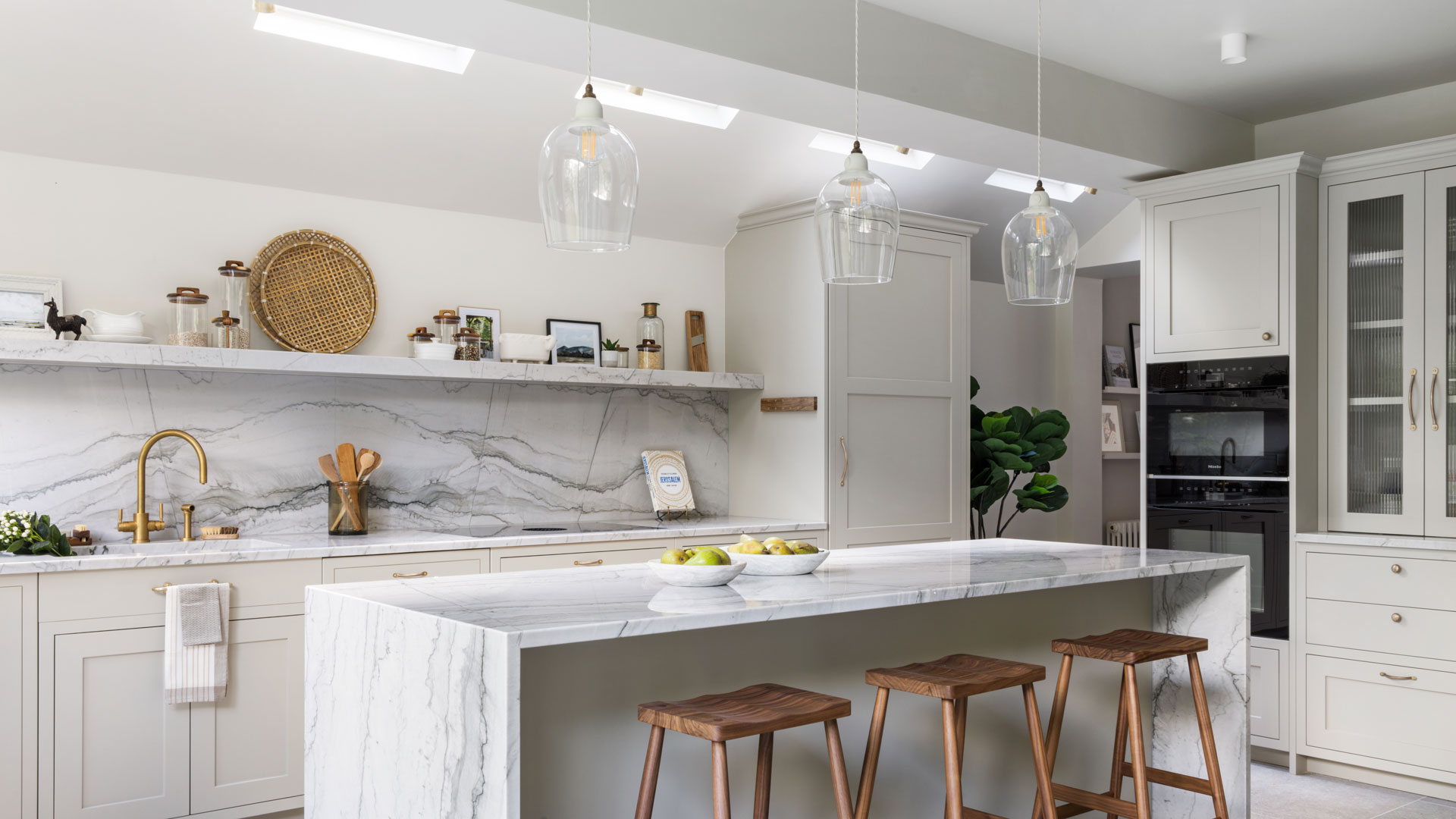
An all-white scheme creates the perfect fresh, clean backdrop and while you might be keen to maintain that understated aesthetic, don't be afraid to leave a few signs of life out on display when decluttering your kitchen if you want to avoid a sterile finish.
"A kitchen can quickly feel sterile when everything is hidden away and surfaces are stripped bare," warns Georgia Allman, product stylist and creative assistant at ProCook.
"Warming the space doesn’t require a full redesign. Thoughtful reorganisation instantly creates calmer, more intentional storage. Keep your most used cooking essentials together on a simple tray or wooden board near your prep area, so they’re both organised and easy to reach.
"Rather than feeling pressured to tuck everything out of sight, embrace a lived-in look and feel," continues Georgia. "Wooden boards are perfect for displaying everyday essentials and add natural warmth and texture. Statement cookware, such as well-loved cast iron casserole dishes, can double as decor when left on the hob and make the most of shelf space by styling it with practical items such as cookbooks, everyday storage jars and glassware.
Finally, introduce small vases of herbs to bring colour, fragrance and a sense of freshness, creating a kitchen that feels welcoming, personal and effortlessly functional."
White kitchens are popular for good reason, timeless, easy to live with and perfect for adding layers of colour. Top tip for colour trends in 2026: Explore adding touches of green accents.
Green is such a versatile and varied shade – from earthy forest hues to the latest trend for matcha and pistachio green – and is perfect for adding a sense of nature and warmth to a white kitchen. There are lots of ways to introduce it into this space.
"To warm up an all-white kitchen, add in nature-inspired greens, to bring dimension and personality to the space", says Charlotte Tilby, at Woodstock, parent company of LochAnna Kitchens. "Shades like sage or deep forest green add a calming touch, especially when paired with natural materials such as pale wood, marble-effect surfaces or brass.
These elements bring character and warmth without overwhelming the space, while small accents, like greenery, create focal points that make the kitchen feel inviting, fresh, and effortlessly stylish."