
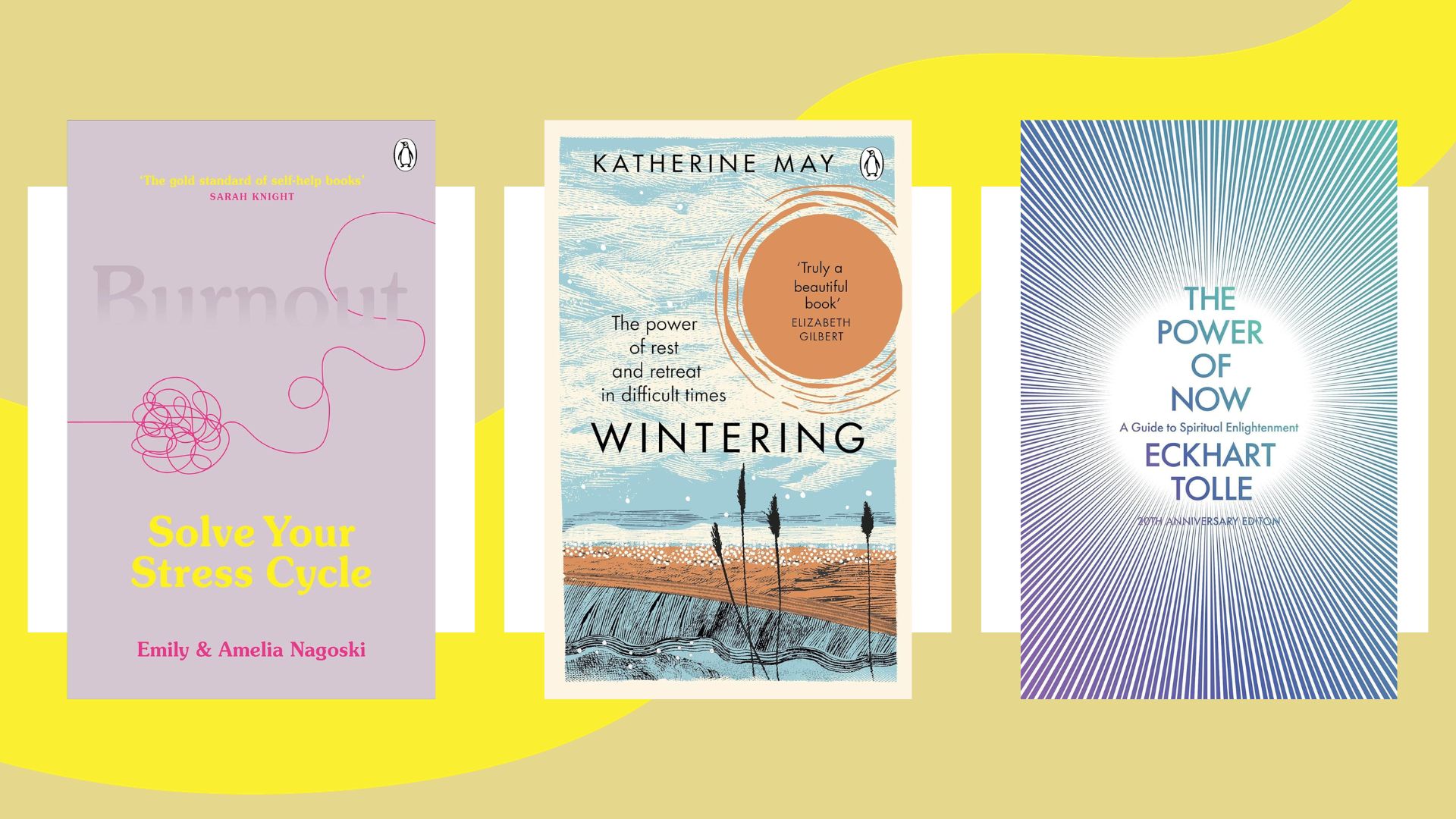
Books about burnout can be a valuable tool in your arsenal when it comes to dealing with the severe form of stress, whether you're worried about developing the symptoms or feel you may already be in the midst of it.
For those experiencing burnout - long-term exhaustion that traditionally comes from the workplace but in recent years has received a broader definition - it will take more than books to help you get back to feeling like yourself. In many cases, those looking to learn how to recover from burnout need to implement long-term changes in their lives and may need support from professionals.
Books can, however, be a helpful tool for those who are looking to know more about burnout from work, other forms of the condition, and how to avoid burnout to begin with. Here, we've spoken to a selection of psychologists specialising in health and workplace wellbeing to reveal their top picks from across the range of books about burnout.
Books about burnout
How do you break the cycle of burnout?
As noted, books about burnout can be helpful but there are practical steps you need to take to break out of the burnout cycle. "To avoid burnout in the future we need to avoid chronic stress and overwhelm. We need to learn how to manage our daily lives without building up this chronic stress," says Carson.
It's easier said than done and often those experiencing burnout, no matter the source, will need professional help and a serious lifestyle switch. However, the psychologists do offer the following tips:
1. Put boundaries in place
Putting boundaries in place and learning how to establish deal breakers is a real essential when it comes to dealing with burnout, says Carson. "It might be learning how to say no, not taking on too much, putting boundaries in place around work or other activities.
Boundaries establish a framework for self-care and work-life balance, adds Joanna Konstantopoulou, a health psychologist. "They can help individuals define limits on their time, energy, and emotional resources, preventing the excessive demands of work or personal life from overwhelming them," she says.
But as much as putting these boundaries on external factors, you may need to put them on yourself too. "For example, [forcing yourself to finish] a particular project before you take on something else," says Carson.
"Doing so can individuals reduce the risk of burnout and create a sustainable equilibrium between their professional and personal responsibilities, ultimately fostering resilience and long-term mental and emotional health," Konstantopoulou says.
2. Take regular breaks
A simple way to break out of difficult stress cycles is to take regular breaks. At work, Carson says this could mean "eating away from your desk or workstation and taking the time to enjoy eating your food."
"Don’t be one of those people who think they need to be seen to be working all the time, working through lunch, staying late in the evening. You might feel okay at the time but, actually, stress is building up in your body because it is not getting an opportunity to recuperate," she says.
Being mindful as you eat can also help with this, she says, as it "helps you to stay in the present and not worry, and therefore also helps to avoid the overwhelm that leads to burnout."
It won't be a possibility for everyone dealing with the syndrome though. Situations that have led to the development of caregiver burnout, for instance, are not easy to take breaks from. In this case, it's worth reaching out to support networks - whether that's friends and family who may be able to help offer you a break or professional support networks.
3. Spend some time doing exercise
Adding something else on top of a seemingly never-ending to-do list may sound impossible if you're experiencing severe stress, but exercise can help clear the mind and body. "Even just a walk has a whole host of benefits for your wellbeing," says Carson, whether that's doing more intense walking as a workout or a simple practice of walking meditation.
In practice, this might mean starting your day with a walk to the train station instead of taking a bus or driving, taking yourself to the gym or your favourite exercise class early at the weekend, or even just prioritising a 10-minute stroll once a day.
"Exercise releases endorphins, which boost your mental wellbeing, and the movement also helps to release the stagnant energy from your body. It boosts your immune system as well, which supports your overall health, reducing the risk of burnout."
As a study by Radboud University reveals, cardio activities (like running 20 minutes a day, walking, cycling, and swimming) have a hugely positive effect on work-related fatigue and wellbeing with reductions in self-reported symptoms of depression.
4. Prioritise a morning routine
A morning routine that includes meditation, setting an intention for the day, and/or writing out positive confidence affirmations is a great way to start the day and can help you ease into your to-do list with a little more ease.
"The key is to be consistent no matter what. Even if you only meditate for five minutes each morning, you will reap the benefits over time as you'll begin to feel calmer and more able to cope with stressful situations," says Carson.
"Writing out an affirmation or an intention for the day can be very powerful. It could be something like ‘Today I remain calm at all times’ or ‘Today is going to be a good day, today I will finish work on time at 5 pm’. Telling yourself how you are going to experience your day makes it more likely to happen."
If you think you may be experiencing burnout or you are struggling with your mental health, speak to your doctor. For immediate support, reach out to your NHS urgent mental health helpline or for someone to talk to, contact the Samaritans on 116 123 - open 24/7.