
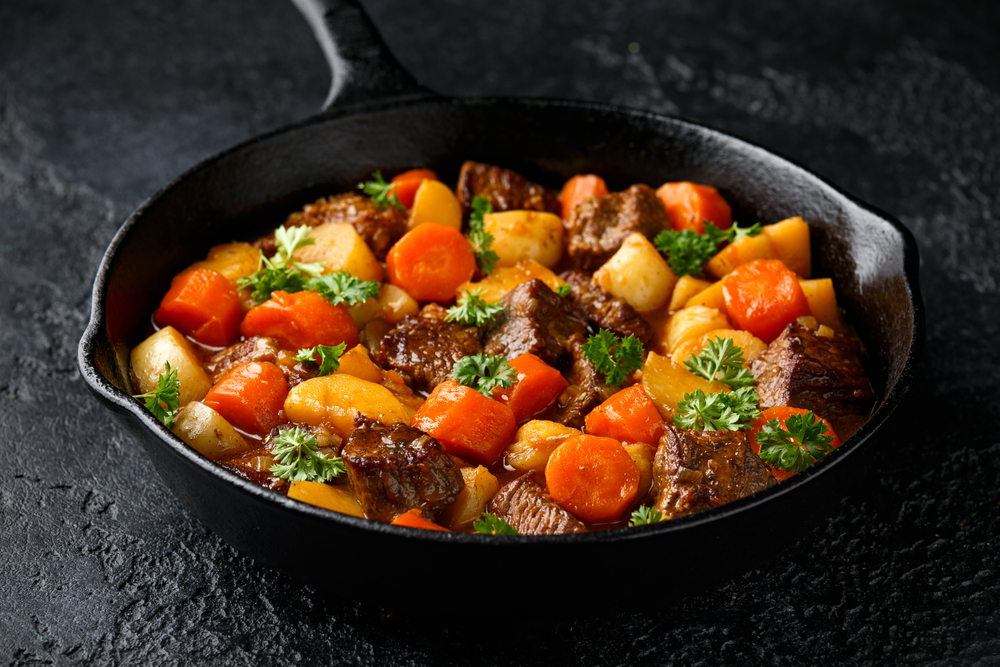
Most home cooks treat a cast iron pan like a tank. It feels indestructible. Heavy, solid, built to last. But even the toughest piece of cookware breaks down under the bad habits, and many people damage theirs without noticing until food starts sticking or rust creeps across the surface. Proper cast iron pan care matters because small mistakes compound. What looks harmless in the moment becomes a long-term problem that dulls performance and shortens the pan’s life.
1. Letting It Sit Wet
Moisture is the fastest way to wreck any pan. Cast iron pan care starts with understanding how quickly rust forms. Sometimes minutes are enough. A sink full of dishes, a damp towel, a bit of water left after rinsing—it all accelerates corrosion. And once rust sets in, it spreads.
The surface doesn’t just look damaged. Rust destroys the protective seasoning layer on the metal. Dry the pan immediately after washing. Heat it for a minute on the stove to drive out hidden moisture. That single habit has stood the test of time for decades.
2. Scrubbing With Harsh Abrasives
The seasoning on cast iron isn’t decoration. It’s a barrier formed through repeated layers of oil bonded to the surface. Steel wool, metal scouring pads, and aggressive powders rip that barrier apart. Most people don’t realize it happens slowly. One deep scrub today, another next month, and suddenly food sticks in patches that used to release cleanly.
Stuck-on bits need boiling water, a nylon brush, or a chain-mail scrubber that doesn’t chew through the finish. Anything harsher becomes an ongoing battle you don’t want to fight.
3. Cooking Acidic Foods Too Long
Tomatoes, citrus sauces, vinegar braises—great flavors, bad chemistry for cast iron. Acid eats away at seasoning, especially when simmered for long stretches. A quick sauté is fine. Hours of stewing are not.
If the pan is new or the seasoning is thin, the damage accelerates. And the metallic taste that leaches into the food signals the surface has broken down. Stronger cast iron pan care means saving long, acidic cooks for stainless steel or enamel-coated options.
4. Heating It Too Fast
People love a blazing-hot pan, but cast iron heats slowly. When flames shoot high, and the pan is still cold, the metal experiences thermal shock. It warps or cracks in extreme cases, and in everyday use, the seasoning flakes off around hotspots.
Start low. Raise the heat gradually. The pan will still get scorching hot, but it will do so evenly and safely.
5. Using Too Much Soap
Soap doesn’t destroy modern seasoning instantly, but excess use weakens it over time. Especially when the layer hasn’t fully built up. Many people treat their pans like a nonstick skillet and scrub with fragrant soaps every night.
You don’t need that routine. A small amount is fine when necessary, but constant soapy washes thin the protective coating. A rinse with warm water and a stiff brush handles most jobs without interference.
6. Skipping Oil After Cleaning
A clean pan isn’t finished until it’s oiled. This is one of the most overlooked steps in cast iron pan care. The seasoning dries out after washing, even when you remove all moisture. A thin oil layer restores the sheen and protects the surface from air exposure.
Leave the pan unoiled, and the seasoning goes dull. The surface becomes rough. Food sticks. Rust creeps around the edges. It takes seconds to apply a light layer and wipe off the excess, and that habit shapes the cookware’s lifespan.
7. Storing It in a Damp Cabinet
Many kitchens trap moisture without anyone realizing it. A cabinet above a dishwasher. A drawer under a sink. A pantry with poor ventilation. Cast iron absorbs humidity like a magnet.
Even well-seasoned cookware struggles in damp spaces. Rust blooms quietly, forming tiny specks that turn into larger patches after a few humid weeks. Store the pan in a dry area, and if stacking is unavoidable, place a paper towel between pieces to absorb moisture.
8. Using It Only Occasionally
Cast iron rewards repetition. The more you cook with it, the better it performs. Heat bonds oil to the surface, strengthening the seasoning. Long stretches of disuse, especially in humid kitchens, weaken that layer. It becomes brittle and uneven.
Regular cooking protects the pan as much as careful cleaning does. Frying, searing, roasting—all of it reinforces the hard, slick coating that makes cast iron unbeatable for everyday meals.
Building Better Habits for Your Long-Term Pan
Cast iron pan care isn’t complicated. It’s consistent. Dry it quickly, oil it lightly, store it properly, and avoid the habits that chip away at the seasoning. The pan delivers decades of reliable service—and better flavor with each year of use.
Treat it like the workhorse it is, but not like something immune to neglect. Small choices keep it strong.
What habits have you changed to keep your cast iron performing well?
What to Read Next…
- 5 Secrets to Using Your Kitchen More and Eating Out Less
- Cook More at Home by Investing in a Kitchen Remodel
- Kitchen Gadgets That Are Actually Worth Buying in 2025
- 7 Ways Your Grocery Habits Are Ruining Your Relationship
- 8 Food Storage Mistakes That Are Ruining Your Budget
The post 8 Ways You’re Ruining Your Cast Iron Pan Without Realizing It appeared first on Grocery Coupon Guide.