
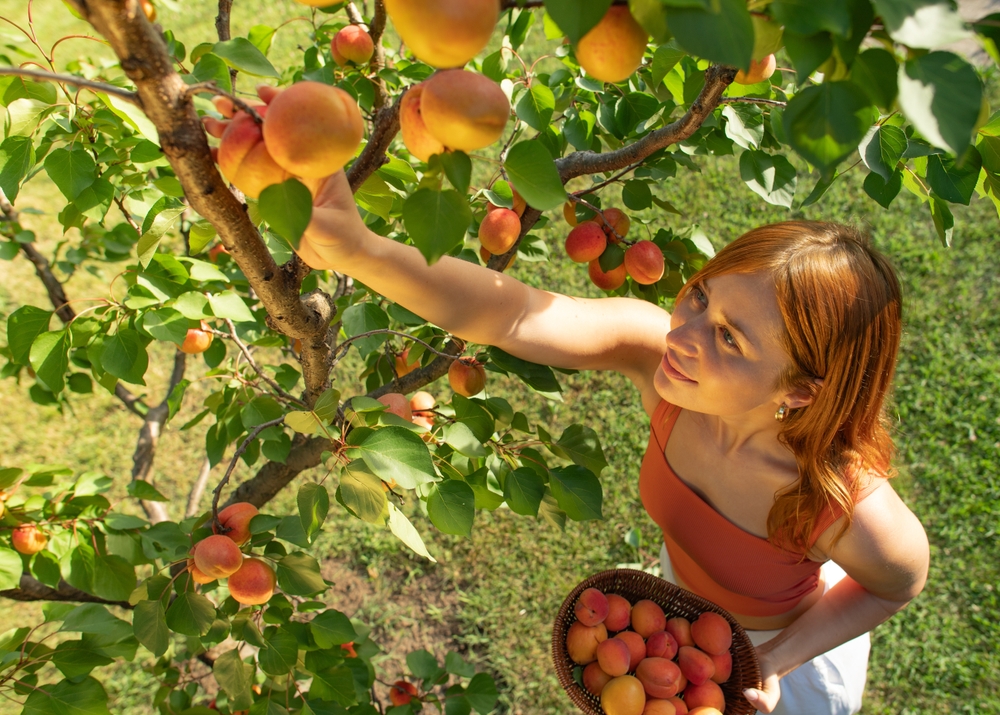
Late summer can turn a young fruit tree into a very thirsty little drama queen. While an established apple, pear, peach, or plum may have roots reaching into a larger volume of soil, a recently planted tree still works with a smaller root system, so several hot, rainless days can create serious stress before the leaves even look unhappy. Regular attention now can help young trees keep growing, protect developing roots, and enter autumn in much better shape.
The trick does not involve standing outside with a hose every time the sun comes out. Good late-summer care means putting water where the roots can use it, slowing evaporation, reducing competition from grass and weeds, and watching the tree closely enough to catch trouble early. A few sensible habits can make the difference between a tree that merely survives a dry spell and one that heads into fall with a much stronger foundation.
1. Give the Root Zone a Deep Drink
Young fruit trees need consistent moisture while their roots establish, and dry late-summer weather increases that need. Instead of giving the trunk a quick splash, water slowly enough to moisten the soil throughout the root zone. Penn State recommends watering deeply enough to moisten roughly the top 6 to 9 inches of soil, where many important feeder roots operate.
Check the soil before reaching for the hose by digging carefully several inches down away from the trunk. If the soil feels dry or only slightly damp, give the tree a thorough watering, then allow excess water to drain rather than creating a miniature swamp around the roots. Young fruit trees generally benefit from deeper, less frequent watering rather than repeated shallow sprinkles, although sandy soil may require more frequent attention than heavier soil.
2. Water Slowly, Not Like You’re Washing the Car
A hose blasting full speed at the base of a tree can send water running away before it soaks into the soil. A slow trickle gives water time to infiltrate instead of racing across the surface, especially when the soil has dried and hardened. A soaker hose or slow-moving hose can distribute moisture across the root zone more evenly than a concentrated stream.
Move the water around rather than keeping it parked directly against the trunk. Young trees need moisture around their developing root zone, not a permanently soggy collar at the base of the trunk. Watering early in the morning also reduces losses from evaporation and wind, giving more of that precious water a chance to move into the soil.
3. Build a Mulch Zone, Not a Mulch Volcano
A good mulch layer acts like a simple moisture-saving blanket over the soil. Organic materials such as wood chips can slow evaporation, moderate soil temperature, reduce weed growth, and help keep moisture available longer during dry weather. For young trees, mulch should cover a broad area around the root zone rather than forming a tiny decorative circle immediately around the trunk.
Keep the mulch a few inches away from the trunk and avoid piling it into the dreaded “mulch volcano.” A layer around 2 to 3 inches generally works well, while deeper piles can restrict water movement, reduce oxygen around roots, encourage unwanted root growth into the mulch, and keep bark excessively damp. Mulch should save a tree from drought stress, not create an entirely new problem.
4. Evict the Grass From Around the Tree
Grass may look harmless around a young fruit tree, but its dense root system competes aggressively for water and nutrients. That competition becomes especially important when rainfall disappears and the soil starts drying from the surface downward. Removing turf and weeds around the tree gives the young roots a much better shot at capturing available moisture.
Keep the area around the trunk free of grass, weeds, and other thirsty plants, then use mulch to maintain that space. This approach also reduces the temptation to run a lawn sprinkler and assume the tree received enough water. Lawn irrigation often wets the surface without delivering the deeper, thorough moisture a young fruit tree needs during a dry spell.
5. Pay Attention to the Leaves Before They Start Screaming
Leaves can provide useful clues when a tree starts running short on water. Wilting, curling, yellowing, browning, or premature leaf drop can indicate drought stress, although pests, diseases, root problems, and other issues can produce similar symptoms. Checking the soil gives a better answer than diagnosing the entire tree from one sad-looking leaf.
Do not wait for dramatic wilting before checking moisture. A young fruit tree can experience stress before its foliage looks obviously distressed, and extended water stress can affect growth and fruit production. Walk past the tree every few days during a prolonged dry spell and inspect the soil, foliage, trunk, and surrounding area instead of relying on appearances alone.
6. Resist the Urge to Overwater
Dry weather can make gardeners understandably nervous, but drowning a thirsty tree does not improve the situation. Roots need both water and oxygen, and constantly saturated soil can leave too little air space around them. Poorly drained soil can turn excessive watering into a genuine root problem rather than a helpful rescue mission.
Use the soil itself as the referee. If the soil several inches down remains wet, hold off until it needs water, while dry soil calls for a thorough soaking. Watch for signs such as constantly damp soil, pale young leaves, wilted shoots despite wet soil, or algae and mushrooms appearing around the tree, because those clues can point toward excessive moisture rather than drought.
7. Protect the Tree From Unnecessary Competition and Damage
Late summer creates plenty of opportunities for a young tree to take a beating, from lawn mowers and string trimmers to weeds stealing moisture and insects taking advantage of stressed foliage. Keep equipment away from the trunk and maintain a clear, mulched area around the tree. A damaged trunk has fewer defenses when hot, dry weather already puts pressure on the plant.
Take a quick look at the bark, leaves, shoots, and fruit whenever watering. Spotting chewed leaves, unusual discoloration, broken branches, or damaged bark early makes the problem easier to address before it snowballs. The goal involves more than supplying water because a young tree also needs protection from the everyday hazards that can turn a manageable dry spell into a much bigger setback.
8. Keep the Watering Habit Going Into Fall
A common mistake involves treating the first cool evening as the finish line. Young trees still need adequate moisture as they move toward dormancy, particularly after a long, dry summer, so keep checking the soil rather than abandoning the hose the moment temperatures dip. Regular watering remains important during establishment, with the exact schedule depending on rainfall, soil, tree age, and local conditions.
That does not mean watering on autopilot forever. As roots expand and the tree becomes established, its water needs and ability to access moisture change, so gradually shift from frequent attention toward weather-based monitoring. For now, though, a young fruit tree deserves priority during dry periods because those developing roots have far less access to stored soil moisture than an established tree.
Give That Young Tree a Fighting Chance
Dry late-summer weather does not require elaborate equipment or a complicated orchard management plan. Deep, careful watering, sensible mulch, weed control, regular inspections, and restraint with the hose cover most of the important ground. The biggest mistake involves treating a young fruit tree like a miniature version of an established tree, because its smaller root system simply cannot reach as much moisture when the soil dries out.
Give the soil a check, water thoroughly when needed, keep grass away, and maintain that mulch ring without piling it against the trunk. Those small jobs may not feel particularly glamorous, but they can help a young apple, pear, peach, or plum make it through the toughest stretch of summer with its roots in much better shape. And that is exactly the kind of boring garden work that pays off beautifully a few seasons down the road.
What is the toughest late-summer challenge your young fruit trees have faced this year?
You May Also Like…
Should You Remove Old Strawberry Leaves After Fruiting?
5 Ways to Stabilize Pepper Plants Loaded With Fruit
Florida Gardeners Warned: This Invasive Beetle Is Destroying Fruit Trees
5 Fruit Trees That Will Stay Small But Produce Tons Of Fruit
Why Are Your Eggplants Flowering Without Making Fruit?
The post 8 Ways to Help Young Fruit Trees Through Dry Late-Summer Weeks appeared first on Frugal Gardening.