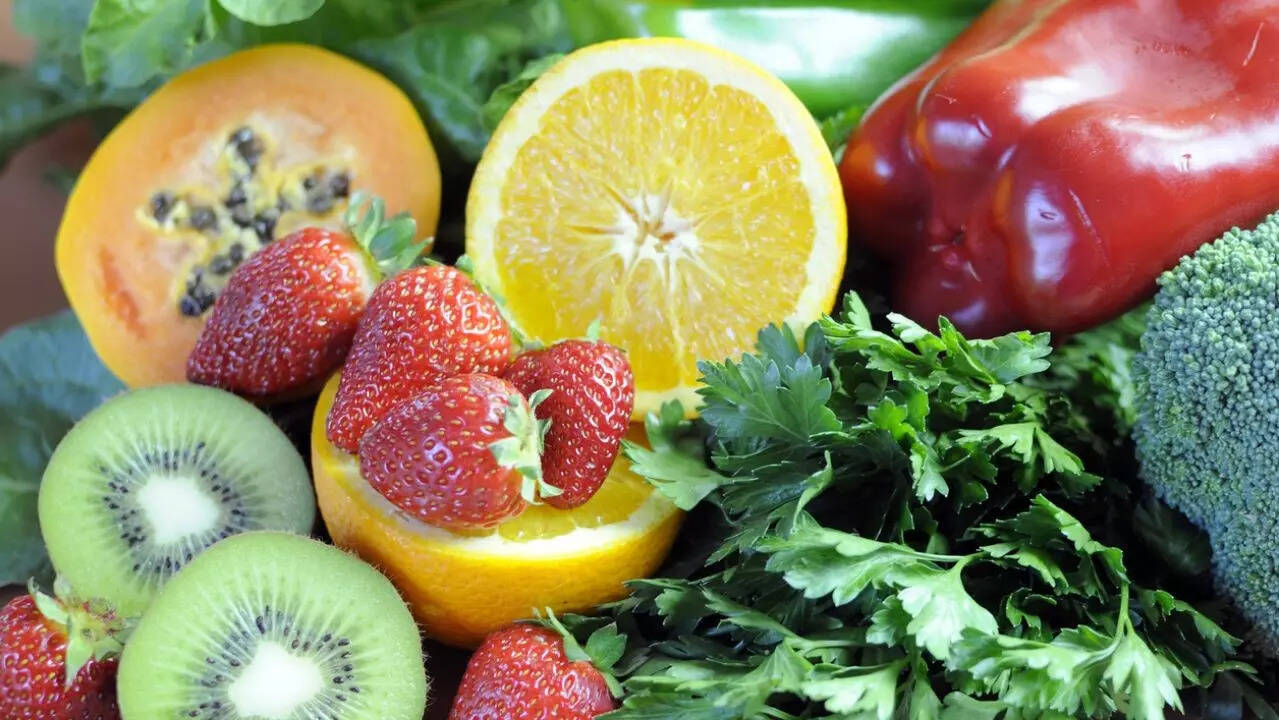
Winter season can raise the risk of certain health conditions. As the chill sets in and mercury drops, the body may have to work extra hard to maintain its normal functioning. Besides, cold temperatures can make the blood vessels narrow, which could spike blood pressure and thicken the blood, raising the risk of heart attacks and strokes. Besides, studies have found that cold temperatures can lower immunity in the nose and make us more susceptible to viruses.
It is important to eat a nutritious diet during winter and Vitamin C is one of the key nutrients during this season which could help boost immunity and aid in growth and repair of tissues. Vitamin C, an important antioxidant, can also help nourish the skin and remove toxins. Vitamin C is a water-soluble vitamin and leftover amounts of the vitamin leave the body through the urine. It is important to consume Vitamin C regularly for optimal functioning of the body.
According to a study published in Canadian Medical Association Journal (CMAJ), supplementary vitamin C can reduce the burden of winter illness, but the intake need not be as high as has sometimes been claimed.
A research published by Cochrane in 2013 found that regular vitamin C supplementation can shorten the duration of colds by 8% in adults and 14% in children. In particular, children who took between 1 and 2 grams of vitamin C daily experienced an 18% reduction in the length of colds.
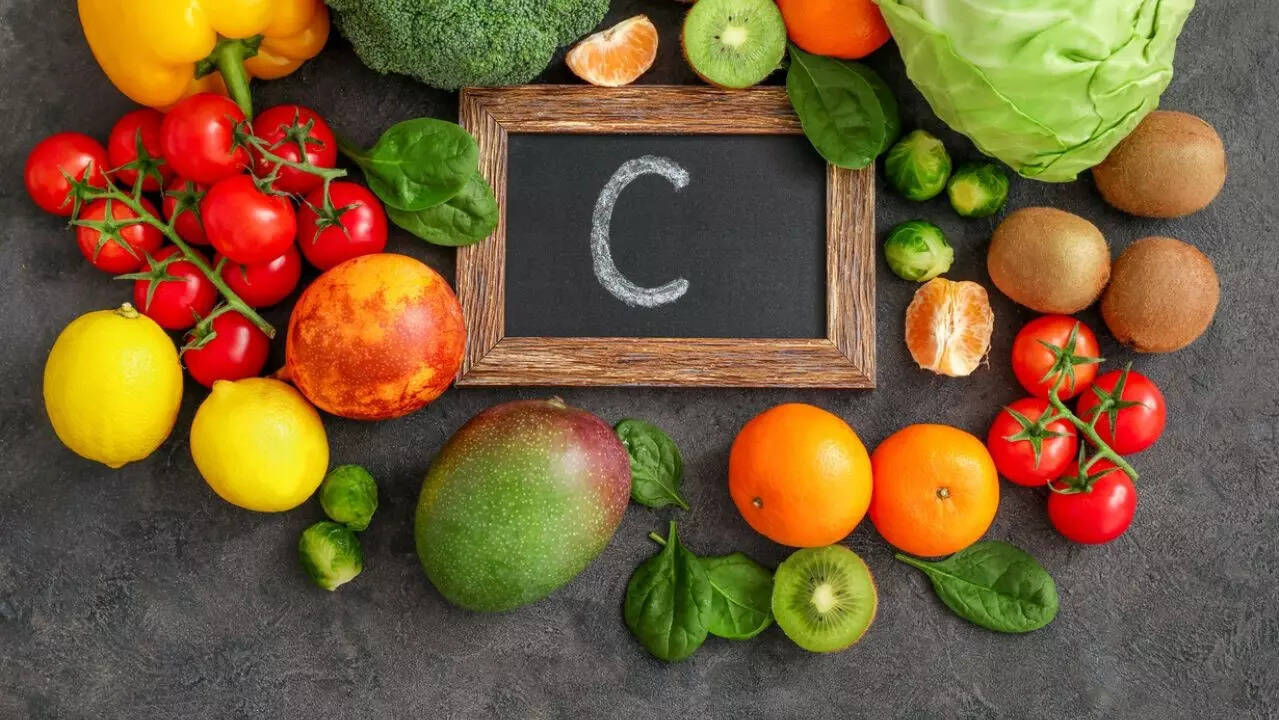
Here are Vitamin C-rich foods you must consume in winter.
1. KiwifruitKiwifruit is one of the best Vitamin C-rich foods you can consume in winter. With 161.3 mg of vitamin C per 100 g, the fruit is said to contain an exceptionally high Vitamin C content. In fact, it has roughly 230% of the daily recommended intake of Vitamin C.
2. Broccoli
The green beauty provides a burst of nutrients that can prepare you better for the cold winter days. The veggie is high in a range of vitamins and minerals, including folate, potassium, manganese, and vitamins C and K1. It has 65 mg of vitamin C per 100 g. Eating this wonderful vegetable can certainly keep cold and cough away.
3. Strawberries
The sweet and delicious strawberries are a Vitamin C-powerhouse. They have around 59 mg of vitamin C per 100 g. If you consume 1 cup of strawberry slices, you will get around 97 mg of vitamin C. The sweet berries also have calcium, iron, manganese, folate (vitamin B9), and potassium. Just one serving of strawberries (8 berries) provides more vitamin C than an orange.
4. Bell Peppers
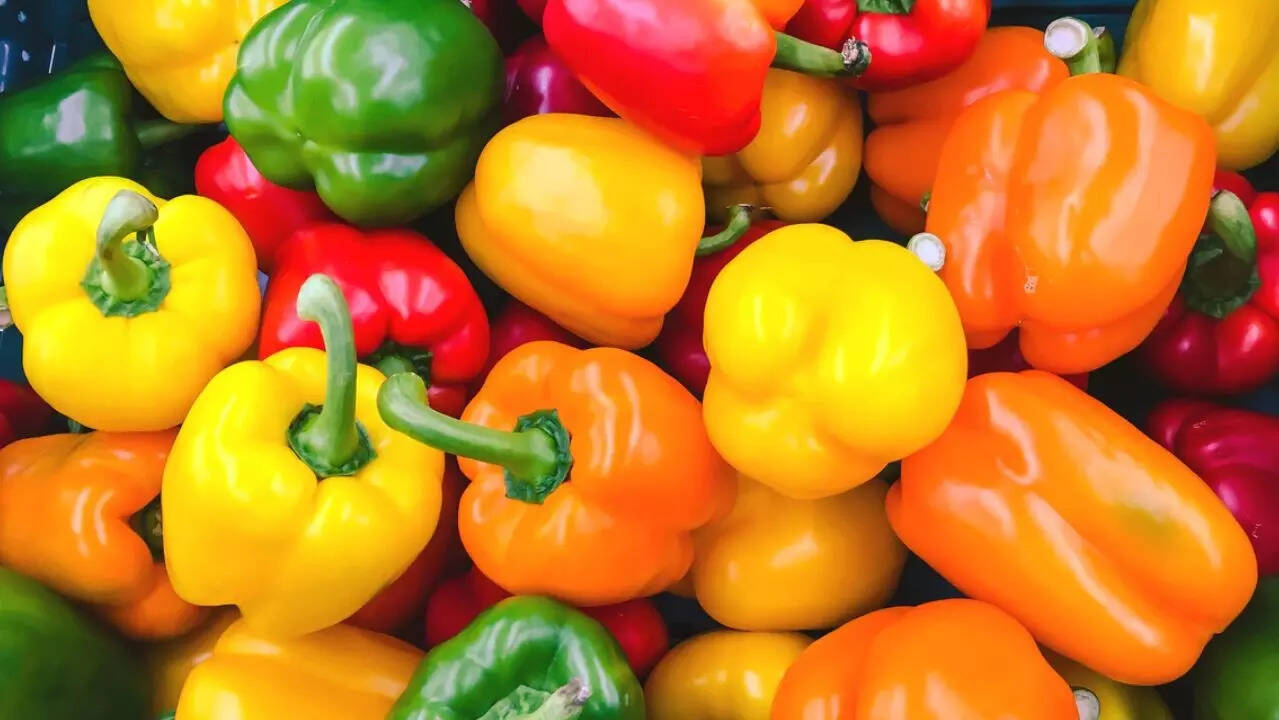
Bell peppers, particularly red ones, are packed with vitamin C and have nearly three times more vitamin C than an orange. With about 128 mg of vitamin C per 100 grams, bell peppers are not only great for boosting immunity but also rich in fibre, antioxidants, and vitamin A. They can be easily added to salads, stir-fries, or eaten raw as a snack.
5. Leafy greens
Leafy vegetables are a must in winter. Be it spinach, kale, and Swiss chard, all of them are rich in vitamin C, along with folate and vitamin K. These greens also provide fibre and various antioxidants that can help protect your immune system during the winter months. A serving of kale or spinach can give you a significant vitamin C boost to keep colds at bay.
6. Oranges
Oranges are well-known for their vitamin C content, with one medium orange providing about 70 mg of vitamin C. Oranges also contain fiber, calcium, and various antioxidants. Their high water content helps keep you hydrated, and they are a refreshing and easily accessible winter fruit.
7. Brussels Sprouts
These mini cabbage-like vegetables pack a significant vitamin C punch. With about 85 mg of vitamin C per 100 grams, Brussels sprouts are also rich in fibre, folate, and other vitamins. They are known for boosting immune function and can be roasted or steamed as a nutritious side dish during the colder months.
8. Cantaloupe
Cantaloupe, a sweet and refreshing winter fruit, provides around 36 mg of vitamin C per 100 grams. Though slightly lower in vitamin C compared to some other foods on this list, cantaloupe is still an excellent choice for maintaining hydration and providing other vital nutrients like potassium and vitamin A. It's a great addition to winter salads or as a refreshing snack.
(Picture courtesy: iStock)