Walking alone at night should not automatically feel dangerous, yet many women still adjust routes, share locations, or avoid certain places after dark. Police departments and safety experts regularly point to patterns tied to location, isolation, low visibility, and impaired judgment. The goal is not fear or restriction, but awareness of environments where risks tend to increase. Understanding these high-risk settings can help women make informed choices without sacrificing independence.
1. Parking Garages and Isolated Parking Lots
Police often flag parking garages because they combine poor visibility, limited exits, and blind corners. A woman leaving work late may be distracted by keys, groceries, or a phone call while walking to her car. Safety surveys consistently show women reporting heightened anxiety in parking structures after dark. Experts recommend parking near entrances, avoiding stairwells when possible, and scanning surroundings before unlocking a vehicle. A woman’s safety at night often comes down to reducing moments of distraction in transitional spaces.
2. Empty Public Transit Stops
A quiet bus stop or train platform can become riskier when foot traffic disappears. Transit police reports frequently mention incidents involving harassment, theft, or unwanted approaches during low-ridership hours. Imagine waiting alone for a delayed train with headphones on and no nearby businesses open. Staying in well-lit areas, keeping audio low, and sharing live location details can add layers of protection. Safety at night improves when public transit users stay visible and alert.
3. Bars and Nightlife Districts After Closing Time
Busy entertainment zones may feel safer in crowds, but risk patterns often shift around closing time. Alcohol, reduced judgment, aggressive behavior, and limited transportation options can create vulnerable situations. Safety advocates warn against accepting rides from strangers or separating from friends after a night out. Rideshare safety experts also note that solo late-night pickups require extra caution, especially when someone is tired or intoxicated. A planned ride home can make a major difference in safety at night.
4. Gas Stations in Low-Traffic Areas
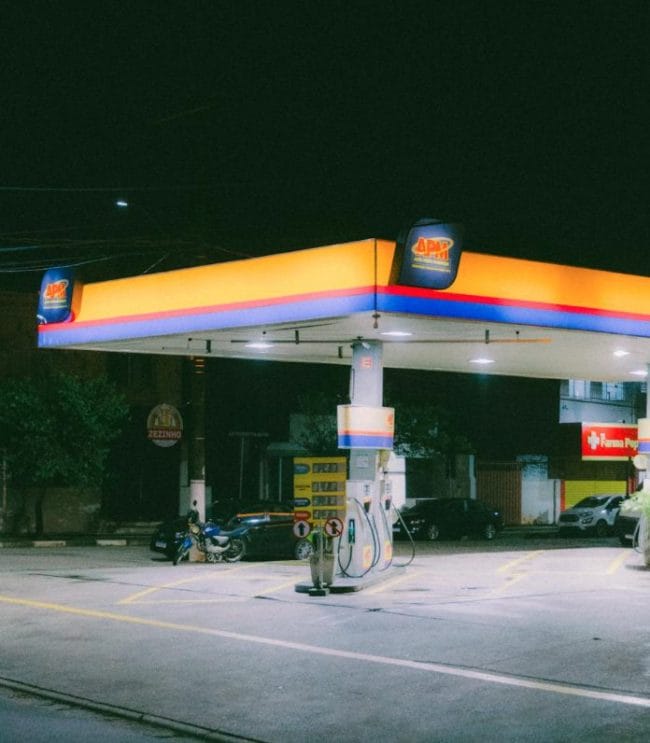
Gas stations are routine stops, but isolated locations late at night deserve extra caution. Criminal activity can target distracted customers focused on payment screens, fuel pumps, or wallets. A realistic scenario: someone stops for fuel on a nearly empty road trip route and finds the station dimly lit with no staff visible. Police safety advice often includes choosing busy, well-maintained stations near active businesses. Trusting your instincts matters if a location immediately feels unsafe.
5. Hiking Trails, Parks, and Waterfront Paths
Parks and scenic walking trails may seem peaceful after dark, but low lighting and sparse witnesses can increase personal safety concerns. Many women enjoy evening exercise, yet safety professionals recommend avoiding isolated outdoor routes alone at night. Even familiar locations can change dramatically once businesses close and visibility drops. If exercising outdoors after sunset, experts suggest populated routes, reflective gear, and check-ins with trusted contacts. Women’s safety at night is easier to manage when environments remain active and observable.
6. ATMs and Bank Kiosks After Dark
An ATM transaction can unintentionally signal distraction, cash access, and predictable behavior. Law enforcement agencies have long advised avoiding standalone cash machines at night, especially in empty shopping centers. Someone withdrawing money while looking down at a screen may miss suspicious movement nearby. Indoor bank lobbies or ATMs connected to active businesses are generally safer alternatives. Small decisions about timing and location can lower unnecessary exposure.
7. Unfamiliar Neighborhoods Without a Clear Plan
Getting lost in an unfamiliar area at night can increase stress and reduce situational awareness. Women traveling solo or navigating a new city may focus on directions rather than surroundings. Safety specialists recommend reviewing routes beforehand, identifying open businesses nearby, and avoiding isolated shortcuts. Personal safety research consistently shows women feel less secure in unfamiliar environments after dark. Preparation is not paranoia — it is practical planning.
8. Waiting Alone for a Rideshare in Remote Areas
Rideshare apps offer convenience, but pickup environments matter. Safety guidance recommends waiting inside hotel lobbies, restaurants, or well-lit storefronts instead of empty sidewalks or parking lots. Experts also advise verifying the car model, driver details, and license plate before entering. Safety reporting highlights added concerns when women are alone, tired, or leaving nightlife districts late at night. Women’s safety at night includes thinking about where a ride begins, not just where it ends.
The Lesson About Staying Safe Without Living in Fear
The takeaway is not that women should avoid life after sunset. It is that certain environments carry patterns of risk that police and safety experts repeatedly identify. Smart habits like choosing visible locations, planning transportation, limiting distractions, and trusting intuition can reduce vulnerability without limiting freedom.
Which nighttime place makes you feel most alert or uncomfortable — and what safety habit has helped you feel more confident? Share your thoughts in the comments and join the conversation.
What to Read Next
The New Ride-Share Safety Habit Experts Say Every Woman Should Start Using
5 Everyday Interactions Women Should Treat as Safety Warnings
8 Safety Rules Every Woman Should Follow When Traveling Alone
The post 8 Places Women Should Think Twice About Visiting Alone at Night — Police Reveal the Real Risks appeared first on Budget and the Bees.