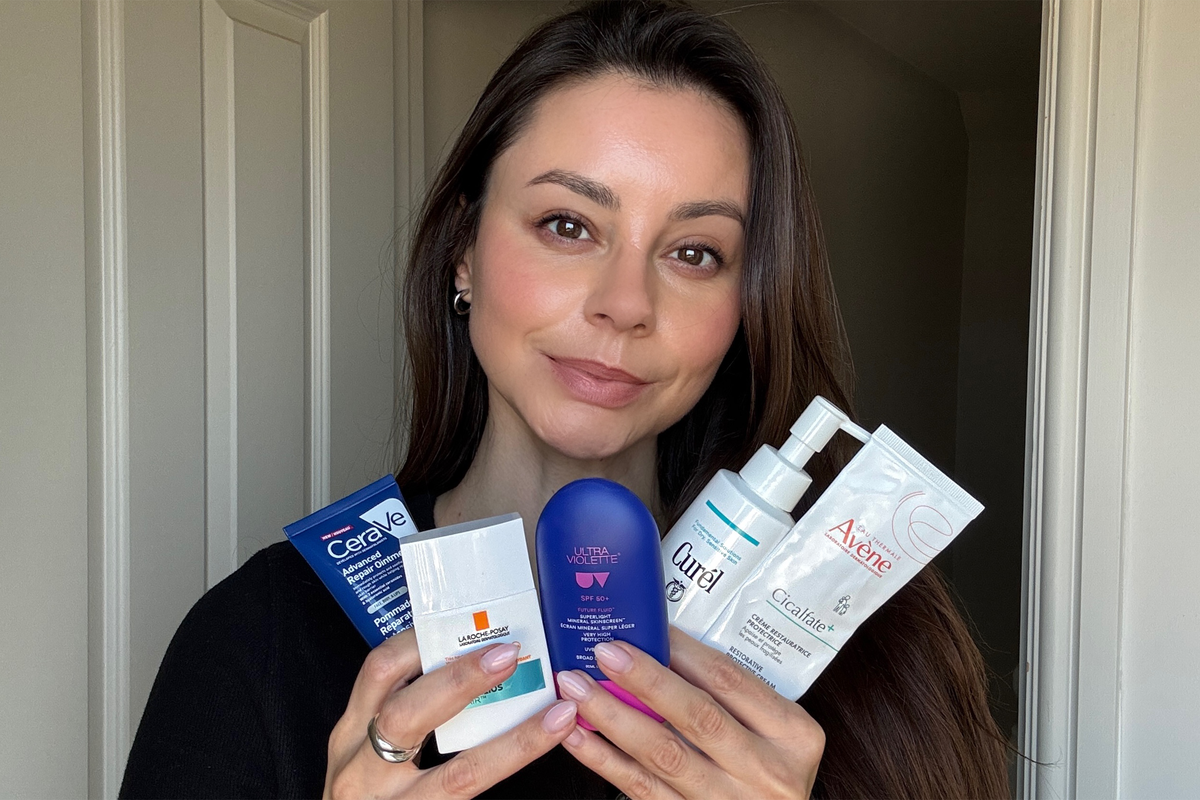
As someone who’s experienced perioral dermatitis firsthand, I know how difficult it can be to recognise and treat. That’s why I’ve delved into what the skin condition is, how to properly identify it and curated a list of the best treatments for perioral dermatitis, all of which are tried, tested and dermatologist-approved, to help others who might be battling the stubborn skin rash.
What makes perioral dermatitis (PD for short) so bothersome is that its symptoms typically resemble acne, which often leads to misdiagnosis but, according to Dr Aiza Jamil, consultant dermatologist, there’s a few things to look out for: “It’s characterised by often-chronic small red bumps, pustules and irritation on the skin. The small red bumps are generally uniform and centered around the mouth, nose or eyes, whereas acne is more scattered across the skin and will vary in size.”
Once you’ve identified PD, the good news is that there are ways to tackle it. “Firstly stop any topical steroids and heavy creams which are being used,” explains Dr Sharon Wong, consultant dermatologist and co-founder of Dose. “Day-to-day skincare needs to be pared back and kept very simple.” This means avoiding any irritants in the form of actives such as vitamin C, acids, retinols, exfoliants etc. Stick to a simple cleanser, moisturiser and SPF.
For most cases of PD this will be enough to solve the problem but if your PD is moderate to severe or not responding to a simplified routine, prescription treatments like topical creams and oral antibiotics might be necessary. In my case, a streamlined skincare routine plus prescription strength azelaic acid and six weeks of oral doxycycline did the trick and my skin soon cleared up.
Although my PD is now under control, I occasionally experience flare ups when introducing new products into my routine, which is why I’ve devised a list of dependable, low-irritation staples I turn to when my skin’s out of whack. Ahead you’ll find the cleansers, moisturisers and SPFs I trust most when perioral dermatitis rears its ugly head.
Read more: Best moisturisers for dry skin 2026, tested by a beauty editor
The best treatments for perioral dermatitis in 2026 are:
- Best overall – Avène cicalfate+ restorative protective cream: £13.55, Amazon.co.uk
- Best cleanser – Cetaphil gentle skin cleanser: £11.49, Superdrug.com
- Best budget buy – CeraVe advanced repair ointment: £11.50, Lookfantastic.com
- Best SPF – La Roche-Posay anthelios UVair SPF50+: £25, Lookfantastic.com
How I tested

During a perioral dermatitis flare-up, I introduced a selection of products into my daily skincare routine. Knowing that simple, basic formulas are key when treating PD, I used a mix of serums, cleansers, moisturisers and SPFs that are specifically designed for sensitive skin. I steered clear of any products containing active ingredients, irritating preservatives or added fragrances and used each product several times to determine whether it was ‘safe’ for use while experiencing a flare up and if it actually helped soothe my skin. You can read more about my in-depth testing process at the end of this guide.
Read more: Best rosacea products 2026, tried and tested
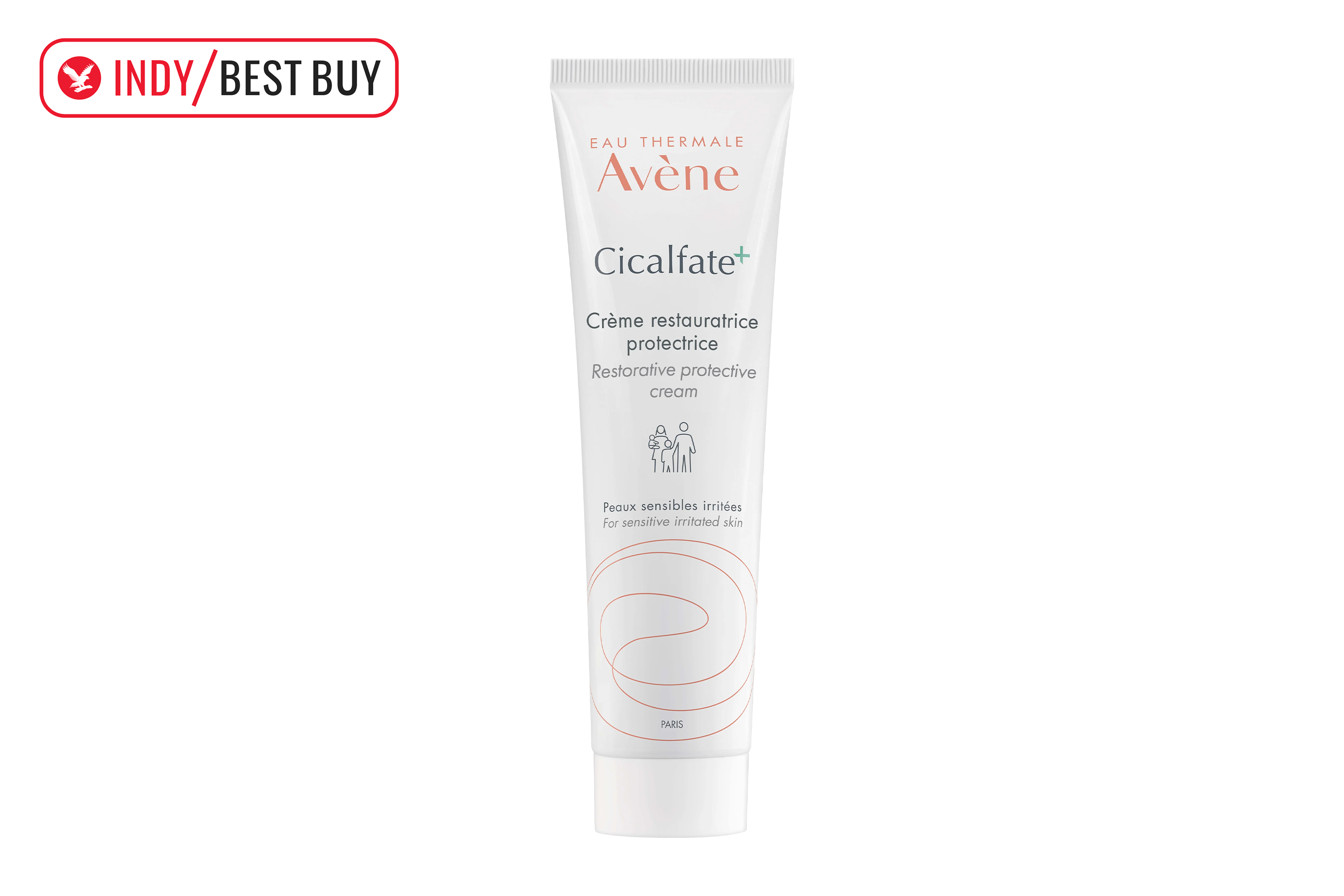
Avène cicalfate+ restorative protective cream
Best: perioral dermatitis treatment overall
Key ingredients: Copper, zinc, thermal spring water
Size: 100ml
Type: Nourishing cream
Why we love it
- Gentle on the skin
- Feels moisturising, leaving the skin hydrated
- Calming
Take note
- Can leave a white cast
According to Dr Jamil, moisturiser is essential when tackling PD. “‘Focusing on barrier recovery is really important. I recommend using a lightweight moisturiser as heavy products can flare perioral dermatitis,” she says.
When my skin is angry and my perioral dermatitis is at its worst, I recommend Avène’s cicalfate+ restorative protective cream for use both morning and evening as it does an utterly fantastic job of soothing redness, calming irritation and reducing those pesky red bumps.
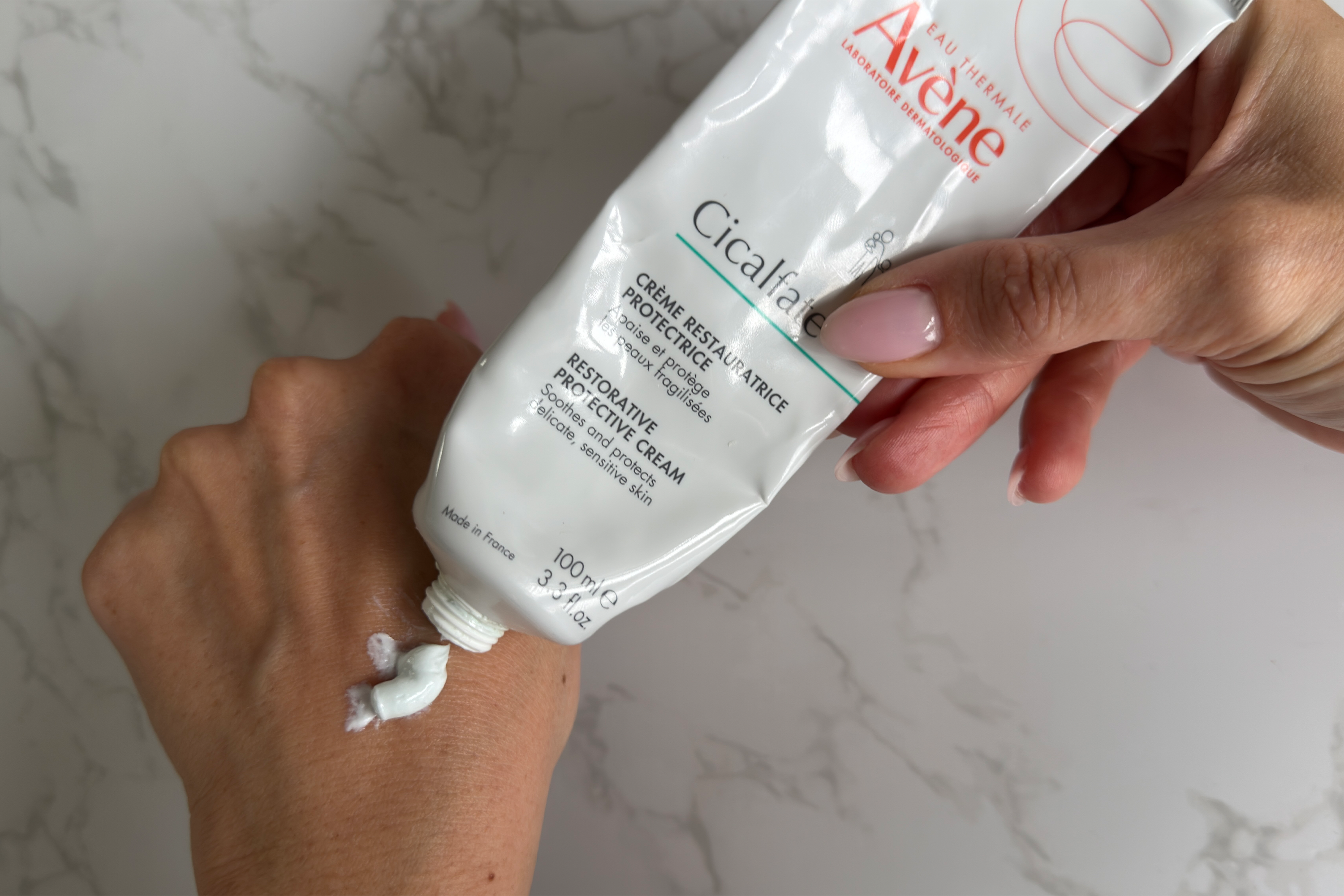
Formulated with a post-biotic biotechnological patented ingredient derived from spring water, it soothes irritation, improves hydration and helps to strengthen your skin barrier. Fragrance-free and brilliant for reactive skin, it feels quite thick out of the tube, but soon soaks in to leave a comforting layer of moisture. The only thing to note is that unless it’s rubbed in really well, deeper skin tones can find it leaves a slight white cast.
Buy now £13.55, Amazon.co.uk
CeraVe advanced repair ointment
Best: budget buy for perioral dermatitis
Key ingredients: Ceramides, petrolatum, hyaluronic acid
Size: 50ml
Type: Balm
Why we love it
- Hydrating
- Suitable for sensitive skin
- Fragrance free
- Multi-purpose
Take note
- Very greasy
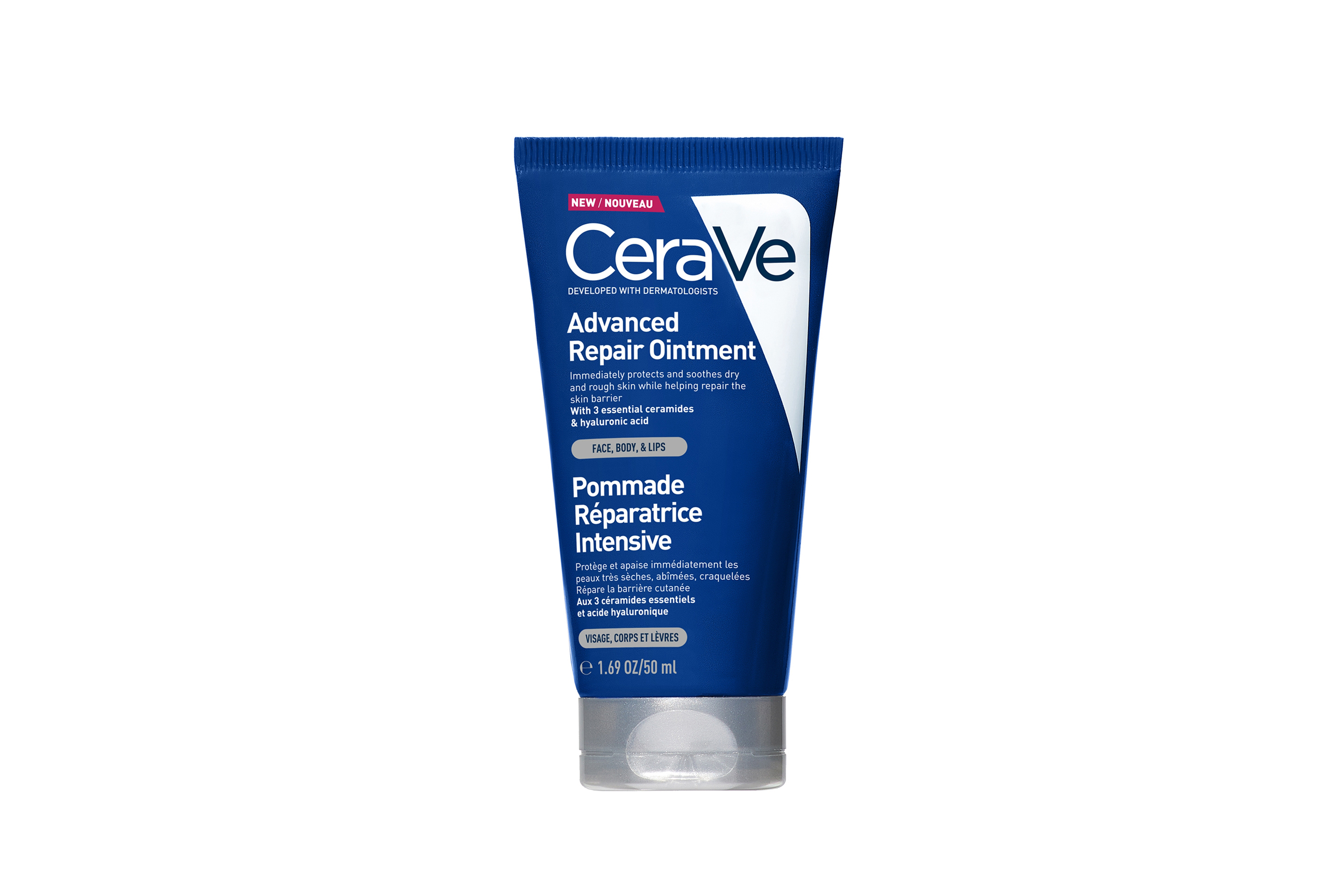
A product you may be overlooking in your stripped-back skincare routine, and could well be exacerbating symptoms of perioral dermatitis, is any type or flavoured or fragranced lip balm. Because PD can spread to the skin around the mouth, any products in this area can migrate to the surrounding skin and worsen symptoms. That’s why a fragrance-free, no-frills option like CeraVe’s advanced repair ointment is fantastic and my go-to for chapped lips.
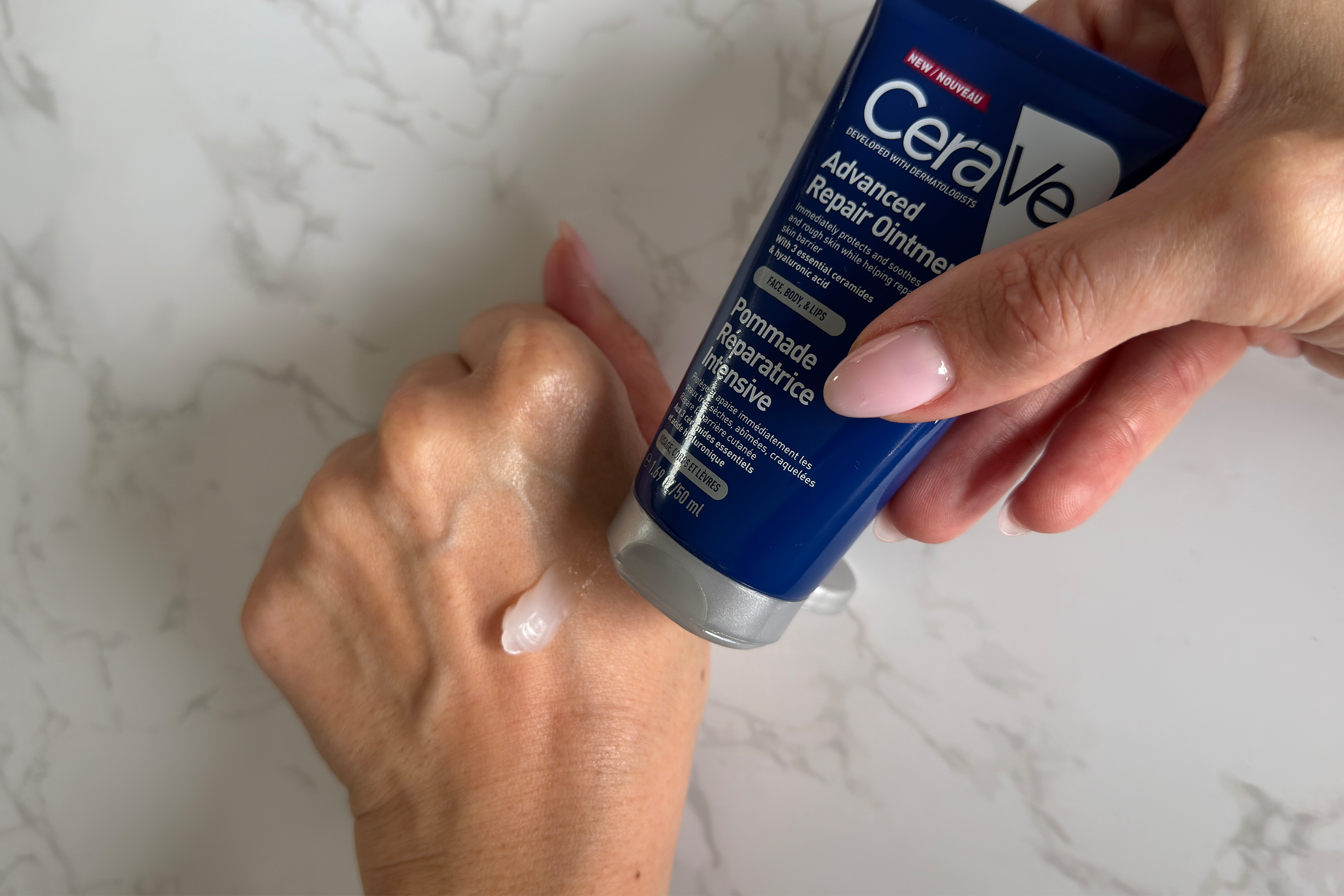
This ultra-thick and incredibly hydrating balm is fantastic for tackling dryness, softening flaky patches and sealing in moisture. As it’s an occlusive, I don’t recommend applying it directly onto active perioral dermatitis, but used on the lips it creates a protective barrier that helps prevent further irritation around the mouth.
Packed with ceramides, hyaluronic acid and petrolatum, it’s a staple in my daily routine whether I’m having a flare-up or not and comes with me in my handbag wherever I go.
Buy now £10.2, Amazon.co.uk
Cetaphil gentle skin cleanser
Best: cleanser for perioral dermatitis
Key ingredients: Glycerin, niacinamide, panthenol
Size: 236ml
Type: Hydrating cream/gel cleanser
Why we love it
- Gentle on sensitive skin
- Hydrating
- Fragrance-free
Take note
- Some may dislike the non-foaming formula
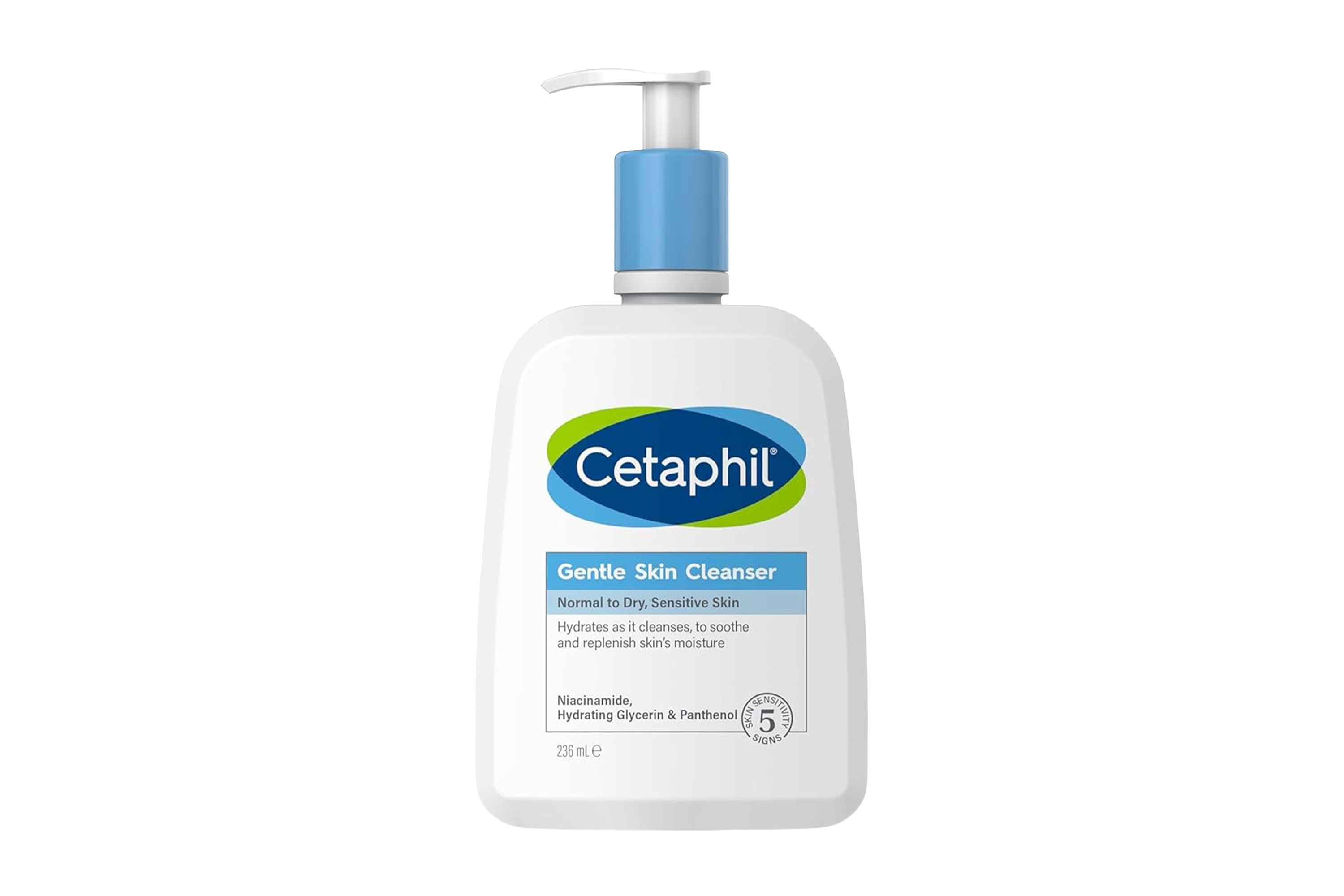
Cleansing both morning and evening is crucial for an effective skincare routine, but during a perioral dermatitis flare up using a gentle cleanser is incredibly important as harsh cleansers can exacerbate symptoms. My winner for this category? It has to be Cetaphil’s gentle skin cleanser.
A staple in my morning and evening routine, it’s a creamy, soap-free formula made with skin-nourishing ingredients including niacinamide, panthenol and glycerin which helps to remove grime, make-up and excess oil without leaving your skin feeling squeaky, tight or dry.
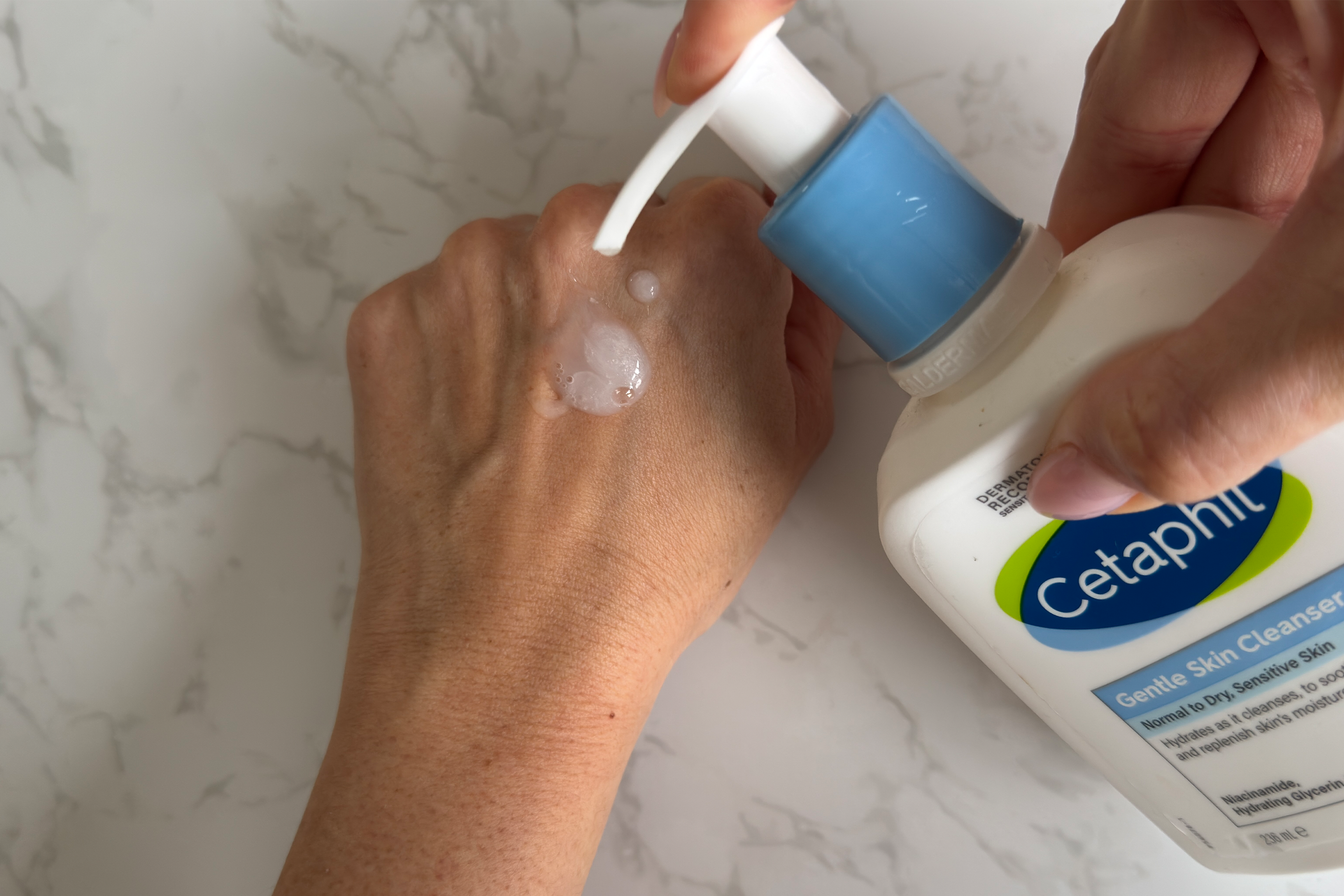
Not only does it leave your skin feeling soothed, calm and clean, it’s also wonderfully affordable and dermatologist-approved: “I recommend Cetaphil’s gentle skin cleanser as it’s lightweight, has minimal ingredients, is fragrance free and formulated for sensitive skin types,” says Dr Wong.
Buy now £9.77, Amazon.co.uk
Skin1004 Madagascar centella ampoule
Best: serum for perioral dermatitis
Key ingredients: Centella asiatica extract, glycerin
Size: 55ml
Type: Serum
Why we love it
- Fragrance free
- Calming
- Hydrating
Take note
- Not hydrating enough alone
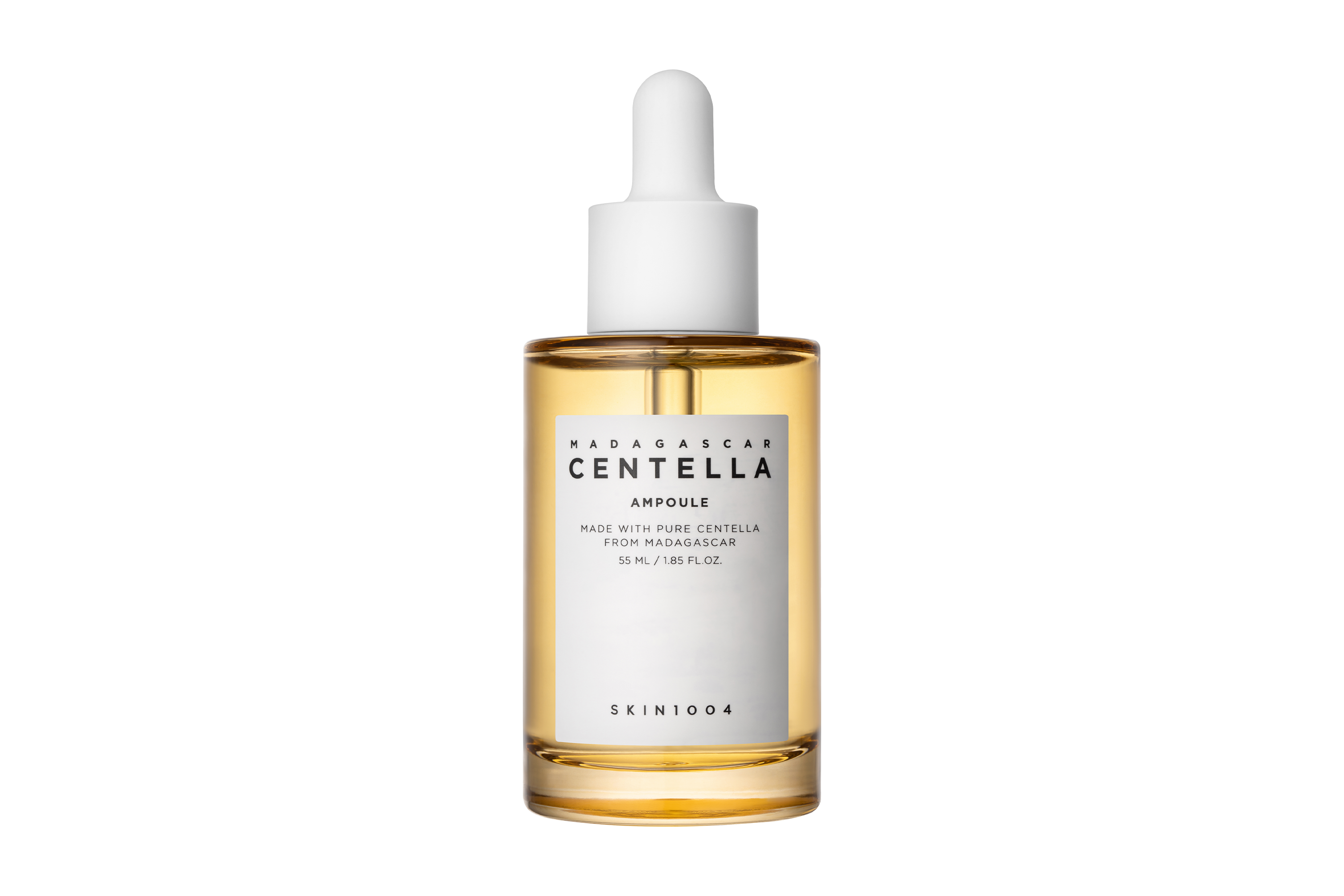
When your skin’s feeling reactive and sore, aim for a light, hydrating, non-irritating serum like Skin1004’s Madagascar centella ampoule. Formulated with centella asiatica extract and glycerin, it quickly calms skin and delivers a dose of lightweight, water-like hydration that absorbs instantly.
Its simple, fragrance free formula is brilliant for sensitive skin and layers beautifully under moisturisers and SPF without pilling and makes a great addition to a minimal, stripped-back skincare routine.
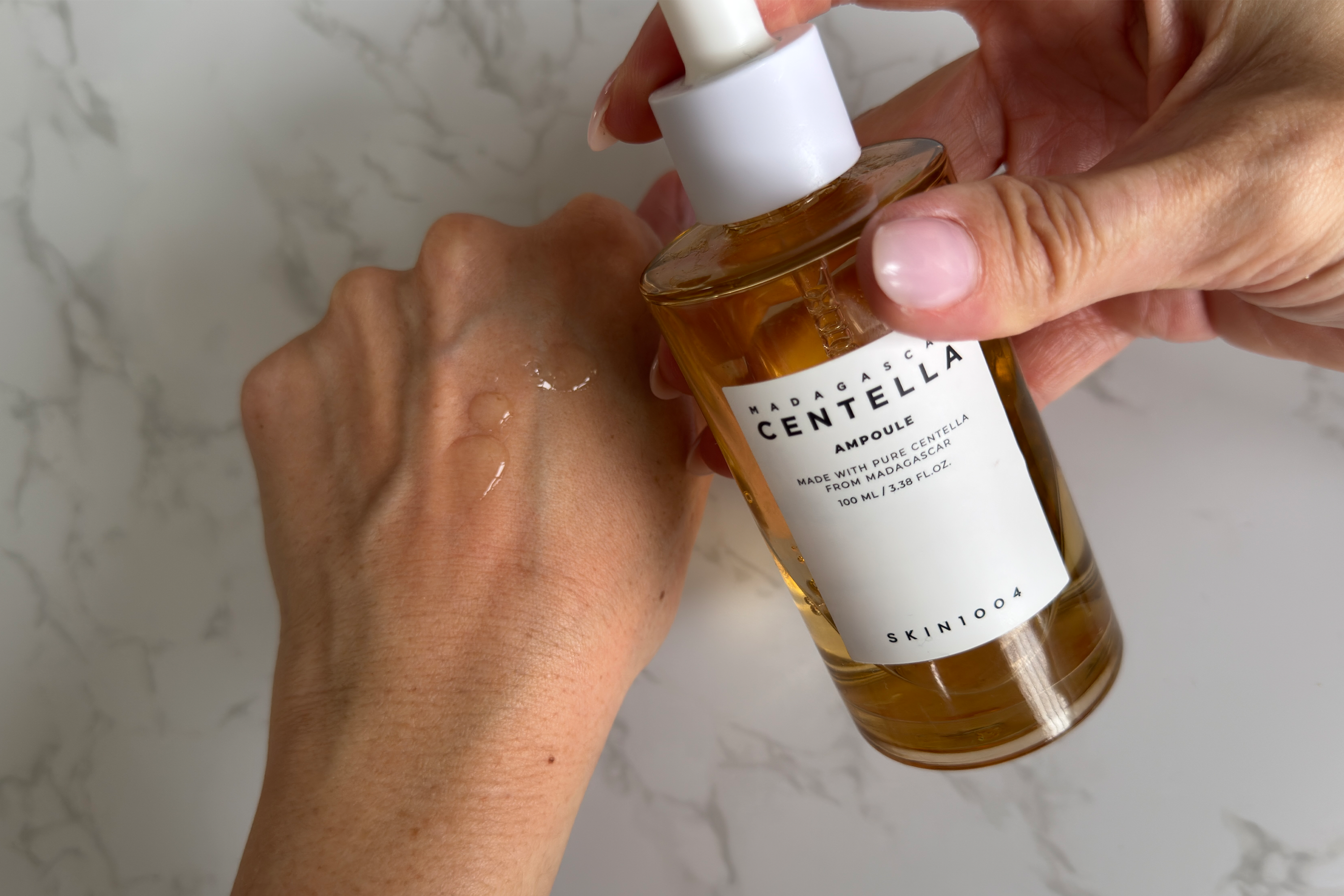
I love to use it as an extra step when my skin is particularly parched and my PD feels dry and flaky. I tend to layer it underneath my moisturiser as it provides a soothing boost but doesn’t quite deliver enough moisture on its own.
Buy now £13.5, Boots.com
Curél make-up cleansing oil
Best: make-up remover for perioral dermatitis
Key ingredients: Glycerin
Size: 150ml
Type: Oil cleanser
Why we love it
- Removes waterproof make-up
- Fragrance free
- Suitable for sensitive skin
- Alcohol free
- pH balanced
Take note
- Can leave a slight film on the skin
Ensuring every scrap of make-up and SPF is off your face at the end of the day is important when you have perioral dermatitis as leaving these on your skin can worsen symptoms. To ensure it’s all off and your skin has a chance to regenerate while you sleep, I highly recommend Curél’s make-up cleansing oil.
Specifically designed for sensitive skin that’s prone to irritation, the oil turns milky on contact with water and does a fantastic job of removing all traces of make-up, including waterproof mascara.
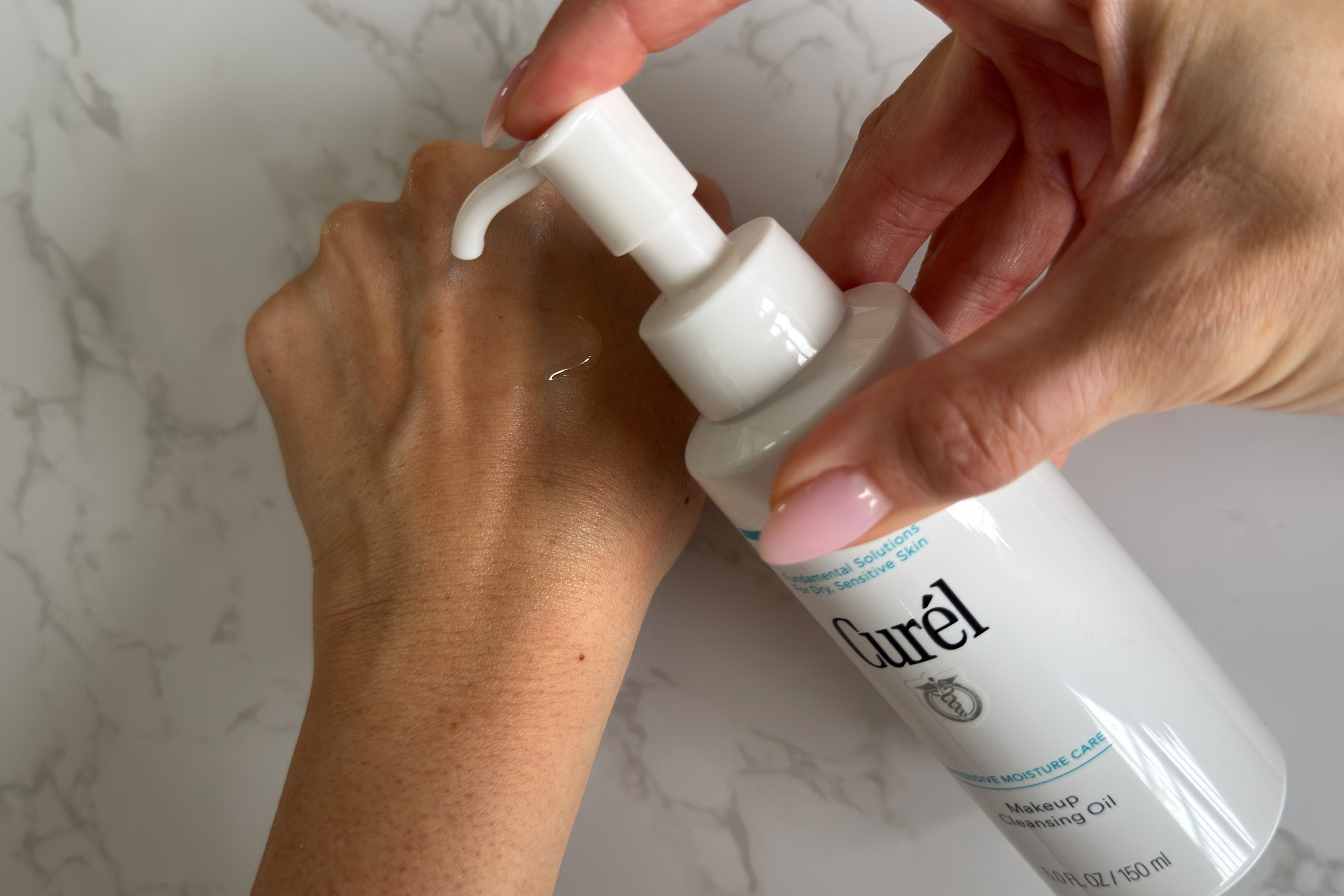
It’s pH balanced, free from alcohol, colourants and fragrance and leaves skin feeling cleansed and comfortable rather than tight and dry. I swear by it as the first step for my double cleanse after a day of wearing make-up.
Buy now £11, Amazon.co.uk
La Roche-Posay anthelios UVAir SPF50+
Best: perioral dermatitis SPF
Key ingredients: Hyaluronic acid, vitamin E, niacinamide
Size: 50ml
Type: Light lotion
Why we love it
- High UVA and UVB protection
- Dermatologically tested
- Hypoallergenic
- Lightweight
Take note
- Those with oily skin might find it a little greasy
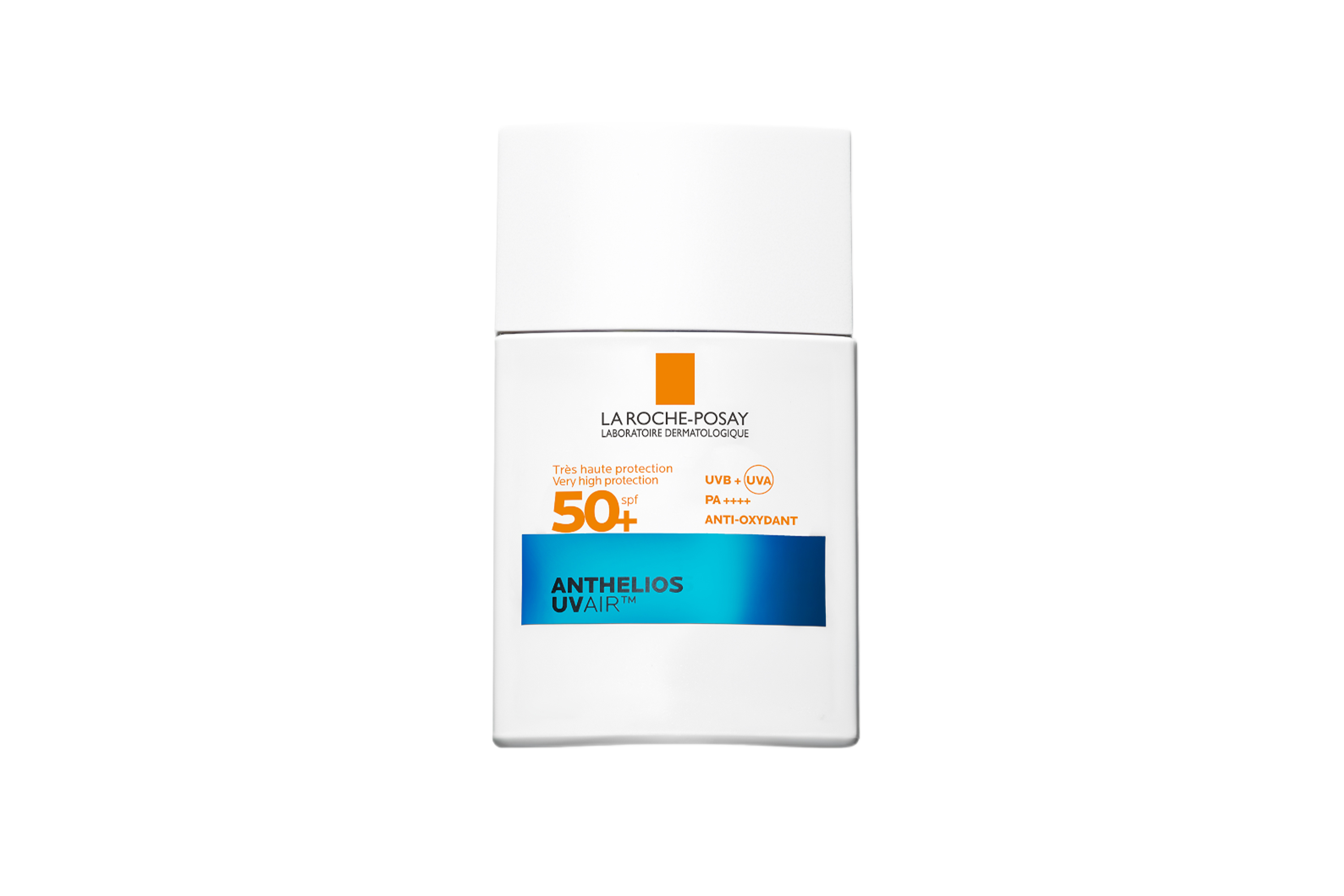
Like most skin conditions, PD can be worsened through UV exposure and wearing daily SPF is a must. The tricky part is finding one that’s lightweight, gives you maximum protection and doesn’t flare up symptoms, which is why I rate La Roche-Posay’s anthelios UVAir SPF50+.
Formulated for all skin types, it contains hydrating hyaluronic acid, skin barrier-strengthening niacinamide and soothing vitamin E and feels incredibly light on the skin.
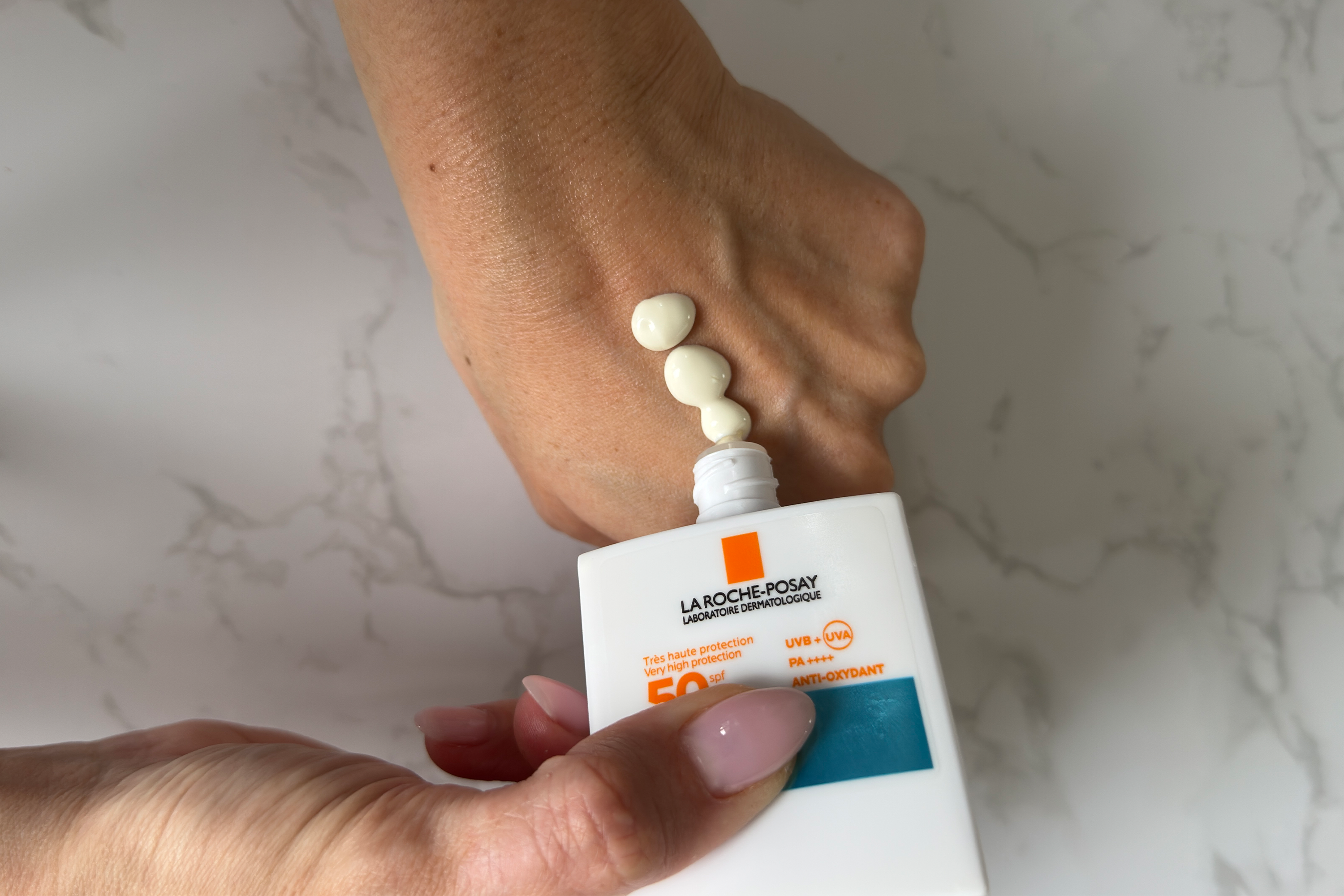
A go-to for my morning skincare routine, it absorbs quickly, doesn’t leave any white cast and sits beautifully under make-up without pilling.
A caveat to this product recommendation is that some people with PD will experience irritation from chemical sunscreens. Although I don’t, which is why I’ve included it in this roundup, those who do should opt for a mineral-based formula, of which I’ve recommended below.
Buy now £20, Amazon.co.uk
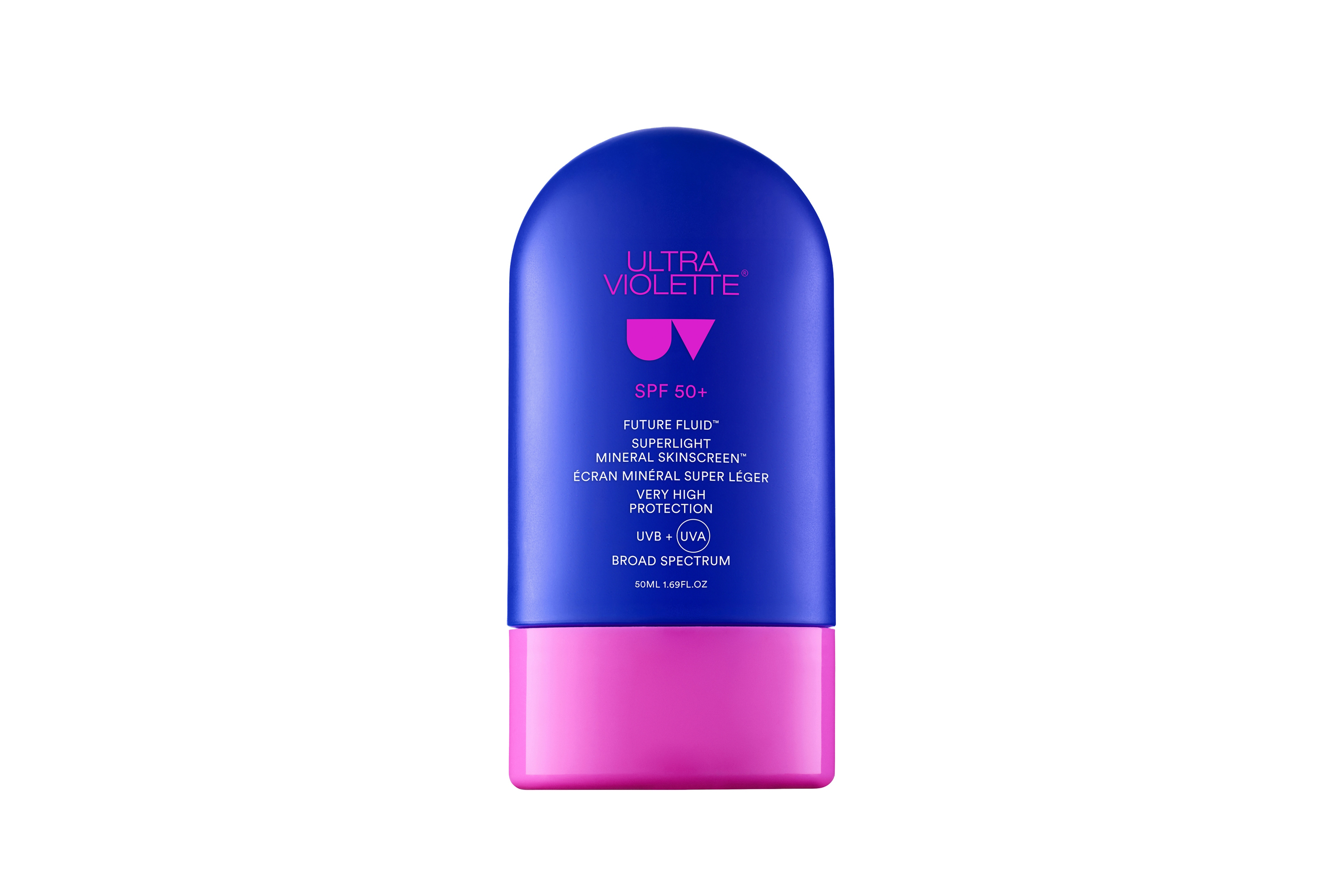
Ultra Violette future fluid superlight mineral skinscreen SPF50+
Best: mineral SPF for perioral dermatitis
Key ingredients: Zinc, squalane, vitamin E, pentavitin
Size: 50ml
Type: Light lotion
Why we love it
- High UVA and UVB protection
- Fragrance-free
- Lightweight
- Contains antioxidants
Take note
- A little sticky
Lightweight, soothing and with high UV protection, Ultra Violette’s future fluid superlight mineral skinscreen SPF50+ is a perfect option for those with perioral dermatitis. Generally speaking, mineral-based sunscreens are tolerated a little better than chemical sunscreens by those with sensitive skin. But, finding one that doesn’t leave a white cast can feel impossible, which is why this one is my mineral SPF of choice. Not only does it not leave any ghostly white cast but it also absorbs into the skin well, leaving a light layer of hydration that doubles as the perfect base for make-up.
Ingredients such as squalane, vitamin E and pentavitin (a plant-derived hydrator) help with keeping skin soothed and nourished and even better, its non-comedogenic formula doesn’t break me out in spots
Buy now £38, Spacenk.com
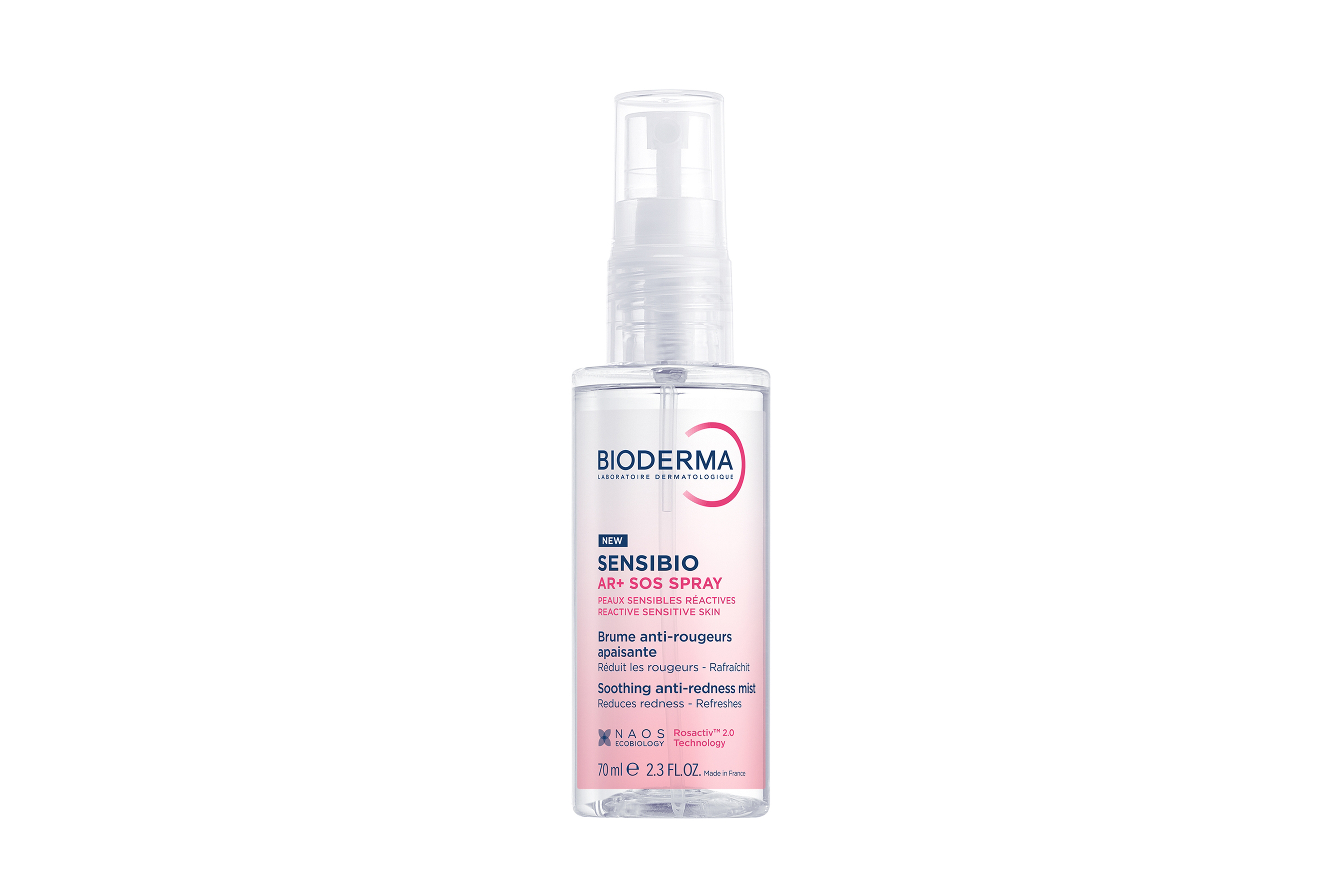
Bioderma sensibio AR+ SOS spray
Best: face mist for perioral dermatitis
Key ingredients: Glycerin, citric acid
Size: 70ml
Type: Face mist
Why we love it
- Soothing
- Hydrating
- Reduces redness
- Non-sticky
Take note
- Contains citric acid which some might find irritating
If you’re after a hydrating face mist that won’t aggravate your perioral dermatitis, then look no further than the sensibo AR+ SOS spray from Bioderma. This handy mist provides skin with an immediate boost of moisture when your skin is feeling parched or flaky (which is often the case when PD is healing) and does so without exacerbating symptoms.
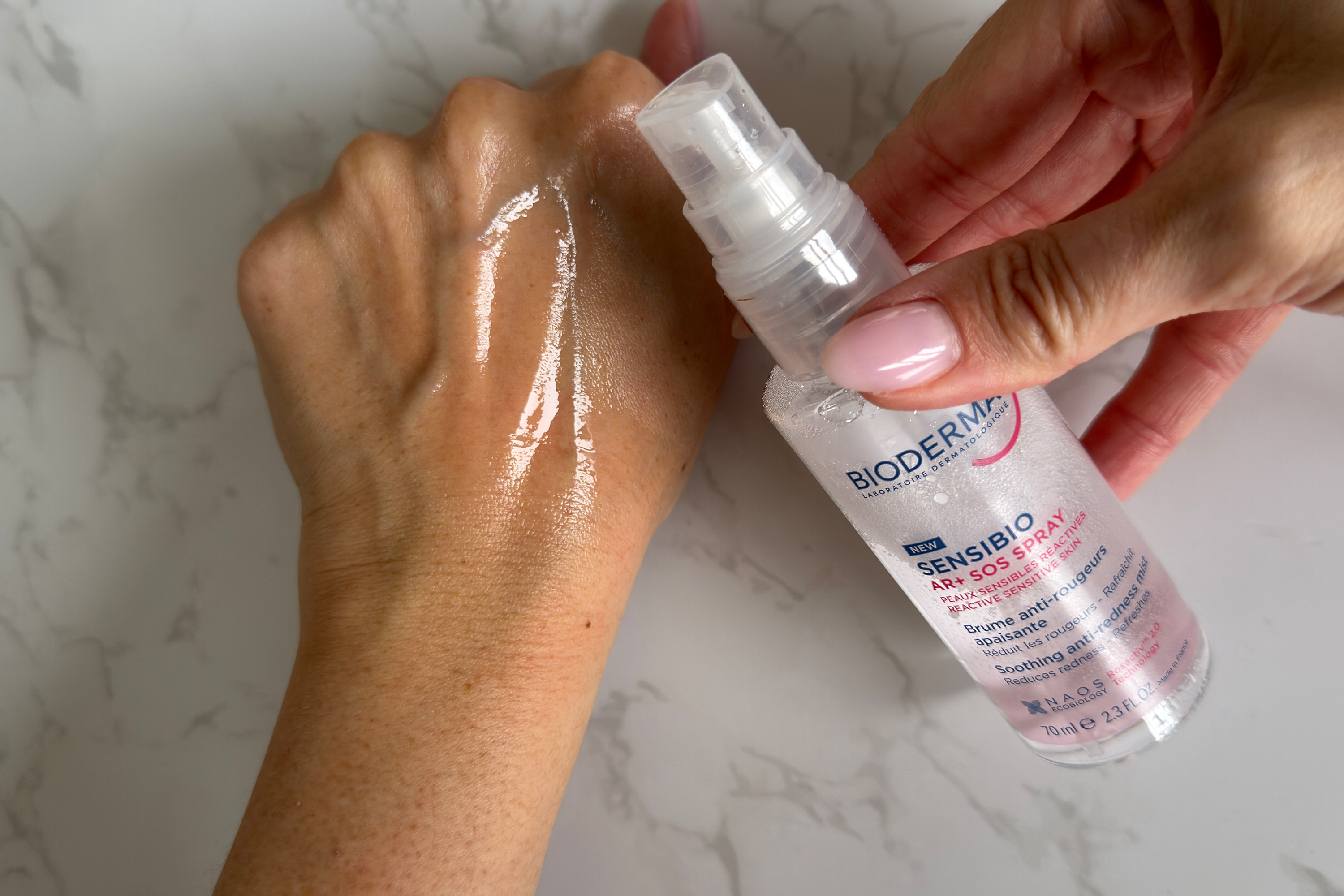
Formulated with glycerin, which helps to keep moisture in the skin and provide a layer or hydration, it has an incredibly fine spritz rather than leaving the skin covered in big droplets and is great for applying directly on to clean skin or over the top of make-up.
The only drawback I’ve found is the inclusion of citric acid, an ingredient that helps speed up skin cell turnover, which some people with severe cases of PD may find irritating.
Buy now £13, Amazon.co.uk
Your questions about perioral dermatitis answered
What is the best skincare for perioral dermatitis?
Anyone with perioral dermatitis looking to strip-back their skincare routine shouldn’t be without the fantastic Avène cicalfate+ restorative protective cream. Hydrating, soothing, calming and comforting, it’s an all-round brilliant moisturiser that won’t irritate even the most severe case of PD.
La Roche-Posay’s anthelios UVAir SPF50+ is my runner up for providing high UV protection, sitting beautifully under make-up and keeping skin hydrated. Lightweight and great for sensitive skin types, it doesn’t aggravate PD and leaves behind a gorgeous subtle glow – what’s not to love?
How the best treatments for perioral dermatitis were tested
I tested each product during a small perioral dermatitis flare up, when my skin was at its most reactive. I introduced one product at a time to determine whether each was helping or hindering my symptoms. The things I took into careful consideration included:
What triggers perioral dermatitis?
Although the cause of PD isn’t fully understood, many skin experts believe the skin barrier plays a crucial part. “A disrupted skin barrier is a very common reason for people experiencing perioral dermatitis,” explains Dr Jamil. “Certain triggers include an overuse of skincare products, use of topical steroid creams, as well as physical sunscreens that are too heavy for your skin type or are not washed-off correctly.”
How do you treat perioral dermatitis?
The first course of action when treating perioral dermatitis is to stop your usual skincare routine and take it right back to basics. “Your skincare routine should be stripped back, simple, fragrance-free, gentle and focused on building up your skin barrier,” says Dr Jamil. “I would recommend a gentle cleanser and a lightweight moisturiser as heavy products can flare perioral dermatitis.”
Daily SPF is a must too. “I still recommend applying sunscreen in the morning, but you might have to search for one that works with your skin and isn’t too heavy,” she adds.
In mild cases of PD, sticking to a simple, stripped-back skincare routine can often be enough to see an improvement, but more persistent or severe cases may require treatment from a GP or dermatologist. “Prescription treatments can include topicals such as low-strength azelaic acid, metronidazole, ivermectin cream or topical antibiotics,” says Dr Wong. “Low-dose oral antibiotics like doxycycline or minocycline can also be helpful.”
It can be tempting to reach for affordable over-the-counter topicals like low strength azelaic acid, but Dr Wong advises against it. “The OTC preparations of azelaic acid are often combined with other actives such as vitamin C and plant extracts which may exacerbate inflammation and are best avoided when PD is active.”
Why you can trust IndyBest reviews
Emma North has worked as a beauty journalist for many years and experienced firsthand the confidence-shattering effects of perioral dermatitis, so it’s safe to say she knows what she’s talking about when it comes to PD treatments.
She’s written many features on the skin condition, documenting her own experience of the facial rash and has tested plenty of products with a discerning eye for what really works in order to make personal recommendations. She’s researched product formulations, spoken to consultant dermatologists and is a true expert when it comes to overcoming perioral dermatitis and managing any further flare ups.
For more specialist skincare tips and tricks, check out our article on the best creams for psoriasis, as recommended by a dermatologist