1/9 - 8 Indian tribes on the verge of extinction
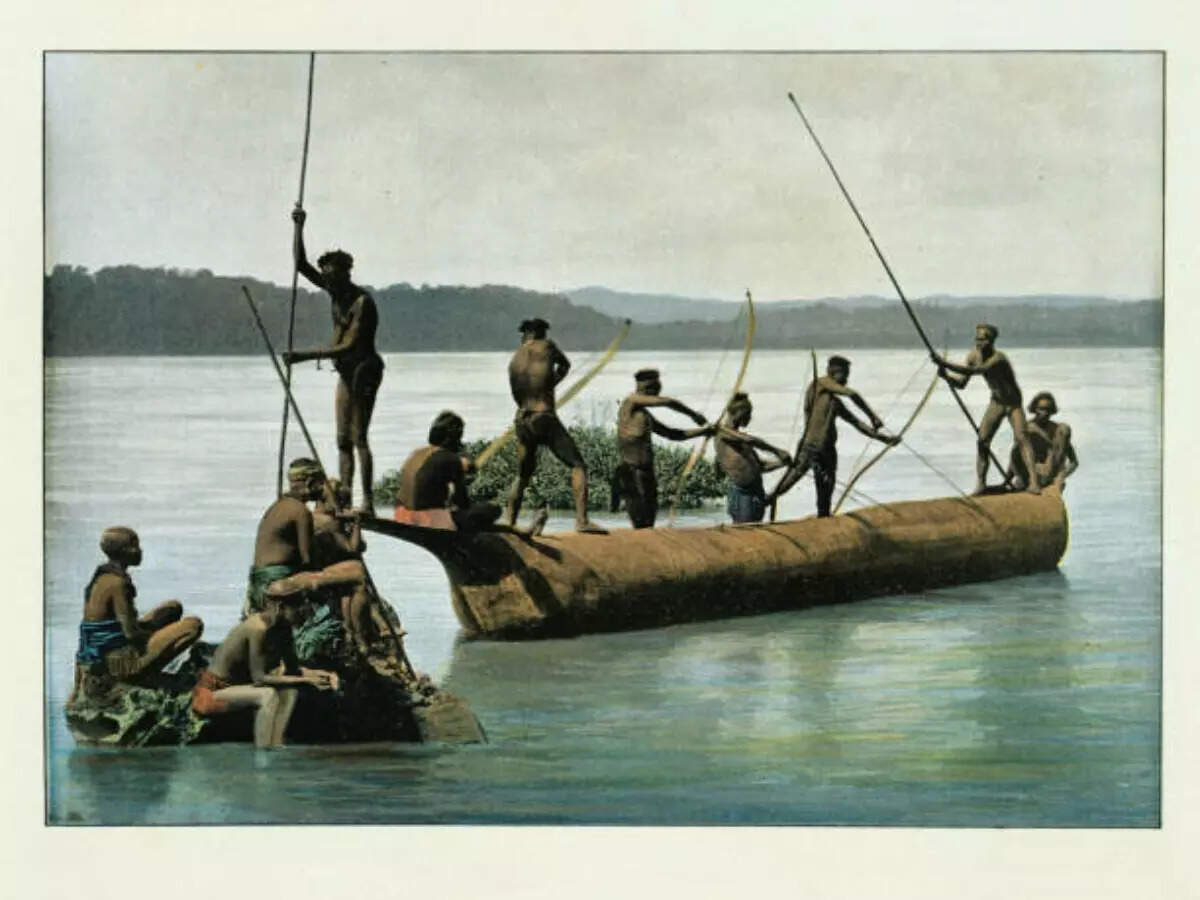
India, with over 700 tribal communities, is home to some of the world’s most ancient and diverse indigenous peoples, known collectively as Adivasis. These groups, making up 8.6% of the nation’s population, have thrived for millennia, their languages, traditions, and ways of life woven into the fabric of the land. Yet, beneath this vibrant heritage lies a silent crisis: many tribes teeter on the edge of extinction, their numbers dwindling and cultures fading under the weight of modernization, displacement, and environmental upheaval. From the isolated shores of the Andaman Islands to the forested hills of the mainland, tribes like the Great Andamanese, Jarawa, Onge, Sentinelese, Korwa, Karbong, Toto, and Lepcha face an uncertain future.
2/9 - Great Andamanese
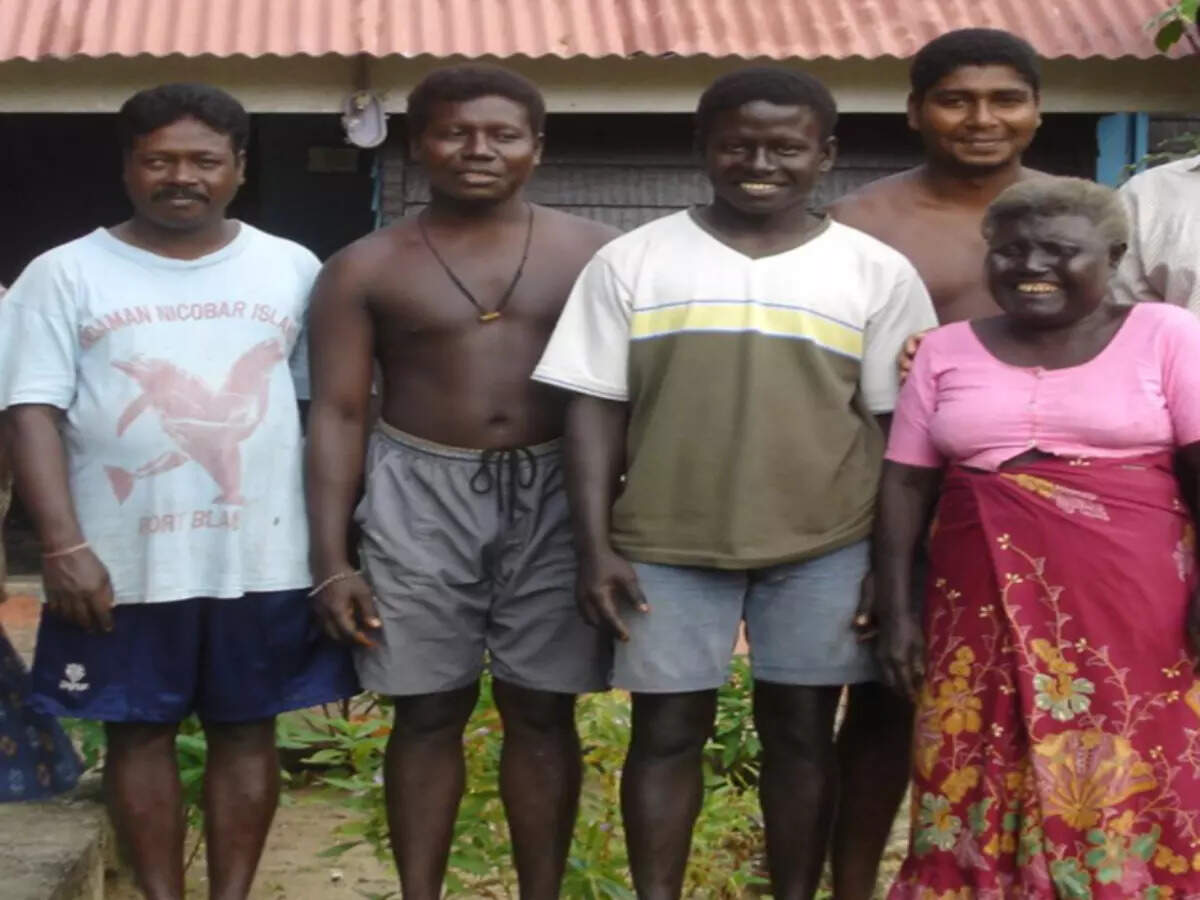
Located in the Andaman and Nicobar Islands, the Great Andamanese population is less than 50. Once numbering thousands, their population crashed due to colonial-era diseases and habitat loss. Cultural assimilation and a tiny gene pool threaten their survival. The loss of languages like Bo also marks their decline. Their current status is critically endangered.
3/9 - Jarawa
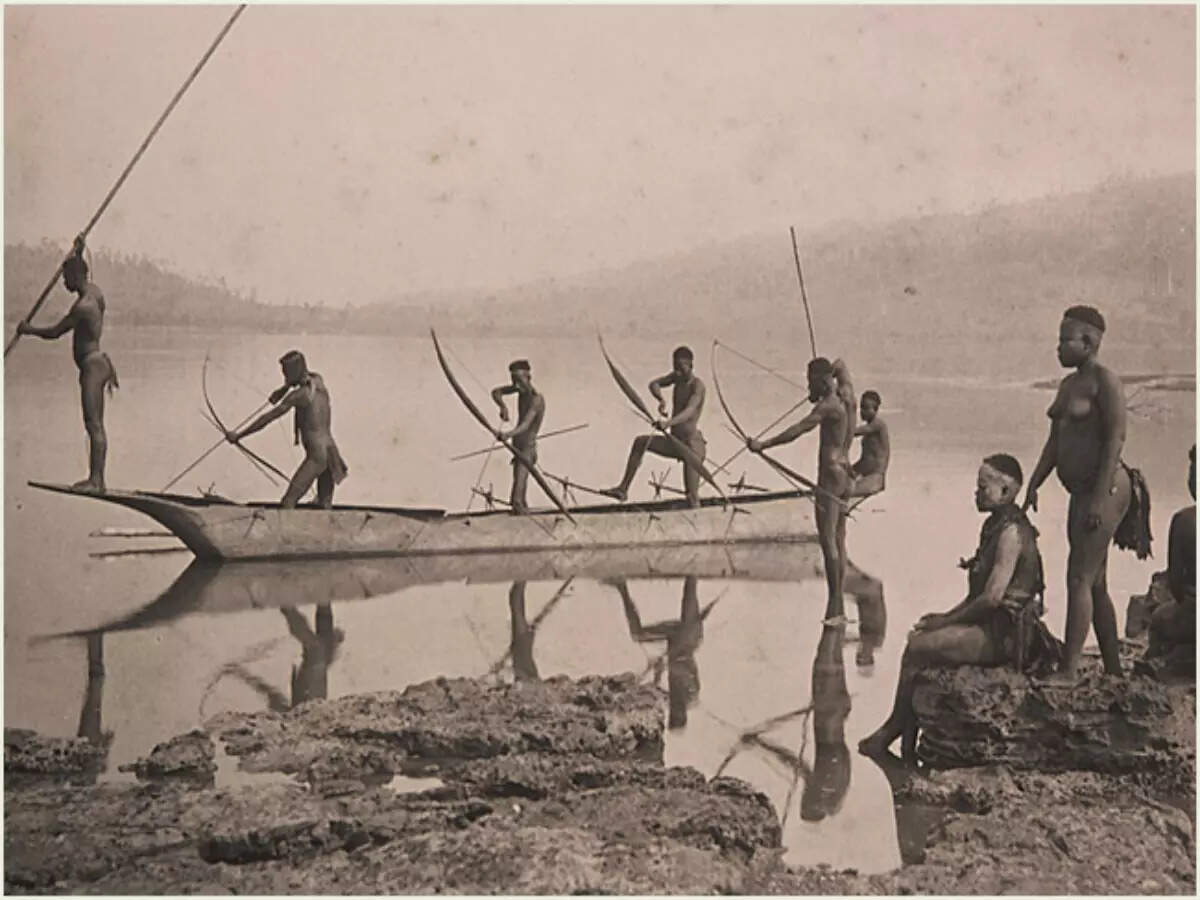
Also from the Andaman and Nicobar Islands, the Jarawa population is estimated to be around 300-400. Exposure to outsiders via the Great Andaman Trunk Road brings disease and exploitation risks. Illegal tourism and poaching encroach on their forest reserve, disrupting their hunter-gatherer lifestyle.
4/9 - Onge
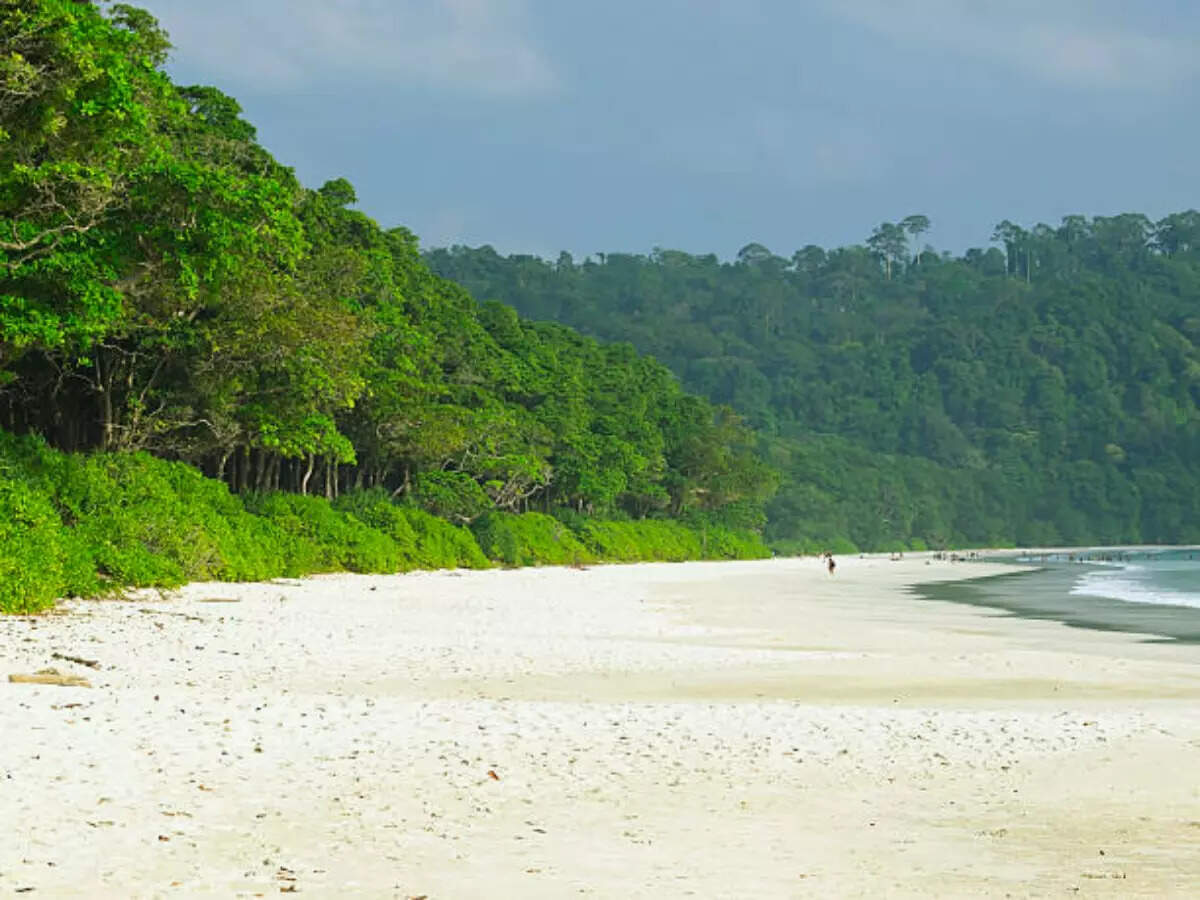
The Onge people are from the Little Andaman Island, Andaman and Nicobar Islands. Their population is estimated to be around 100-120. The 2004 tsunami, logging, and settlement reduced their territory. The Onges are on the brink, with a fragile population and fading culture.
5/9 - Sentinelese
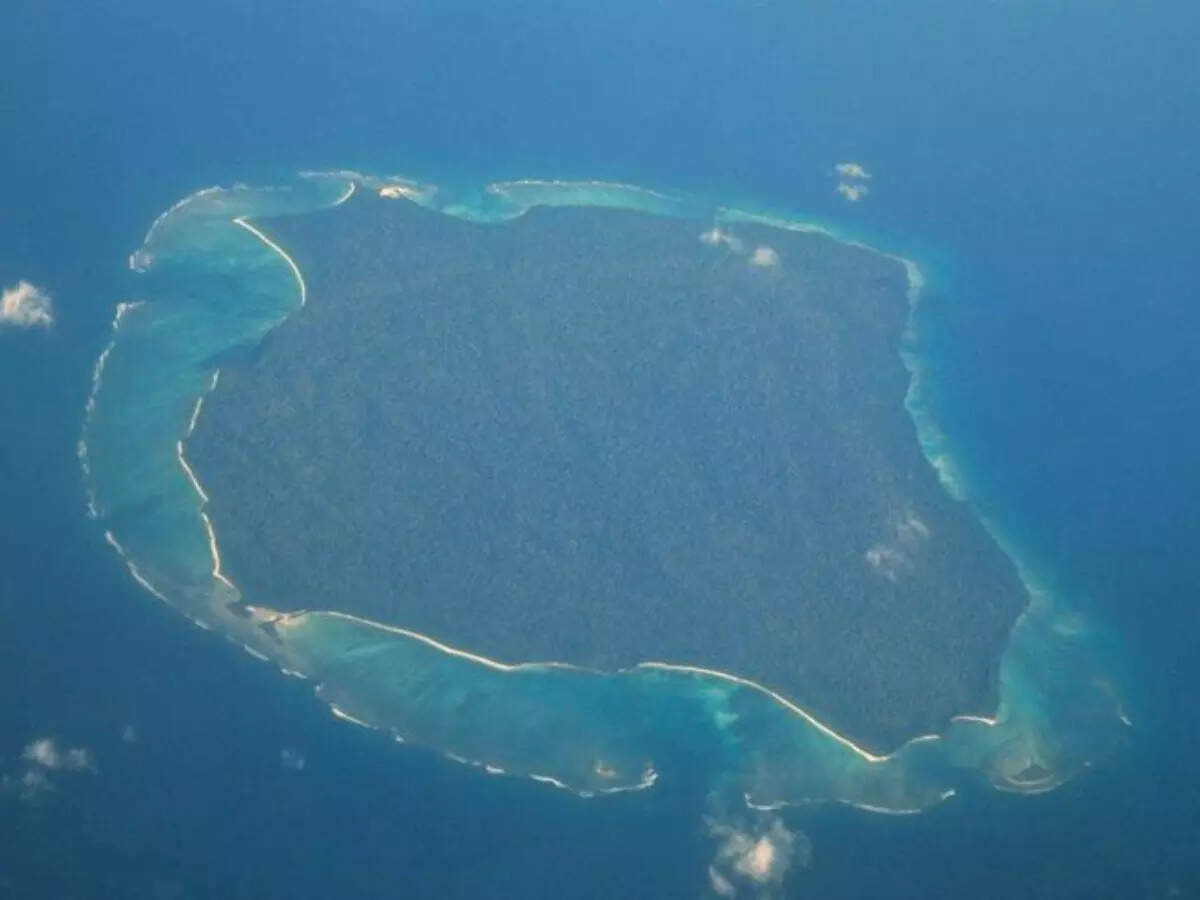
The Sentinelese people are from the North Sentinel Island, Andaman and Nicobar Islands. There are around 50-150 Sentinelese left. The tribe is isolated, and they face potential annihilation from disease if contacted. North Sentinel Island is one of the very few places on Earth where visitors are strictly not allowed. The Indian Coast Guard patrols the waters around the island. The Sentinelese people are known to be very aggressive towards any outsiders.
6/9 - Korwa
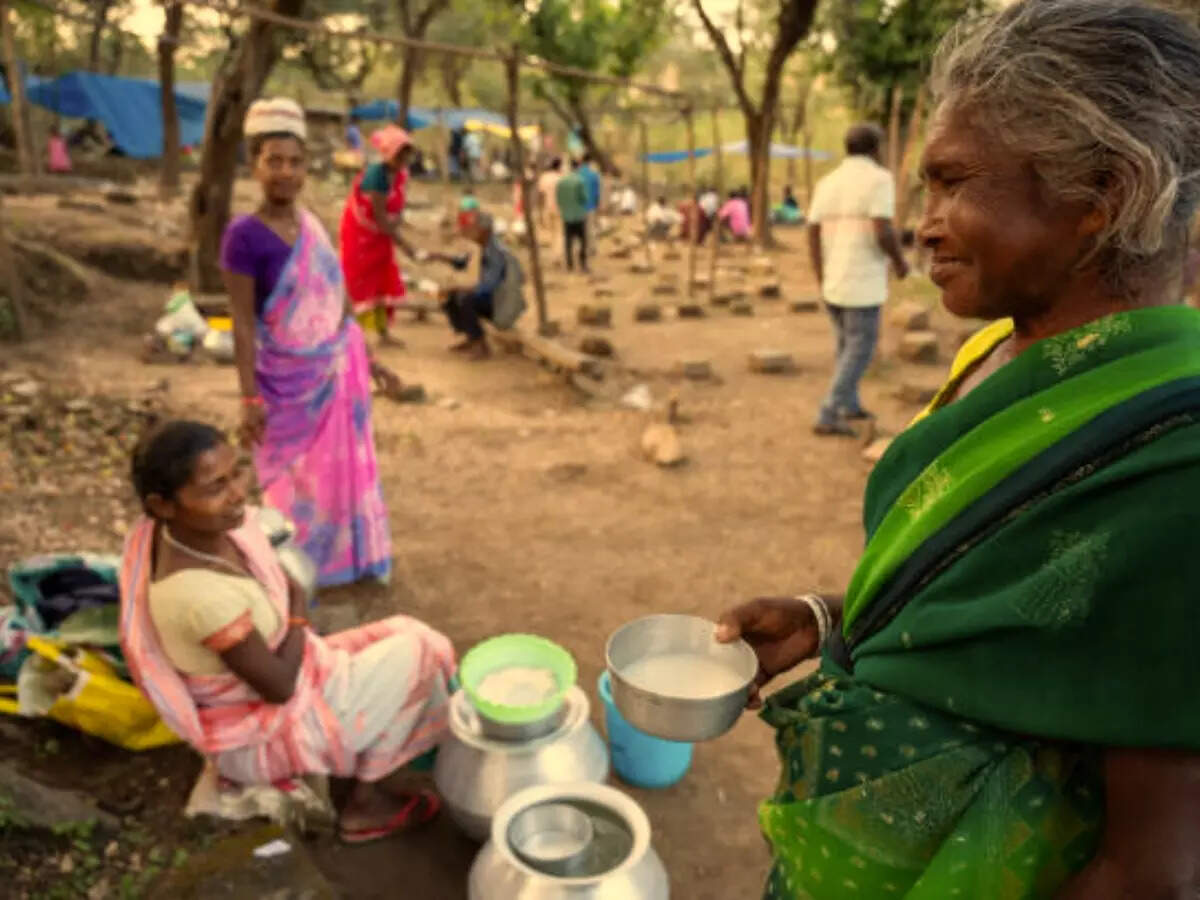
The Korwa people from Jharkhand and Chhattisgarh are around 26,000. A Particularly Vulnerable Tribal Group (PVTG), they suffer from displacement by mining, poverty, and lack of education. Cultural erosion through assimilation is a slow but real threat.
7/9 - Karbong-Halam
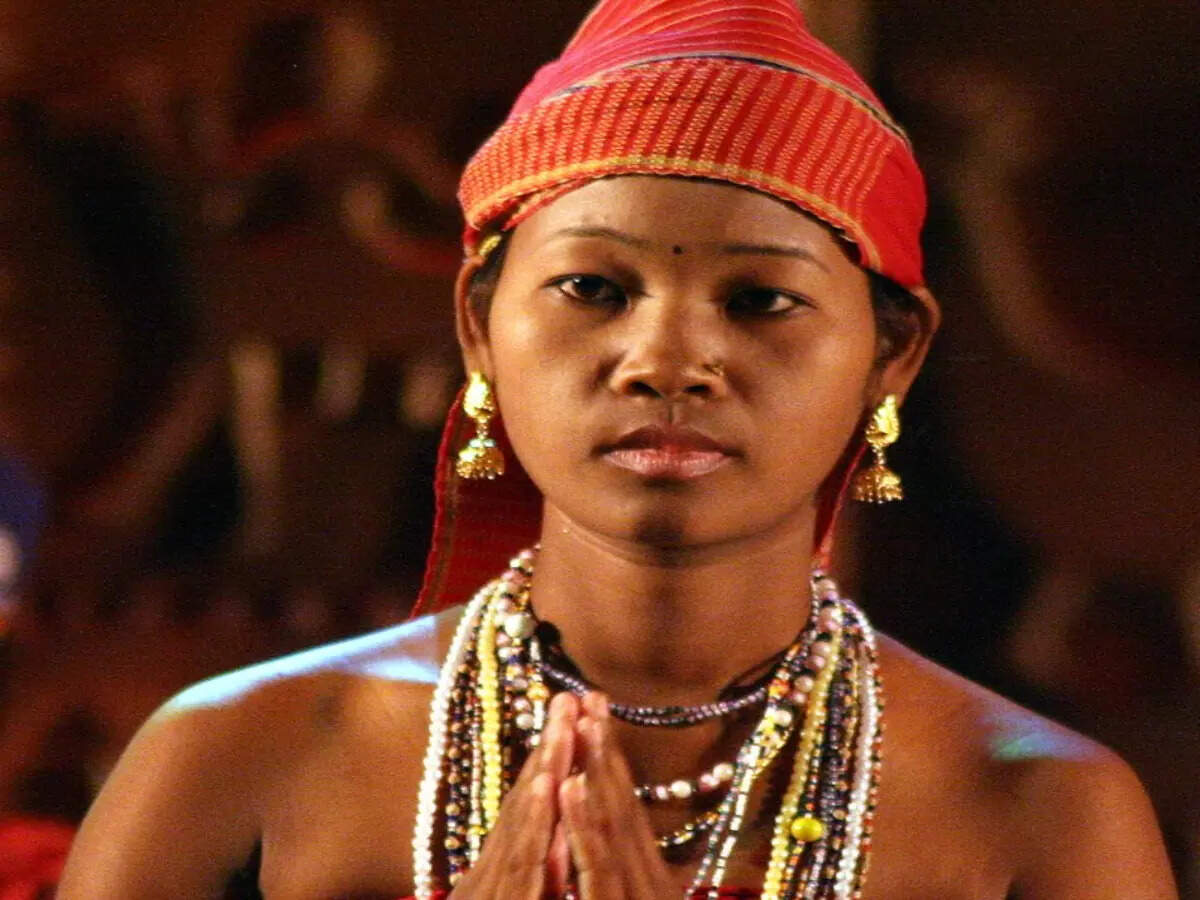
Located in Tripura, their population is 250-300. This Halam sub-tribe lacks basic amenities (healthcare, water) and faces identity loss through intermarriage and modernization. Small and at risk of cultural extinction without intervention.
8/9 - Toto
Located in West Bengal, near the Bhutan border, their population is estimated to be around 1,500-1,600. The most glaring threat is the demise of the unique Toto language and their traditional practices.
9/9 - Lepcha
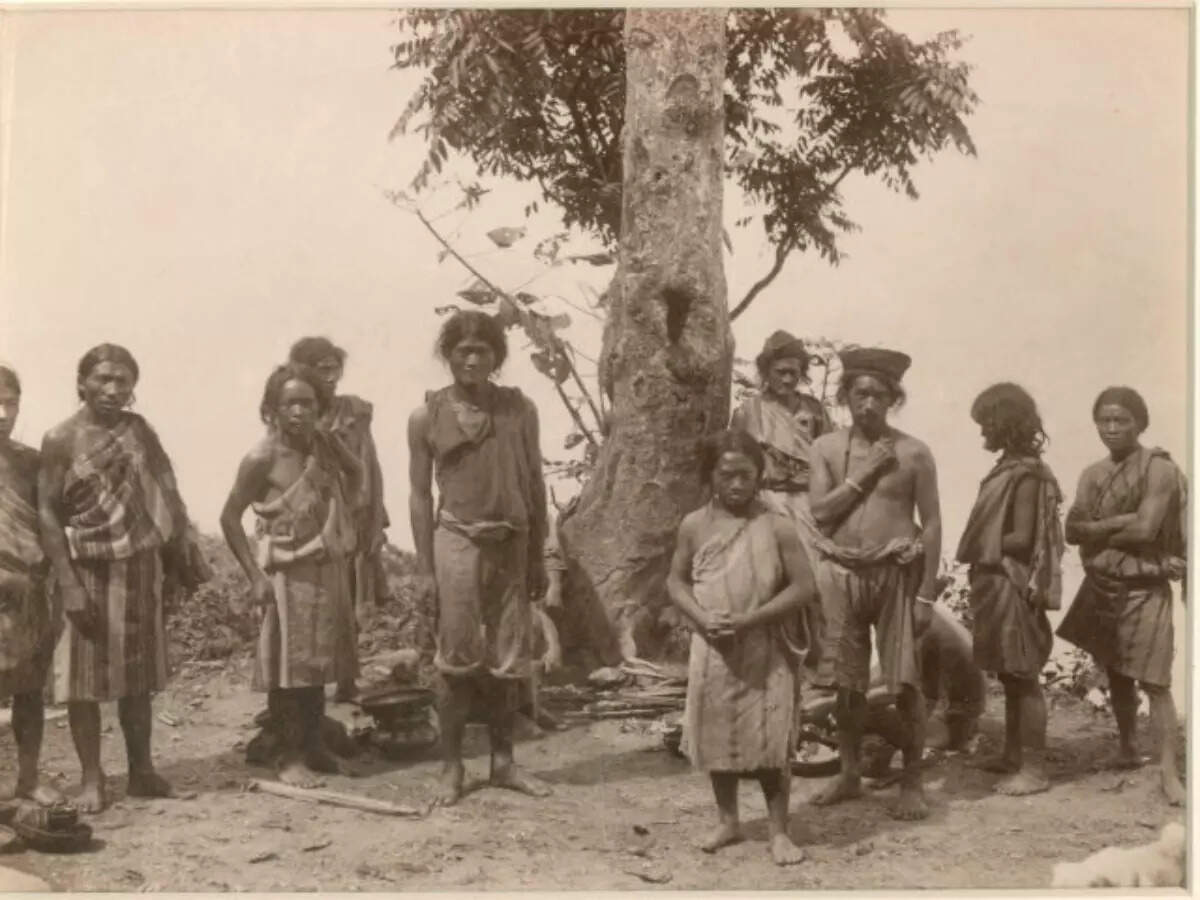
The Lepchas are from Sikkim, West Bengal (Darjeeling), and parts of Bhutan and Nepal. Their population is around 50,000-60,000. The Lepcha, indigenous to the eastern Himalayas, face cultural and linguistic extinction rather than immediate population loss. Their Rongring language is critically endangered (per UNESCO), with younger generations shifting to Nepali, Bengali, or English.