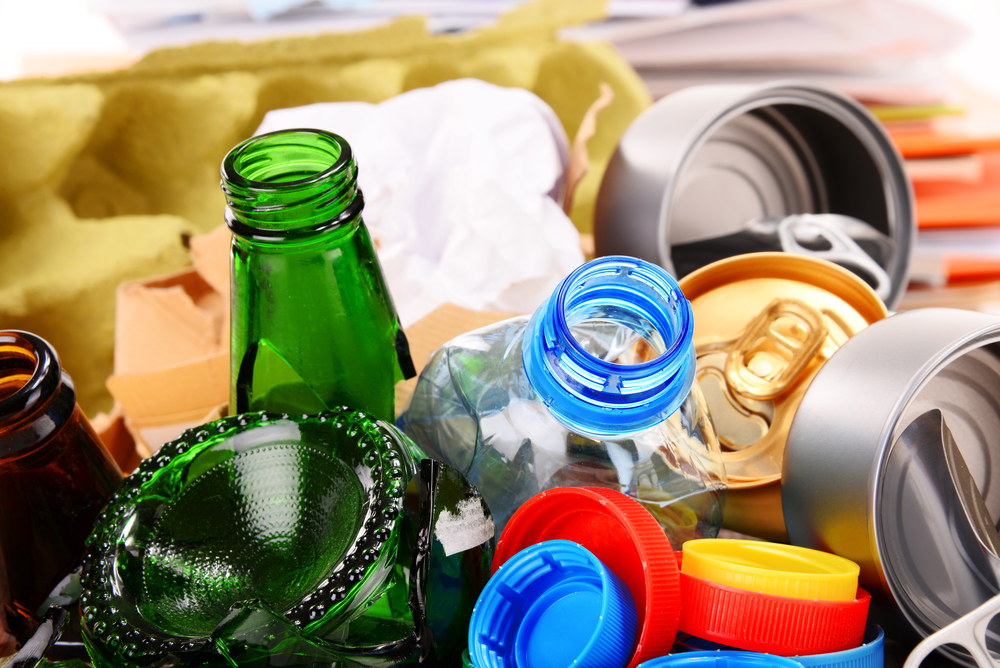
People in the public domain remain unaware of the origins of the products they use daily. The production process converts recycled materials into new products that bear no resemblance to their original form. The transformation process serves three purposes: it minimizes waste output, reduces manufacturing expenses, and extends the service life of materials, which would otherwise become landfill waste. People who buy products do not understand this manufacturing process, which supports their daily shopping activities. The knowledge of everyday objects will transform after you understand their transformation process.
1. Shoes Made From Plastic Bottles
Footwear companies now spin recycled materials into lightweight threads for the uppers of shoes. Clear plastic bottles become fibers, then yarn, then breathable mesh that’s both strong and flexible. The idea sounds rough, but the result feels nothing like the source.
The process trims waste from two directions. Fewer bottles end up buried or burned, and fewer new materials need to be manufactured. That balance reshapes an industry once dependent on petroleum-heavy synthetics.
2. Kitchen Countertops Forged From Old Glass
Shattered bottles and broken windows find a second life as polished kitchen surfaces. Manufacturers crush the glass, bind it with resin, and form dense slabs. The flecks of color aren’t paint. They’re remnants of the recycled materials embedded throughout.
These countertops handle heat and impact without the maintenance demands of natural stone. They show how discarded fragments can turn into something built to last.
3. Notebooks Pressed From Recycled Cotton Scraps
Fashion production leaves behind mountains of cotton trimmings. Instead of dumping them, some mills grind the scraps into fibers and press them into thick, durable paper. The sheets hold ink well and resist tearing, despite being made from material once considered waste.
The shift brings the textile and stationery worlds closer. It also reduces pressure on forests by limiting the need for wood pulp.
4. Park Benches Molded From Used Milk Jugs
Public spaces are full of quiet examples of recycled materials in action. Park benches made from high-density polyethylene come from the same jugs that hold household milk. After cleaning and shredding, the plastic becomes molded lumber that resists rot and insects.
Unlike wood, these benches don’t splinter or warp. They survive heat, cold, and rain, providing sturdy seating born from something meant for a single use.
5. Carpet Tiles Built From Old Fishing Nets
Ghost nets drift through oceans for years, damaging wildlife and ecosystems. Collecting them costs time and effort, but the payoff is real. The nylon inside these nets can be recycled into fibers used for carpet tiles. Once cleaned and processed, the material looks nothing like its past form.
These tiles lock together and can be replaced one square at a time. The durable fibers cut down future waste and keep harmful debris out of waterways.
6. Asphalt Enhanced With Recycled Rubber
Road surfaces often include ground-up tires. Rubber crumbs help create asphalt that absorbs impact and reduces road noise. It’s one of the most widespread uses of recycled materials, yet people rarely notice it under their wheels.
Tires are difficult to dispose of safely. Reusing the rubber gives them a second job, one that keeps millions of pounds of waste from accumulating in open lots or illegal dumps.
7. Insulation Made From Recycled Denim
Old jeans, shredded and treated, make effective home insulation. The fibers retain heat, block sound, and help prevent the itch associated with traditional fiberglass. Builders can cut and install the material without special suits or masks.
This approach repurposes clothing that can’t be resold or donated. It also trims the environmental footprint of new construction by replacing more energy-intensive materials.
8. Office Chairs Containing Reprocessed Metal
Hidden inside many office chairs is a network of steel or aluminum components created from recycled materials. Reprocessed metal delivers the same strength as new metal but requires far less energy to produce. The structural core stays sturdy even after years of use.
This change often goes unnoticed because nothing about the chair broadcasts its origins. Yet recycled content plays a central role in reducing manufacturing costs and environmental impact.
The Patterns Hiding in Plain Sight
People fail to recognize that recycled materials are used in their daily activities more often than they realize. The recycling process transforms materials into new products, creating economic changes that, in turn, affect our everyday activities and the environment.
The system produces major results through its basic modification capabilities. The discovery of recycled materials in everyday objects shows that they are present in regular consumer products.
Which recycled material product in your daily life has impressed you the most?
What to Read Next…
- 7 Tactics Grocery Stores Use to Keep You From Thinking About Price
- 8 Everyday Services That Are Slowly Becoming Subscription Only
- 7 Popular Cleaning Products That Can Destroy Your Plumbing
- 9 Common Products That May Be Illegal to Resell Online
- 8 Things You’re Doing That Make Criminals Think You’re an Easy Target
The post 8 Everyday Items Made From Recycled Materials You’d Never Expect appeared first on The Free Financial Advisor.